Understanding Eyelid Surgery Beyond the Surface
An approach guided by anatomy, emphasizing balance, restraint, and results that age naturally.
An approach guided by anatomy, emphasizing balance, restraint, and results that age naturally.
Dr. Richard Balikian is a double board-certified facial plastic surgeon who focuses on anatomy-based facial rejuvenation, using techniques that emphasize precision, restraint, and long-term balance.

Eyelid surgery is often described as a procedure that removes excess skin or fat. While this may be part of the process, it does not fully explain why the eyes begin to look tired or how natural results are achieved.
The appearance of the eyelids is shaped by a combination of skin, muscle, fat, and structural support. Changes in these layers, not just the surface, are what create under-eye bags, heaviness, and contour irregularities over time.
A tired look around the eyes is rarely the result of a single issue.
These changes often occur together. Addressing only one layer can lead to results that appear incomplete or unnatural.
The eyelid is a layered structure composed of skin, the orbicularis oculi muscle, and orbital fat compartments.
These structures define both the contour of the eyelid and its transition into the cheek. As aging occurs, the relationship between fullness and hollowing becomes more pronounced, which is why simply removing tissue does not always produce natural results.
Effective blepharoplasty requires understanding how these layers interact and how to restore balance between them.
Eyelid surgery is often described in terms of where incisions are placed, but the incision alone does not determine the outcome.
What matters is how each layer is managed.
This approach allows for smoother transitions and more natural results that maintain the character of the eyes.
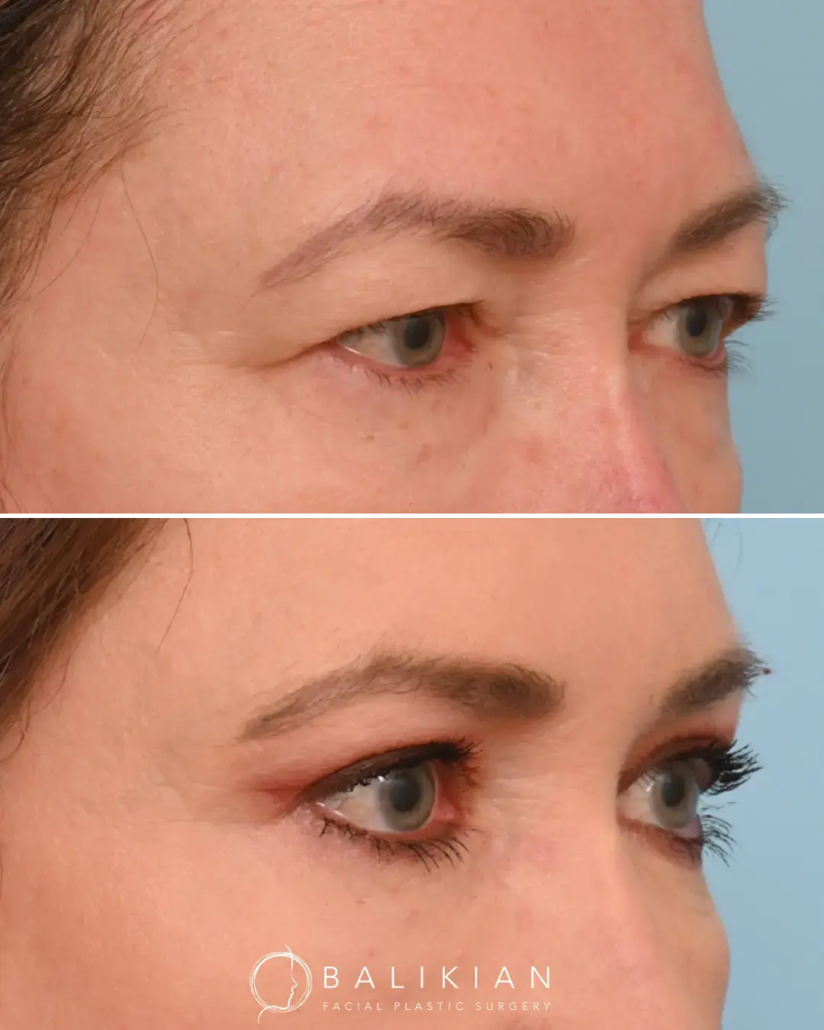
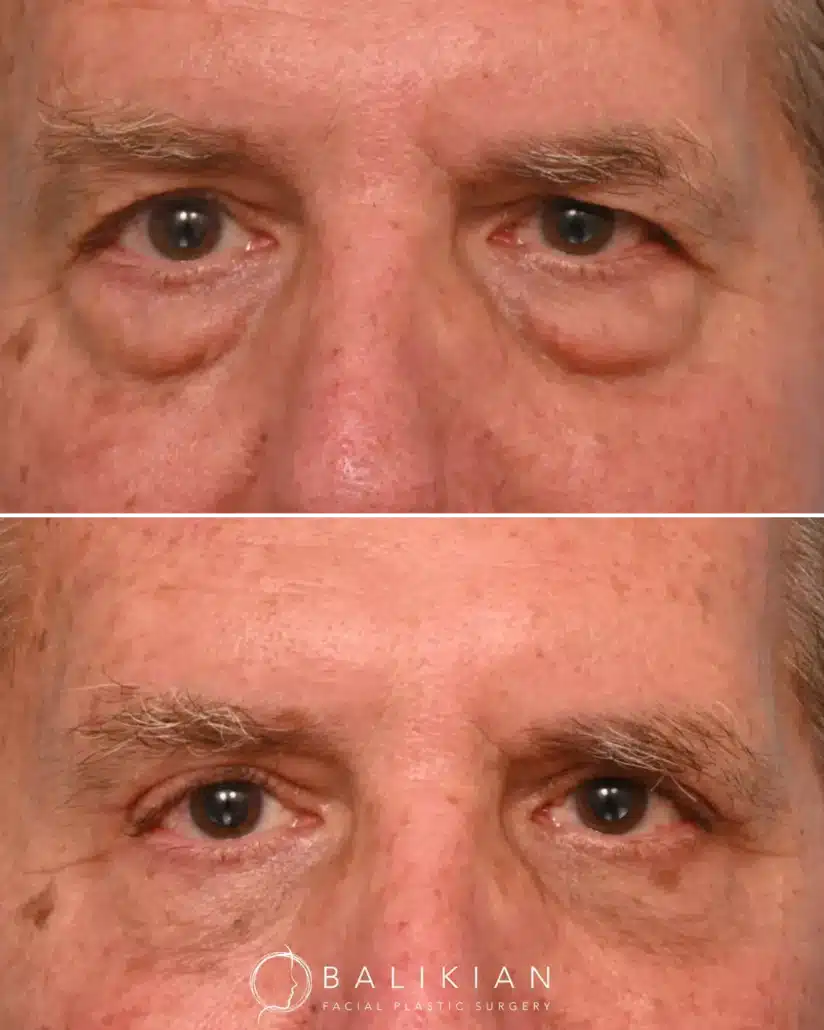

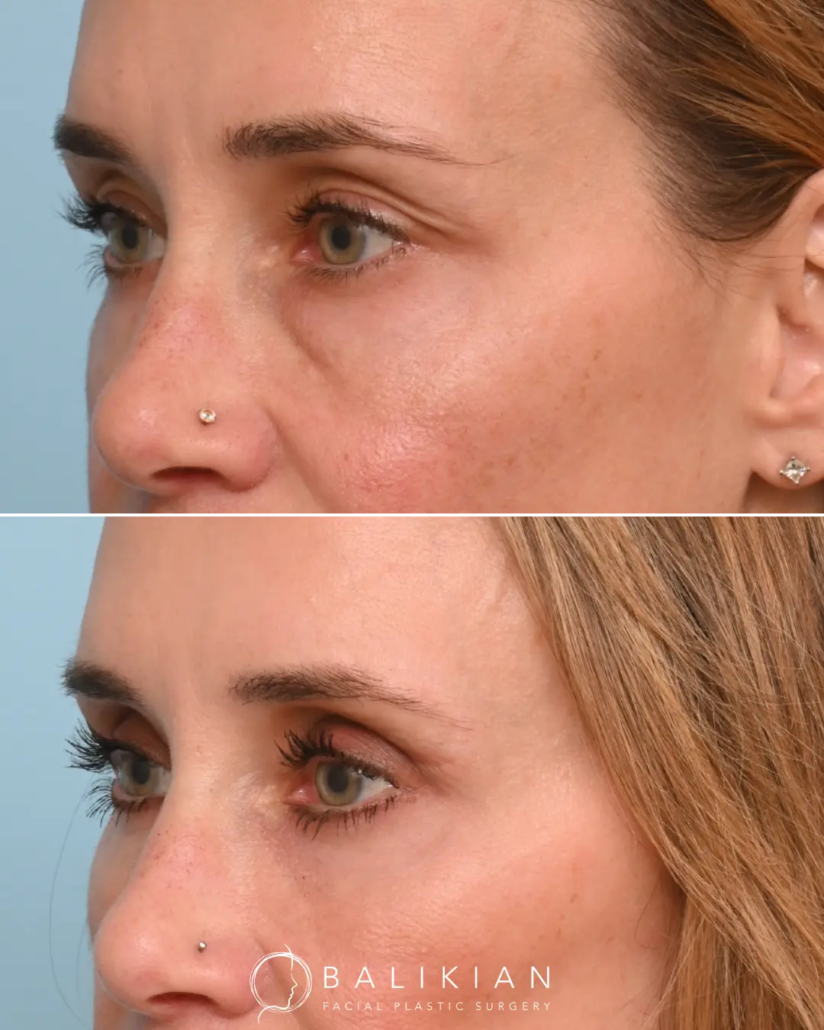


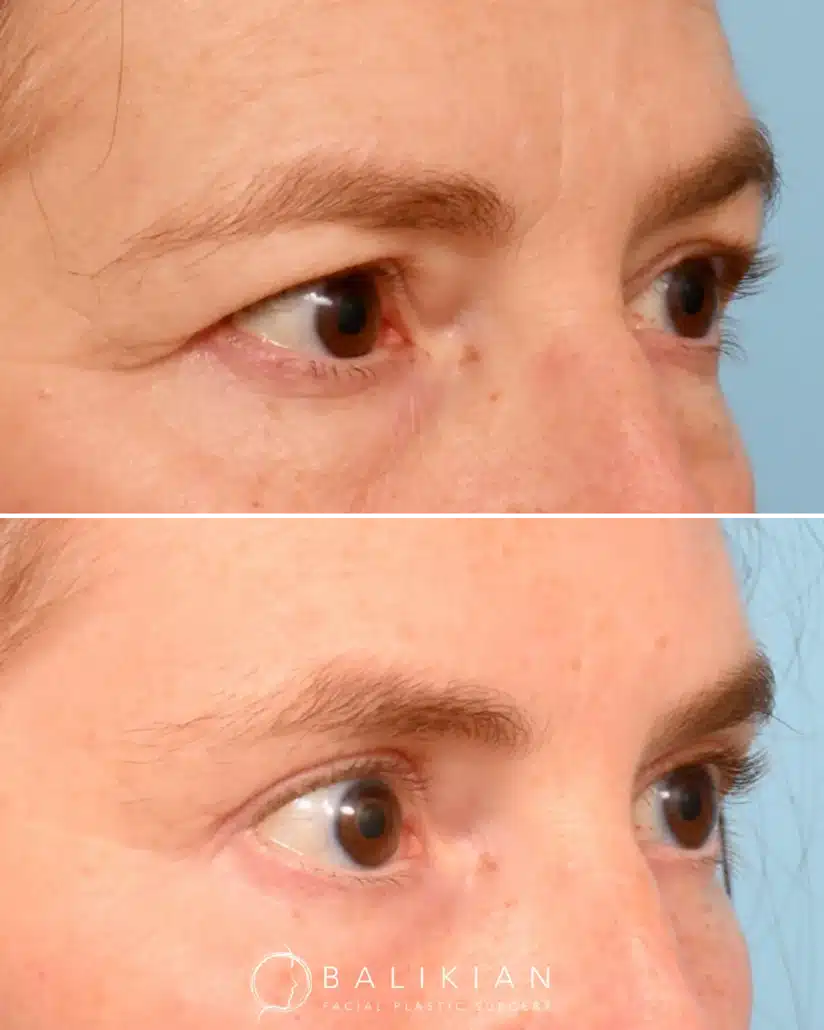

Different techniques are used depending on the underlying cause of the concern. Subtle differences in structure can significantly influence the best approach, which is why eyelid surgery requires careful evaluation and restraint.
By tailoring the technique to the individual, it is possible to enhance the eyes while preserving their natural contour.
Excess skin and fullness can create a sense of heaviness in the upper eyelids and, in some cases, may interfere with the field of vision. These changes can make the eyes appear tired or less defined over time.
Correction focuses on restoring a more open and balanced upper eyelid by addressing the appropriate amount of skin and underlying fullness while preserving the natural contour of the crease.
In some cases, heaviness of the upper eyelids is influenced not only by excess skin, but by the position of the brow. As the brow descends over time, it can contribute to a more tired or heavy appearance in the upper eyelid.
Addressing brow position can help restore balance to the upper face and improve the overall result when appropriate.
When addressed thoughtfully, brow position can be refined in a way that enhances the eyes while preserving natural proportion and expression.
Under-eye bags and contour irregularities are often related to changes in fat position and the support structures of the lower eyelid. As fat shifts forward and surrounding areas lose volume, a contrast develops between fullness and hollowing that contributes to a tired appearance.
Rather than removing fat, it is frequently repositioned to smooth the transition between the eyelid and cheek. This approach restores a more continuous contour, reducing shadows and creating a more natural, balanced result.
Preservation-based techniques reflect a more refined approach to eyelid surgery, where restraint and precision guide each decision. Rather than removing tissue, the goal is to work with the underlying anatomy to restore balance and maintain natural expression.
Each technique is selected based on anatomy, not a fixed surgical template.
Natural results in eyelid surgery are not defined by how much is removed, but by how well balance is restored. The goal is not to change the shape of the eyes, but to reduce signs of fatigue while preserving expression and contour. This is achieved through a combination of careful planning, structural understanding, and restraint during surgery.

In the above video, Dr. Balikian explains how the eyelid functions as a layered structure and why addressing deeper anatomy is essential to achieving natural-looking results. By understanding how skin, muscle, and fat interact, it becomes clear why preservation and repositioning techniques create a more balanced and refined outcome.
Every patient presents with a different combination of structural changes, which is why outcomes vary. Some patients may have excess skin as the primary concern, while others are affected more by fat position, volume loss, or changes in support.
A tailored approach allows each of these factors to be addressed appropriately. By restoring balance between fullness and hollowing, refining contour, and preserving natural structure, the result is a more rested appearance that does not look overcorrected or artificial.
Recovery after blepharoplasty is typically well tolerated and follows a predictable course. Because the eyelids are delicate, some swelling and bruising are expected early on, but these changes improve steadily over the first one to two weeks.
Most patients return to light activity within one week. Makeup can typically be applied after 10 to 14 days, and more strenuous exercise is avoided for approximately two weeks. As swelling subsides, the eyelids continue to refine, revealing a more natural and balanced contour over time.
In addition to surgical technique, Dr. Balikian incorporates advanced recovery strategies designed to support healing at a cellular level.
Photobiomodulation uses specific wavelengths of light to stimulate cellular activity, improve circulation, and reduce inflammation. When used before and after surgery, it can help decrease swelling, support tissue repair, and promote a more efficient healing response.

This approach reflects a broader philosophy of optimizing recovery rather than simply waiting for healing to occur. By supporting the underlying biology of healing, patients often experience a smoother recovery process with less downtime and more predictable results.
Healing is not left to chance. It is guided by a series of deliberate decisions made before, during, and after surgery.
Together, these factors create a more controlled healing process, allowing results to develop naturally with less disruption and greater predictability.
Subtle differences in anatomy can significantly influence the best approach. Determining candidacy requires understanding not just what is visible, but what is happening beneath the surface.
Blepharoplasty may be considered if you:
A consultation allows for a detailed evaluation of your anatomy and the underlying causes of these concerns.
How long does it take to see results after blepharoplasty?
You’ll see an early refresh as bruising and swelling settle in 1–2 weeks; definition continues to refine for several months as tissues fully heal. This timeline is consistent with oculoplastic literature on lower-lid recovery and skin remodeling.
Are the results of blepharoplasty permanent?
Aging continues, but a well-planned upper and/or lower blepharoplasty delivers long-lasting brightness and contour improvement. Longevity reflects choosing the right approach (fat preservation/repositioning vs removal; transconjunctival vs skin pinch) based on your anatomy.
What’s the difference between upper and lower blepharoplasty?
Upper blepharoplasty removes excess skin and fat from the upper eyelids, improving heaviness and hooding.
Lower blepharoplasty targets puffiness or bags beneath the eyes, smoothing and tightening the under-eye area.
Will eyelid surgery change my eye shape?
When performed by an experienced facial plastic surgeon, blepharoplasty enhances the natural contours of your eyes without altering their shape. The goal is a subtle, refreshed look that still feels like you.
Is eyelid surgery painful and when can I wear makeup?
Most patients describe tightness more than pain; medication and cooling help the first few days. Makeup typically resumes around 10–14 days once incisions have sealed and swelling subsides.
How soon can I wear makeup after blepharoplasty?
Makeup can typically be worn after 10–14 days, once incisions have healed and swelling has decreased. Dr. Balikian will provide specific post-op guidance based on your healing progress.
Can I combine blepharoplasty with other procedures?
Yes. Many patients choose to combine eyelid surgery with procedures like a facelift, brow lift, or CO₂ laser resurfacing for a more comprehensive rejuvenation. Dr. Balikian will help design a personalized plan that meets your goals.
What is “scarless” lower blepharoplasty and who is it for?
For many patients, I use a transconjunctival approach—an incision on the inside of the eyelid to reduce or redistribute fat and soften the lid–cheek junction. This avoids a skin incision and has a lower risk of lid malposition (ectropion) compared with subciliary approaches in multiple series.
When do you choose a lower-lid “skin pinch”?
If puffiness isn’t the issue and the problem is mild skin redundancy or crepiness, a tiny “pinch” of skin can be removed right under the lashes without undermining muscle or fat. It’s often paired with laser resurfacing for texture.
Do you remove or reposition fat under the eyes?
Most people look best when we reposition or conservatively sculpt fat to shorten the shadow from “bag” to “trough.” That restores smooth contour rather than hollowing the eyes. This fat-preserving philosophy is supported by classic and contemporary oculoplastic literature.
Can lasers help crepey lower-lid skin?
Yes. When crepiness is the main concern, fractional ablative CO₂ or other resurfacing lasers can tighten and smooth without over-resecting skin. These are often combined with transconjunctival fat work or a skin pinch for comprehensive results.
Can eyelid surgery improve my vision?
If overhanging upper-lid skin obstructs the visual field, an upper blepharoplasty can improve superior vision in addition to aesthetics—an outcome recognized in oculoplastic practice standards.
What raises risk for lower-lid malposition and how do you reduce it?
Unnecessary skin undermining, over-resection, and inadequate canthal support can increase the risk of lid malposition. Dr. Balikian favors transconjunctival access for fat work, a conservative skin-pinch when needed, selective lateral support, and laser for texture, an evidence-aligned strategy to keep lids in a natural position.
Dr. Balikian is an experienced, double board-certified, facial plastic surgeon. He is double board-certified both in Facial Plastic and Reconstructive Surgery as well as Head and Neck Surgery. Dr. Balikian belongs to a very select group of elite cosmetic surgeons with at least six years of specialized surgical training exclusively in aesthetic and reconstructive surgery of the face and neck.
Dr. Richard Balikian is recognized for elevating facial plastic surgery through precision, artistry and outcomes that reflect your true self.

Richard V. Balikian, MD, FACS
Double Board-Certified Facial Plastic Surgeon
Balikian Facial Plastic Surgery: Richard V. Balikian, MD, FACS


