Facial Fat Transfer Before & After Gallery
Browse our facial fat transfer gallery to see how Dr. Balikian restores volume and balance with natural, refined results.
Browse our facial fat transfer gallery to see how Dr. Balikian restores volume and balance with natural, refined results.
Facial Fat Transfer, also known as fat grafting or fat injections, is a complementary procedure used to restore youthful volume to areas such as the cheeks, under-eye hollows and temples using your body’s own fat. Rather than acting as a primary rejuvenation treatment, fat transfer is used to enhance and refine the results of facial surgery.
Dr. Richard Balikian incorporates facial fat transfer selectively, with the goal of improving facial balance and softening transitions that naturally occur with aging. When used thoughtfully, fat transfer supports a more natural, harmonious outcome by restoring volume that lifting alone cannot address.
Facial Fat Transfer is not performed on its own. It is used exclusively in combination with other facial procedures, such as a Preservation Deep Plane Facelift, deep vertical neck lift or eyelid surgery.
Structural procedures reposition and support the face. Fat transfer is then used to refine contours, address hollowing and smooth facial planes. This combined approach allows for results that look balanced and long lasting rather than overfilled or artificial.
Browse our before and after gallery to see how facial fat transfer, when thoughtfully paired with facial surgery, enhances overall rejuvenation.
By restoring volume as part of a comprehensive surgical plan, hollow or tired features appear refreshed while preserving natural expression and identity.
Facial fat transfer is used as part of comprehensive facial rejuvenation. For patients interested in how volume restoration fits into surgical planning, visit our Facelift Surgery Education hub.
(Click an image for full procedure details.)
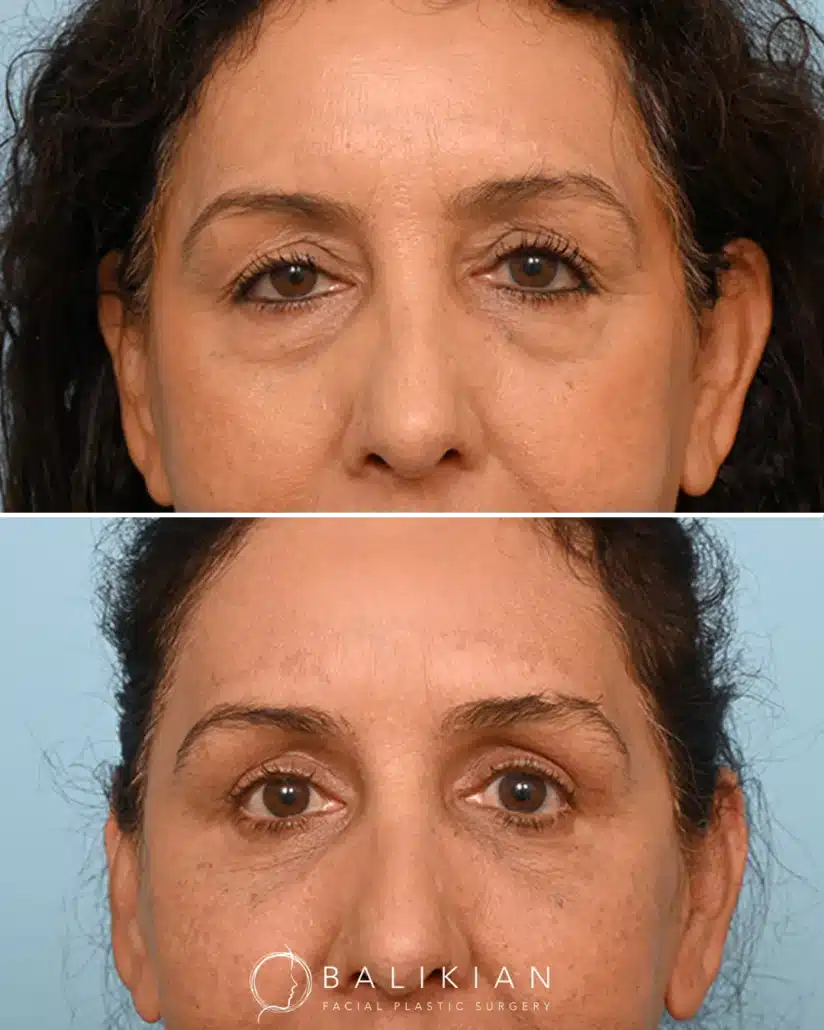
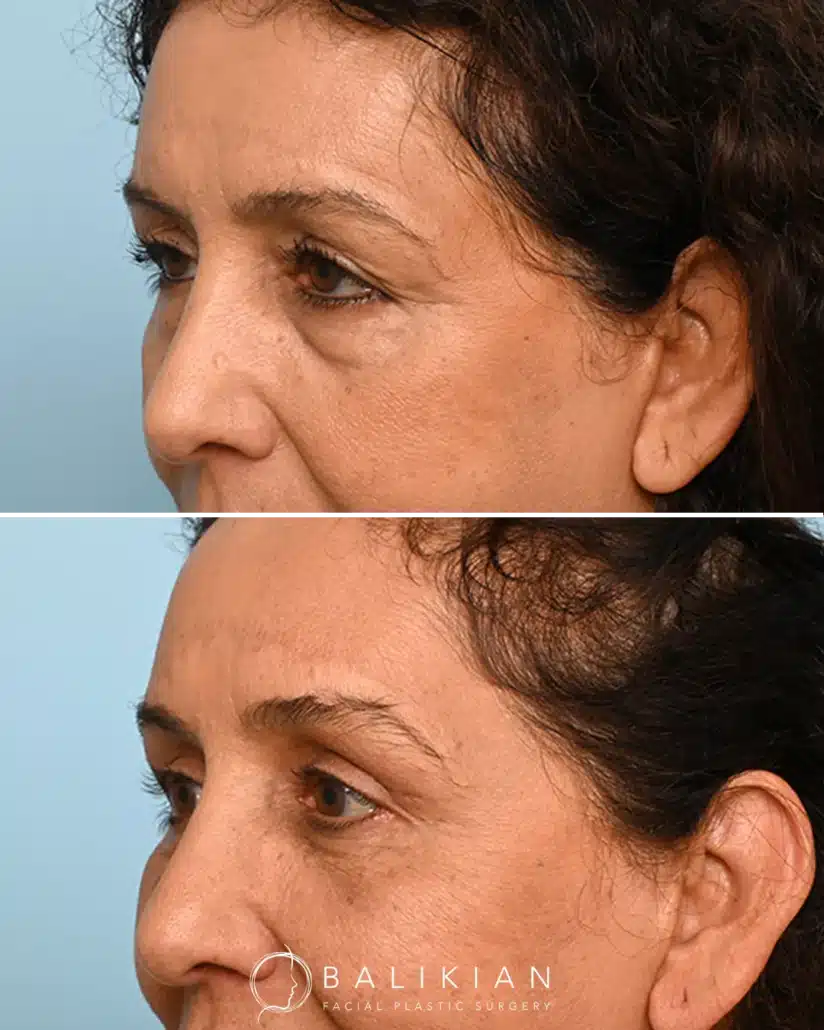
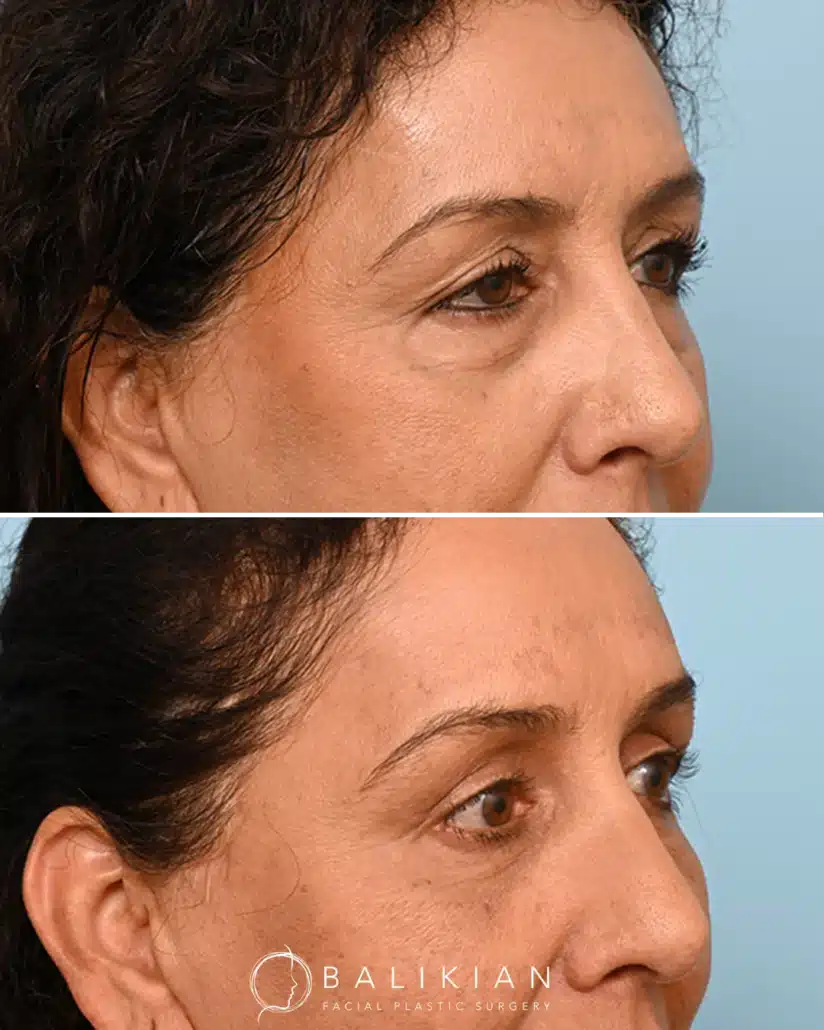

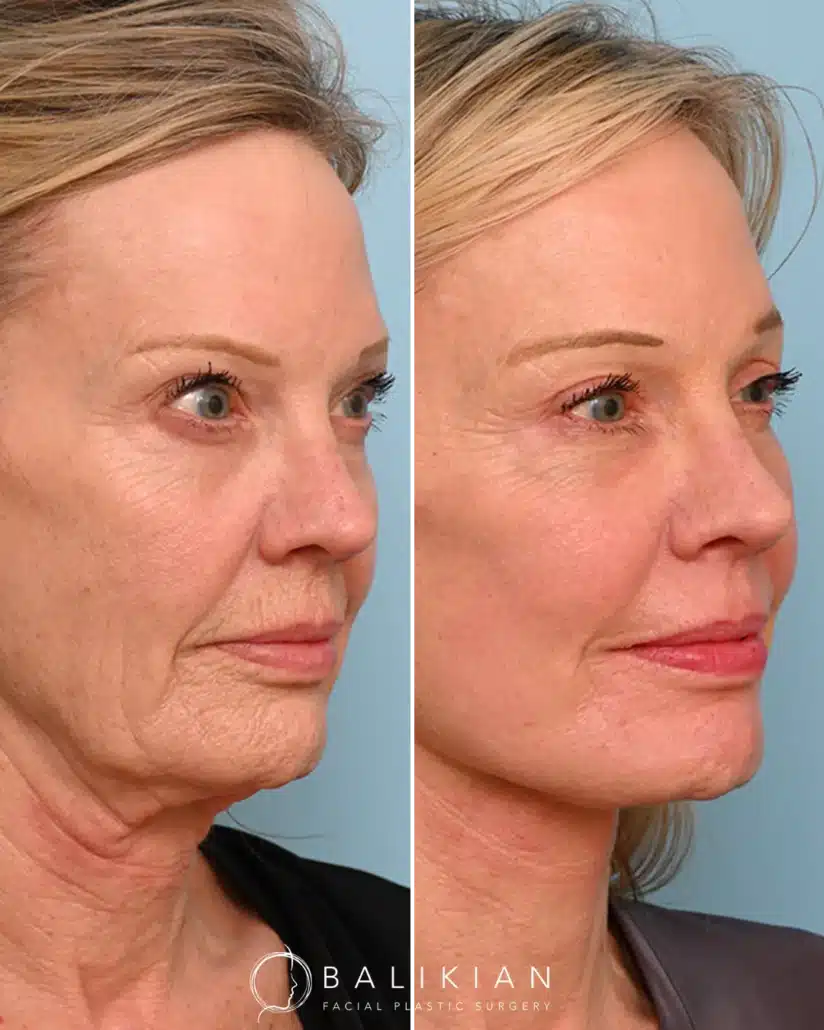
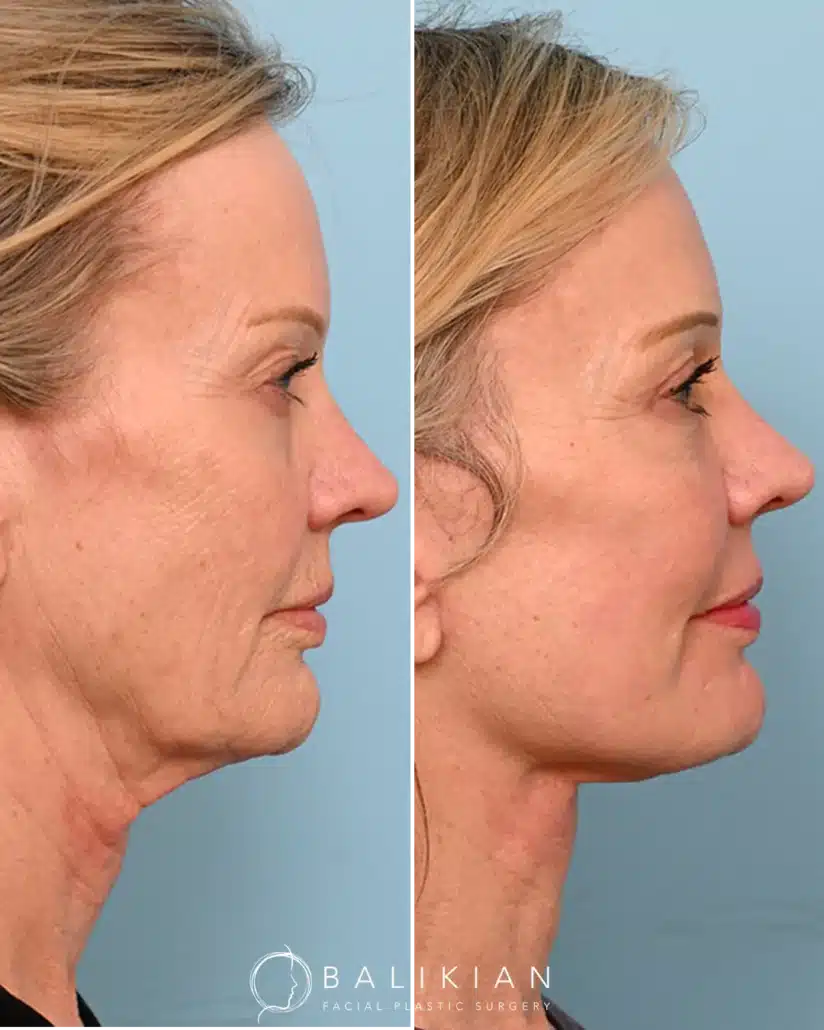


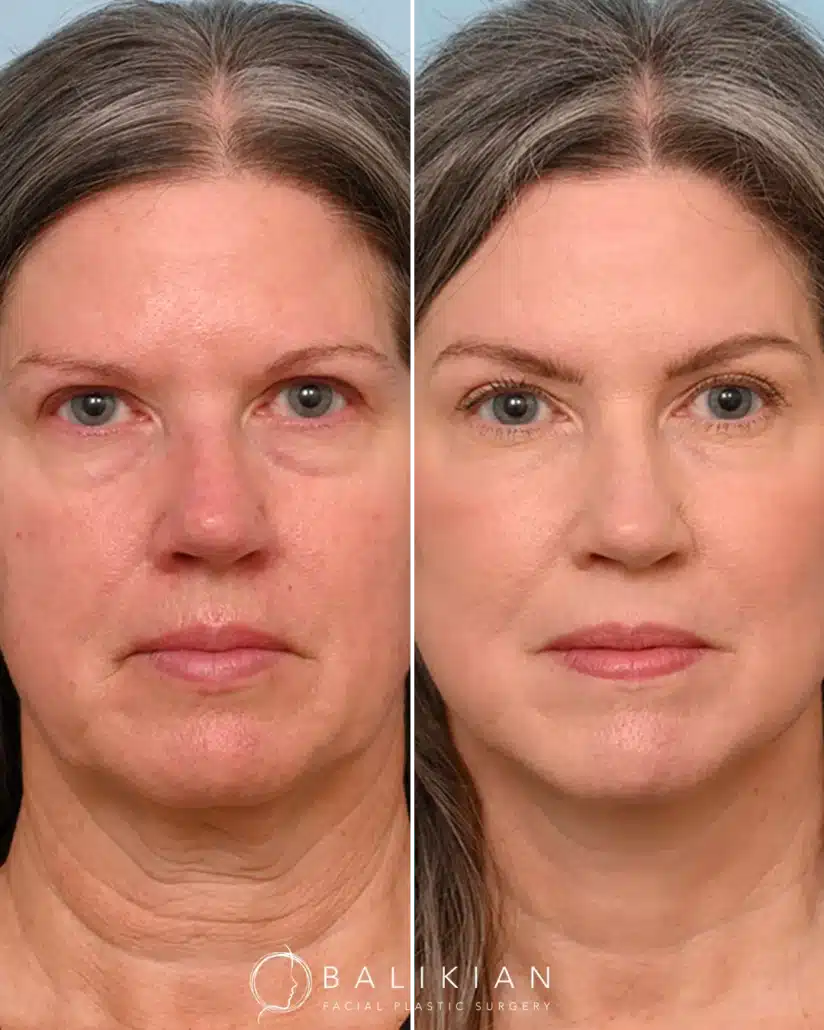

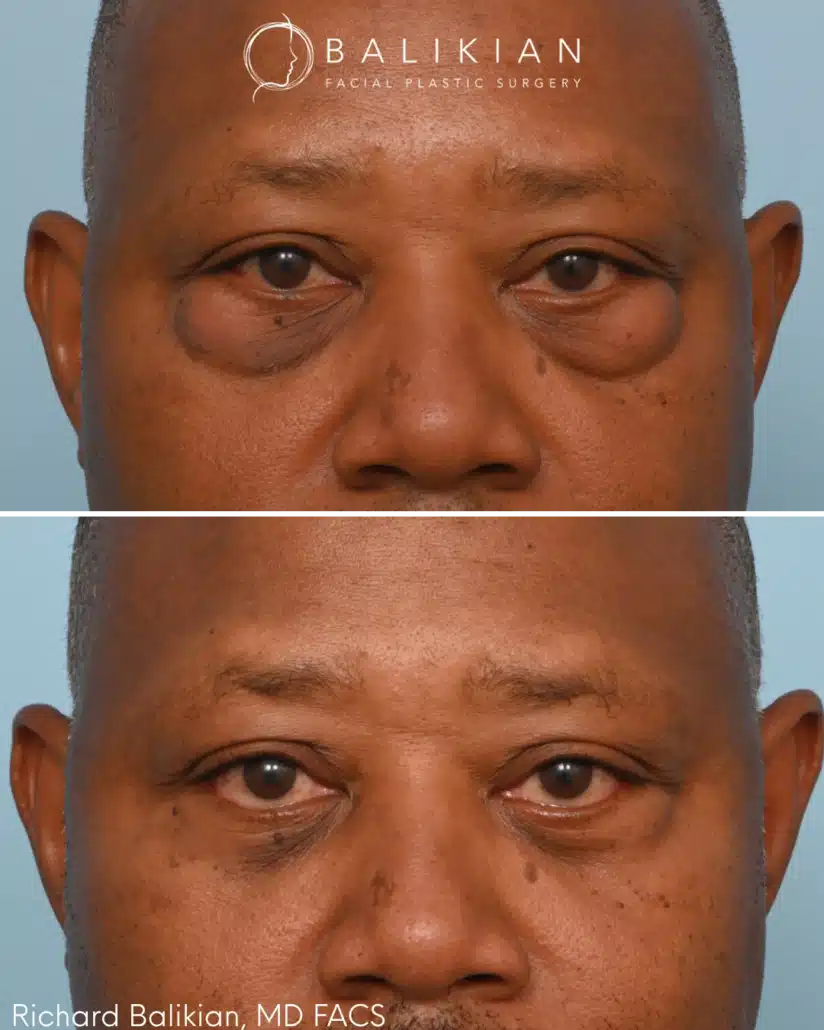
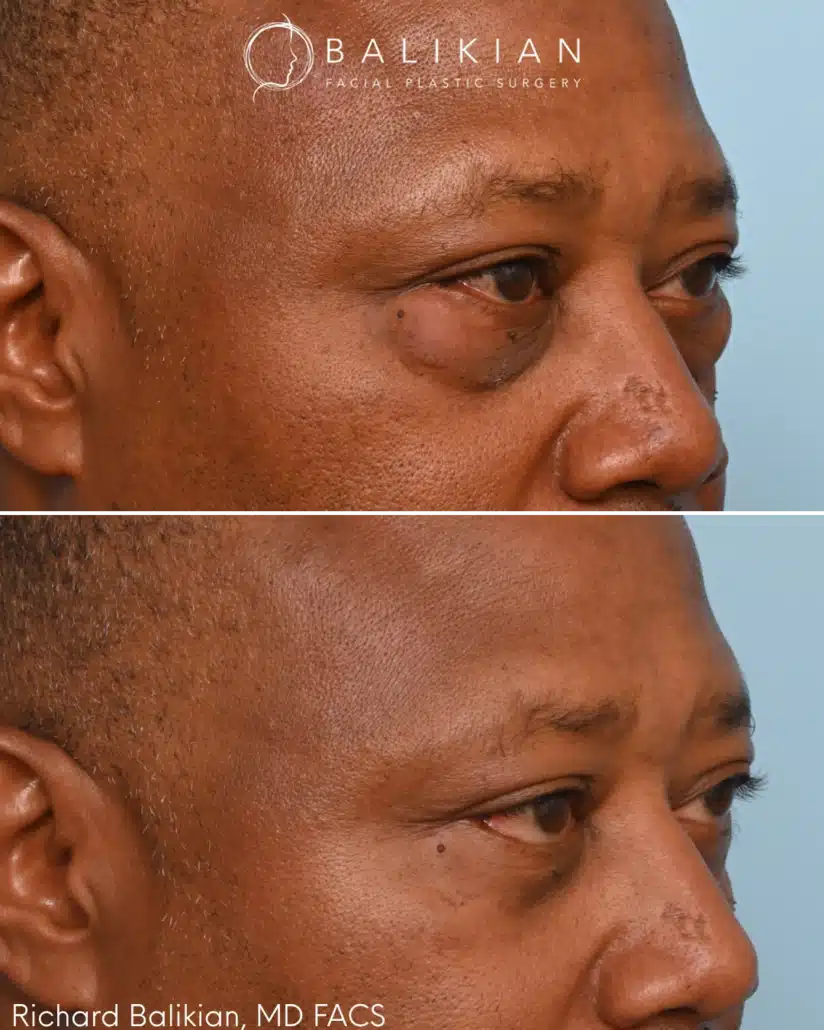
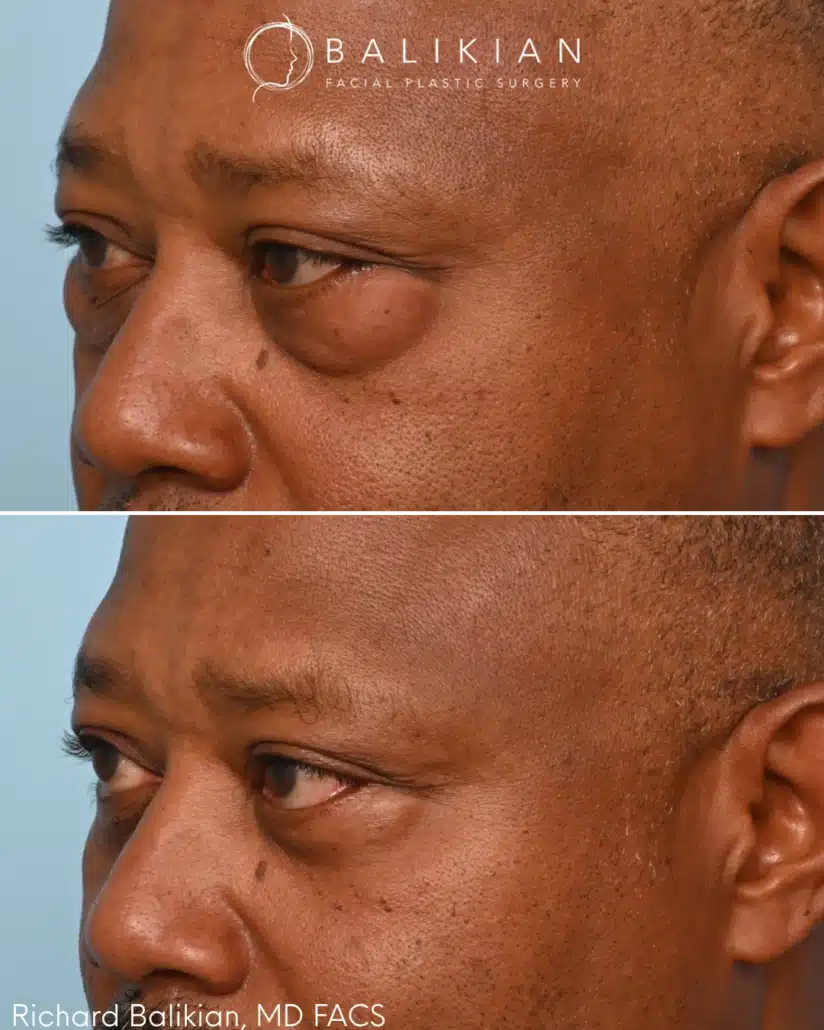

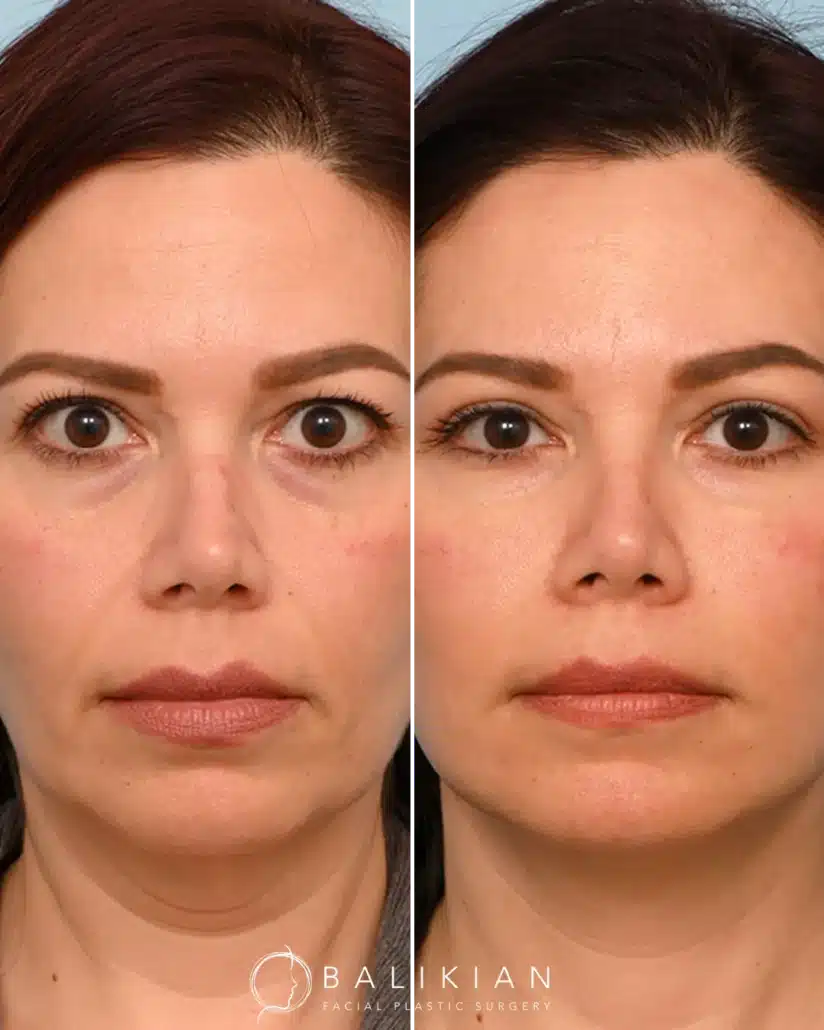
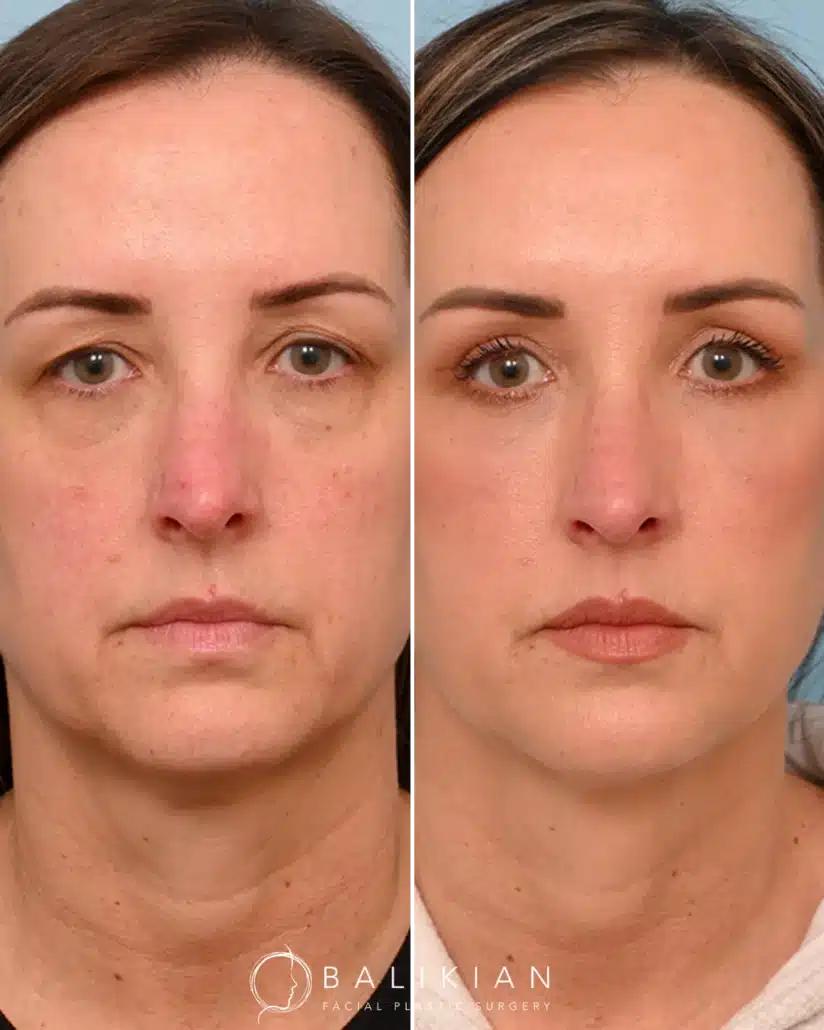
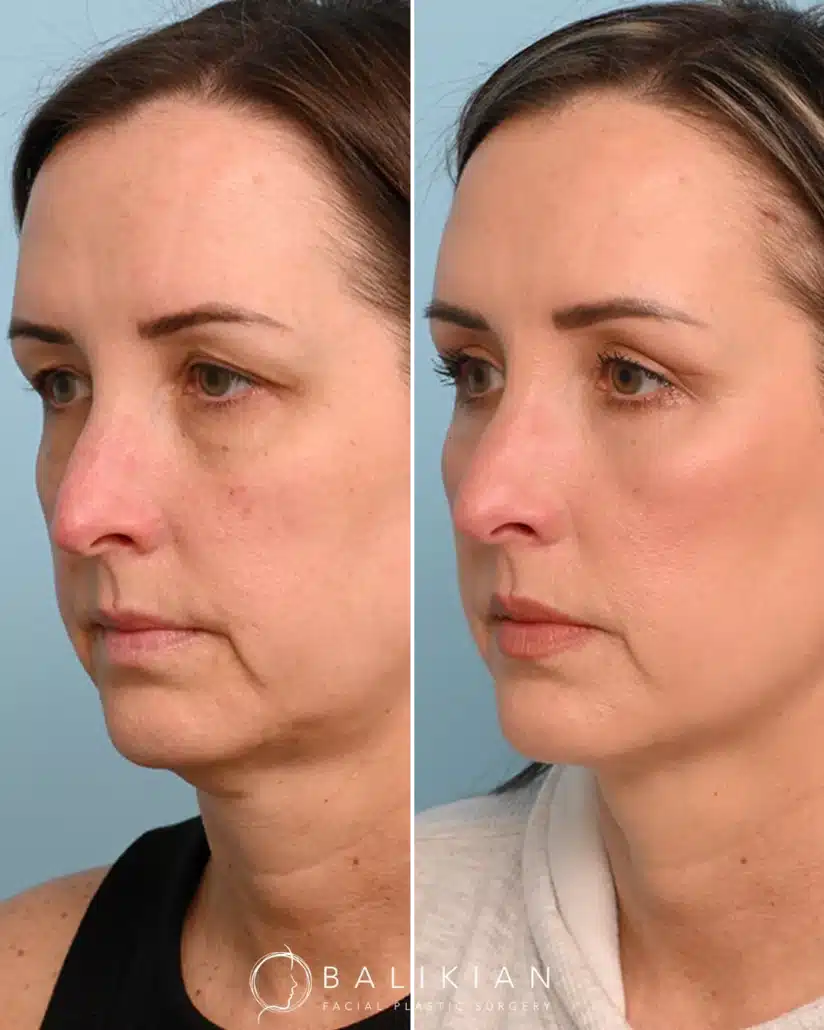
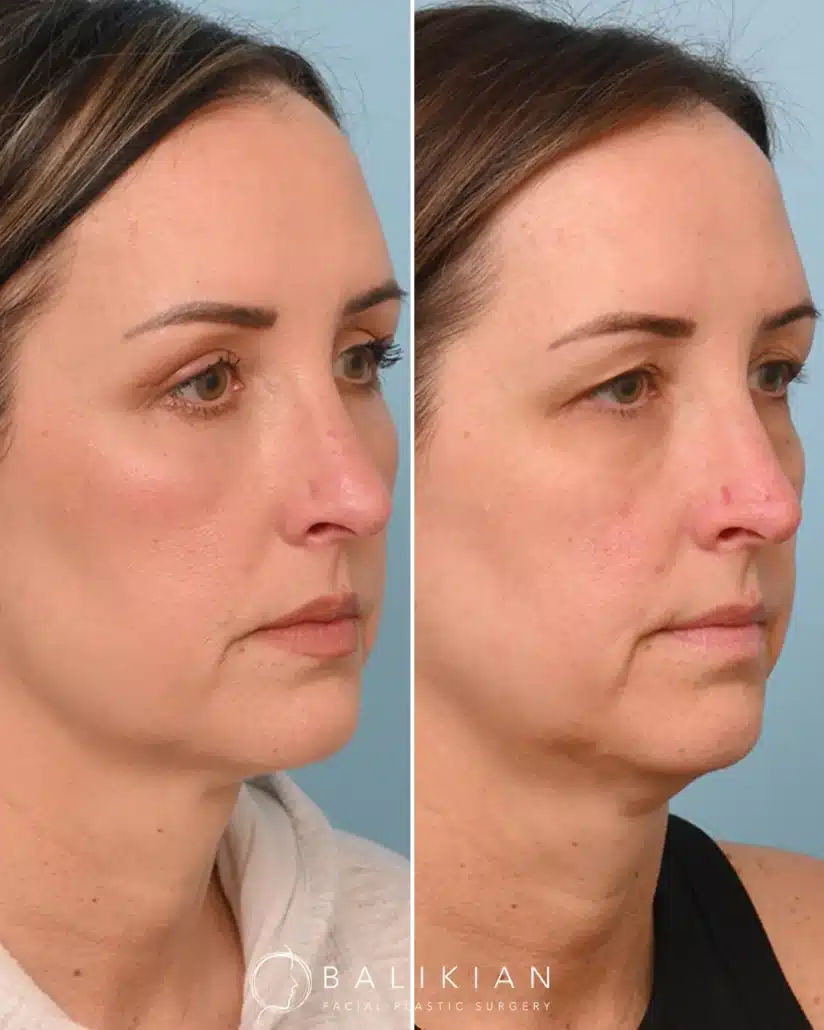
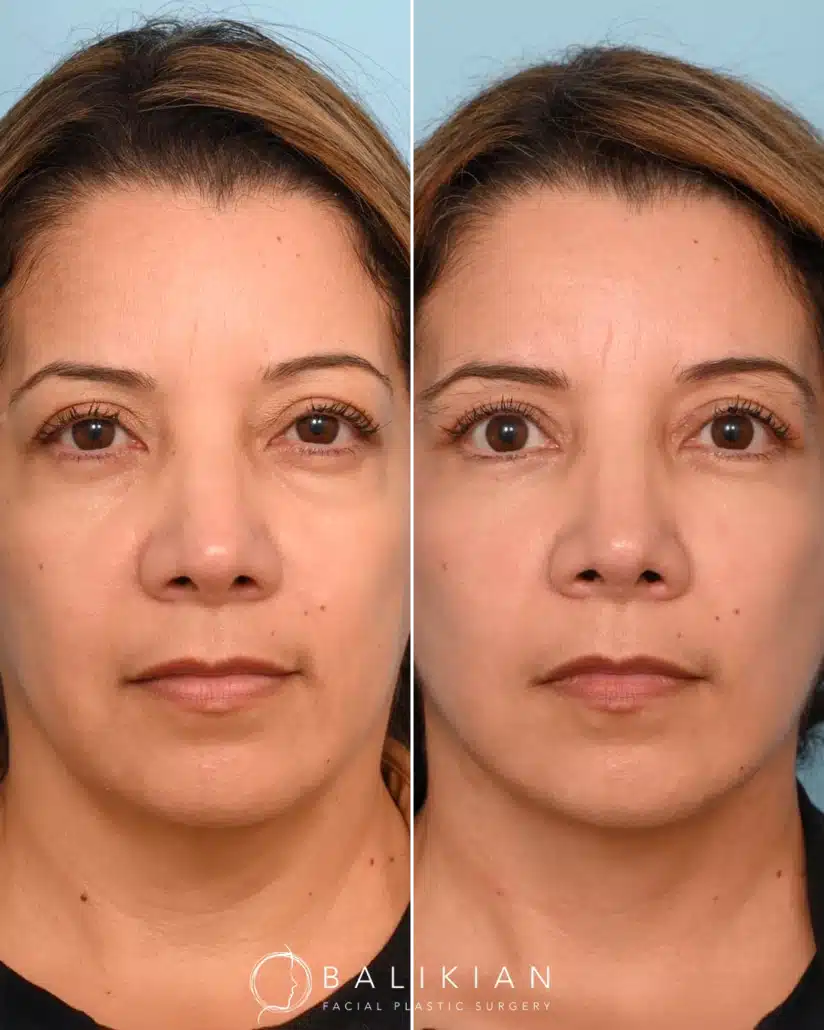
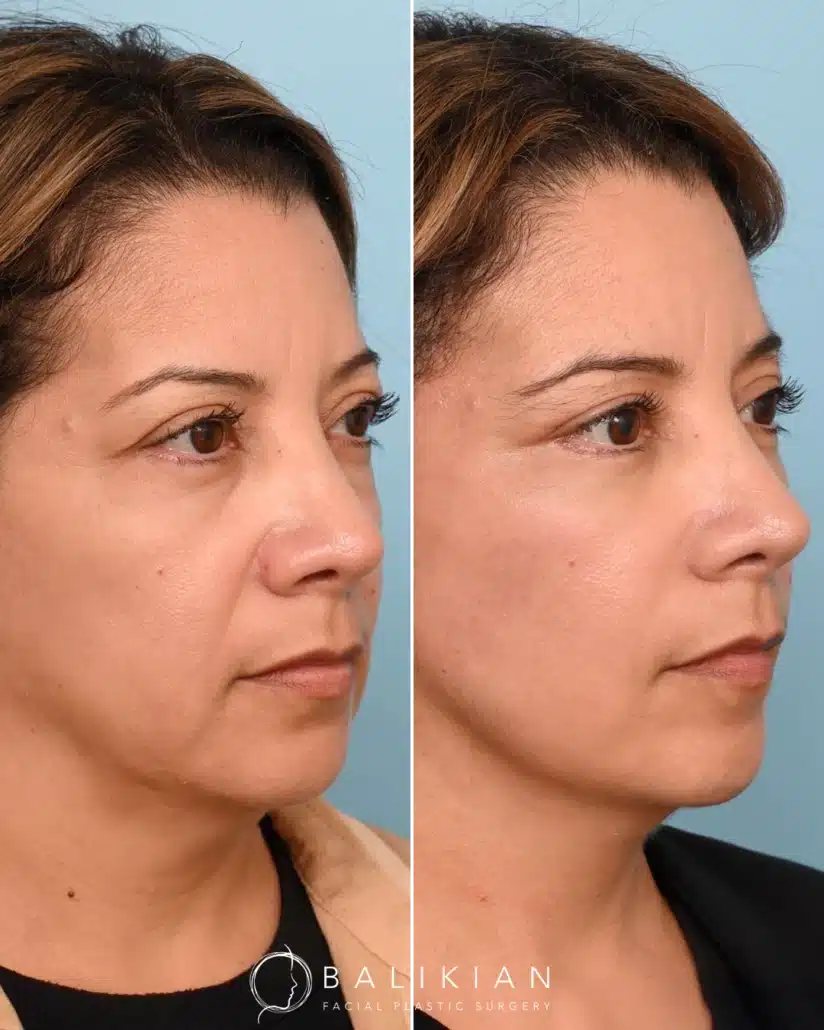
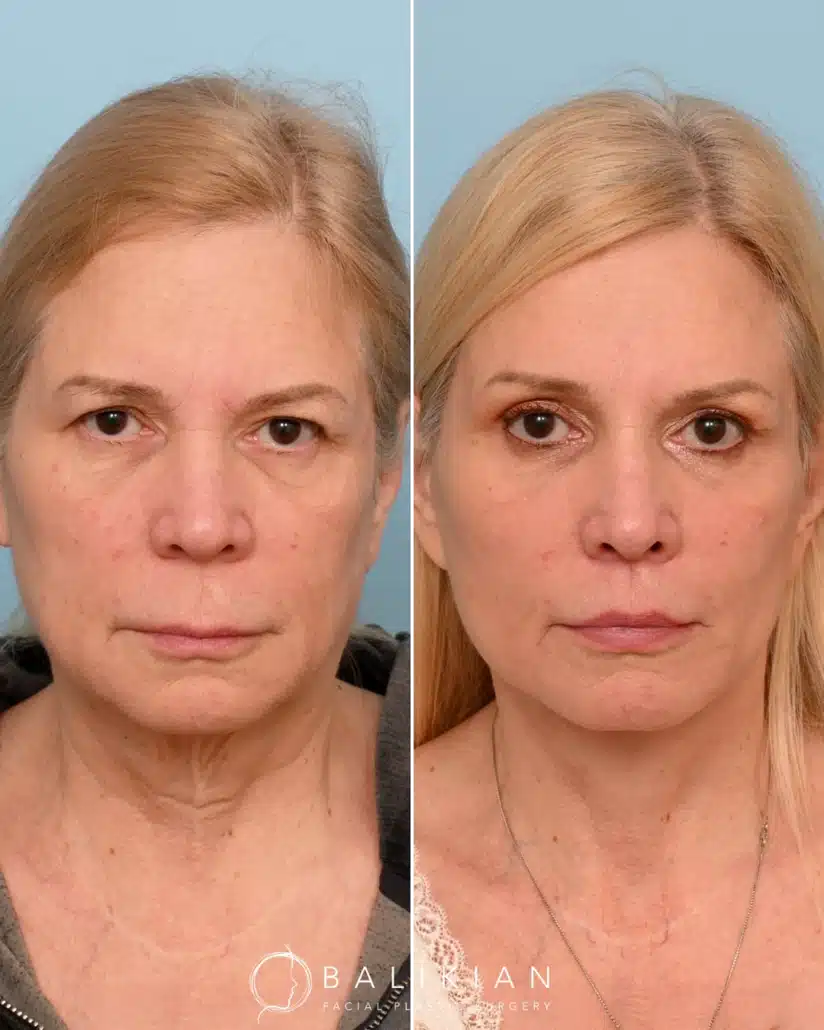
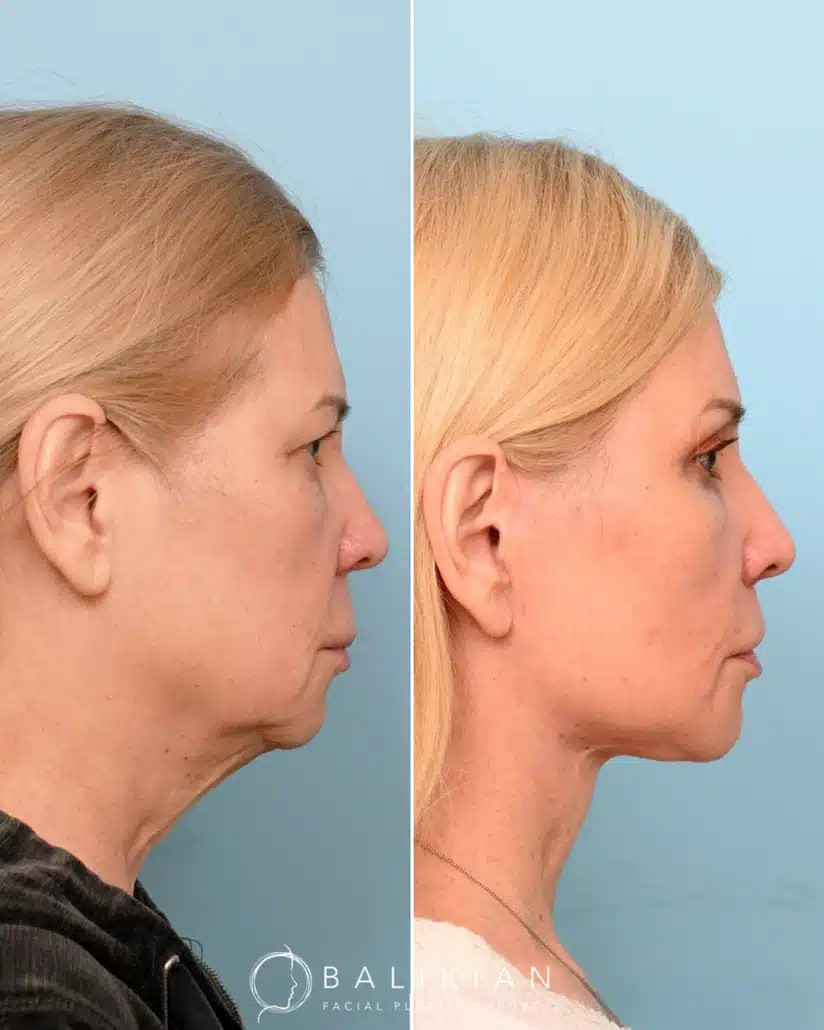
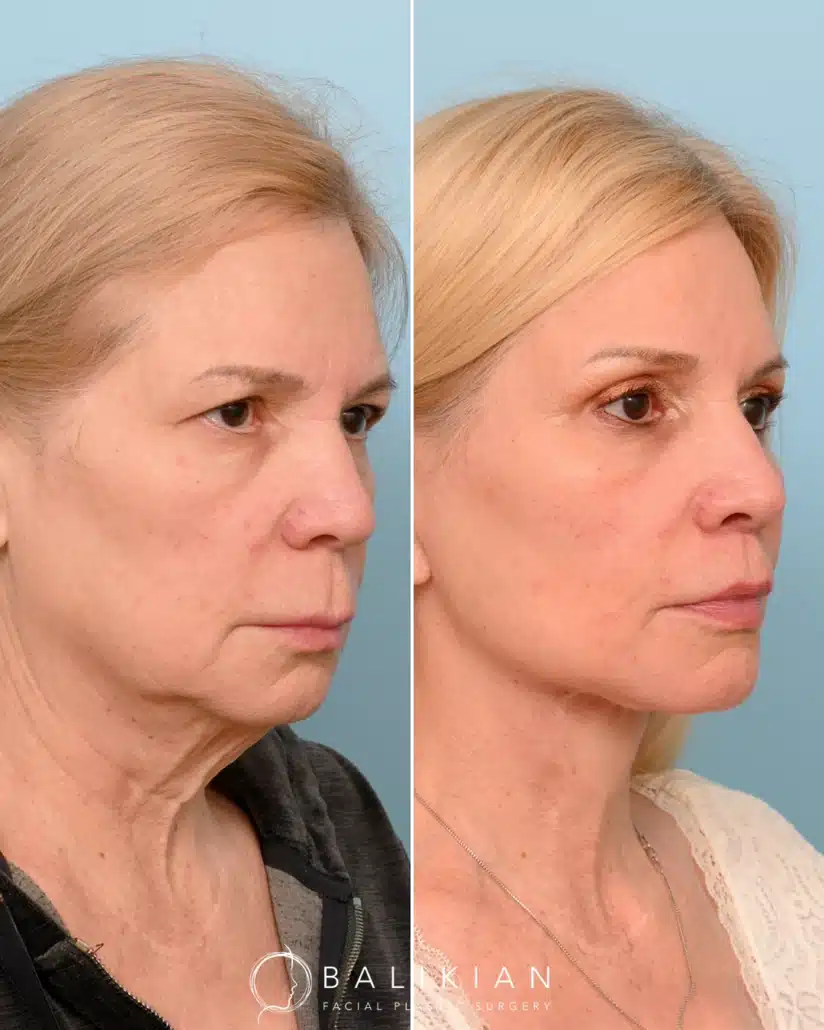
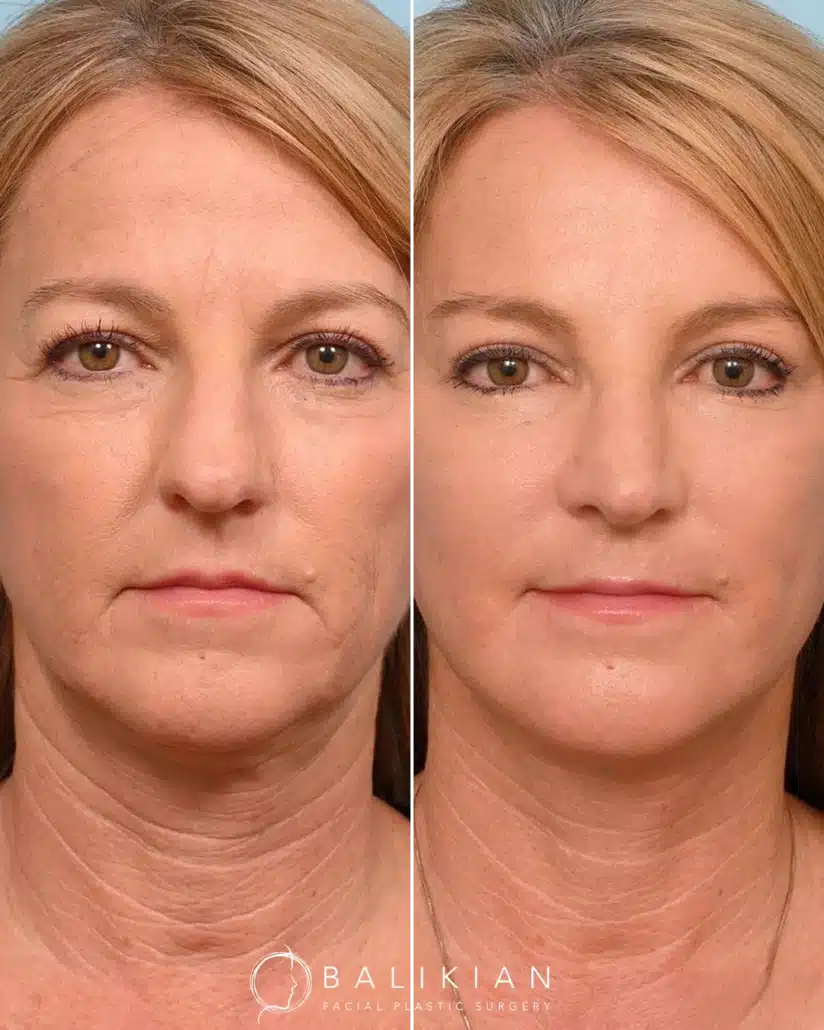
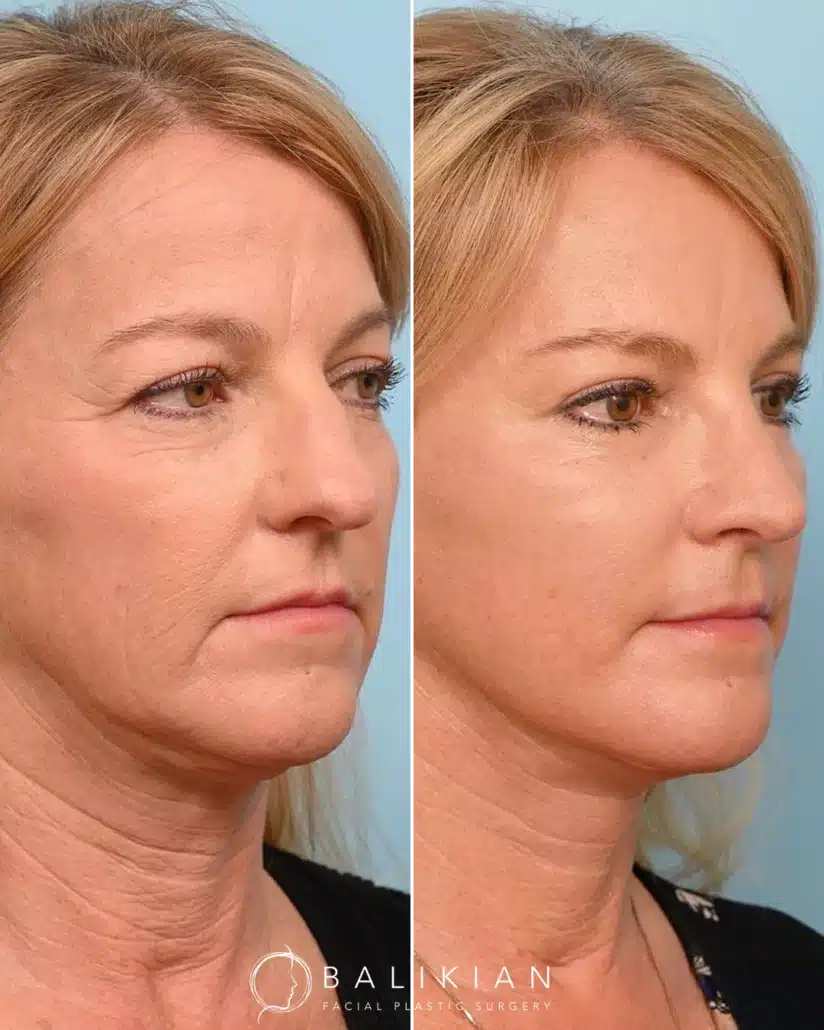
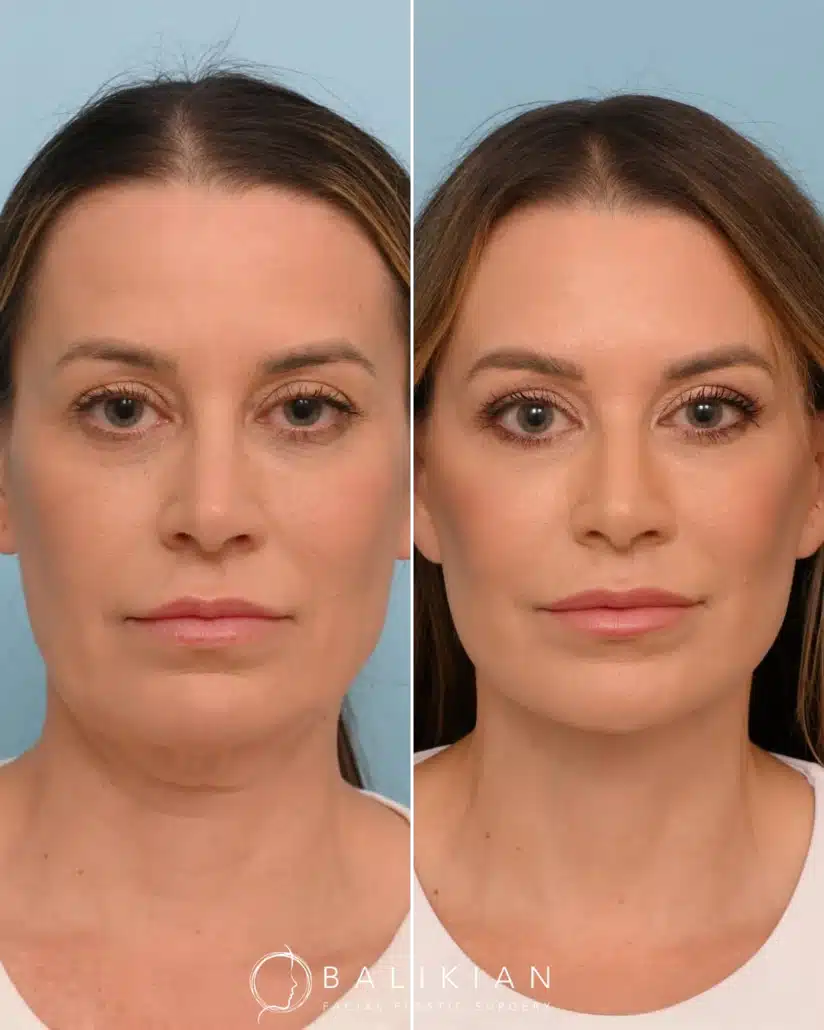
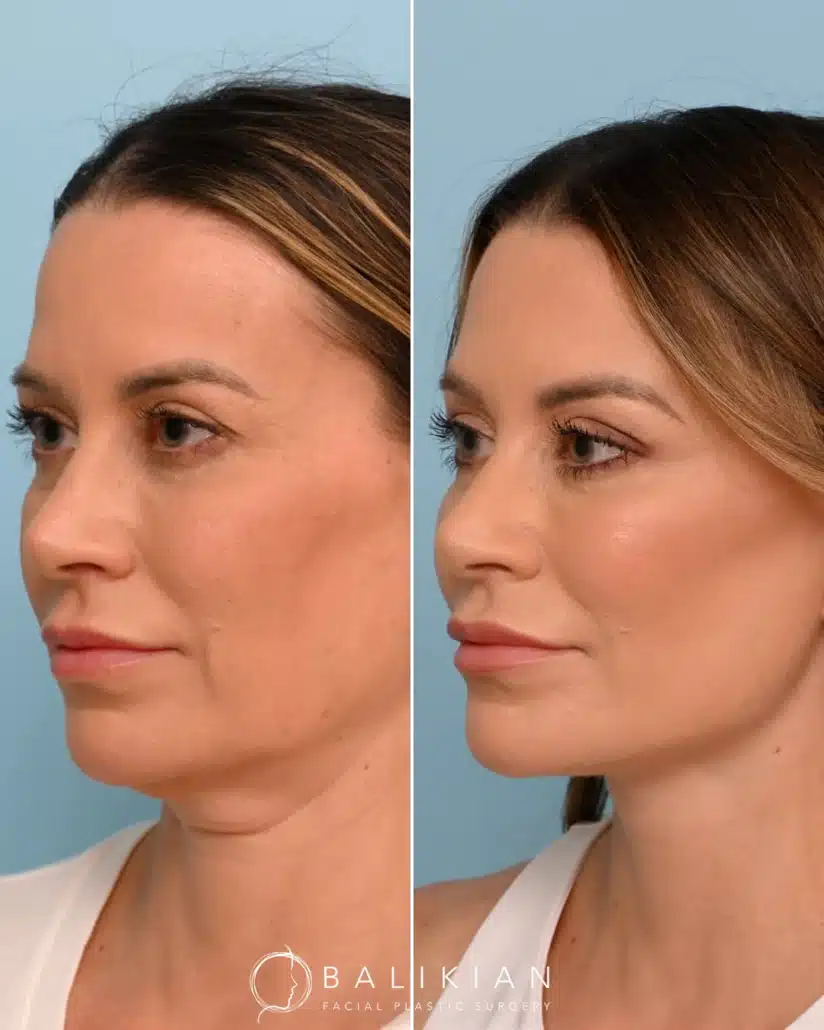
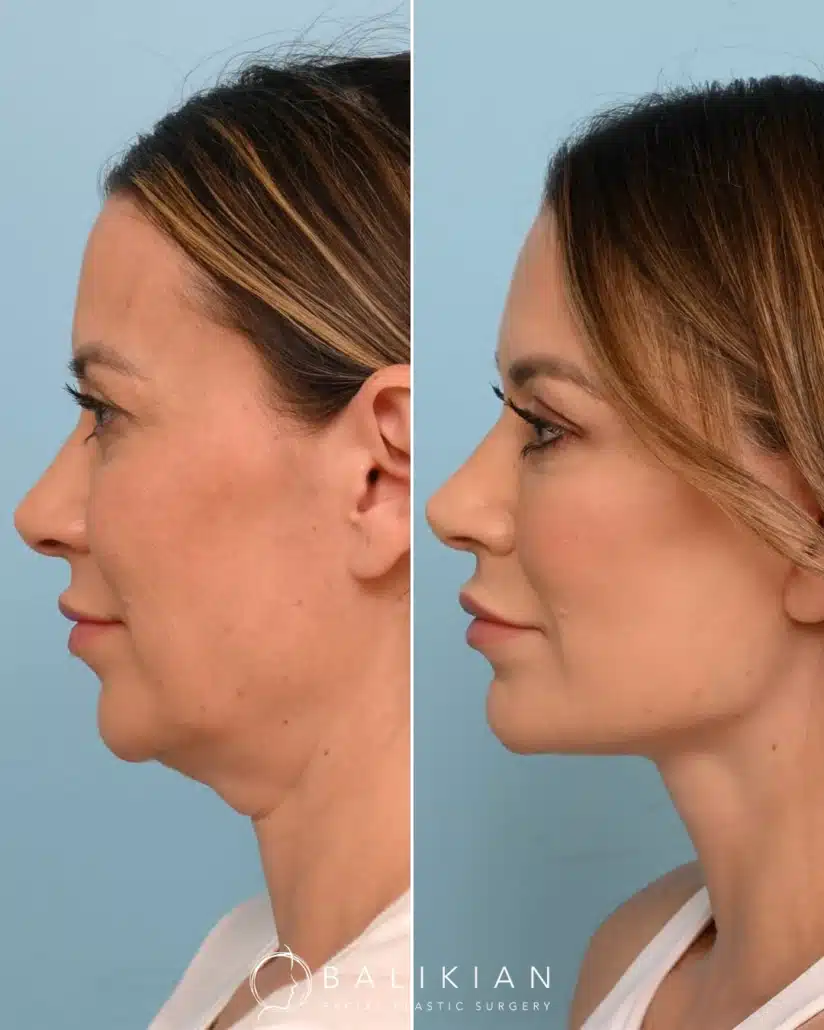
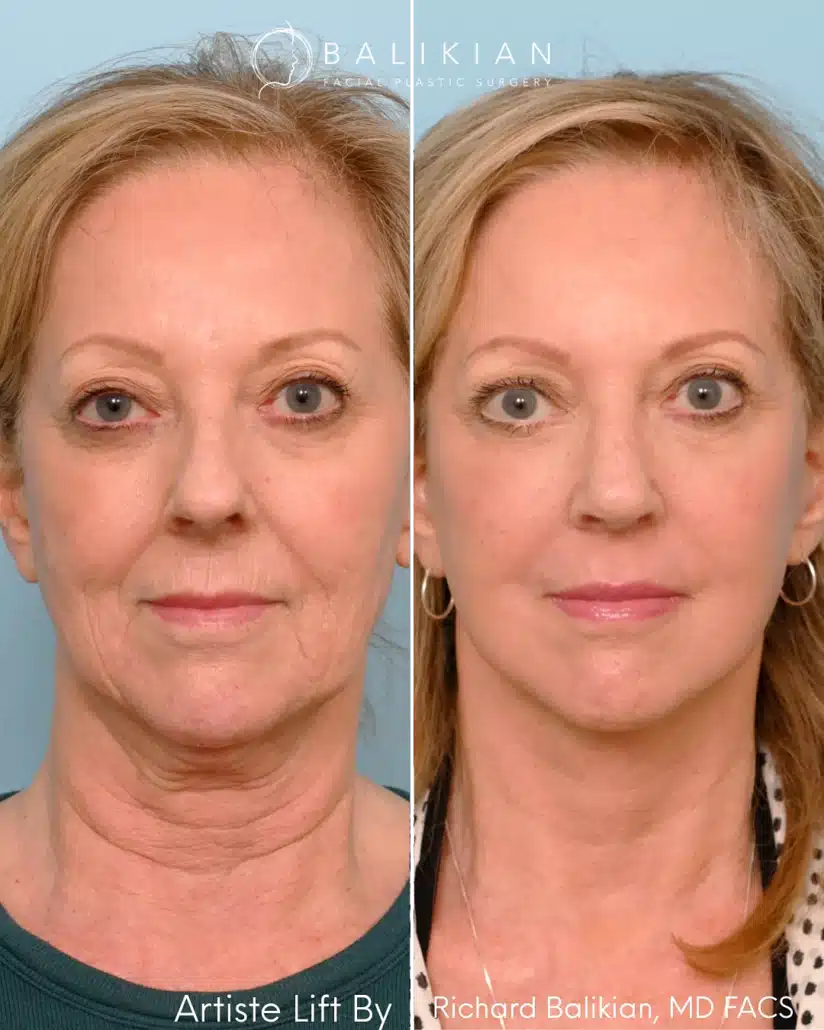
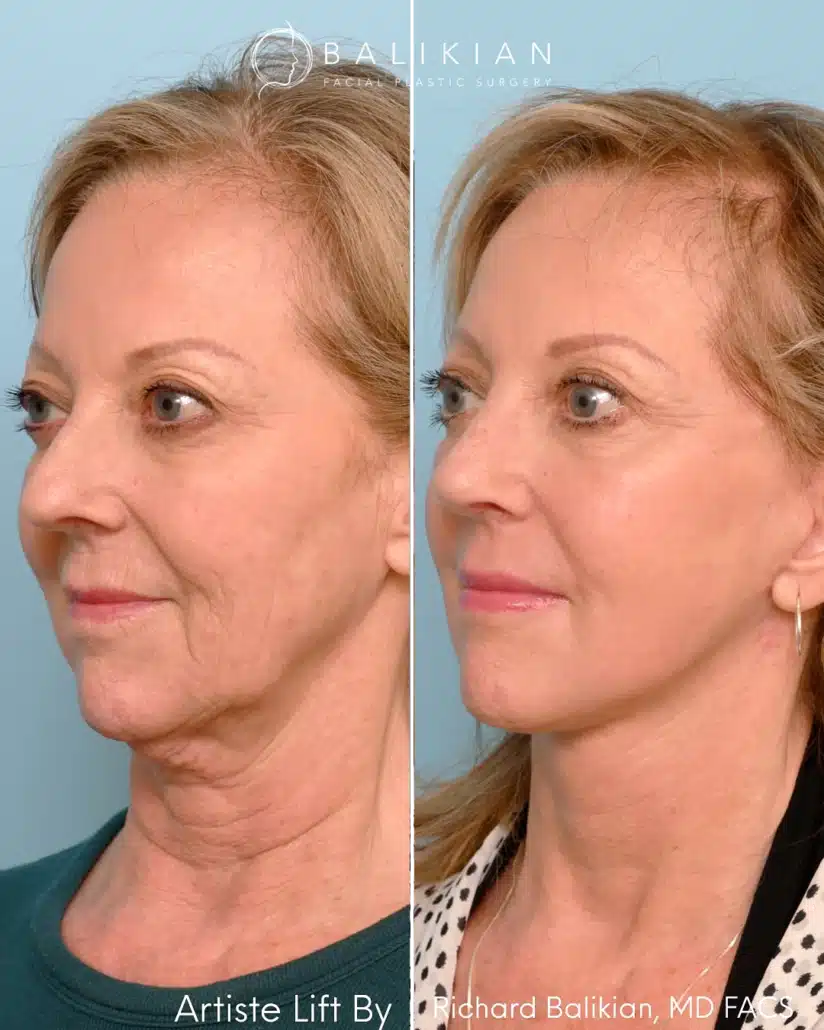
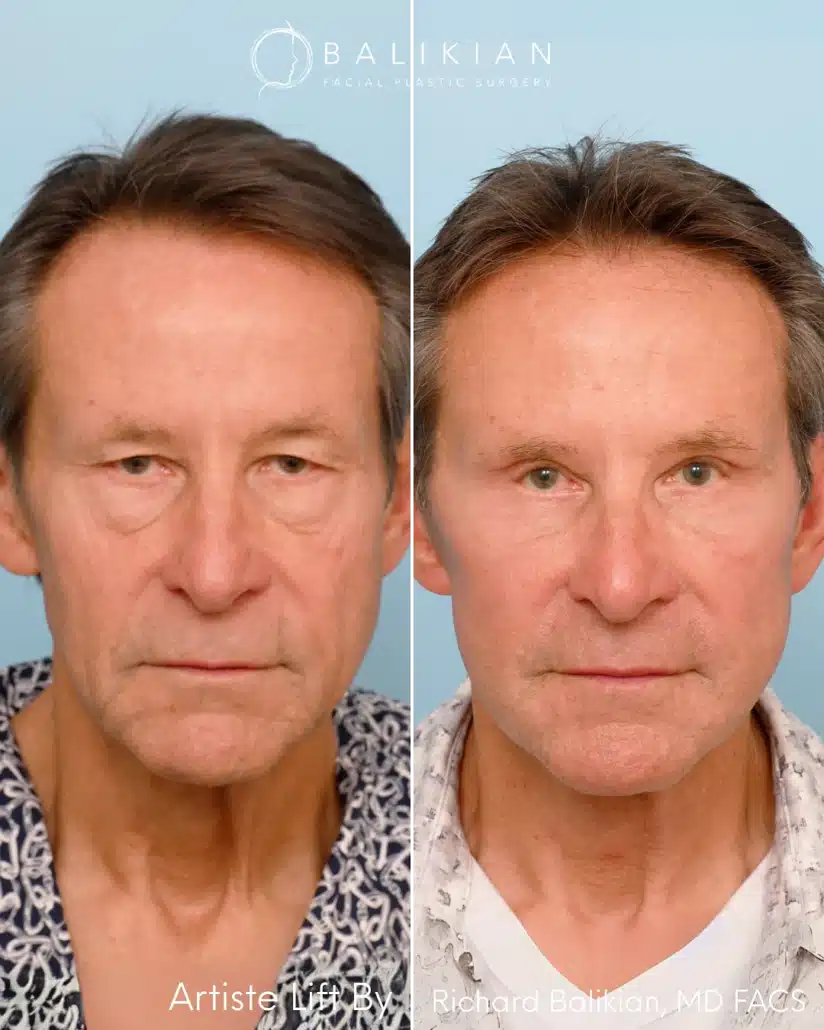
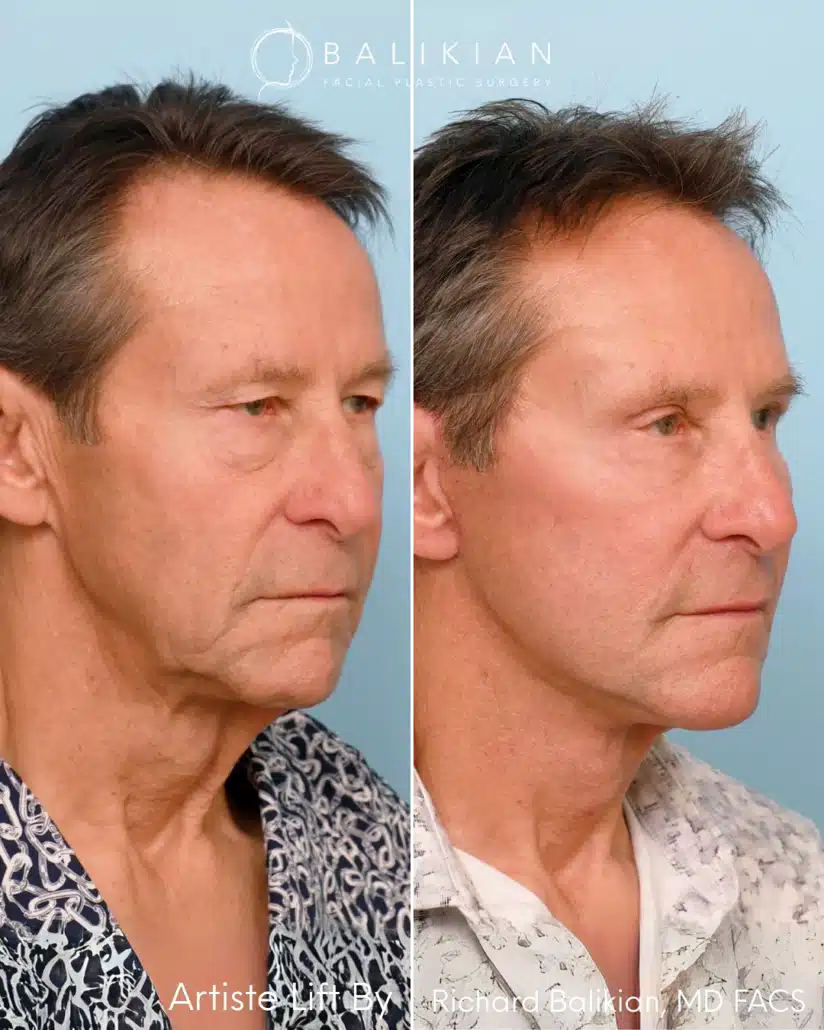
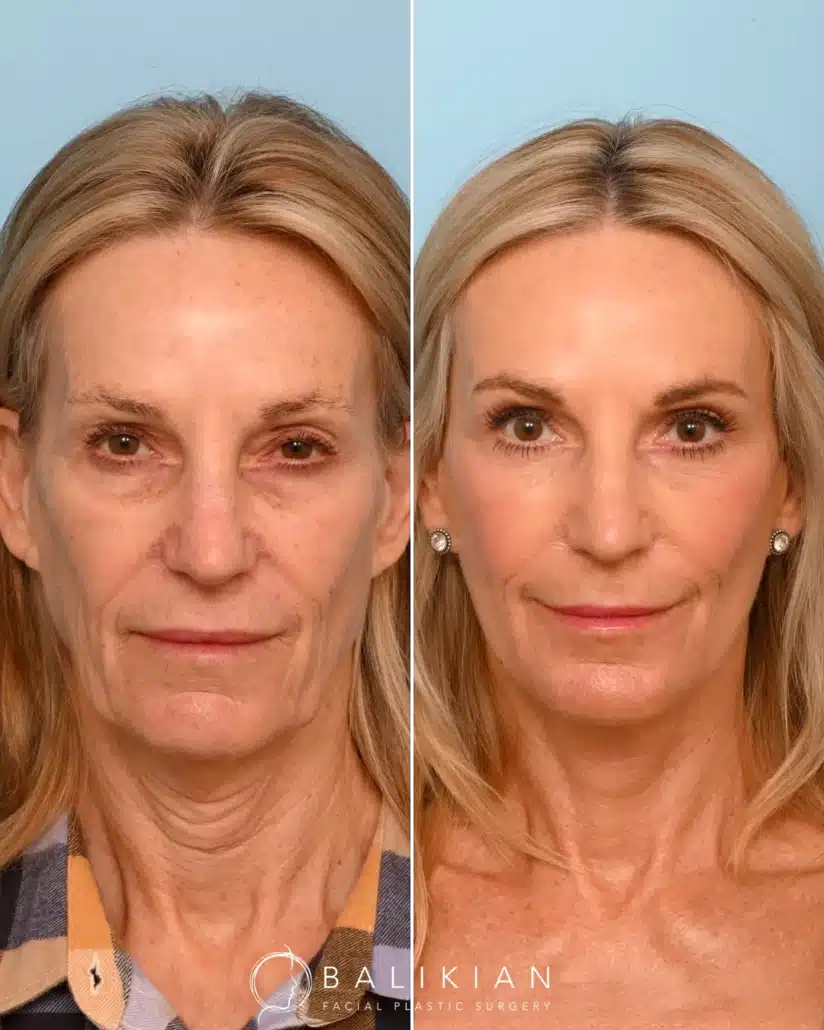
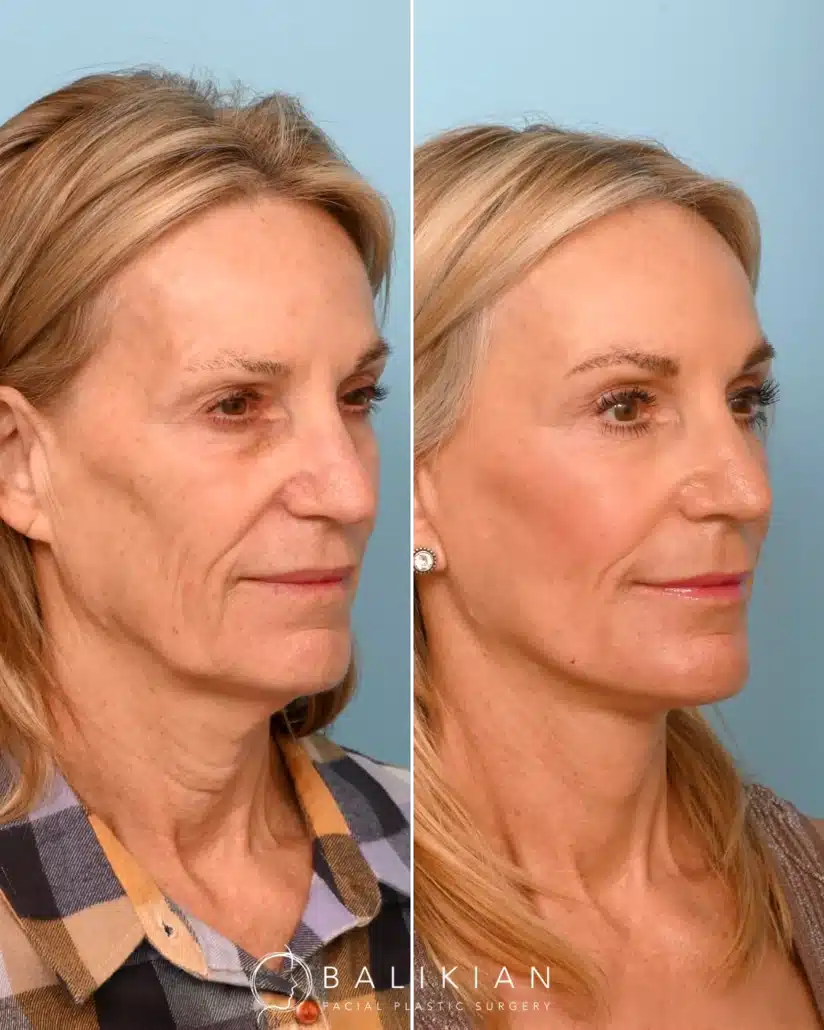
Volume loss is one of the earliest and most noticeable signs of aging. Restoring that missing structure with your own natural fat can soften harsh lines, rebuild youthful contours and rejuvenate the face in a way that looks effortless.
When done with precision as part of a comprehensive surgical plan, facial fat transfer enhances the cheeks, under-eyes, temples and jawline while preserving your natural anatomy.
Dr. Balikian’s approach is rooted in subtlety and preservation. Using gentle harvesting and micro-droplet placement techniques, he restores volume exactly where it has diminished, creating smooth transitions and natural curves. His method protects the surrounding tissues, improves fat graft survival and ensures balanced, long-lasting rejuvenation.
Benefits include:
Patients trust Dr. Balikian because he understands that volume restoration should support structure, not overpower it. His goal is not to inflate the face, but to restore the youthful structure that time has taken away.
As swelling settles, the face begins to reveal fuller, smoother and more harmonious contours. The midface appears lifted, the under-eyes look brighter and the transitions around the temples, jawline and cheeks blend seamlessly.
Because fat integrates with your own tissue, results feel soft, natural and stable over time.
Many patients pair facial fat transfer with a deep plane facelift, brow lift or laser resurfacing for an even more comprehensive rejuvenation.
What do facial fat transfer results look like in before and after photos?
Most before and afters show softer, fuller contours in areas that commonly hollow with age, like the cheeks, under eyes, temples and jawline. The face looks more rested and youthful, not puffy or overfilled. This aligns with the core goal of facial fat grafting: restoring lost structure with natural appearing volume.
How long does it take to see final facial fat transfer results?
You will see early volume right away, but swelling and bruising can mask the true outcome. Most patients look presentable within 2 to 3 weeks and the result stabilizes as the fat integrates over about 3 to 4 months.
How much of the transferred fat actually survives?
Studies consistently show that some resorption is expected. A recent systematic review of low volume facial fat grafting found average retention around the 40 to 50 percent range by 3 to 12 months. Skilled technique and careful placement improve survival.
If some fat absorbs, why do results still look long lasting?
Because the fat that survives becomes living tissue with its own blood supply. Once stable, it behaves like normal facial fat and can last for years. Long term follow up studies show durable improvement even though early resorption occurs.
Will I look overfilled at first?
Early on you can look fuller than expected due to swelling and because surgeons often account for normal resorption. Dr. Balikian’s philosophy is to restore youthful shape without changing identity, so the goal is never exaggerated volume. As swelling resolves, the look refines.
Do patients ever need a second fat transfer?
Sometimes, yes. Because retention varies by person and area, a touch up can be helpful if someone wants more volume after the first graft settles. Reviews note that staged treatments can optimize symmetry and longevity.
Which areas show the biggest before and after improvement?
Cheeks and midface, under eye hollows, temples and the jawline are the most common. Research shows high satisfaction in these zones, with temples sometimes needing more than one session because survival there can be lower.
Does facial fat transfer improve skin quality too, or only volume?
It can do both. PubMed reviews describe regenerative effects from adipose derived cells, especially when microfat or nanofat is used for superficial skin concerns. Many patients notice smoother texture and a healthier glow over time.
How natural do results feel compared to filler?
Fat feels like your own tissue because it is your own tissue. Unlike filler, it integrates into the face and moves naturally with expression. This is one reason Dr. Balikian often recommends fat transfer for patients who want restoration rather than a filled look.
What is the typical complication risk and how does it affect results?
Most complications are minor, like temporary swelling, bruising, or small lumpiness that can be smoothed with massage or minor correction. Large reviews show a low overall complication rate, especially when done by experienced facial surgeons using safe planes and micro placement.
What makes Dr. Balikian’s facial fat transfer results different in before and after photos?
His approach is preservation based and anatomy driven. He places fat in tiny, layered passes to recreate youthful contours and smooth transitions, not to inflate one area. That technique is strongly supported in current literature as a key factor for survival and natural aesthetics.
Dr. Richard Balikian is a highly respected facial plastic surgeon serving the San Diego area.
With over 20 years of experience and double board certification in Facial Plastic and Reconstructive Surgery as well as Head and Neck Surgery, Dr. Balikian offers a unique combination of technical expertise and artistic vision.
He is part of an elite group of surgeons with extensive training focused exclusively on the face and neck.
Dr. Richard Balikian is recognized for elevating facial plastic surgery through precision, artistry and outcomes that reflect your true self.