What Makes a Male Facelift Look Natural?
Preserving Masculine Features Through Thoughtful Facial Rejuvenation
Every so often, you’ll meet someone who obviously looks like they’ve had a facelift. The jawline seems unusually sharp. The cheeks look overly full. The face doesn’t move quite the way you expect. You may not be able to explain exactly why it looks different, but something draws your attention to the surgery instead of the person.
Then you’ll meet someone else who has also had facial rejuvenation, and you’ll never suspect it. They simply look healthy. Rested. Confident.
That difference has very little to do with whether someone had surgery. It has everything to do with how the surgery was performed.
One of the things I appreciate most about Jeff’s story is how honest it is. He talks about why he decided to have facial rejuvenation, what the experience was actually like and why he says he’d do it again.

Jeff wanted to stay active and look as good as he felt. In this video, he shares why he chose Dr. Balikian and reflects on his facial rejuvenation journey.
His perspective reflects what many men are looking for in facelift surgery: not a different face, but the confidence that comes from looking like themselves again.
When people describe a facelift as looking “too tight,” they’re usually reacting to the overall appearance rather than a single feature.
The face may seem stretched. The jawline may appear sharper than it naturally would. The cheeks, mouth, or lower eyelids may no longer feel completely balanced. Even if they can’t explain exactly what they’re seeing, they recognize that something has changed. That’s because we don’t recognize faces one feature at a time. We recognize them by the relationship between all of their features. When one area no longer fits the rest of the face, it changes the overall impression.
As the deeper tissues of the face gradually descend with age, the skin follows. Tightening the skin alone doesn’t restore those deeper relationships. I focus on restoring the deeper support of the face first. Once those structures are back where they belong, the skin can settle naturally over the restored contours instead of being asked to create the lift by itself.
The difference isn’t simply how the face looks in a photograph. It’s how naturally it moves, how the features work together and whether people notice the surgery or simply notice the person.
One of the interesting things about the male face is that its defining characteristics don’t disappear with age. The jawline may become softer. The neck may become heavier. The cheeks may descend. But the underlying structure that gives a man’s face its character is still there.
I’m not trying to create stronger features during surgery because those features are already there. My job is to restore the support around them without changing the characteristics that make someone recognizable.
People often assume dramatic surgery creates dramatic results. I’ve found the opposite is usually true.
The improvements that make the biggest difference are often the smallest ones. A jawline becomes a little more defined. The transition between the face and neck looks cleaner. The lower eyelids appear more rested. The cheeks regain support.
None of those changes would stand out by themselves, but together they change the way the entire face is perceived.
That’s because people don’t evaluate individual features. They respond to the face as a whole. When everything remains in balance, nothing feels overcorrected. The face still looks familiar. It simply looks healthier, more rested and more like itself.
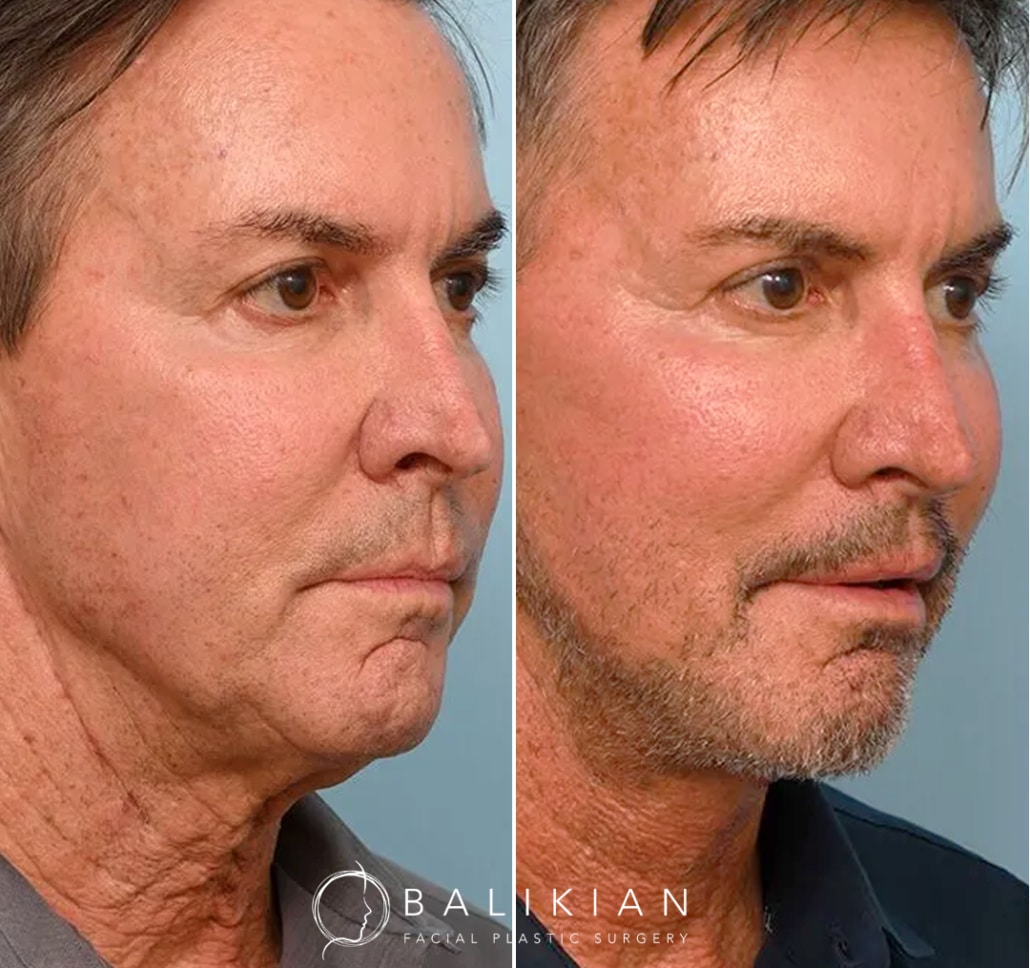
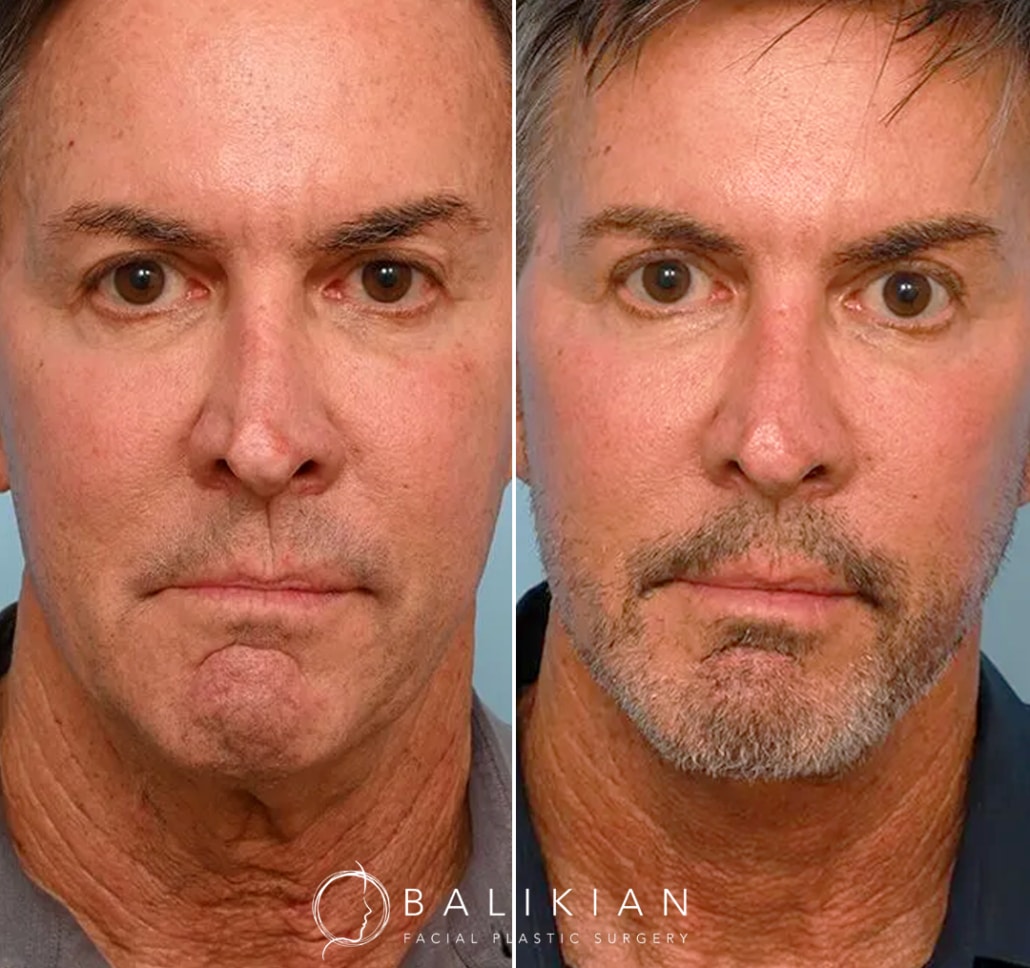
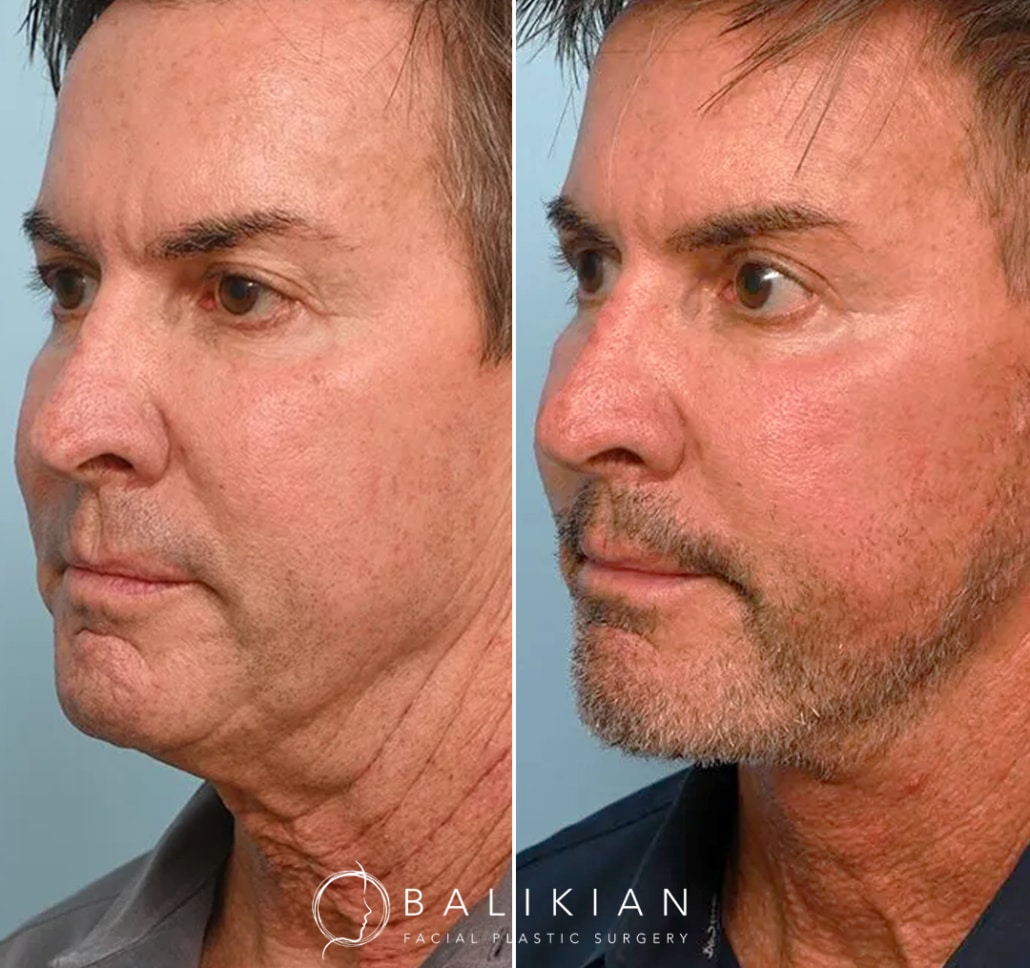
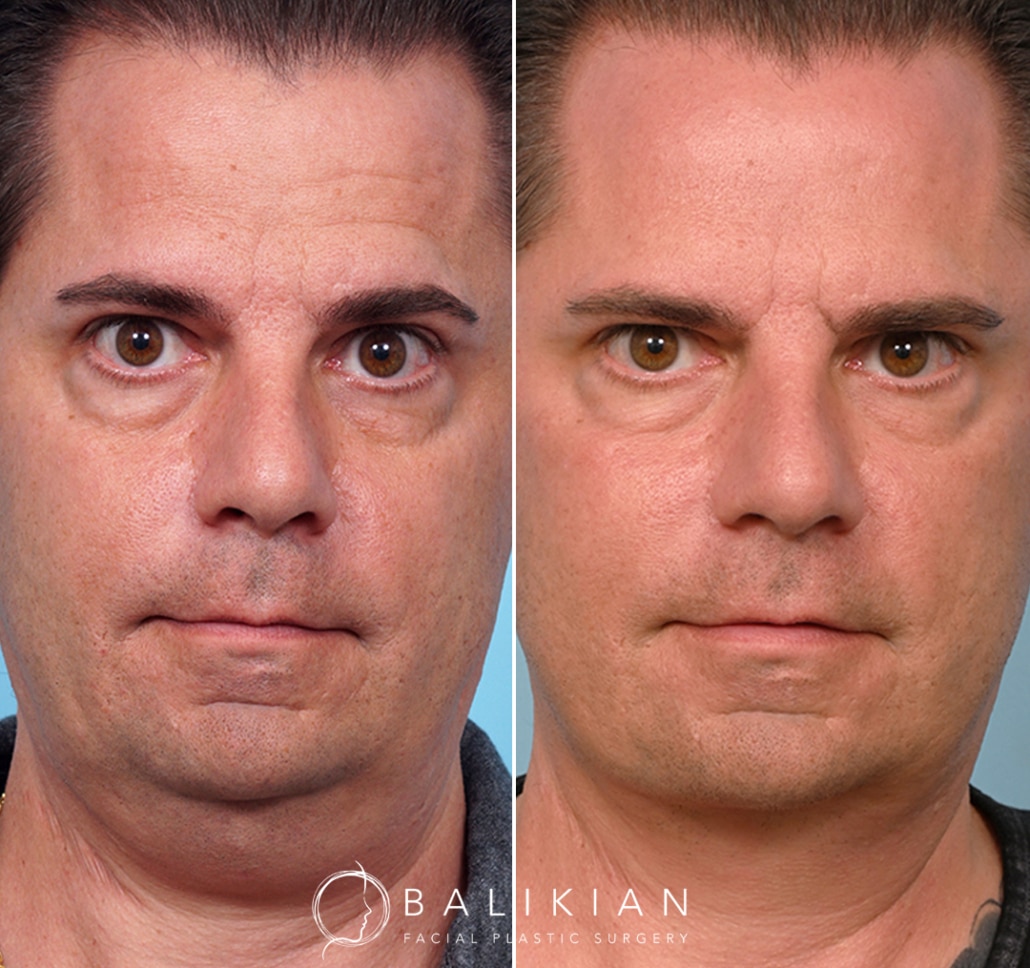
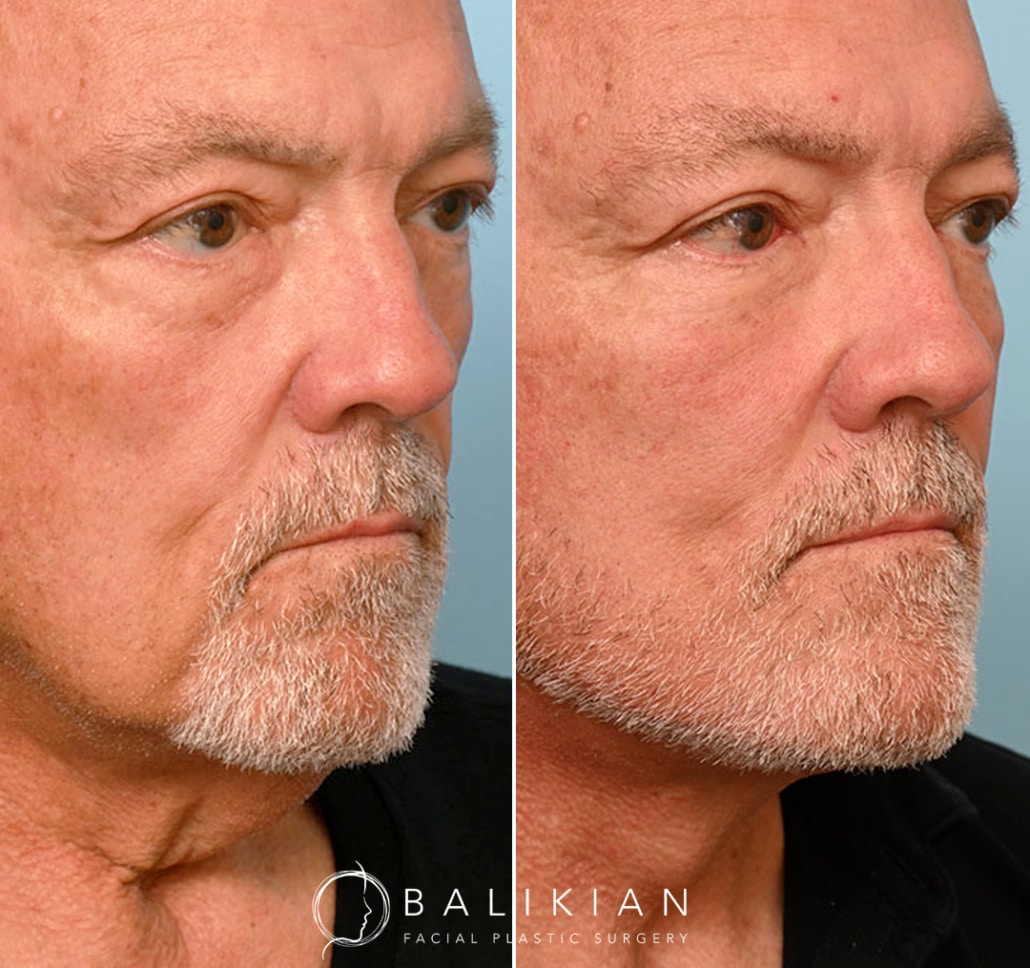

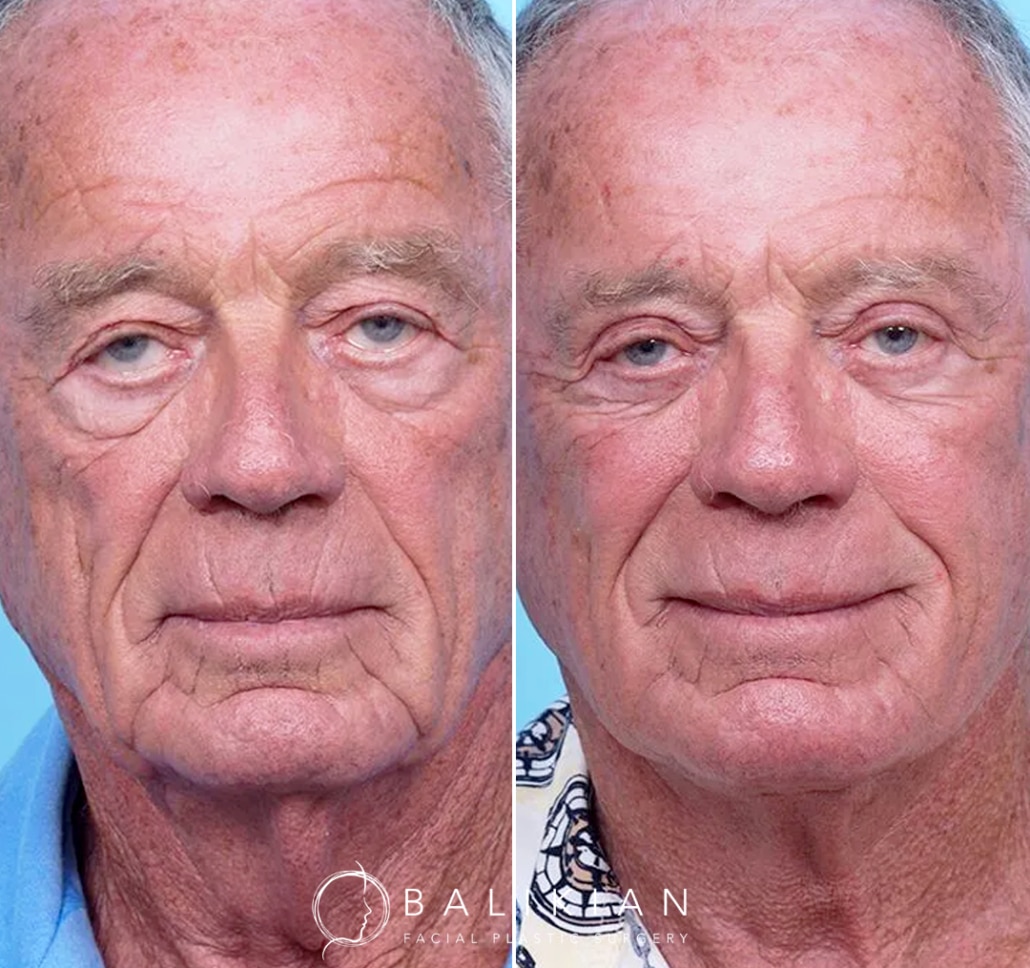
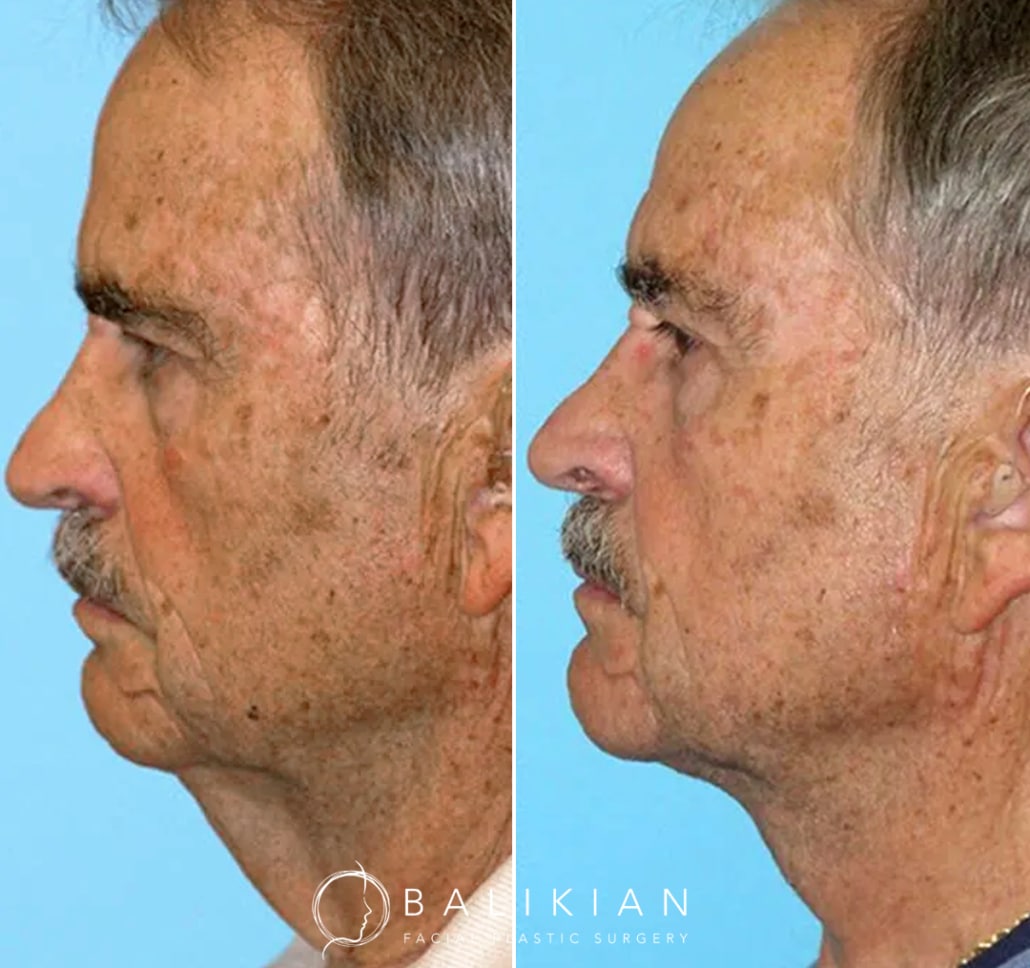
Technique matters because the face doesn’t age as separate parts. The cheeks, jawline, neck and lower eyelids all influence one another. If one area is repositioned without considering the others, the face can begin to lose its natural balance.
That’s one of the reasons I perform a Preservation Deep Plane Facelift. By working beneath the skin and repositioning the deeper facial tissues together, I can restore facial support without relying on tension in the skin to create the result.
The technique itself isn’t the objective. It’s simply the method that allows me to restore the face while respecting the anatomy. Working beneath the skin allows the deeper facial structures to be repositioned together instead of relying on the skin to create the lift.
That’s one of the reasons the face continues to look natural when you’re talking, smiling, or simply at rest.
People sometimes ask what I’m trying to accomplish during surgery.
The answer is surprisingly simple. I’m not trying to create a different face. I’m trying to reduce the signs of aging that have gradually distracted from the face you’ve had your entire life.
You don’t recognize someone because of one feature. You recognize the relationship between all of their features. Their expression. Their proportions. The way their face moves when they smile.
If surgery changes those relationships, people notice the surgery. If they remain intact, people simply think you look healthy, rested and like yourself.
That’s what I’m thinking about every time I operate.
The comments patients remember most are rarely about the procedure itself. They tell me their friends say they look well rested. Someone asks if they’ve been on vacation. A coworker mentions they look healthier but can’t quite explain why. Nobody says, “Great facelift.”
To me, that’s one of the best outcomes I can hope for.
When people notice the person instead of the procedure, the surgery has done exactly what it was supposed to do.
A natural facelift doesn’t ask people to see a different face. It simply allows them to see you.
What makes a male facelift look natural?
A natural result maintains the relationships among the cheeks, jawline, neck, eyelids, and skin rather than overcorrecting one feature. Deep plane techniques reposition connected deeper tissues as a unit instead of relying primarily on skin tension.
Why is facial anatomy so important during facelift surgery?
Facial tissues are anchored by retaining ligaments and organized into distinct anatomical planes. Understanding these structures helps the surgeon mobilize descended tissue while protecting nearby nerves and maintaining natural tissue relationships.
How does a deep plane facelift improve the jawline and neck?
An extended deep plane facelift releases selected retaining ligaments and repositions deeper facial and neck tissues. This can improve the midface, jowls, jawline, and neck without asking the skin to carry the lift.
Why can removing too much facial fat look unnatural?
Facial fat is divided into separate compartments that create normal contour and fullness. Aging can involve both descent and volume loss, so indiscriminate fat removal may increase hollowness rather than restore balance.
Does a deep plane facelift produce natural-looking results?
Published patient series have reported strong improvement and high satisfaction after deep plane facial rejuvenation. Results still depend on patient anatomy, surgical planning, execution, and appropriate expectations.
How long can facelift results remain noticeable?
Facelift surgery does not stop aging, but long-term studies show that patients can continue to appear younger than they would have without surgery many years later. The amount of visible improvement varies among individuals.
Are most patients satisfied after facelift surgery?
Long-term satisfaction research indicates that many facelift patients remain pleased with their results, although satisfaction depends on expectations, healing, technique, and how well the operation addressed the patient’s concerns.
Is the deep plane facelift always better than other facelift techniques?
No single facelift technique is best for every patient. An international survey found that surgeons use multiple approaches based on anatomy, training, experience, and the areas being treated.
Does male facelift surgery require different incision planning?
Yes. Beard-bearing skin, sideburn position, hairline patterns, and shorter hairstyles can make incision placement especially important in men. Planning must minimize visible scars and avoid shifting facial hair into an unnatural position.
Does smoking affect facelift healing?
Yes. Smoking reduces blood flow to healing skin and has been associated with a significantly higher risk of skin-flap complications after facelift surgery. Patients are generally instructed to stop nicotine before and after surgery.
Dr. Richard Balikian is a highly respected facial plastic surgeon serving the San Diego area.
With over 20 years of experience and double board certification in Facial Plastic and Reconstructive Surgery as well as Head and Neck Surgery, Dr. Balikian offers a unique combination of technical expertise and artistic vision.
He is part of an elite group of surgeons with extensive training focused exclusively on the face and neck.

 Facelift Recovery Tips | No Drains, Less Downtime