Why Facial Plastic Surgeons Choose the Deep Plane Facelift
The best facelift isn’t chosen from a list of procedures. It’s developed through careful diagnosis, thoughtful planning, and an understanding of facial anatomy.
Patients often ask, “Why does one surgeon recommend a deep plane facelift while another suggests a mini facelift, a SMAS facelift, or even no surgery at all?”
The answer begins with understanding the patient, not choosing the procedure.
Experienced facial plastic surgeons do not begin by choosing an operation. They begin by understanding why a patient’s face has aged the way it has. Every recommendation is based on anatomy, facial balance and the patient’s goals. The procedure comes later.
That is why two patients who are the same age can receive completely different treatment plans.
Many people arrive expecting to hear which facelift they need. Instead, the first part of the consultation is spent listening, observing and asking questions.

Take a seat in Dr. Richard Balikian’s consultation room as he walks you through how an experienced facial plastic surgeon evaluates facial aging, identifies the underlying causes, and develops a personalized Artiste Lift™ treatment plan.
How has your appearance changed over the past ten years?
What bothers you most when you look in the mirror?
Is it your neck? Your jawline? Your cheeks? Your eyelids?
Have you lost weight? Has your skin changed? Do you feel like you look tired even when you are well rested?
These conversations reveal much more than a physical examination alone. They help Dr. Richard Balikian understand not only how your face has changed, but also what you hope to achieve.
The goal is not simply to recommend a procedure. The goal is to understand the problem before creating a solution.
Two patients may both say they dislike their jawline, yet the underlying causes can be completely different.
One patient may have descended facial tissues creating jowls. Another may have a heavy platysma muscle causing fullness in the neck. Someone else may have enlarged submandibular glands, while another patient has simply lost volume in the cheeks, making the lower face appear heavier.
From the outside, the concern looks similar. Underneath the skin, the anatomy can be very different.
That’s why experienced facial plastic surgeons spend far more time diagnosing the cause of aging than selecting a procedure.
Patients often compare mini facelifts, SMAS facelifts, deep plane facelifts, and extended deep plane facelifts before they’ve even had a consultation.
While understanding these procedures is helpful, choosing between them isn’t the first decision a surgeon makes. The first decision is understanding what needs to be corrected.
Once the anatomy is understood, the appropriate operation often becomes much clearer.
No two faces age the same. Explore before and after photographs of patients whose treatment plans were customized to their anatomy, goals and unique patterns of facial aging.
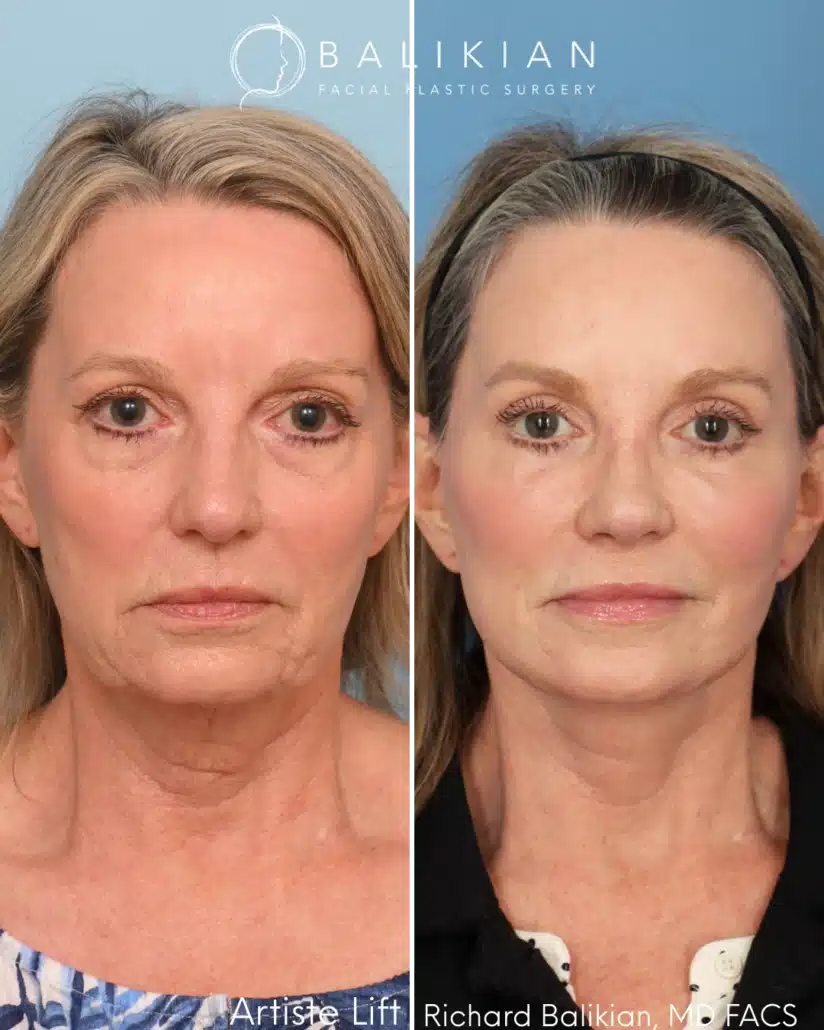
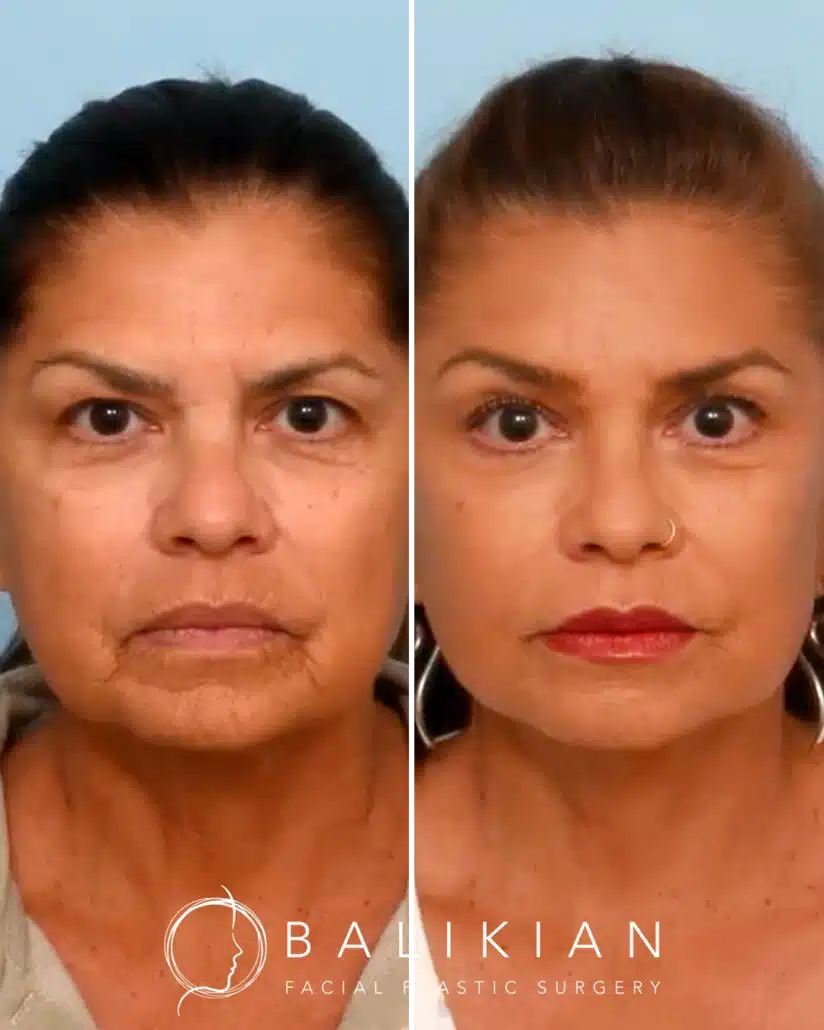
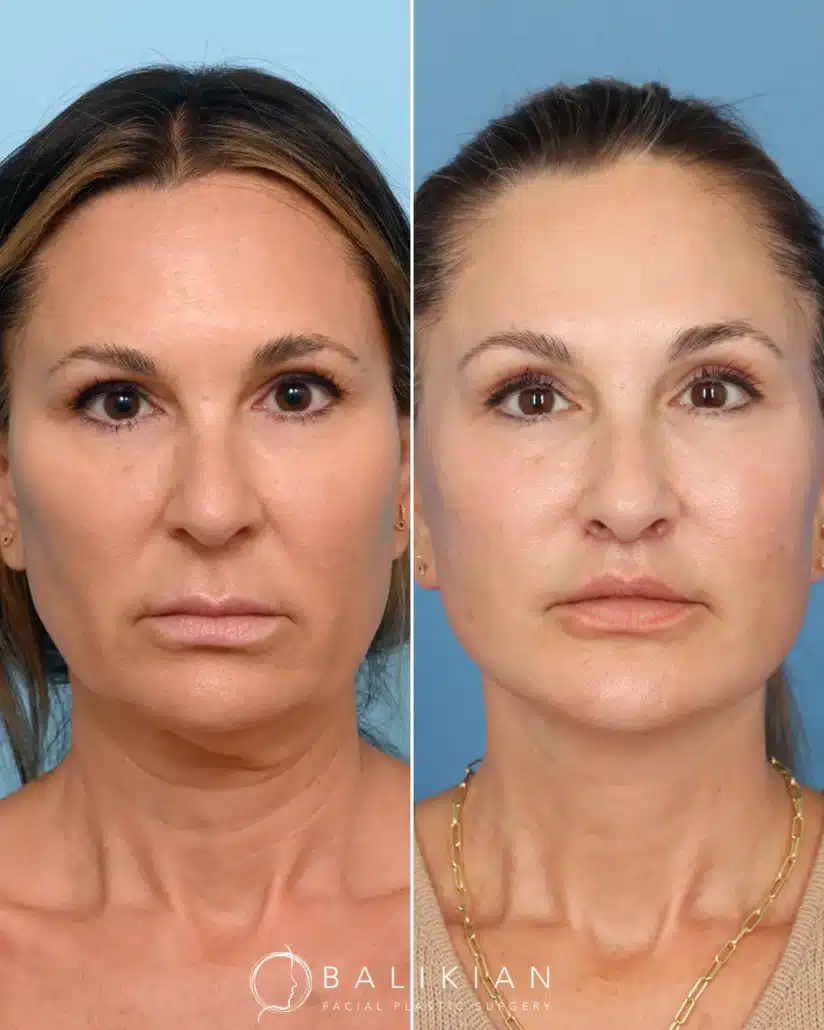
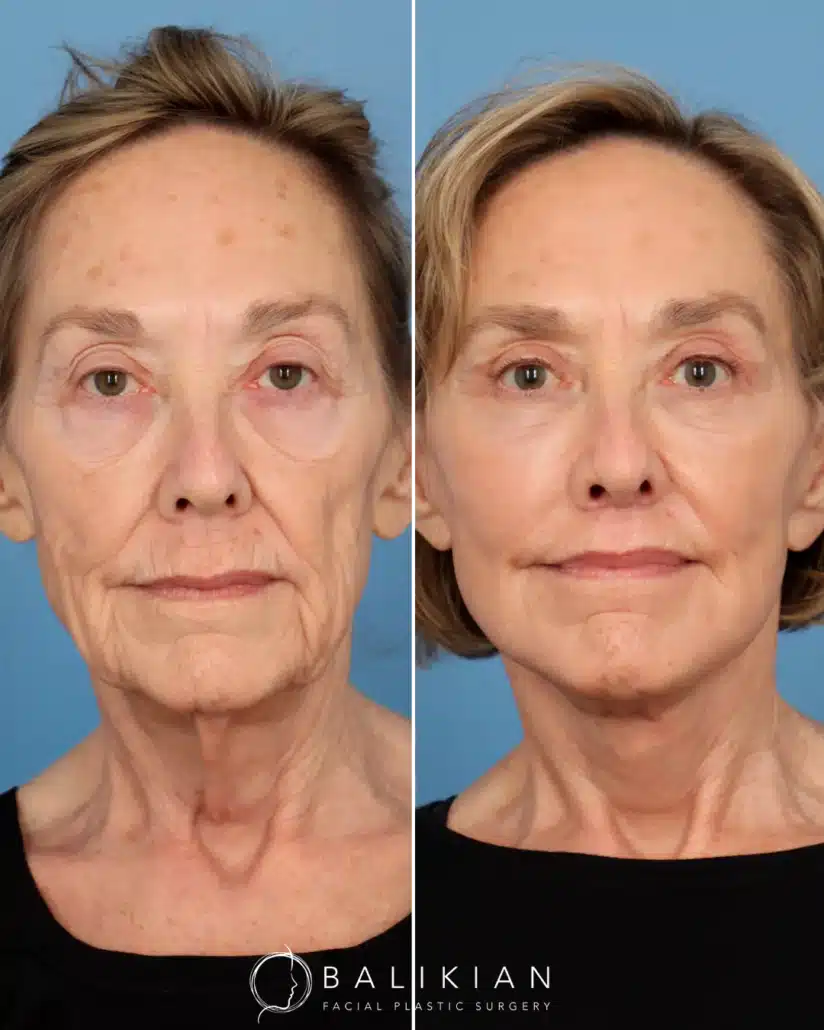
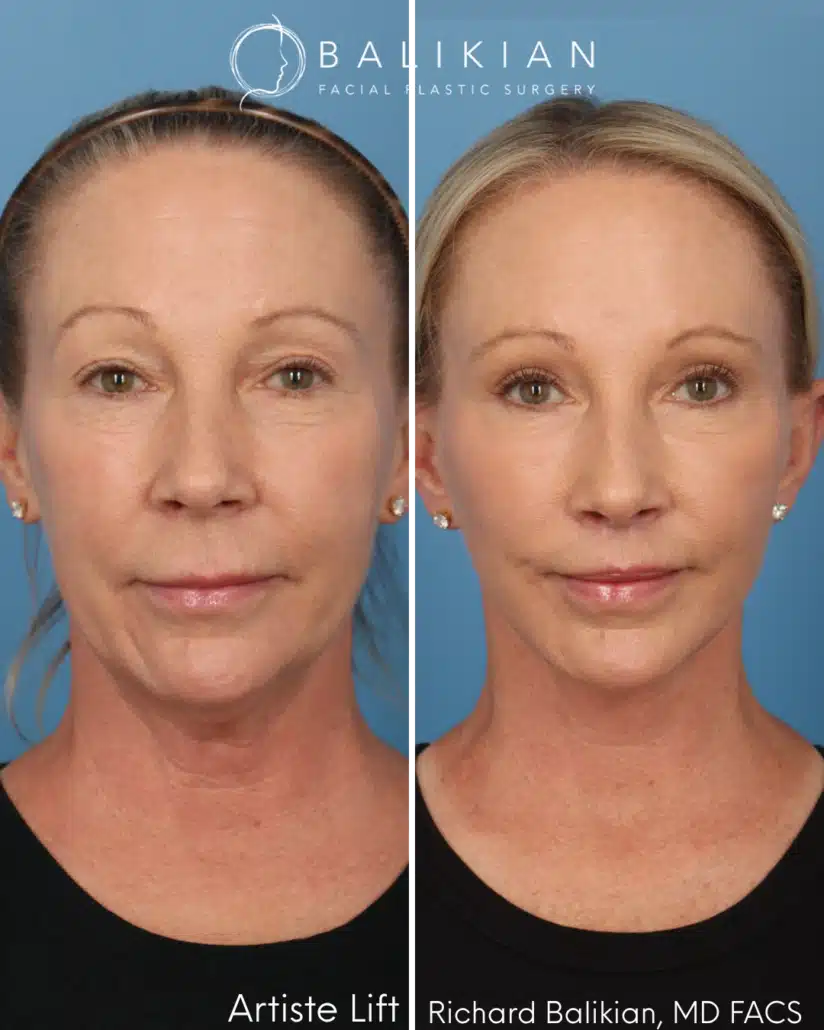
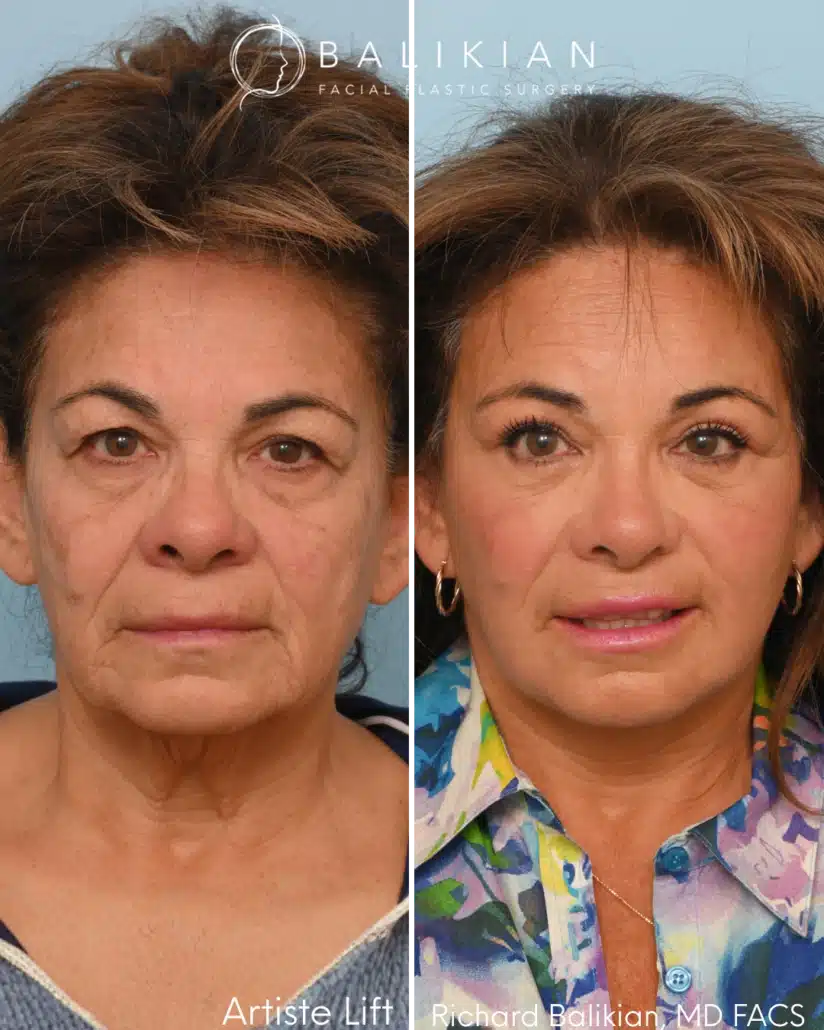
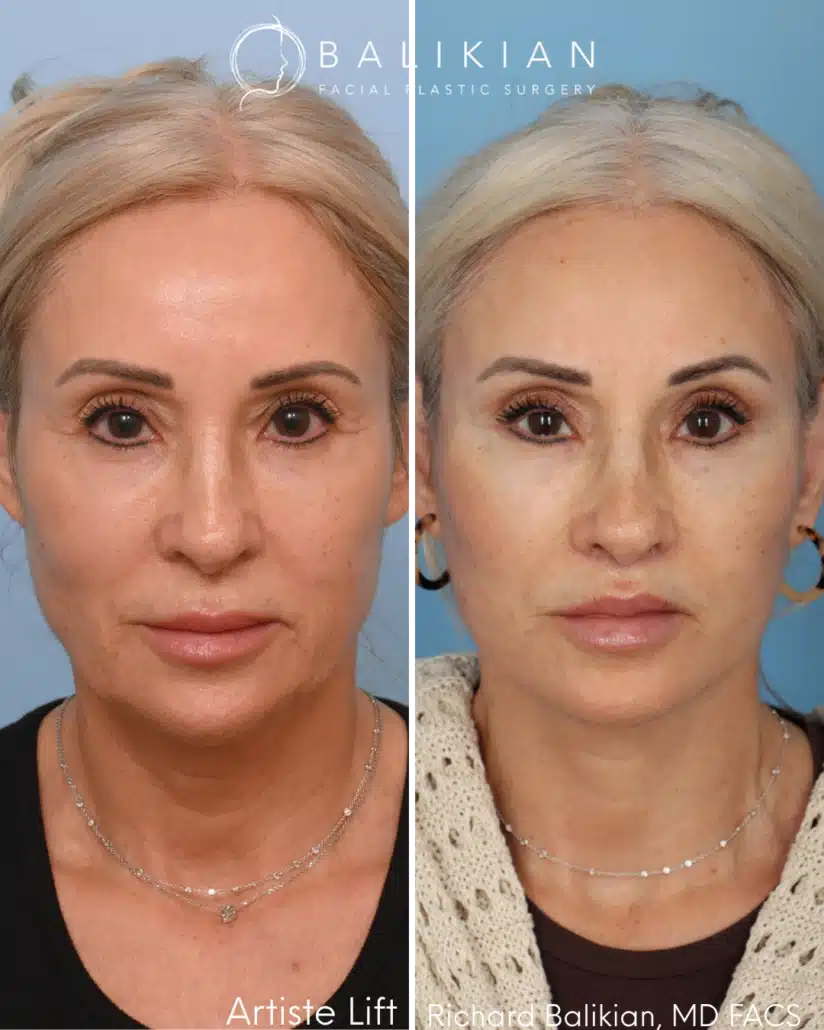
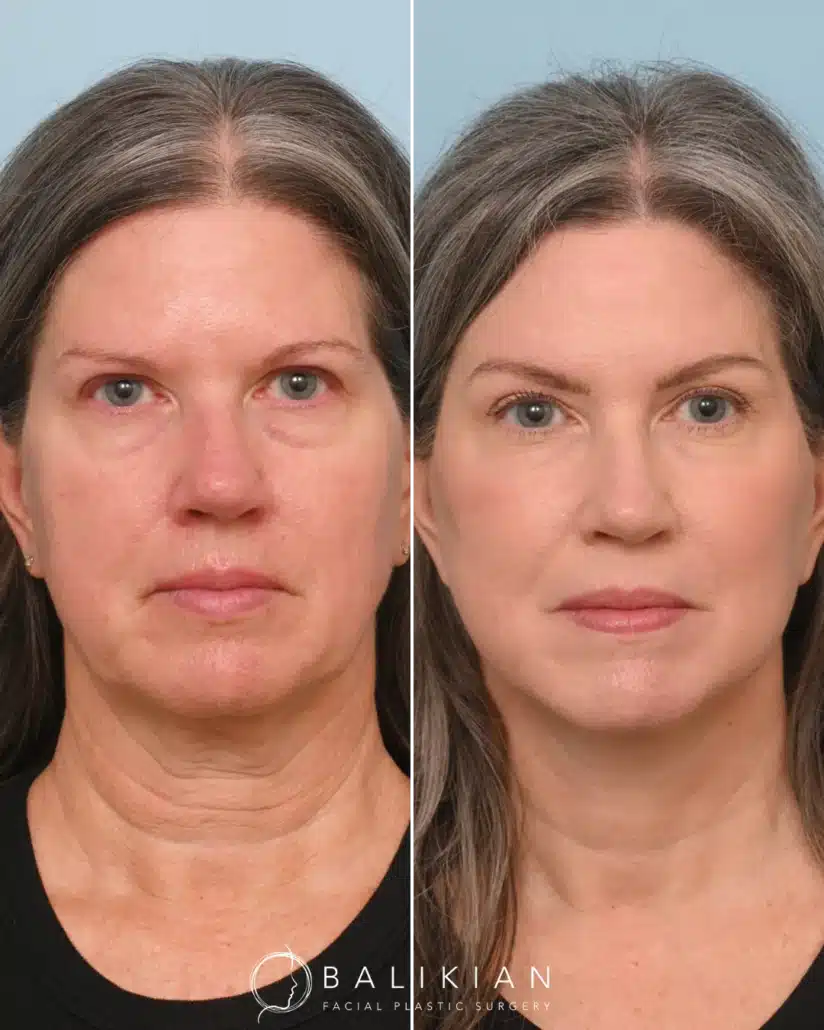
As facial plastic surgeons developed a better understanding of facial anatomy, many recognized that simply tightening the skin often failed to address the deeper structural changes responsible for facial aging.
The deep plane facelift was developed to reposition the deeper facial tissues rather than relying primarily on skin tension.
For patients with significant descent of the cheeks, jowls and lower face, this allows the face to be restored from its deeper support structures while the skin is redraped with minimal tension.

This educational video illustrates the deeper facial structures affected by aging and explains why experienced facial plastic surgeons focus on restoring support rather than simply tightening the skin.
Experienced facial plastic surgeons often recommend a deep plane facelift because it can:
The goal isn’t to create a tighter face. It’s to restore support where it has gradually been lost.
Patients are often surprised to learn that facial rejuvenation is rarely a single procedure. Instead, it is a personalized combination of treatments designed around the way each individual has aged.
One patient may have platysmal laxity that softens the jawline and neck. In that case, a Deep Vertical Neck Lift may become an essential part of the surgical plan.
Another patient may have a well-defined jawline but heavy upper eyelids that make them appear tired or older than they feel. For that individual, upper blepharoplasty may have a greater impact than additional lifting of the lower face.
Some patients have excellent facial support but significant volume loss. In those cases, facial fat transfer can restore youthful contours that lifting alone cannot achieve.
Others may benefit from CO₂ laser resurfacing to improve skin texture, fine lines and sun damage after the deeper facial structures have been restored.
Rather than recommending the same operation for every patient, experienced facial plastic surgeons build each treatment plan around the individual’s anatomy, aging patterns and goals.
The operation is never about checking boxes. It’s about creating facial harmony.
One of the most important parts of consultation is recognizing when a deep plane facelift is not the best answer.
Patients with very early aging changes may benefit from less extensive procedures. Others may achieve meaningful improvement by addressing volume loss, skin quality or the eyelids rather than the lower face.
Occasionally, the right recommendation is simply to wait.
Good surgical decision-making isn’t measured by how often a surgeon performs one procedure. It’s measured by recommending the operation that best fits the patient’s anatomy and goals.
Every treatment plan begins with understanding the patient’s anatomy, not choosing a procedure.
In these real Artiste Lift™ preservation deep plane facelift patient case reviews, Dr. Richard Balikian walks through actual consultations, explaining the anatomy behind each patient’s aging changes, why specific procedures were recommended and how personalized surgical planning creates natural-looking facial rejuvenation.



This playlist features real patient consultations and case reviews where Dr. Richard Balikian explains facial aging, surgical planning and the anatomy behind personalized Artiste Lift™ treatment plans.
Watch the Artiste Lift™ Before & After | Real Patient Case Reviews playlist to see how personalized surgical planning creates natural-looking facial rejuvenation.
For Dr. Richard Balikian, success is never measured by how much younger someone looks or how dramatic the transformation appears.
Success is measured by something much simpler.
Does the result still look like the patient?
The best facelift restores youthful support without changing facial identity. Friends and family may notice that someone looks healthier, more rested, or more refreshed, but they shouldn’t be able to identify the surgery itself.
As Dr. Richard Balikian often tells patients, the goal isn’t for someone to ask,
“Who did your facelift?”
The goal is for them to simply think,
“You look like yourself.”
That philosophy guides every consultation, every recommendation and every Artiste Lift™ treatment plan.
Why do some surgeons recommend a deep plane facelift instead of a SMAS facelift?
There is no single facelift technique that is appropriate for every patient. The decision depends on facial anatomy, the degree of tissue descent, skin quality, neck anatomy, and the patient’s goals. Deep plane techniques allow surgeons to reposition the deeper facial tissues as a composite unit and directly address retaining ligaments when appropriate, while SMAS techniques may be well suited for patients with milder aging changes. The most appropriate procedure is determined during a personalized consultation rather than by age alone.
Why isn’t the same facelift recommended for every patient?
Facial aging occurs differently from one person to another. Some patients experience greater tissue descent, while others primarily lose facial volume or develop changes in skin quality. Current anatomical research supports tailoring facelift surgery to each patient’s unique anatomy rather than applying a single technique universally.
Does a deep plane facelift only tighten the skin?
No. Unlike older skin-only facelift techniques, a deep plane facelift repositions the deeper facial soft tissues while minimizing tension on the skin closure. This allows facial support to be restored through the underlying anatomy rather than relying primarily on skin tightening.
hy are facial retaining ligaments important during facelift surgery?
Facial retaining ligaments help anchor the soft tissues of the face. As aging progresses, surgeons evaluate how these structures contribute to facial descent. Modern facelift techniques may selectively release or preserve specific ligaments depending on the patient’s anatomy and surgical goals.
Why do some patients need additional procedures with a facelift?
A facelift primarily restores facial support, but it does not correct every aspect of facial aging. Patients may also benefit from procedures such as upper blepharoplasty, facial fat transfer, laser resurfacing, or neck surgery depending on their anatomy and aesthetic goals. Combining procedures often creates a more balanced and harmonious result than treating only one area of the face.
Can a deep plane facelift create natural-looking results?
Natural-looking results depend on careful surgical planning, appropriate tissue repositioning, and avoiding excessive skin tension. Modern deep plane techniques are designed to reposition deeper tissues while preserving facial expression and identity rather than creating an overly tight appearance.
Is a deep plane facelift appropriate for younger patients?
Not always. Patients with early aging changes may achieve excellent results with less extensive procedures, while those with more significant facial descent may benefit from a deep plane approach. The appropriate treatment depends on anatomy rather than age alone.
Why is consultation so important before facelift surgery?
A consultation allows the surgeon to evaluate facial anatomy, tissue descent, skin quality, neck anatomy, facial volume, and the patient’s goals. This assessment helps determine which combination of procedures is most appropriate rather than applying the same operation to every patient.
Can facial volume loss make someone look older even without significant sagging?
Yes. Aging is influenced by both tissue descent and volume loss. Some patients who appear older have relatively little skin laxity but significant loss of facial fat, particularly in the cheeks and midface. These patients may benefit from facial fat transfer in addition to facelift surgery.
What is the ultimate goal of modern facelift surgery?
The goal of modern facial rejuvenation is not simply to tighten the skin or make someone look dramatically different. Current techniques focus on restoring deeper facial support, preserving natural facial movement, and maintaining the patient’s individual identity while addressing the anatomical changes associated with aging.
Dr. Richard Balikian is a highly respected facial plastic surgeon serving the San Diego area.
With over 20 years of experience and double board certification in Facial Plastic and Reconstructive Surgery as well as Head and Neck Surgery, Dr. Balikian offers a unique combination of technical expertise and artistic vision.
He is part of an elite group of surgeons with extensive training focused exclusively on the face and neck.