SMAS Facelift Techniques and Variations
How SMAS Facelift Techniques Influence Longevity and Natural Results
When people research facelift surgery, they often hear terms like SMAS facelift, preservation deep plane facelift, or mini facelift. What is rarely explained clearly is that nearly all facelift techniques involve the SMAS in some way.
The real difference lies in how the SMAS is handled and whether it is lifted under tension or properly released.

Understanding how the SMAS is handled during facelift surgery helps explain why some results fade quickly over time, while others can lead to contour irregularities or unnatural tension patterns.
The SMAS, or superficial musculoaponeurotic system, is a fibrous layer located just beneath the skin. It is tightly adherent to the skin and connects the facial muscles to the overlying soft tissue. Any facelift designed to improve jowling, cheek descent, or lower face aging must address this layer in some way.
In fact, every surgeon performing a facelift is doing something to the SMAS. The difference lies in how it is manipulated and how much true release is achieved.
Facelift techniques vary primarily in how the SMAS layer is handled and whether it is lifted under tension or allowed to move freely after release.
These differences play a significant role in both the longevity of results and the risk of contour irregularities over time.
One of the most basic approaches is SMAS plication. In this technique, the SMAS is not cut or released. Instead, sutures are placed to fold or tuck the layer upward.
While this may temporarily improve appearance, it places the tissue under significant tension. The SMAS behaves like an accordion. When it is folded without release, it naturally wants to spring back to its original position. This is why plication-based facelifts often look good early on but gradually relapse.
Key characteristics of SMAS plication:
Related education: Because plication relies mostly on tension rather than release, it’s helpful to see how SMAS-only approaches compare with other facelift strategies across aging patterns in our Types of Facelifts overview.
SMAS imbrication is a slight evolution of plication. A small wedge of SMAS tissue is removed, often described as a football-shaped segment, to reduce some of the folding effect before suturing.
Although this can improve longevity slightly compared to plication, the underlying issue remains. The SMAS is still not fully released from its deeper attachments. Tension is reduced, but not eliminated. Over time, the tissue can still pull back, limiting durability.
Key characteristics of SMAS imbrication:
Related education: While SMAS imbrication improves on simple plication, lift direction still plays a major role in outcome. Understanding vertical vector facelift principles helps explain why direction matters as much as technique.
Many surgeons perform a sub-SMAS facelift. In this approach, the SMAS is incised and elevated off the structures beneath it, allowing more movement and glide than plication or imbrication alone.
This provides improved lifting ability, but important fixation points remain. The SMAS has strong attachments, often described as velcro-like, that continue to anchor it down. Without releasing these deeper attachments, the surgeon is still pulling against resistance. This can result in contour deformities, folds, or unnatural tension patterns.
Key characteristics of a sub-SMAS facelift:
Related education: Sub-SMAS techniques improve tissue mobility, but full release of deeper attachments allows for more natural repositioning. Deep plane facelift surgery builds on this concept by addressing deeper fixation points.
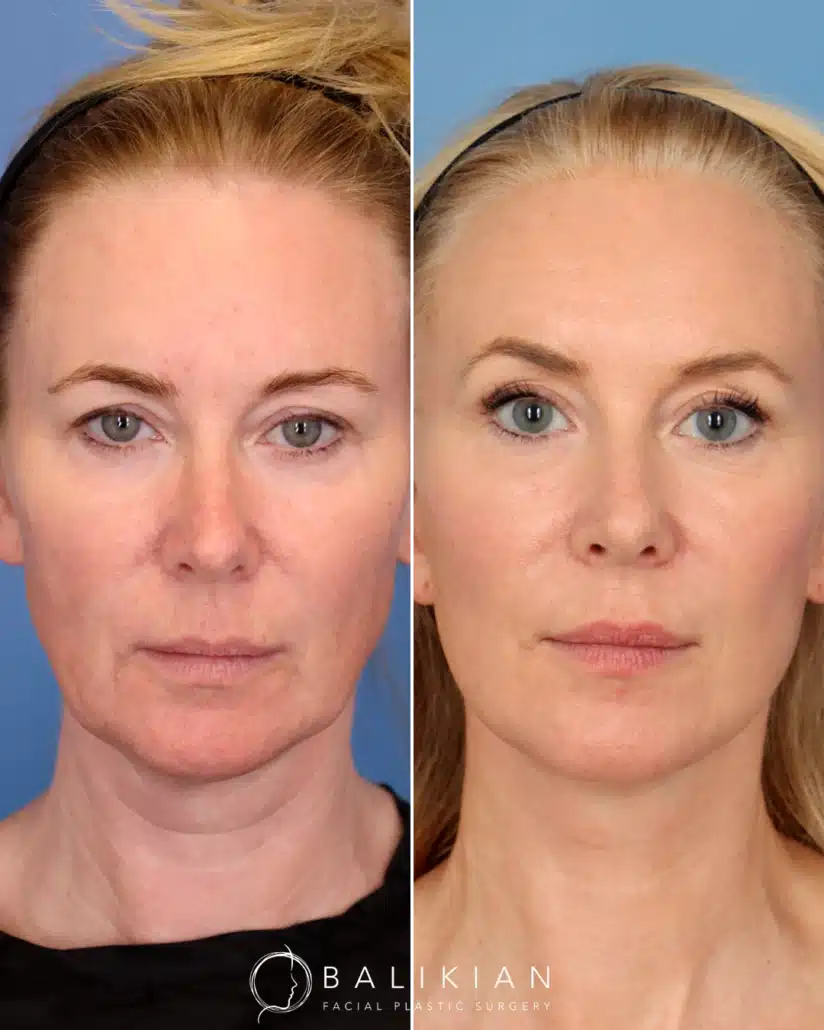
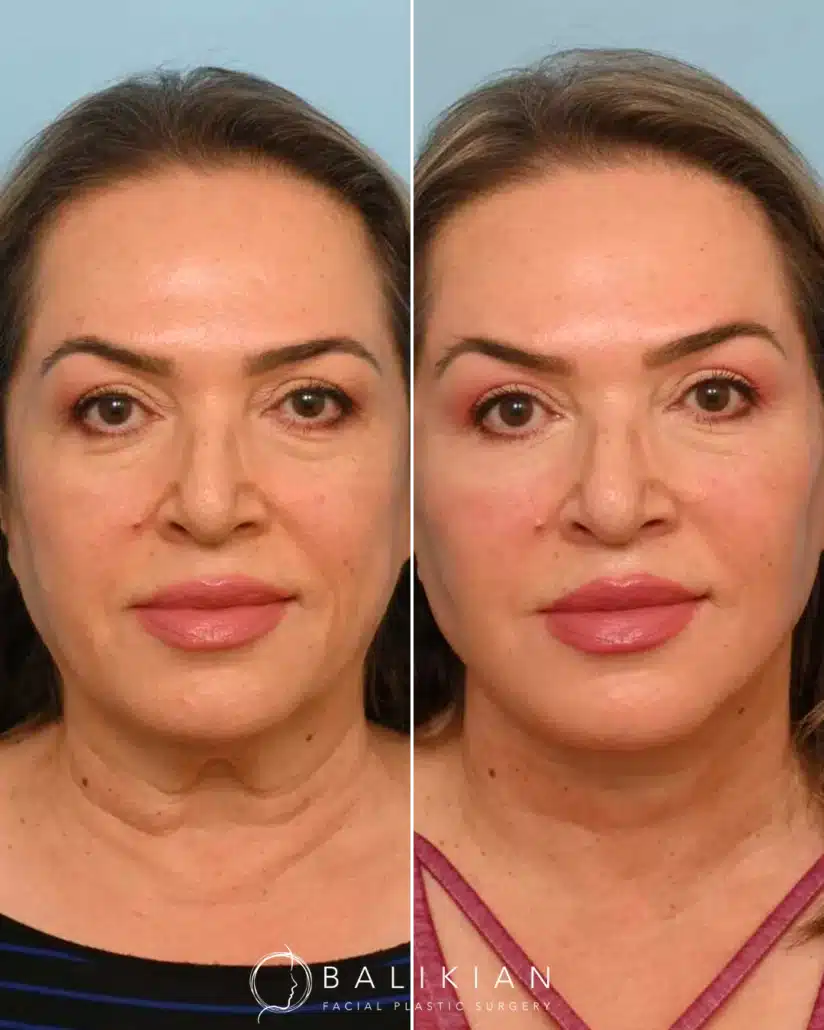
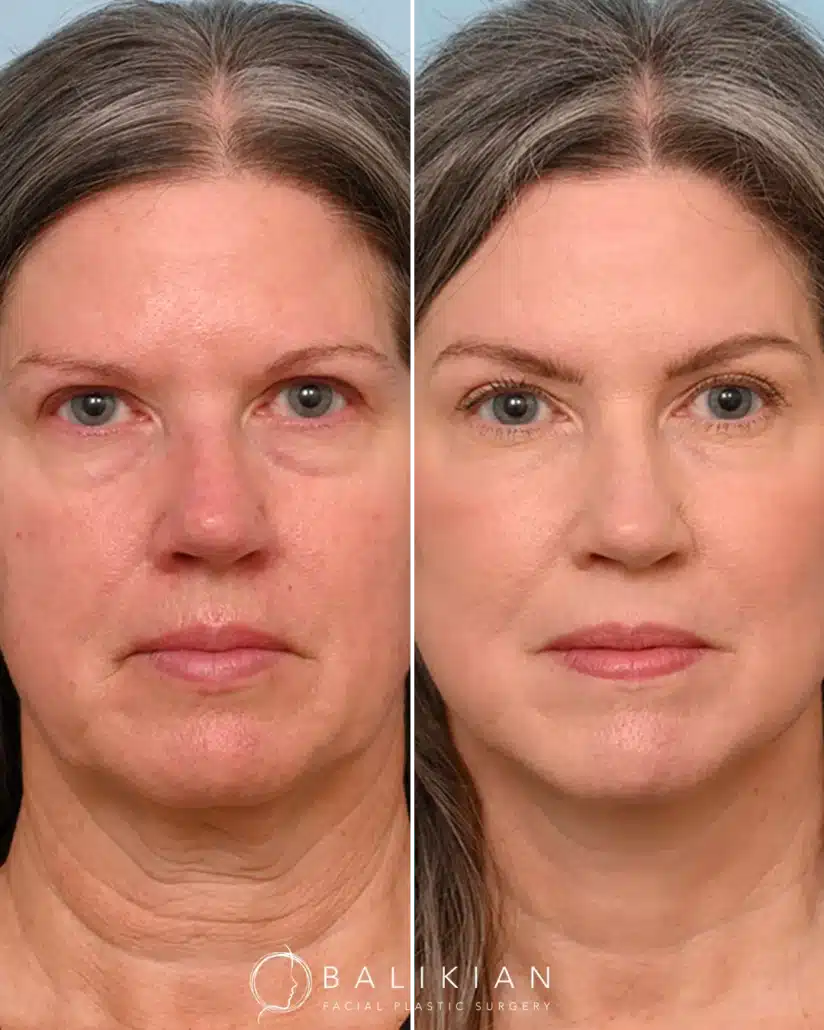

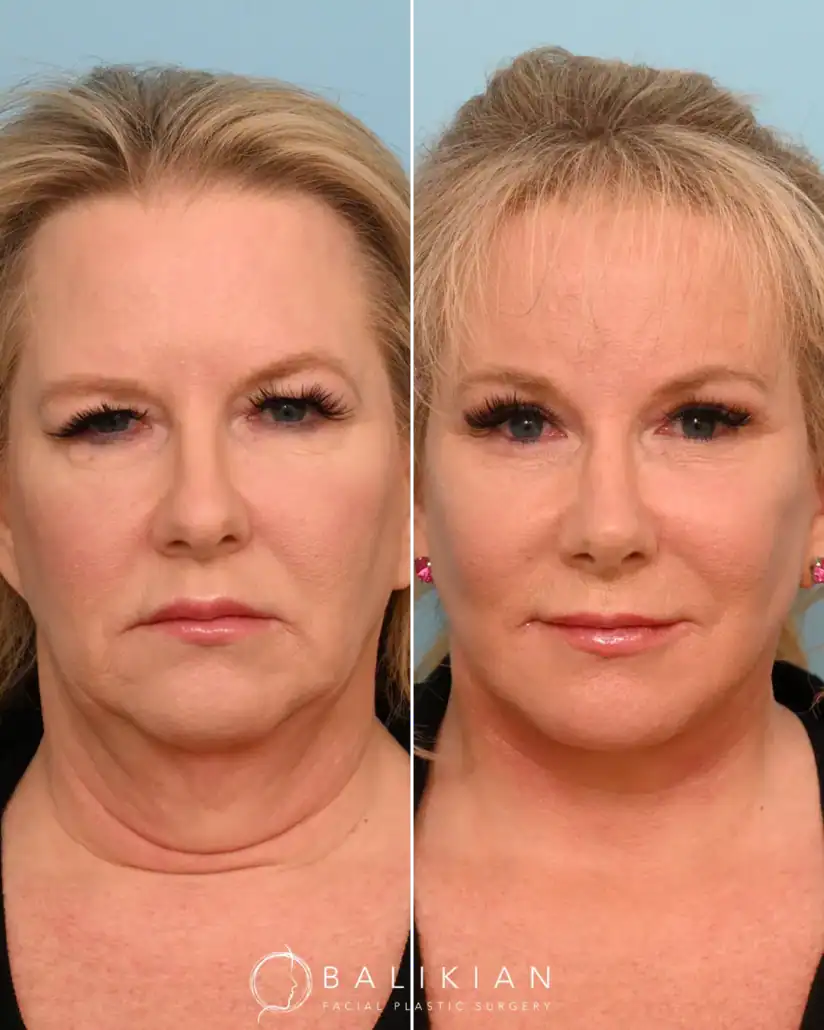
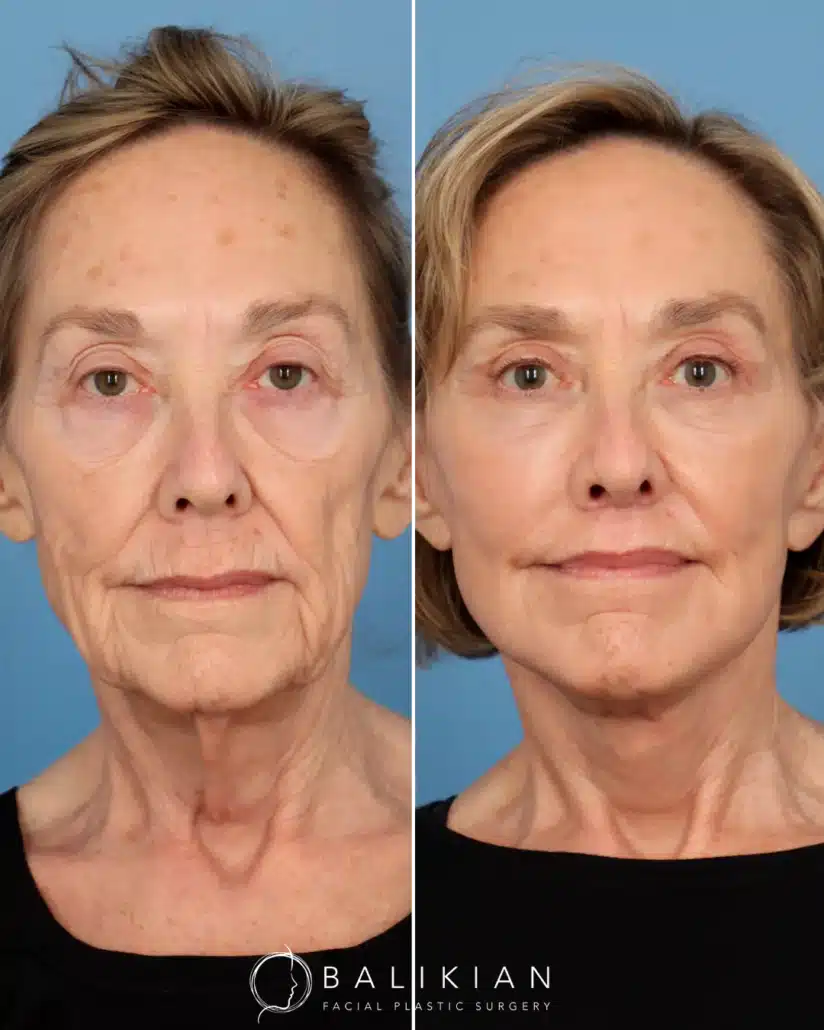
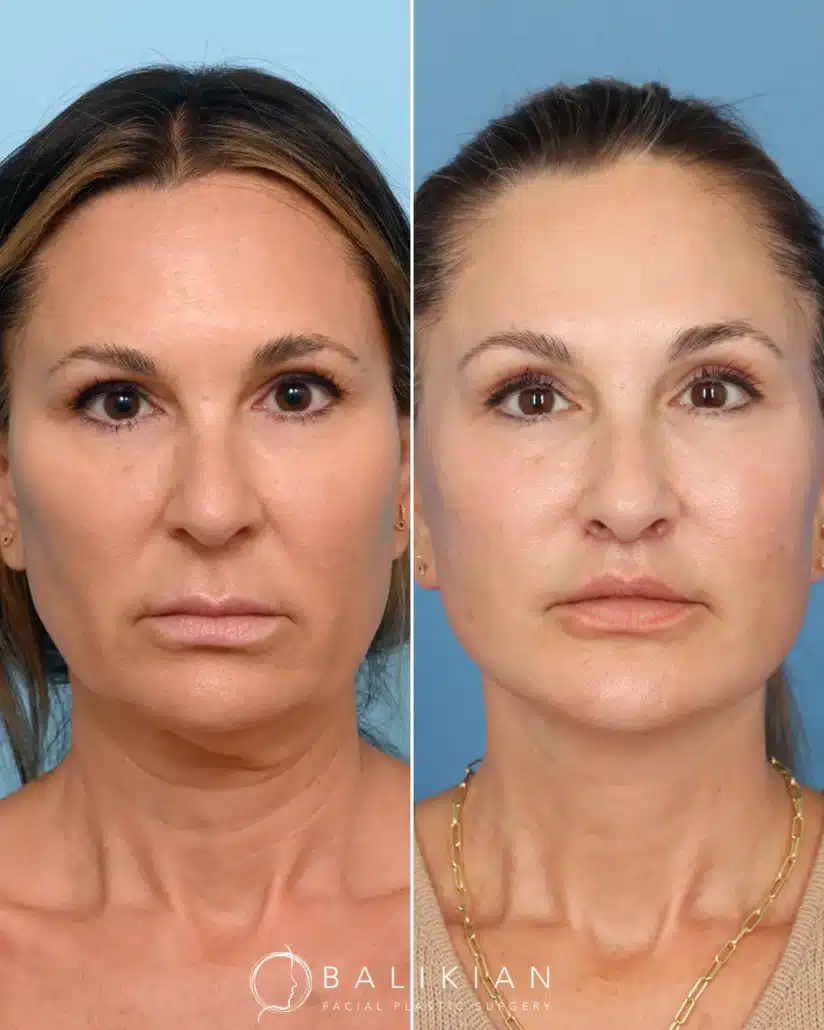
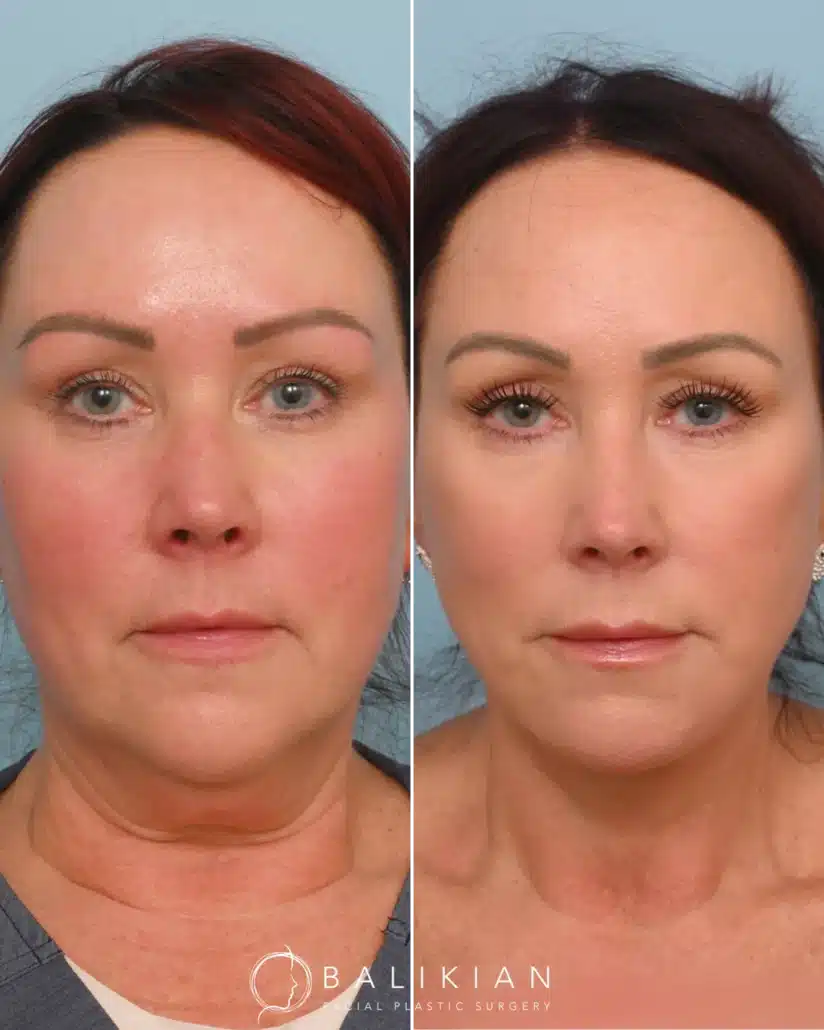
Before and after images can show what is possible with facelift surgery, but understanding why certain results look natural and balanced requires looking beneath the surface. The way facial tissue is mobilized and repositioned plays a critical role in both the appearance and longevity of facelift outcomes.
Facelift techniques that rely primarily on tightening without fully releasing deeper attachments place tissue under unnatural strain. While this may create early improvement, it limits how the face can move and settle over time.
When tension is applied without adequate release:
When deeper layers are properly released:
Facelift surgery is not defined by how tight the skin appears immediately after treatment. Lasting, natural-looking results depend on restoring structural support in a way that respects facial anatomy. By allowing deeper layers to move freely, the face can be lifted with less strain, greater precision and more durable outcomes.
When comparing facelift techniques, the most meaningful differences are not found in marketing terms, but in how the deeper facial structures are handled during surgery.
For patients, this distinction is essential. A facelift should not be judged by how tight it appears in the early weeks after surgery, but by how naturally facial structure is restored and maintained over time. When deeper layers are properly released and repositioned, results tend to look balanced, expressive, and long-lasting rather than pulled or short-lived.
What does SMAS mean in facelift surgery?
SMAS stands for the superficial musculoaponeurotic system. It is a fibrous support layer beneath the skin that connects to facial soft tissue. Most facelift techniques do something to the SMAS because it plays a major role in jowling, cheek descent, and lower face aging.
What is the main difference between SMAS plication, imbrication, and sub SMAS techniques?
The difference is how much mobility is created. Plication folds the SMAS with sutures. Imbrication removes a small wedge and then sutures. Sub SMAS elevates the layer to allow more glide, but durability still depends on whether key fixation points are adequately released.
Why can tension based SMAS lifts relapse over time?
If deeper anchoring points are not sufficiently released, the lift relies on tension. Tension concentrates force instead of allowing the tissues to reposition as a unit. Over time, tissue can pull back, and uneven tension can contribute to contour irregularities.
Do studies show one facelift method is always better than another?
No. Recent reviews show both SMAS based and deep plane approaches can produce high satisfaction, and technique selection should follow anatomy and goals rather than a one size fits all rule.
How do complication rates compare between SMAS techniques?
Published analyses report that complication rates vary across SMAS technique families, including differences in temporary nerve issues, hematoma, seroma, and skin related complications. That is one reason technique choice should be based on the quality of the planned result and the patient’s anatomy, not on marketing claims.
What does the research say about deep plane versus SMAS satisfaction?
A recent systematic review and meta analysis reported high satisfaction for both approaches, with deep plane showing higher pooled satisfaction in the included studies, alongside differences in reported complication rates. The practical takeaway is that both can succeed when properly selected and executed.
Is nerve injury a risk in facelift surgery?
Yes, but serious injury is uncommon in experienced hands. Published surgeon survey data reports transient nerve injuries occurring in a small percentage of cases, with rates varying by technique and by whether additional procedures are performed.
Who is a good candidate for a SMAS based facelift?
Patients with mild to moderate lower face laxity and early jowling often do well with SMAS based strategies. In Dr. Balikian’s educational framework, the decision is not about choosing a label. It is about whether the deeper tissues need release and repositioning to achieve a natural result without tension.
How long do SMAS facelift results last?
Longevity depends on anatomy, tissue quality, surgical planning, and how much structural repositioning is achieved. Reviews of SMAS technique outcomes report high satisfaction overall, with variation across studies and techniques.
What questions should I ask in a facelift consultation if I am comparing SMAS techniques?
Ask what layer will be lifted, what is being released, and what is being tightened. Ask how the neck is addressed if platysma banding or a blunted cervicomental angle is part of your concern. Ask what steps are used to reduce tension, because low tension planning is one of the biggest predictors of a natural looking result over time.
Dr. Richard Balikian is a highly respected facial plastic surgeon serving the San Diego area.
With over 20 years of experience and double board certification in Facial Plastic and Reconstructive Surgery as well as Head and Neck Surgery, Dr. Balikian offers a unique combination of technical expertise and artistic vision.
He is part of an elite group of surgeons with extensive training focused exclusively on the face and neck.