Younger, Not Different: The Philosophy Behind the Artiste Lift™
Why Looking Younger Should Never Mean Looking Different
One of the first questions many patients ask during a consultation has nothing to do with scars, recovery or even the operation itself.
They ask, “Will I still look like me?”
It’s an honest question, and an important one.
Most people aren’t trying to become someone else. They aren’t looking for a dramatic transformation or a completely different face. They simply want the reflection in the mirror to match how they feel inside. They want to look rested instead of tired, energized instead of worn down, and vibrant instead of older than they feel.
That distinction shapes every decision I make.

Hear Brooke explain why she chose the Artiste Lift™ and what natural-looking results meant to her.
A successful facelift isn’t measured by how much younger someone looks. It’s measured by how natural they look afterward. Friends and family shouldn’t see a different person. They should simply notice that you look healthy, refreshed and well rested without being able to pinpoint exactly why.
My goal has never been to create a new face. It’s to restore the one time has gradually changed. Every face has its own personality, character and balance. My job is to preserve those qualities, not erase them.
That’s the philosophy behind the Artiste Lift™. Rather than trying to make someone look different, I restore the deeper structures that have changed with age so the face looks refreshed while remaining unmistakably yours.
Looking younger should never mean looking like someone else. It should simply mean looking like yourself again.
The greatest fear I hear isn’t about surgery. It’s about identity.
Patients don’t ask whether they’ll have swelling or bruising first. They ask whether they’ll still look like themselves.
That tells me everything I need to know.
They aren’t chasing perfection. They aren’t trying to look twenty-five again. They’re trying to reconnect the face they see in the mirror with the person they’ve always felt themselves to be.
That’s a very different goal, and it requires a very different philosophy.
Every face tells a story.
The shape of your eyes, the contour of your cheeks, the way you smile, and even the subtle expressions you make every day are part of what makes you recognizable. They reflect your personality, your experiences, and the life you’ve lived. Those qualities aren’t something to erase. They’re something to preserve.
One of the things I’ve learned after thousands of consultations is that patients rarely want to become someone else. They want to recognize themselves again. Many describe the same experience. They feel energetic, confident, and engaged, but when they catch their reflection or see a photograph, the face looking back doesn’t seem to match how they feel. That disconnect isn’t about vanity. It’s about identity.
As we age, our identity doesn’t change. Our appearance does. Time gradually changes the way our face is supported. Features that once looked rested and defined begin to soften. We may look older or more tired than we feel, even though nothing about who we are has changed. That’s why I don’t think of facial rejuvenation as creating a younger face. I think of it as restoring the face that’s gradually been hidden by the aging process.
Every surgical plan begins with preservation, not transformation. My job isn’t to redesign your face. It’s to understand your anatomy, respect your natural features and restore the youthful relationships that time has changed.
When patients look in the mirror after healing, I don’t want their first thought to be: “I look younger.”
I want it to be: “There I am.”
Natural-looking results don’t happen by chance. They begin long before surgery.
Before I ever think about making an incision, I study how each patient’s face has changed. I’m not looking for a procedure to perform. I’m looking for the specific changes that have caused that person to look older than they feel.
No two faces age the same way, which is why no two Artiste Lift™ procedures are exactly alike. Every recommendation is made with one goal in mind: preserving what makes you recognizable while restoring what time has changed.
That’s why an Artiste Lift™ isn’t a standardized operation. It’s a customized plan built around your anatomy, your goals and your identity.

Dr. Balikian explains why natural-looking facial rejuvenation begins with understanding anatomy, preserving identity, and creating results that still look like you.
When patients imagine the outcome of a facelift, they often picture someone saying, “You look younger.” In reality, the compliments that mean the most are usually much simpler.
“You look great.”
“You look so well rested.”
“Have you been on vacation?”
“There’s something different about you, but I can’t figure out what it is.”
Those comments tell me we’ve achieved the right result.
A successful facelift shouldn’t be the first thing people notice when they see you. Your friends, family and coworkers should still recognize you immediately. They should simply see someone who looks healthier, more energetic and more like the person they’ve always known.
That’s because the goal of facial rejuvenation isn’t to erase the life you’ve lived. It’s to remove the distractions that aging has introduced so your eyes, your smile and your expressions become the focus again.
Those are the features that define you.
I don’t measure success by how many years a patient appears to have lost. I measure it by whether they still look like themselves.
When patients tell me they finally recognize the person looking back in the mirror, I know we’ve accomplished what we set out to do.
Looking younger is gratifying.
Looking like yourself is the real success.
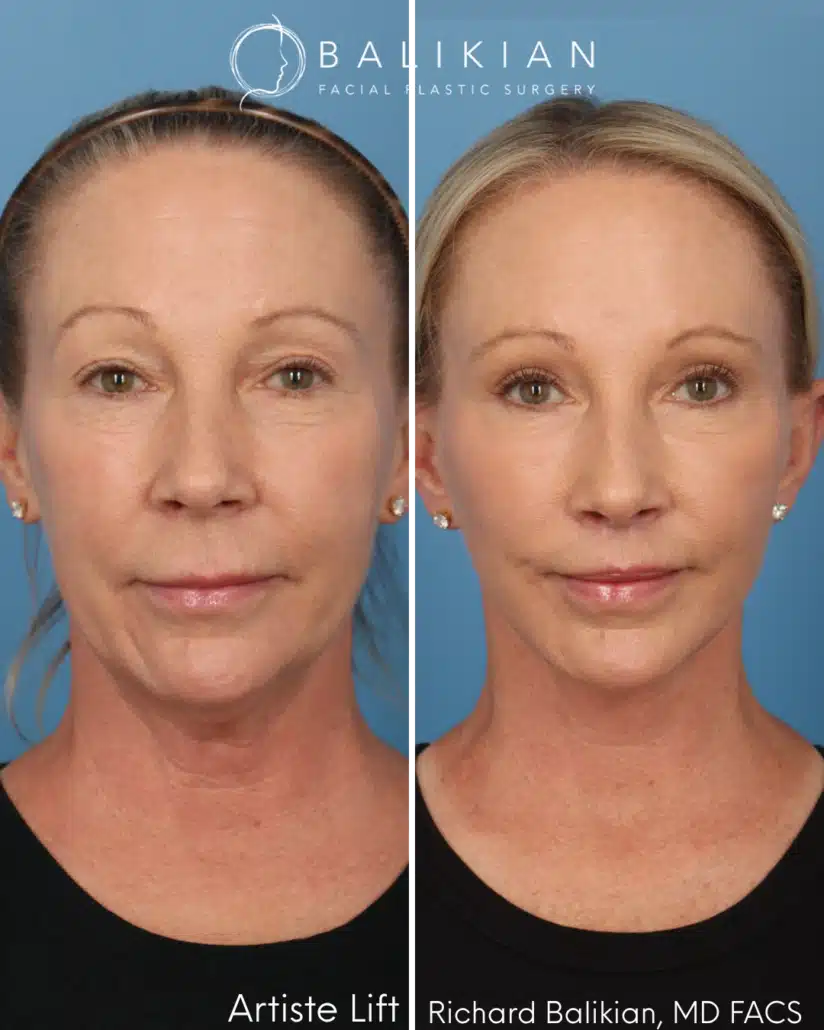
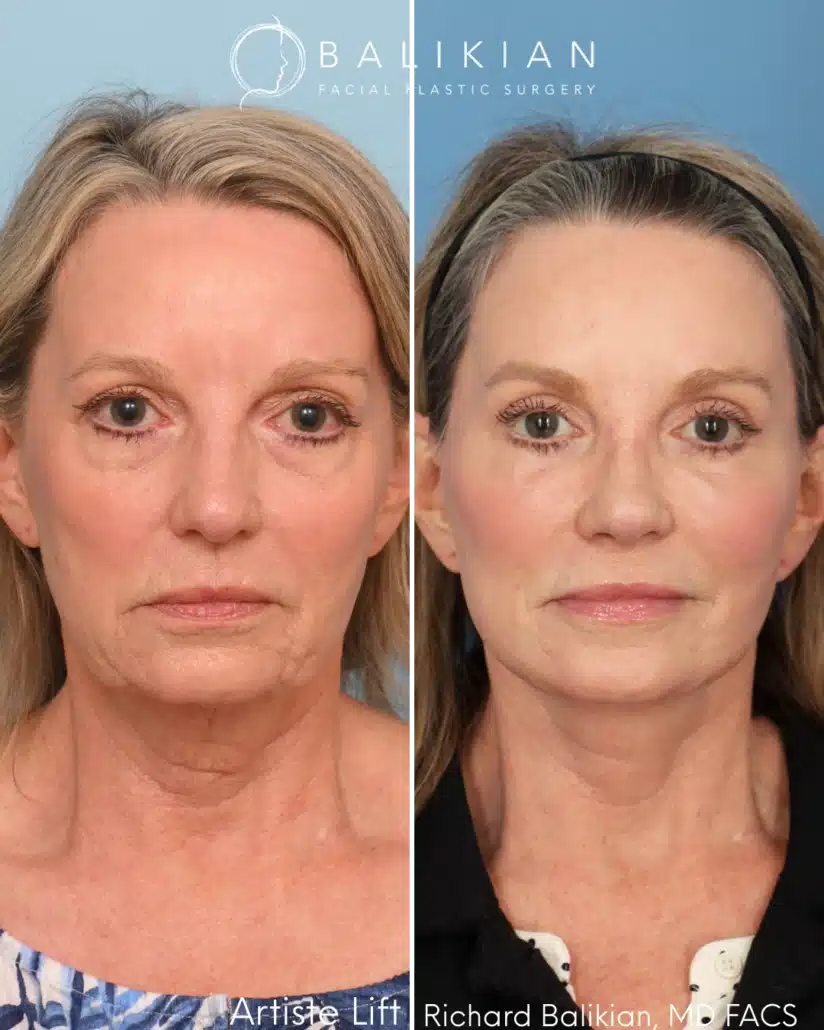

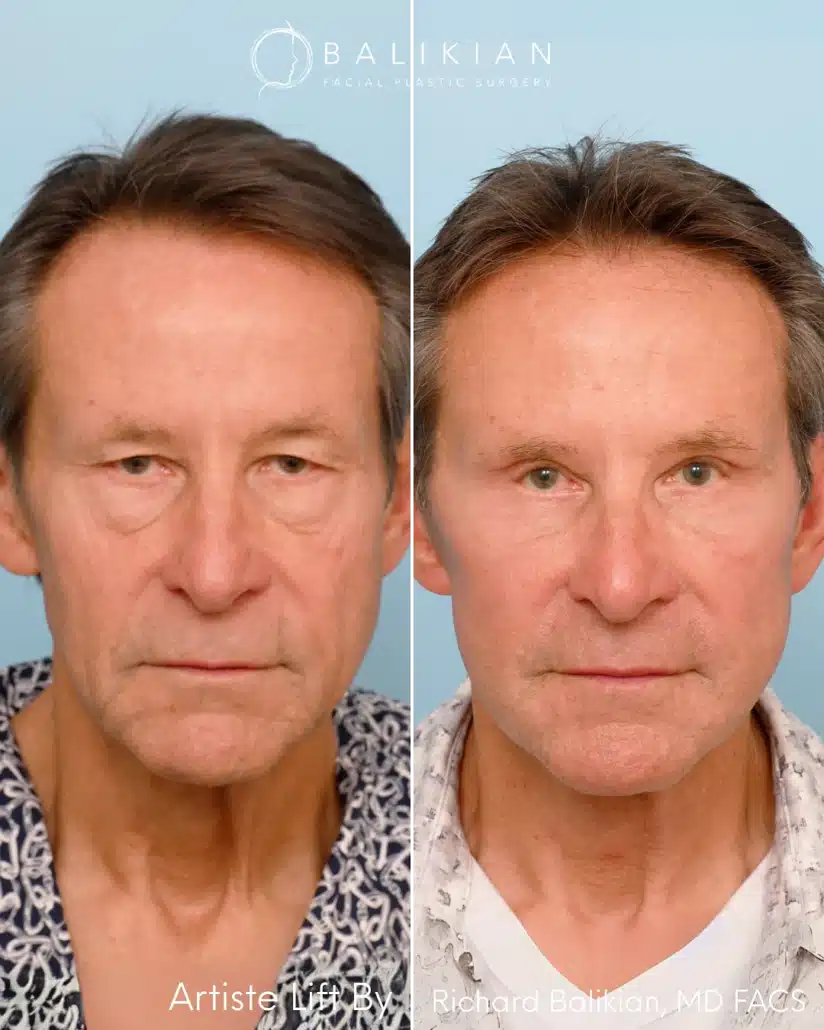
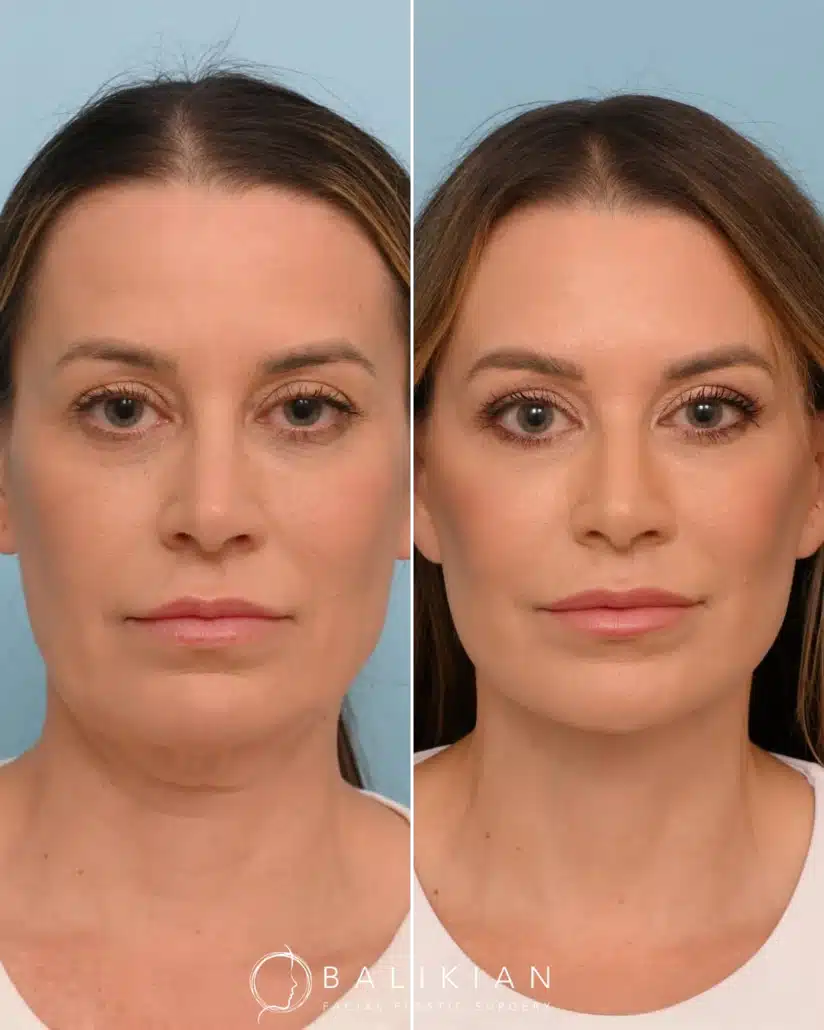
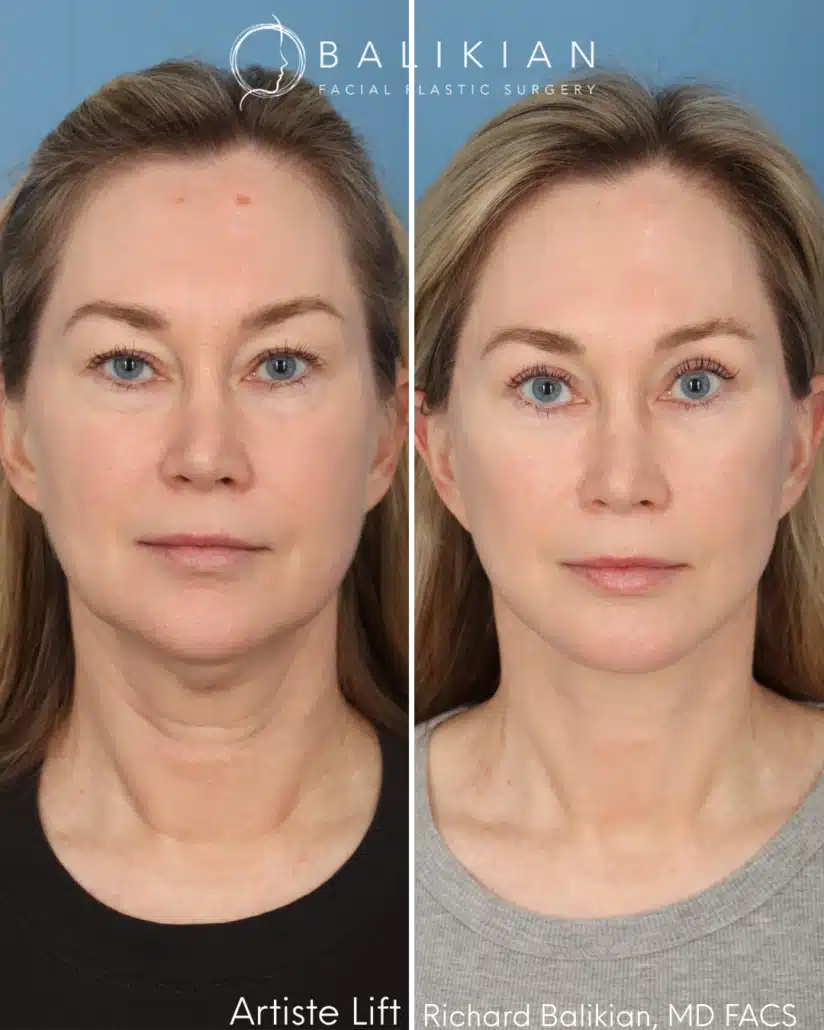
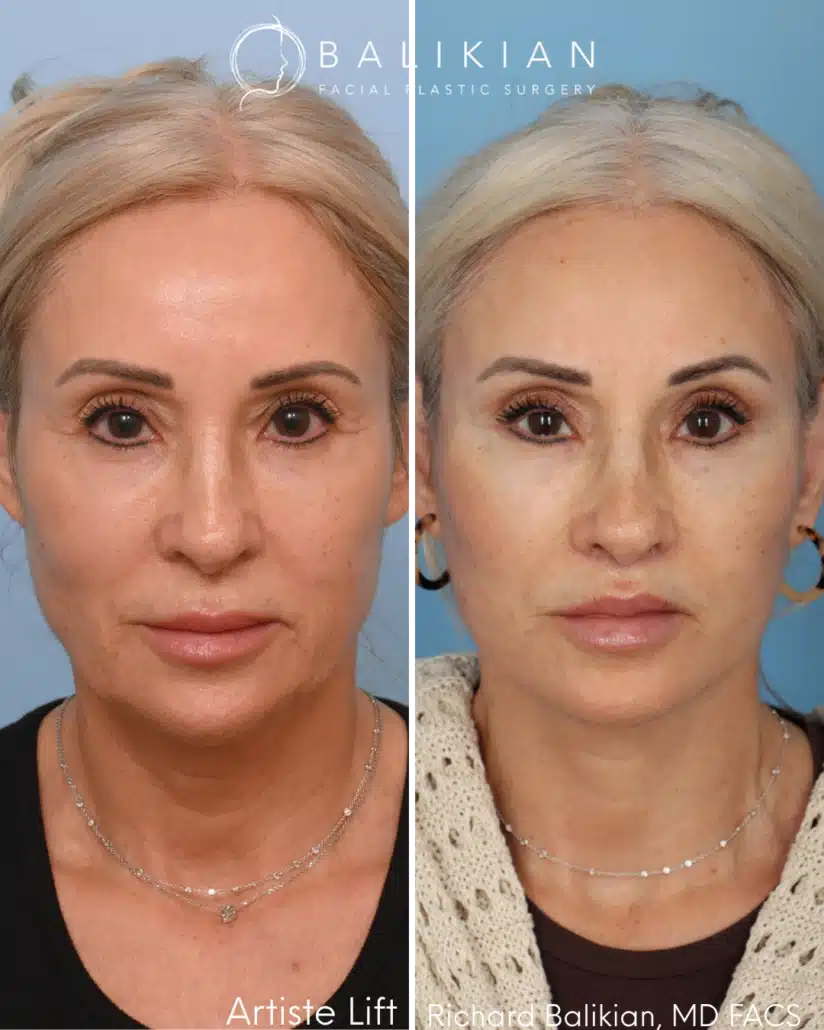
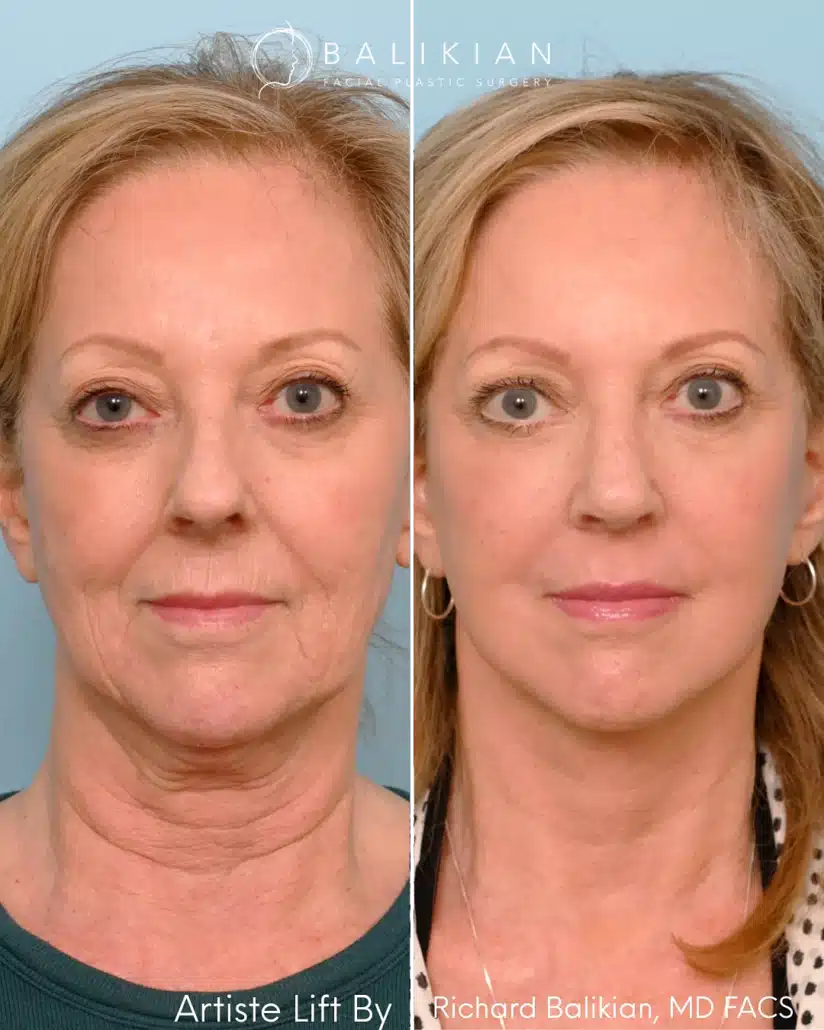
Every decision I make in the operating room is guided by a simple question: “Will this help my patient look more like themselves, or less?” That question guides every recommendation I make, from the initial consultation to the final suture. Sometimes it means recommending a comprehensive rejuvenation plan. Other times it means doing less.
One of the most important lessons I’ve learned is that restraint is just as important as technique. Sometimes the best surgical decision is deciding not to do something. My goal has never been to create younger-looking faces.
It’s to restore the face that’s always been yours.
A facelift should never change who you are. It should simply allow the person you’ve always been to become the focus again.
Your smile should still be your smile. Your expressions should still feel natural. Your friends and family should recognize you immediately, not because the signs of aging are still there, but because you are still there.
The most successful facelift is rarely the one people notice. It’s the one that quietly restores confidence without ever changing identity. Looking younger is gratifying. Looking like yourself is priceless.
That’s the philosophy behind every Artiste Lift™.
Questions Every Patient Should Ask
What is a preservation deep plane facelift?
It is a facelift performed beneath the SMAS where aging begins. The surgeon releases key retaining ligaments and repositions the deeper support layers so the cheeks, jowls, and jawline lift together with minimal tension on the skin.
How is it different from a traditional or SMAS facelift?
Traditional or SMAS lifts often tighten the surface or the SMAS without full ligament release. Preservation deep plane work lifts the foundation, protects blood flow and fat pads, and aims for natural movement and longer lasting contour.
Who is a good candidate?
People with moderate to advanced lower face laxity, early midface descent, visible jowls, and a softened neck angle often benefit. Candidacy is confirmed in consultation based on tissue quality, anatomy, and goals.
What does three-pocket preservation mean?
Instead of widely peeling the skin, the surgeon raises three small access pockets around each ear and under the chin without connecting them. The rest of the skin stays attached to its blood supply and natural fat, which supports comfort and healing.
Do you use drains?
Most patients do not need drains because the skin is not lifted broadly and the preserved blood supply limits fluid buildup. This contributes to a smoother early recovery.
What is fibrin glue and why do you use it?
Fibrin glue is a biologic adhesive used to help the skin readhere evenly after lifting. It provides broad support, reduces inflammation from buried stitches near the surface, and encourages thin, refined incision lines.
How is the neck addressed?
The neck is planned vertically with careful work on the platysma muscle. Excess bulk is reduced when needed, the muscle is repaired, and support is restored to sharpen the cervicomental angle and define the jawline.
Where are the incisions and will my hairline change?
There is a small curved incision under the chin and discreet incisions placed around the ear along natural curves and creases. The approach is designed to protect the hairline and keep scars well hidden.
What will my results look like? will I look pulled?
The aim is younger, not different. Because the deeper support is lifted, the skin can relax without excessive tension. Expressions remain natural and the face moves like itself.
What is the recovery timeline?
Most patients notice swelling and tightness ease during the first week. Light social time is often reasonable by weeks two to three with cover up as needed. Contours continue to refine over months two to three as swelling resolves.
How do scars heal so finely?
Limited skin undermining, low surface tension, and even skin readherence help incisions mature into thin lines. Careful incision placement and attentive aftercare further support a refined result.
Dr. Richard Balikian is a highly respected facial plastic surgeon serving the San Diego area.
With over 20 years of experience and double board certification in Facial Plastic and Reconstructive Surgery as well as Head and Neck Surgery, Dr. Balikian offers a unique combination of technical expertise and artistic vision.
He is part of an elite group of surgeons with extensive training focused exclusively on the face and neck.