Types of Facelifts | SMAS vs Deep Plane vs Preservation
Understanding the Differences Between SMAS, Deep Plane, and Preservation Facelifts
When it comes to facial rejuvenation, not all facelifts are the same. There are different techniques designed to meet different goals, skin types, and stages of aging.
The most common approaches include the SMAS facelift, the deep plane facelift, and a newer, more advanced technique called the preservation deep plane facelift.

Facelift surgery includes several approaches designed to address facial aging at different structural levels. For a broader overview of how facelift surgery is planned and how modern techniques compare, visit our Facelift Surgery Education hub.
If you’re considering a facelift, it’s important to understand how each technique works so you can make an informed decision.
The SMAS (Superficial Musculoaponeurotic System) facelift is one of the most time-tested and widely performed facelift techniques. Instead of simply tightening the skin, this method targets the deeper facial layer known as the SMAS, an important structure that supports facial expression and contours. By repositioning and securing this layer, surgeons can lift the cheeks, smooth the jawline, and enhance overall facial harmony without creating that overly tight or “pulled” look.
Because the SMAS facelift involves less extensive dissection than deeper techniques, it typically comes with a shorter recovery period and lower risk of complications. It strikes a balance between noticeable rejuvenation and a more conservative approach.
Benefits:
Best for:
Patients in their 40s to 60s experiencing mild to moderate signs of facial aging who want a subtle yet refreshing improvement, without a major recovery commitment.
The deep plane facelift is considered one of the most advanced and transformative surgical techniques available today. Unlike traditional facelifts that only reposition the skin or superficial layers, the deep plane approach works beneath the SMAS (Superficial Musculoaponeurotic System) to lift the face’s structural components as a single, unified layer. This includes the underlying fat pads, ligaments, and muscles responsible for facial shape and expression.
By releasing and repositioning these deeper tissues, the deep plane facelift restores natural volume and contour, particularly in the midface, jawline, and neck. It is especially effective at softening deep nasolabial folds, lifting sagging cheeks, and redefining the jawline, results that are not only more comprehensive, but also longer-lasting.
What makes this technique especially powerful is its ability to create dramatic improvements without over-tightening the skin. Because the lift happens at a deeper level, the overlying skin settles naturally into its new position, preserving your facial identity while restoring youthful harmony.
Benefits:
Considerations:
The deep plane facelift is more technically complex than other facelift methods and should be performed by a highly experienced facial plastic surgeon who has deep knowledge of facial anatomy.
While recovery may take slightly longer than with more superficial techniques, the results are often well worth the investment, especially for those seeking refined, comprehensive facial rejuvenation.
The preservation deep plane facelift represents the latest evolution in facial rejuvenation surgery. This advanced technique builds on the power of the traditional deep plane facelift, lifting the deeper structural layers of the face, but does so in a more refined and tissue-conscious way.
The key difference lies in how the procedure is performed: rather than widely undermining or separating the skin from underlying tissues, the preservation approach maintains important blood vessels, ligaments, and connective tissue.
By preserving the skin’s natural support structures and vascular supply, this method helps minimize trauma, reduce bruising and swelling, and support faster, safer healing. At the same time, it delivers the same deep, sculptural lift that has made the deep plane facelift the gold standard for comprehensive facial rejuvenation.
Patients benefit from a smoother contour of the cheeks, a cleaner jawline, and a more elegant neck profile, without the overly tight or “operated” appearance. Because the tissues are lifted as a natural unit, the results appear effortless, soft, and age-appropriate.
Benefits:
Best for:
Patients seeking powerful, natural rejuvenation with a gentler recovery.
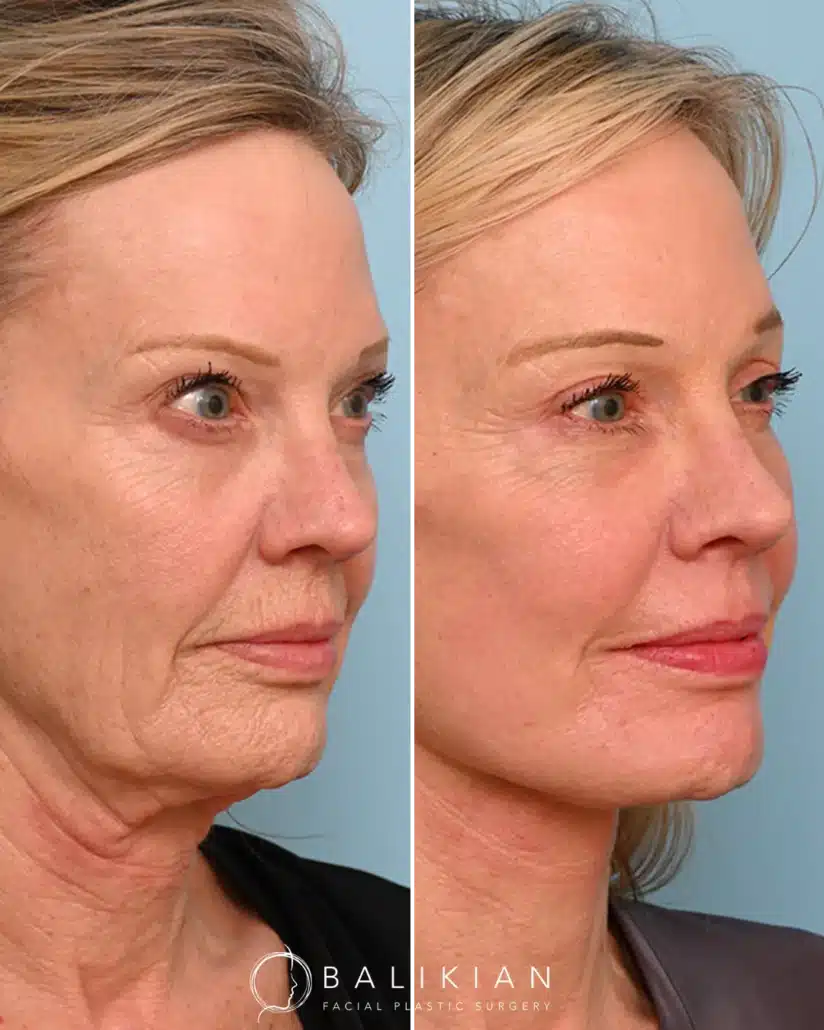

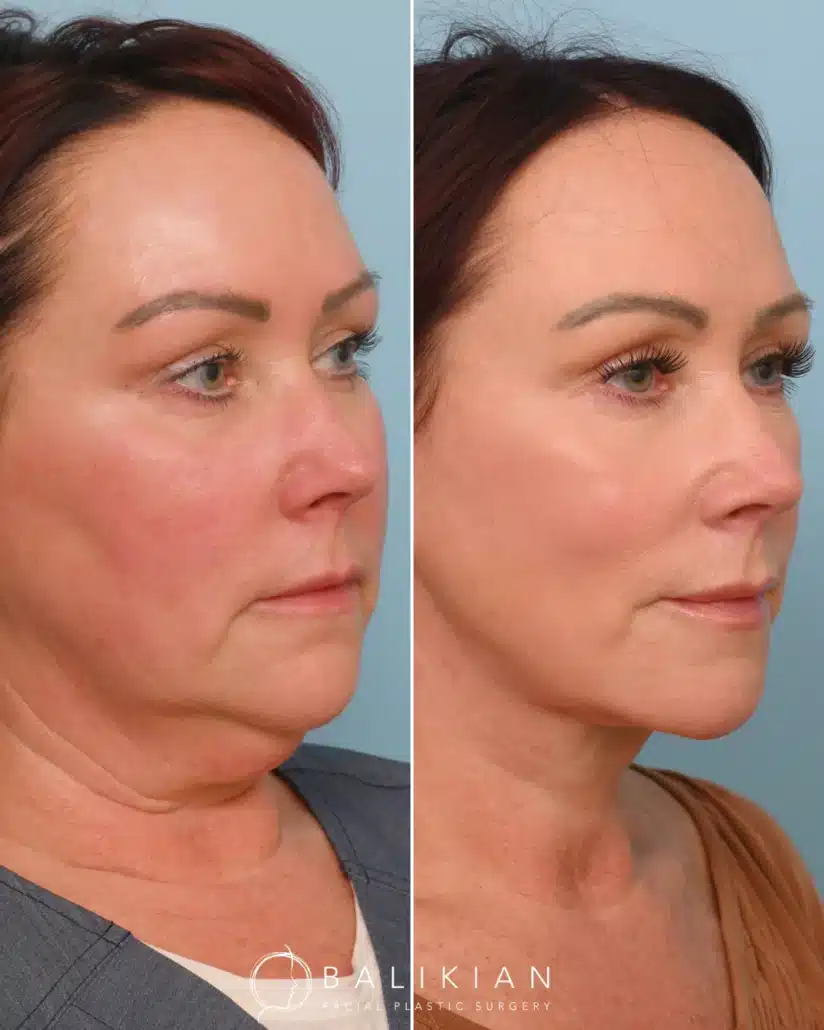
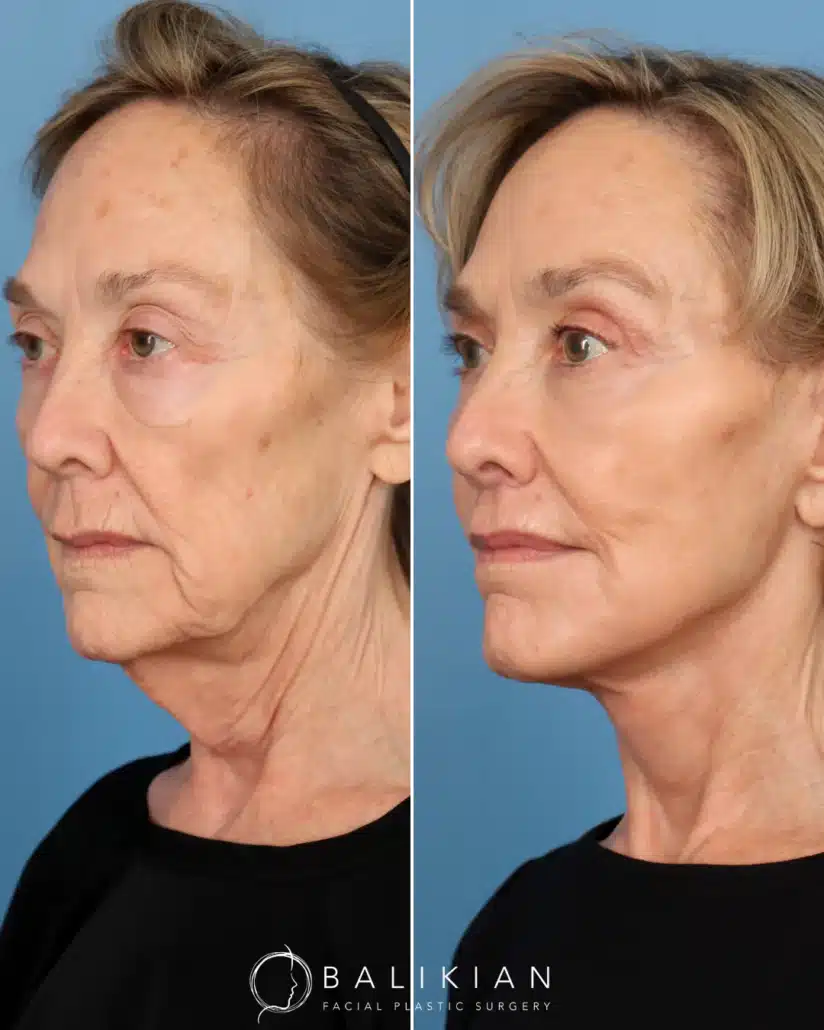
| Technique | Best For | Downtime | Results | Key Benefit |
|---|---|---|---|---|
| SMAS Facelift | Mild to moderate aging | Short | 5–10 years | Reliable, less invasive |
| Deep Plane Facelift | Moderate to advanced aging | Moderate | 10–15 years | Lifts deeper tissues naturally |
| Preservation Deep Plane | Advanced results with faster healing | Short to moderate | Long-lasting | Natural lift with less trauma |
The best facelift for you depends on your anatomy, your goals, and how much downtime you’re comfortable with. During your consultation, Dr. Balikian will carefully evaluate your facial structure and skin quality and recommend the approach that will give you the most natural, long-lasting results.
No matter which technique is used, the goal is the same: to help you look refreshed, confident, and completely like yourself.
These techniques have been studied in clinical settings over the past several years. Recent studies show:
These findings highlight the importance of a personalized approach, one that matches the right technique to each patient’s unique anatomy, goals, and stage of aging.
A facelift is not just about tightening the skin, it’s about restoring your natural facial structure in a way that feels like you. Whether you’re just starting to explore your options or you’ve had consultations before, understanding these different types of facelifts can help guide your next step.
To learn more or schedule a consultation with Dr. Balikian, contact our office, we’re here to guide you every step of the way.
Dr. Richard Balikian is a highly respected facial plastic surgeon serving the San Diego area.
With over 20 years of experience and double board certification in Facial Plastic and Reconstructive Surgery as well as Head and Neck Surgery, Dr. Balikian offers a unique combination of technical expertise and artistic vision.
He is part of an elite group of surgeons with extensive training focused exclusively on the face and neck.
Read the Science