Can Blepharoplasty Change Eye Shape?
Understanding Canthoplasty, Canthopexy and the Techniques That Help Preserve Natural Eye Shape
One of the most common concerns patients have before eyelid surgery is whether blepharoplasty will change the shape of their eyes.
Most patients are not seeking a new eye shape. They want to look less tired, more rested and more refreshed while preserving the features that make them recognizable. The challenge is that the eyes are among the most delicate and expressive features of the face, where even small changes can significantly impact appearance.
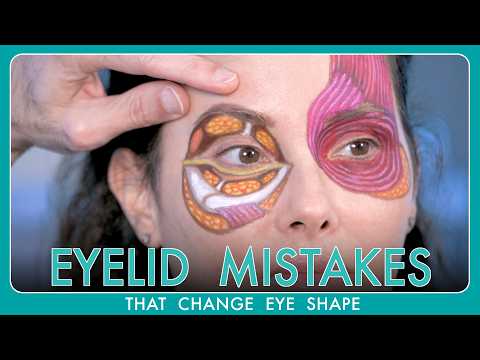
The answer is that blepharoplasty can change eye shape. However, understanding why those changes occur and how they can often be avoided is an important part of planning natural-looking eyelid surgery.
Patients frequently describe their eyes as looking tired, heavy or aged despite feeling energetic and healthy.
While excess skin is often part of the problem, the appearance of the eyes is influenced by much more than skin alone. Brow position, muscle tone, fat compartments, volume loss and eyelid support all contribute to the way the eyes age over time.
“When I do lower eyelid and upper eyelid surgery, I want your eyelid shape to stay the same. I don’t want to change it unless there’s a deformity there to begin with.”
– Dr. Balikian
This is why successful eyelid rejuvenation requires a comprehensive evaluation of the upper face rather than focusing on a single structure.
The goal is not simply to remove tissue. The goal is to restore balance while maintaining the natural character of the eyes.
Eye shape changes most commonly occur when important anatomical structures are altered unnecessarily or when too much tissue is removed.
Common causes include:
These changes can sometimes create eyes that appear hollow, rounded, pulled downward, overly tight or simply different from their natural appearance.
Modern blepharoplasty focuses on preserving normal anatomy whenever possible while addressing the specific changes that contribute to an aged or tired appearance.
Historically, some blepharoplasty techniques focused on removing skin, muscle and fat to create a deeper eyelid crease and a more dramatic result.
While this approach may initially create a sharper contour, it can also contribute to hollowing and changes in eye shape over time.
The muscles surrounding the eyes play an important role in blinking and eyelid support. The fat compartments around the eyes provide youthful fullness and help protect the eye itself. Removing too much of either structure can alter both appearance and function.
This is one reason modern blepharoplasty often focuses on preservation and repositioning rather than aggressive removal.
In many patients, maintaining natural volume is just as important as removing excess tissue.
Volume loss is another important contributor to facial aging.
When performed thoughtfully, fat transfer can restore support and soften hollow areas around the eyes while maintaining natural facial contours.
However, the tissues surrounding the eyes require a high level of precision. Overcorrection or improper placement can alter the appearance of the eyes and surrounding structures.
Successful facial rejuvenation requires understanding where volume has been lost, how much replacement is needed, and how those changes will interact with the rest of the face.
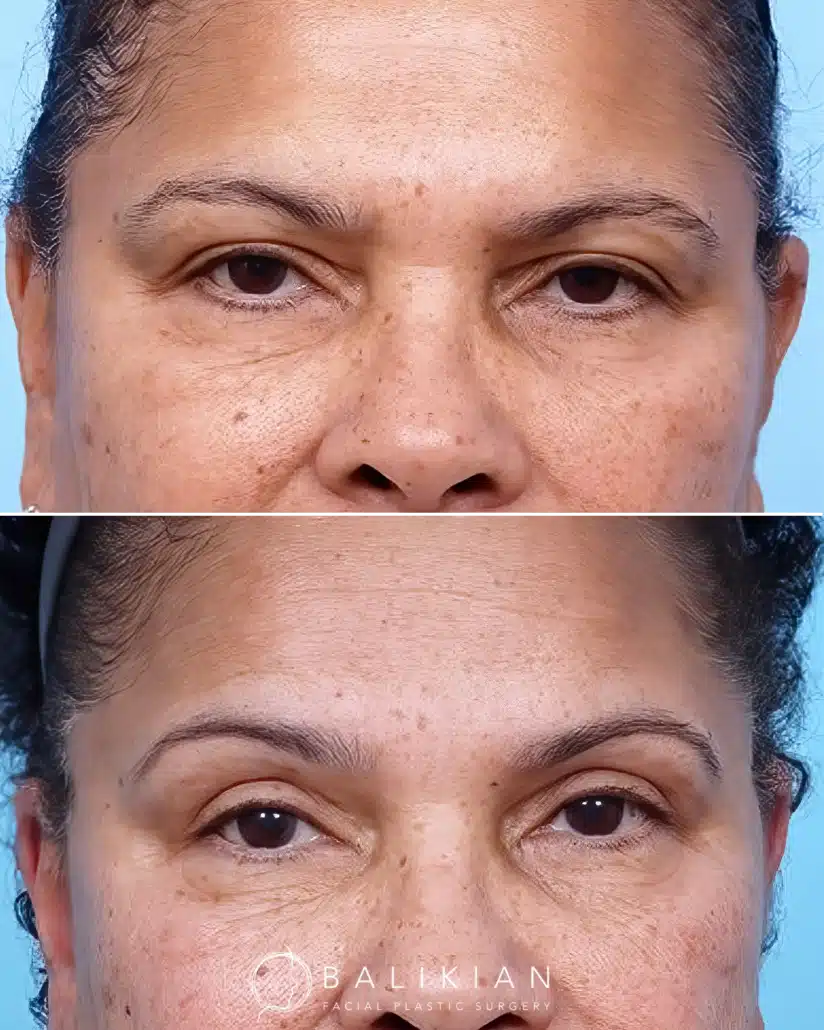
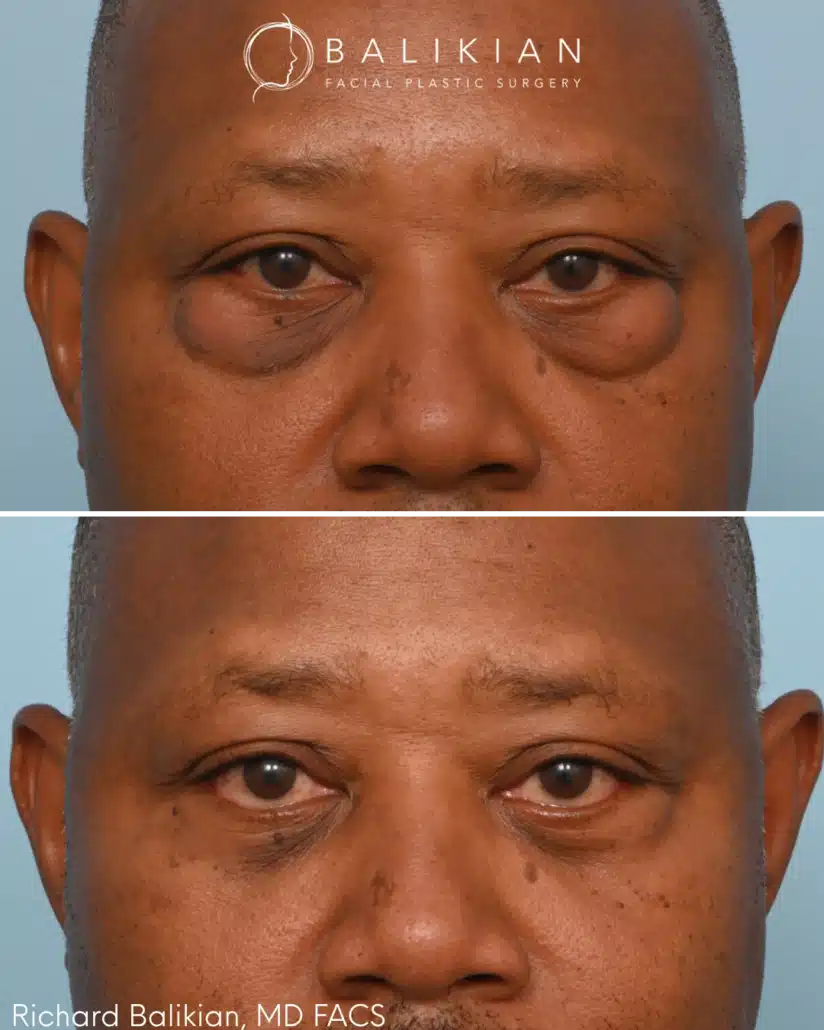
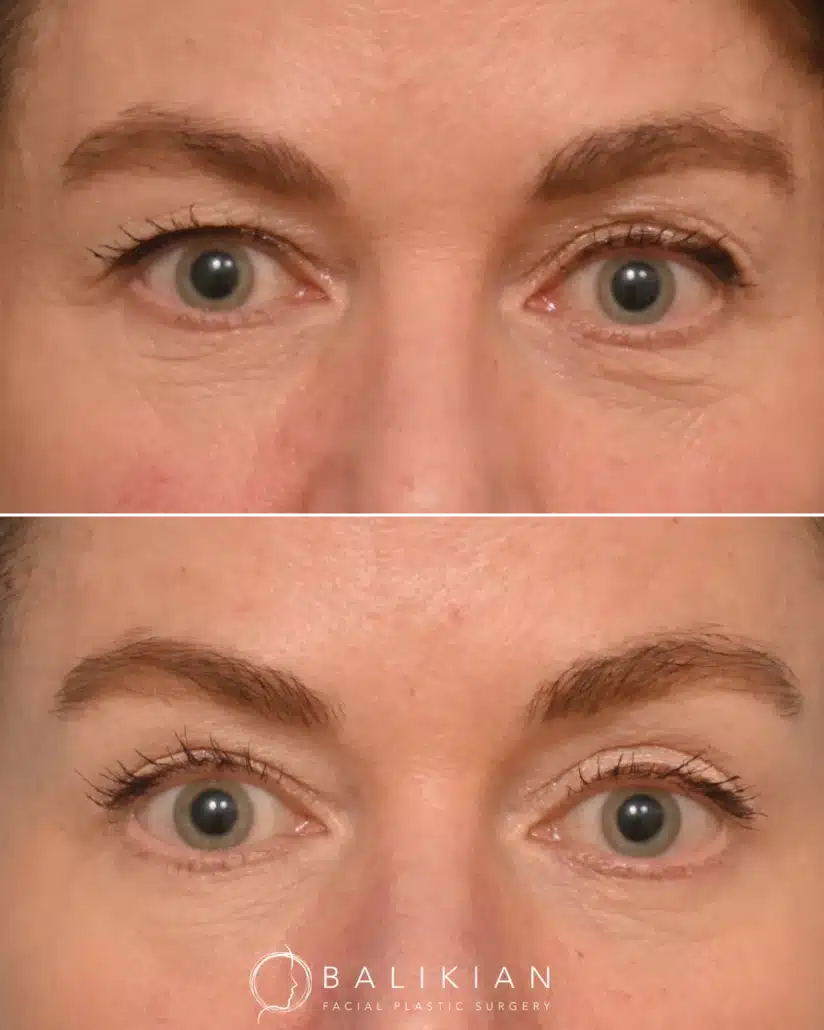


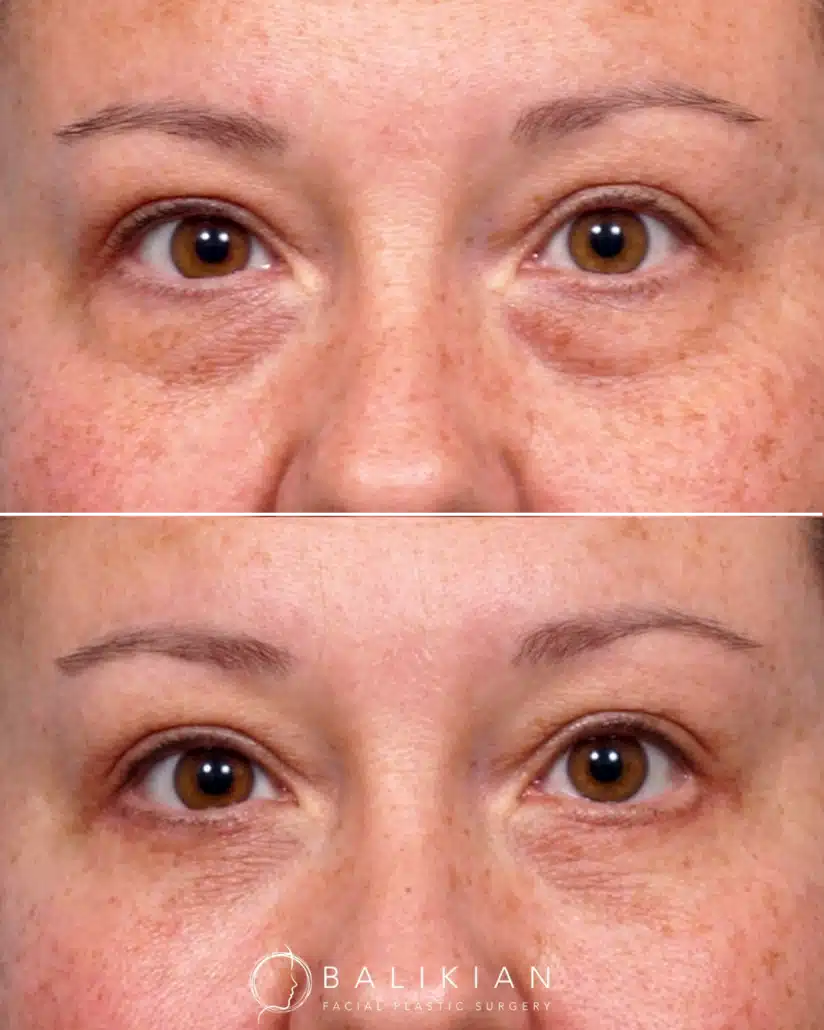

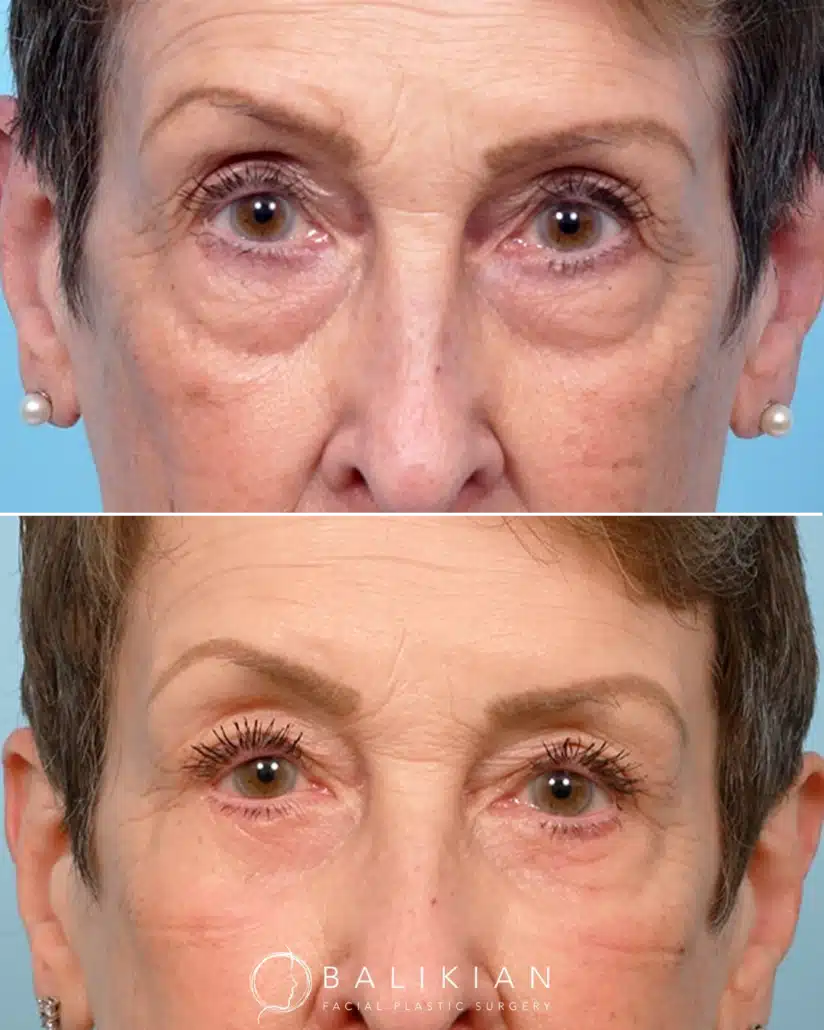
Patients researching eyelid surgery often encounter terms such as canthoplasty and canthopexy.
Both procedures involve the structures that support the outer corner of the eye, known as the lateral canthus. These structures help maintain lower eyelid position, support and overall eye shape.
Canthopexy
Canthoplasty
Both procedures can be valuable when appropriately indicated. Patients with eyelid laxity, weakness or certain anatomical concerns may benefit from additional support during lower eyelid surgery.
The important question is not whether these procedures are good or bad. The important question is whether they are necessary.
Not every patient undergoing blepharoplasty requires a canthoplasty or canthopexy. Treatment should be based on anatomy, eyelid support and individual goals rather than a routine surgical formula.
Because canthoplasty directly involves structures that help support the outer corner of the eye, it can influence eye shape and eyelid position.
In some patients, these changes may be beneficial and help correct existing eyelid laxity or asymmetry. In others, altering these structures unnecessarily may create changes the patient did not want.
This is why careful evaluation before surgery is so important.
The decision to perform a canthoplasty or canthopexy should be based on the patient’s anatomy and functional needs rather than performed routinely as part of every blepharoplasty procedure.
The lower eyelid relies on a complex network of muscles, ligaments and supporting tissues to maintain its position against the eye. When these structures are weakened or disrupted, the lower eyelid can lose support and change position.
This is one reason some surgeons prefer techniques that preserve lower eyelid muscle function whenever possible. Maintaining proper support helps preserve natural eye shape, blinking function and long-term eyelid stability.

The eyes do not exist in isolation.
The position of the eyebrows has a direct impact on the appearance of the upper eyelids. In some patients, what appears to be excess eyelid skin is actually the result of brow descent.
As the brows descend over time, they can:
Likewise, an overly aggressive brow lift can influence the appearance of the eyes just as easily as eyelid surgery itself. Modern brow rejuvenation focuses on restoring support and releasing the structures that contribute to brow descent rather than aggressively lifting the brows into an unnatural position.
The goal is to create a brighter appearance while maintaining natural expression.
The most natural blepharoplasty results are often the ones that attract the least attention. Patients may look more rested, more energetic and more youthful, yet still look like themselves.
Achieving that result requires understanding the relationship between skin, muscle, fat, brow position, eyelid support and facial balance. Sometimes that means removing excess skin. Sometimes it means preserving volume. Sometimes it means supporting the eyelid. Sometimes it means recognizing that no additional procedure is necessary.
The best eyelid surgery does not create a new eye shape.
It preserves the characteristics that make the eyes uniquely yours while addressing the changes that create a tired appearance.
Small details matter. In eyelid surgery, those details often make the difference between a good result and an exceptional one.
Can blepharoplasty change eye shape?
Yes. Blepharoplasty can influence eye shape when important supporting structures of the eyelids are altered or when too much skin, fat, or muscle is removed. Modern blepharoplasty focuses on preserving natural anatomy while addressing the changes that create a tired appearance.
Why do some people look different after eyelid surgery?
Patients may look different after eyelid surgery when eyelid support is altered, excessive tissue is removed, or the lower eyelid loses proper contact with the eye. Common concerns include hollowing, lower eyelid retraction, rounding of the eyes and changes in eyelid position.
Can lower blepharoplasty change eye shape?
Yes. Lower blepharoplasty can influence eye shape because the lower eyelid contributes significantly to the contour and support of the eye. Careful evaluation of eyelid laxity and support is important to help prevent postoperative eyelid malposition.
What is a canthoplasty?
Canthoplasty is a procedure that modifies the tissues supporting the outer corner of the eye, known as the lateral canthus. It is often used when greater eyelid tightening or repositioning is needed.
What is a canthopexy?
Canthopexy is a procedure that reinforces and supports existing lower eyelid structures without the more extensive tissue modification associated with canthoplasty. It is commonly used when mild to moderate eyelid support is needed.
What is the difference between canthoplasty and canthopexy?
Canthopexy generally provides support and stabilization of the lower eyelid, while canthoplasty involves more extensive modification of the lateral canthal structures and can create greater changes in eyelid position. The appropriate procedure depends on the degree of eyelid laxity and the patient’s anatomy.
Does every blepharoplasty patient need a canthoplasty or canthopexy?
No. Not every patient requires additional eyelid support procedures. Studies emphasize that treatment should be based on eyelid laxity, anatomy and risk factors rather than applying the same surgical plan to every patient.
Can removing too much skin during blepharoplasty change eye shape?
Yes. Excessive skin removal can create tension on the eyelids and contribute to changes in eyelid position. Modern blepharoplasty emphasizes conservative tissue management and preservation of normal eyelid function.
How do surgeons help prevent lower eyelid retraction after blepharoplasty?
Preoperative assessment of eyelid laxity, careful preservation of lower eyelid support structures and selective use of canthopexy or canthoplasty can help reduce the risk of lower eyelid malposition and retraction.
How can natural eye shape be preserved during blepharoplasty?
Preserving natural eye shape requires understanding the relationship between eyelid support, muscle tone, skin excess, brow position and facial balance. Modern blepharoplasty focuses on treating the cause of aging changes while preserving the structures that contribute to normal eyelid position and expression.
Dr. Richard Balikian is a highly respected facial plastic surgeon serving the San Diego area.
With over 20 years of experience and double board certification in Facial Plastic and Reconstructive Surgery as well as Head and Neck Surgery, Dr. Balikian offers a unique combination of technical expertise and artistic vision.
He is part of an elite group of surgeons with extensive training focused exclusively on the face and neck.