Heavy Upper Eyelids and the Lacrimal Gland in Blepharoplasty
Not Every Upper Eyelid Bulge is Excess Skin or Fat
When patients look in the mirror and notice heavy upper eyelids, they often assume the problem is excess skin. Others may notice a small bulge near the outer corner of the upper eyelid and assume it is fat.
Sometimes they are right.
Sometimes the cause is something entirely different.

One of the lesser-known structures that can contribute to upper eyelid fullness is the lacrimal gland. While most patients have never heard of it, recognizing its role can make an important difference when planning blepharoplasty.
The lacrimal gland is responsible for producing many of the tears that keep the eyes comfortable and healthy. It sits in the upper outer portion of the eye socket, tucked beneath the bone of the orbit.

The lacrimal gland sits in the upper outer portion of the eye socket, where it produces tears that help lubricate and protect the eye. As supporting tissues weaken with age, the gland can descend and contribute to fullness in the outer upper eyelid.
In a youthful eyelid, the gland remains hidden from view. Over time, the tissues supporting the gland can weaken. As this occurs, the gland may descend slightly from its normal position and become visible as fullness in the outer portion of the upper eyelid.
Patients frequently describe this as heaviness or a persistent bulge that seems different from the rest of the eyelid.
One of the most important concepts in eyelid rejuvenation is that multiple structures contribute to the appearance of the eyes.
“Sometimes this lacrimal gland, which is supposed to be tucked up underneath the eye bone, starts to sag down.”
– Dr. Balikian
When patients notice heavy upper eyelids, they often assume the problem is excess skin. In reality, several different anatomical structures can create a similar appearance. Understanding which structure is responsible is one of the keys to successful blepharoplasty.
Heavy upper eyelids may be influenced by:
This is why understanding why brow position matters in eyelid surgery can be just as important as evaluating the eyelid itself.
The lacrimal gland adds another layer to that evaluation. Because it occupies the outer portion of the upper eyelid, it can sometimes create fullness that resembles fat but requires a completely different approach.
Rather than simply removing tissue, the goal of blepharoplasty is to identify the specific structures contributing to the appearance of heavy eyelids and address them appropriately. The better we understand the anatomy, the more natural and balanced the final result tends to be.
The eyelids contain multiple anatomical layers that work together to protect and support the eye. Understanding the three eyelid layers that matter most in blepharoplasty helps explain why different structures can create similar appearances.
While excess fat can contribute to puffiness, the lacrimal gland serves a completely different purpose. It is a functional structure responsible for tear production and ocular surface health.
Research has shown that lacrimal gland prolapse is not uncommon among patients seeking upper blepharoplasty. Because the gland sits near the outer portion of the upper eyelid, it can occasionally be mistaken for excess fat if its position is not carefully evaluated.
This distinction matters because the treatment is different.
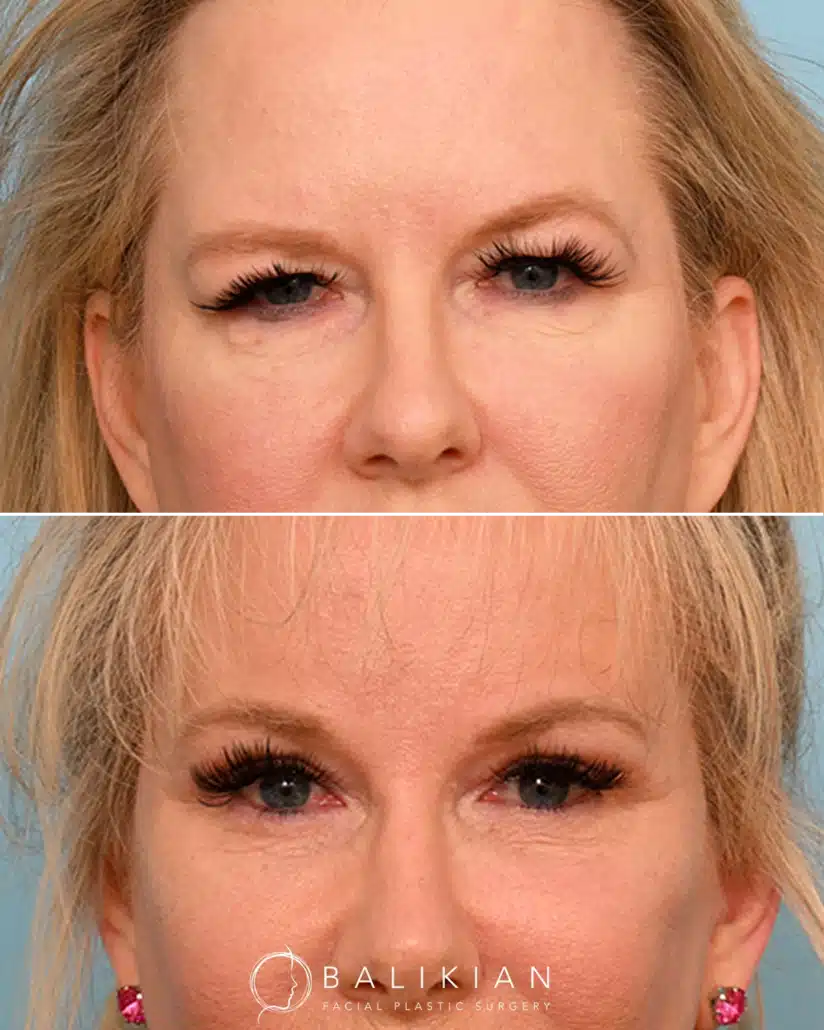
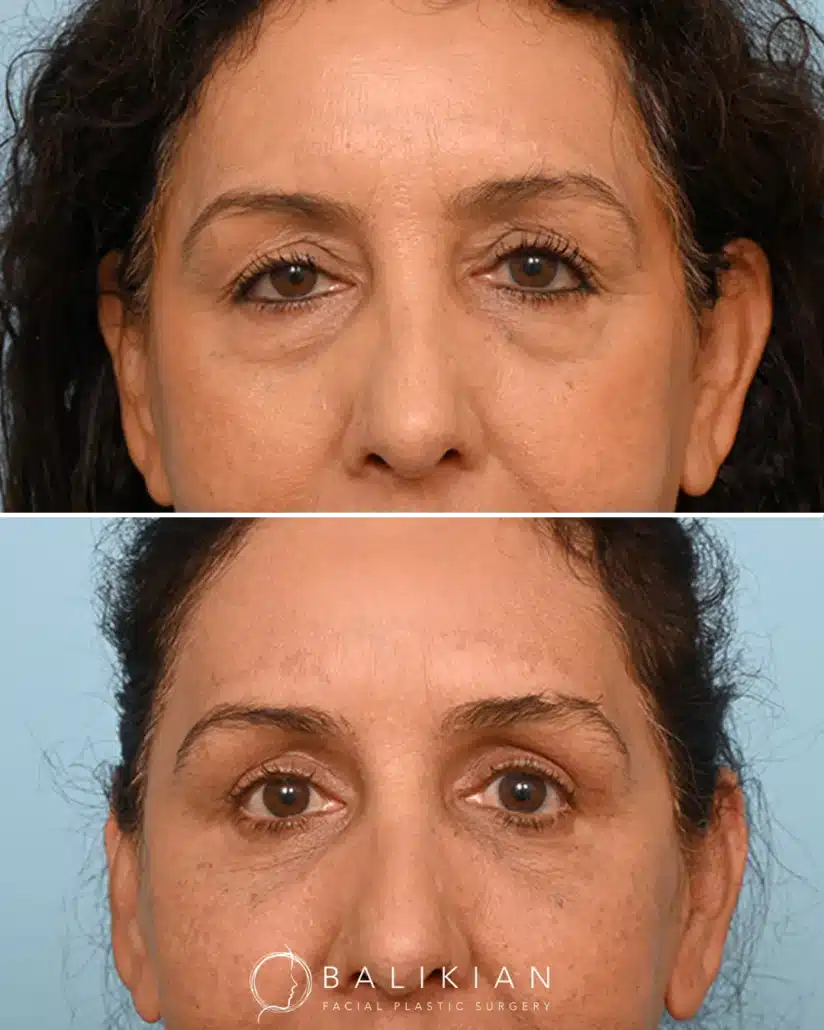
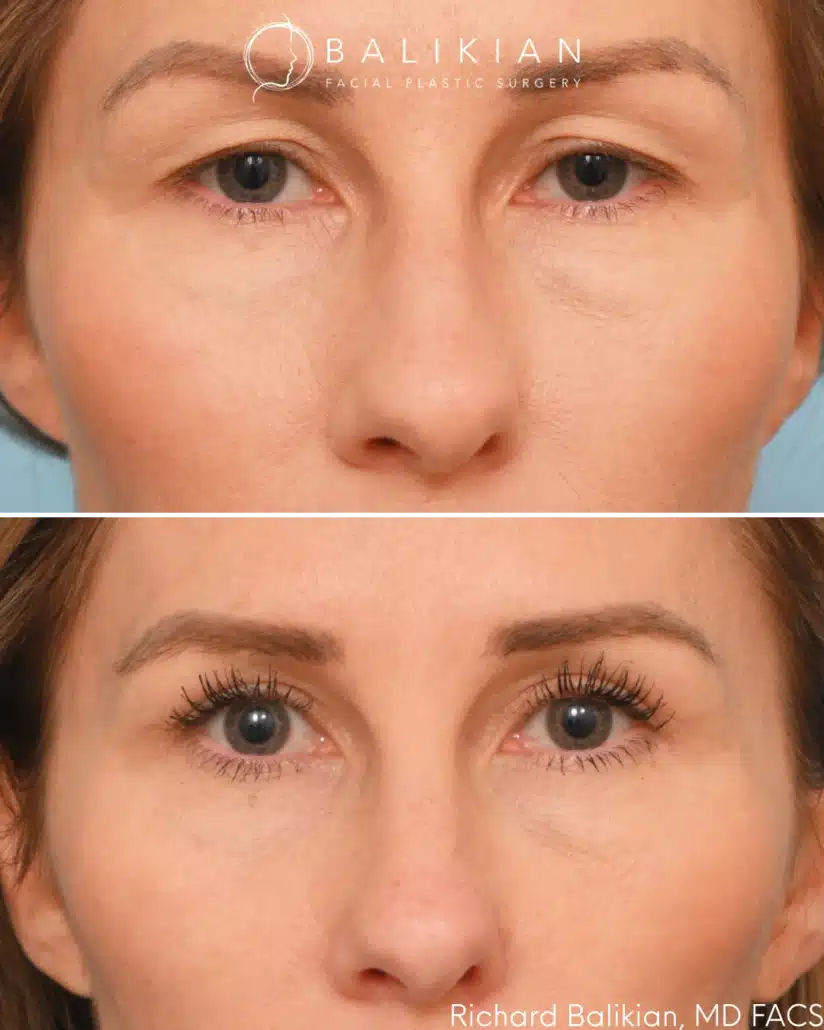

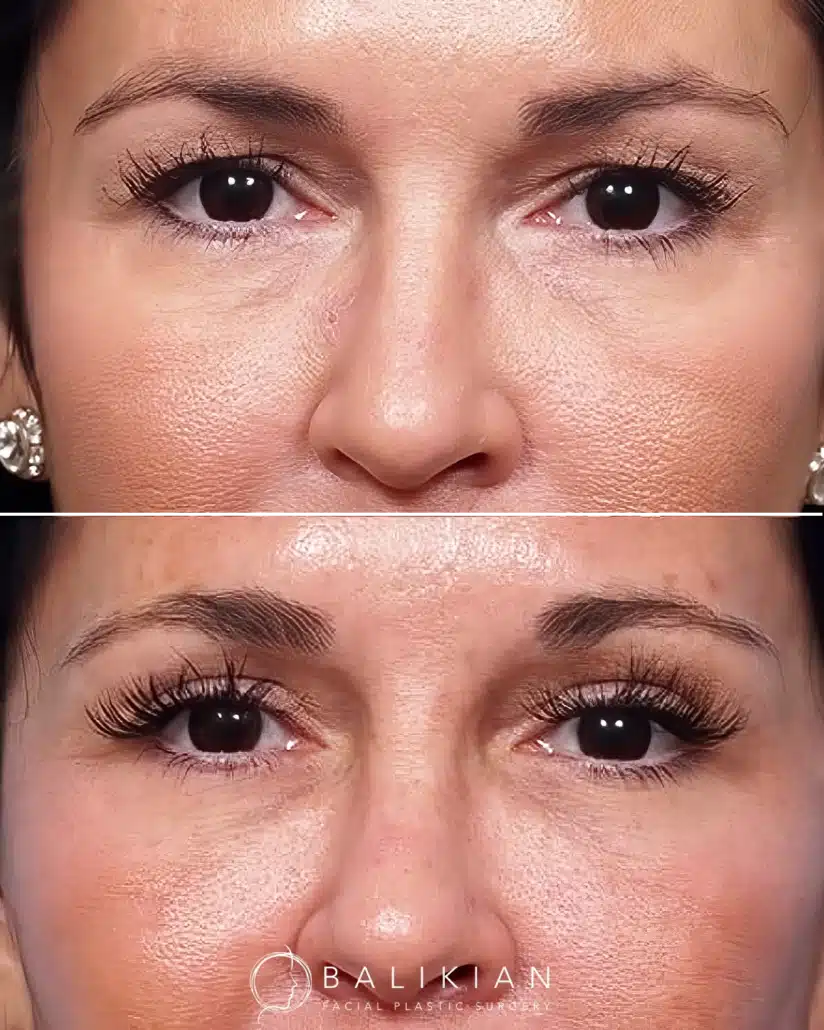
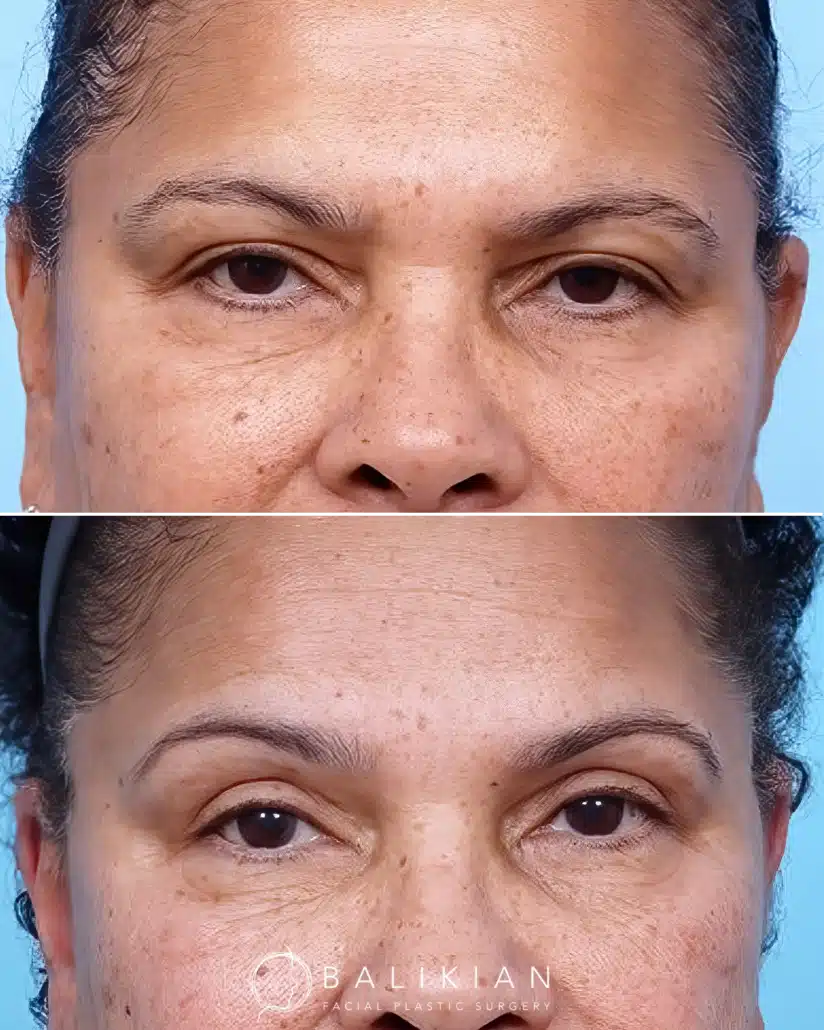
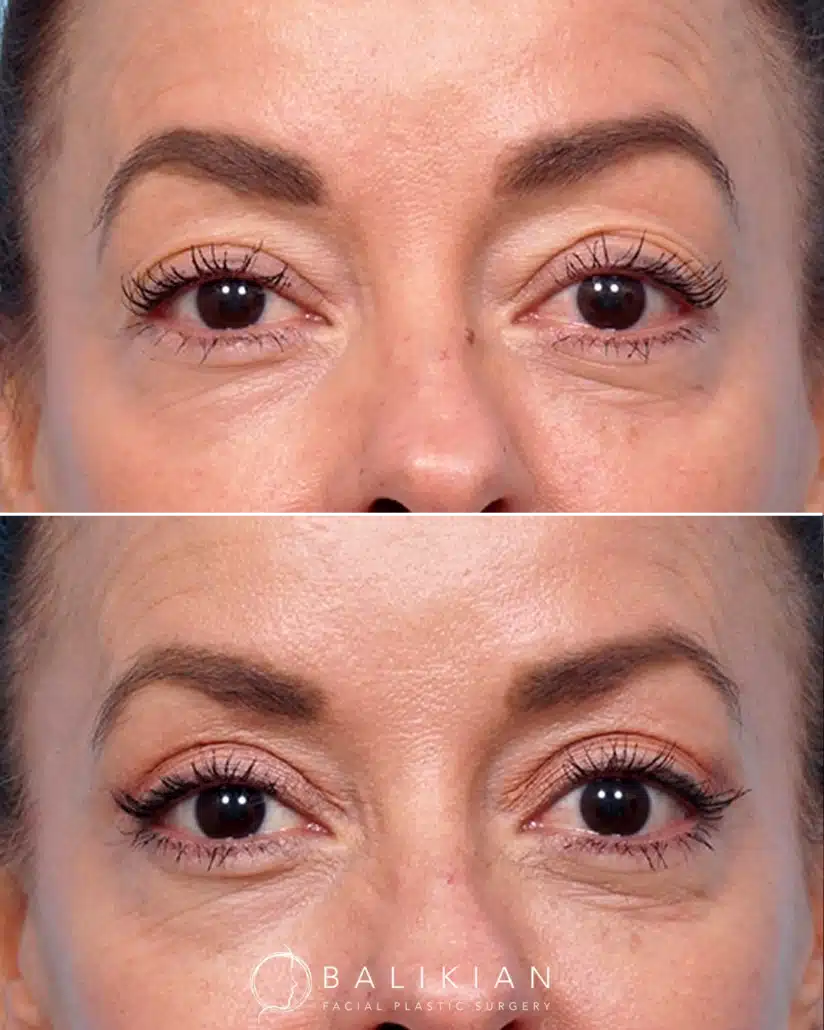

When the lacrimal gland has descended from its normal position, it can often be corrected through the same incision used for upper blepharoplasty.
Rather than removing the gland, the goal is to restore it to its natural location beneath the orbital rim while preserving its important role in tear production.
The process typically involves:
Because this is performed through the same incision used for eyelid surgery, no additional external scars are required.
When appropriately addressed, lacrimal gland repositioning can:
Recent studies have shown that lacrimal gland repositioning can be performed safely and effectively when prolapse is present, helping address a common but often overlooked contributor to upper eyelid fullness.
Many patients focus on the excess skin they can see in the mirror. Surgeons must look beyond the skin to understand all of the structures contributing to the appearance of the eyes.
Successful blepharoplasty often depends on recognizing details that are easy to overlook, including:
Sometimes treatment involves removing excess skin. Sometimes it involves preserving volume. Sometimes it involves addressing brow position. And occasionally, it means recognizing that a visible bulge is not fat at all.
This philosophy reflects a broader principle in facial rejuvenation: understanding the anatomy well enough to do exactly what is needed and nothing more.
Sometimes recognizing a prolapsed lacrimal gland is the small detail that makes the difference between a good result and a spectacular result.

Although this discussion focuses on the upper eyelid, every area around the eyes ages differently. As we discuss throughout our education series, upper and lower blepharoplasty are not the same procedure, and each requires a unique understanding of anatomy and aging.
For additional articles on eyelid anatomy, brow position, recovery, fat preservation and surgical planning, visit our Eyelid Surgery Education Hub.
If you’ve noticed heavy upper eyelids or fullness near the outer corner of the eye, the cause may involve more than excess skin alone. Structures such as the brow, eyelid fat and even the lacrimal gland can all influence the appearance of the upper eyelid.
Understanding these anatomical details helps create a more individualized approach to blepharoplasty. By addressing the specific structures contributing to eyelid aging, surgeons can create results that appear natural, balanced and refreshed.
What is the lacrimal gland?
The lacrimal gland is a tear-producing gland located in the upper outer portion of the eye socket. It helps keep the eyes lubricated and comfortable by producing many of the tears that protect the ocular surface.
Can the lacrimal gland cause heavy upper eyelids?
Yes. As the tissues supporting the lacrimal gland weaken with age, the gland can descend from its normal position and create fullness in the outer portion of the upper eyelid. This may contribute to the appearance of heavy upper eyelids or a visible bulge.
Is a lacrimal gland prolapse the same as eyelid fat?
No. Although both can create upper eyelid fullness, they are different anatomical structures. Eyelid fat cushions the eye within the orbit, while the lacrimal gland is responsible for tear production. Properly distinguishing between the two is an important part of surgical planning.
How common is lacrimal gland prolapse in blepharoplasty patients?
Research suggests lacrimal gland prolapse may be present in approximately 10% of patients undergoing upper blepharoplasty, making it an important but often overlooked contributor to upper eyelid fullness.
Can the lacrimal gland be corrected during blepharoplasty?
Yes. When lacrimal gland prolapse is identified, the gland can often be repositioned during upper blepharoplasty through the same incision used for eyelid surgery. This allows the gland to be returned to its normal location while preserving its function.
Is lacrimal gland repositioning safe?
Recent studies have shown that upper blepharoplasty combined with lacrimal gland repositioning can be performed safely with high patient satisfaction and low relapse rates when prolapse is present.
Will repositioning the lacrimal gland affect tear production?
The goal of lacrimal gland repositioning is to preserve the gland while restoring it to its natural position. Modern suspension techniques are designed to maintain the gland’s normal function and tear production.
How do surgeons know if the lacrimal gland has prolapsed?
The lacrimal gland can often be identified through a detailed examination of the upper eyelid. Its location, the pattern of fullness, and specialized clinical tests can help determine whether the gland has descended from its normal position.
What does lacrimal gland prolapse look like?
Lacrimal gland prolapse typically appears as fullness or a bulge in the outer portion of the upper eyelid. Many patients describe it as heaviness near the outer corner of the eye that differs from typical eyelid skin excess.
Does everyone with heavy upper eyelids have a prolapsed lacrimal gland?
No. Heavy upper eyelids can be caused by excess skin, brow descent, changes in eyelid fat, volume loss, or lacrimal gland prolapse. Determining the underlying cause is one of the most important parts of planning a natural-looking blepharoplasty.
Dr. Richard Balikian is a highly respected facial plastic surgeon serving the San Diego area.
With over 20 years of experience and double board certification in Facial Plastic and Reconstructive Surgery as well as Head and Neck Surgery, Dr. Balikian offers a unique combination of technical expertise and artistic vision.
He is part of an elite group of surgeons with extensive training focused exclusively on the face and neck.