Transconjunctival vs Transcutaneous Lower Eyelid Blepharoplasty
Why Some Lower Eyelid Surgeries Pull the Eye Down
One of the biggest fears patients have before lower eyelid surgery is looking pulled down or unnatural afterward. Patients will often tell me they are afraid of their eyes looking rounded, hollow, or “operated on” after blepharoplasty.
That concern is understandable because the lower eyelid is one of the most delicate support structures in the face. Even subtle changes in lower eyelid support can affect the natural shape and position of the eye after surgery.

One of the complications we worry about in lower blepharoplasty is lower eyelid pull down, where the eyelid sits lower against the eye after healing. In more severe cases, this can lead to scleral show or ectropion, where the lower eyelid begins pulling away from the eye.
The good news is that lower eyelid surgery is very safe when performed with proper anatomical understanding and the right surgical technique. A large part of achieving natural lower blepharoplasty results comes down to preserving the support structures of the lower eyelid whenever possible.
One of the most important parts of lower blepharoplasty is understanding that the lower eyelid is made up of multiple anatomical layers that each serve a different purpose. Surgical technique can affect each of these layers differently, which is why preserving normal eyelid support is so important.
When I evaluate the lower eyelid anatomically, I think about three separate layers involved during surgery:
Each one of these layers plays a different role in how the lower eyelid looks and functions.
The orbicularis muscle is particularly important because it helps maintain the natural tone and support of the lower eyelid. That muscle contributes to blinking, eyelid tension and how the eyelid rests against the eye itself.
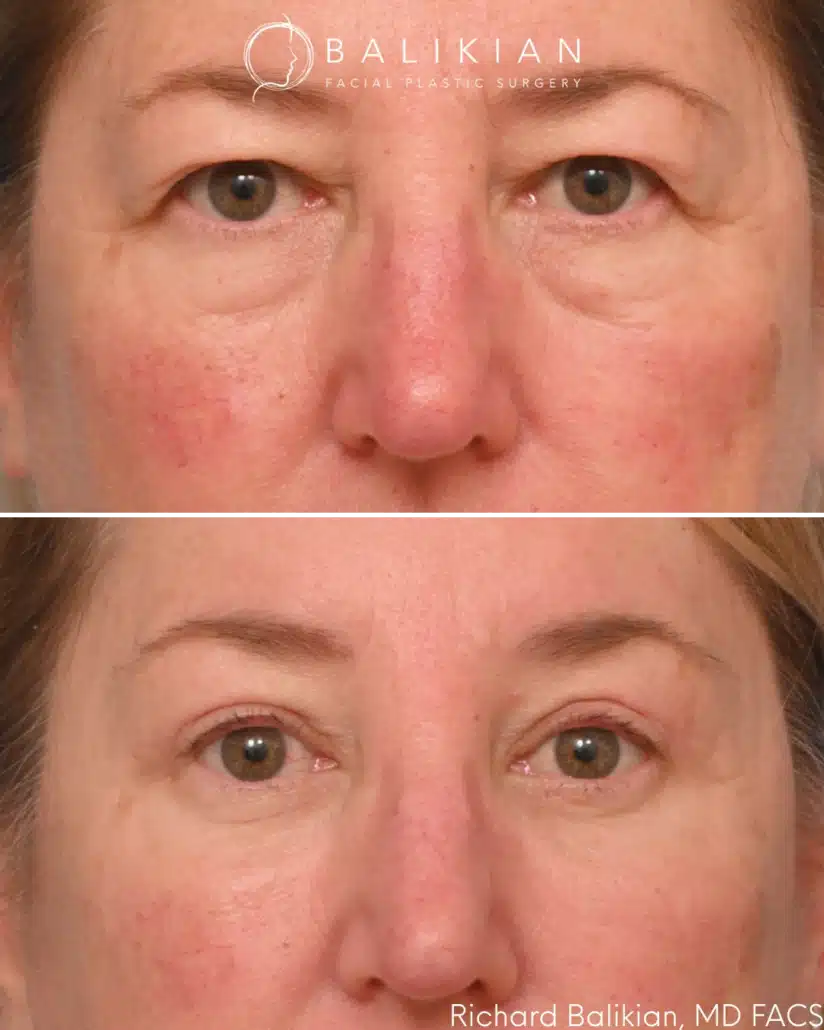
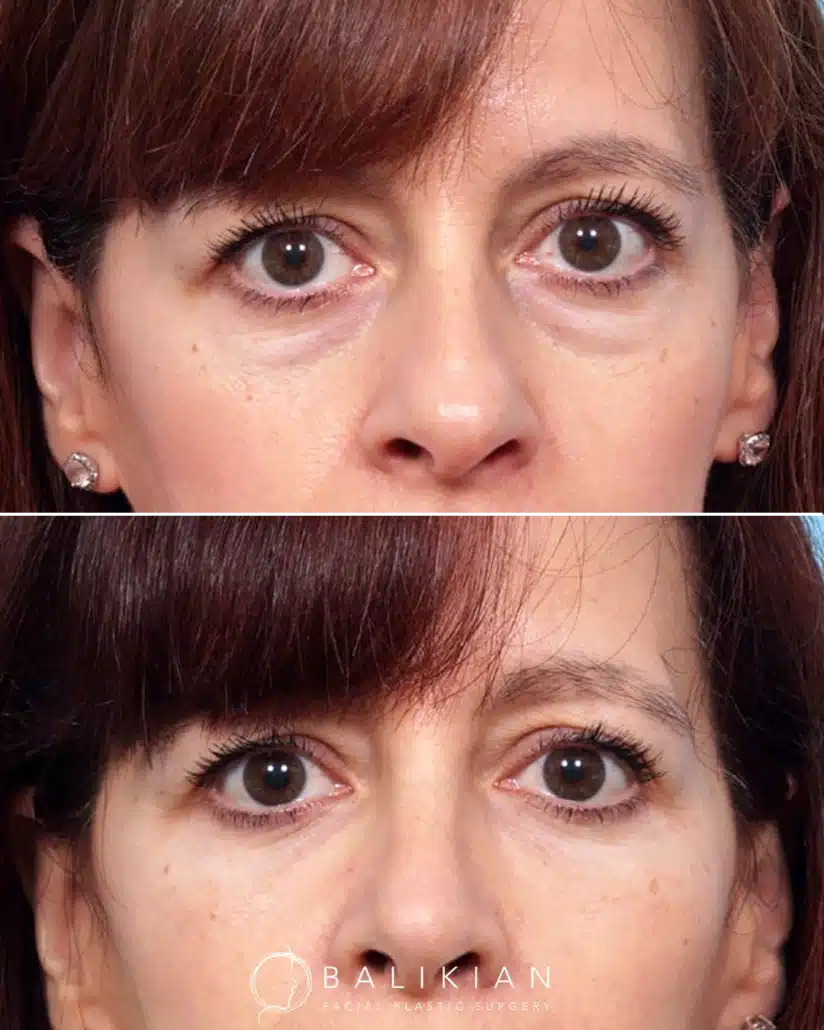
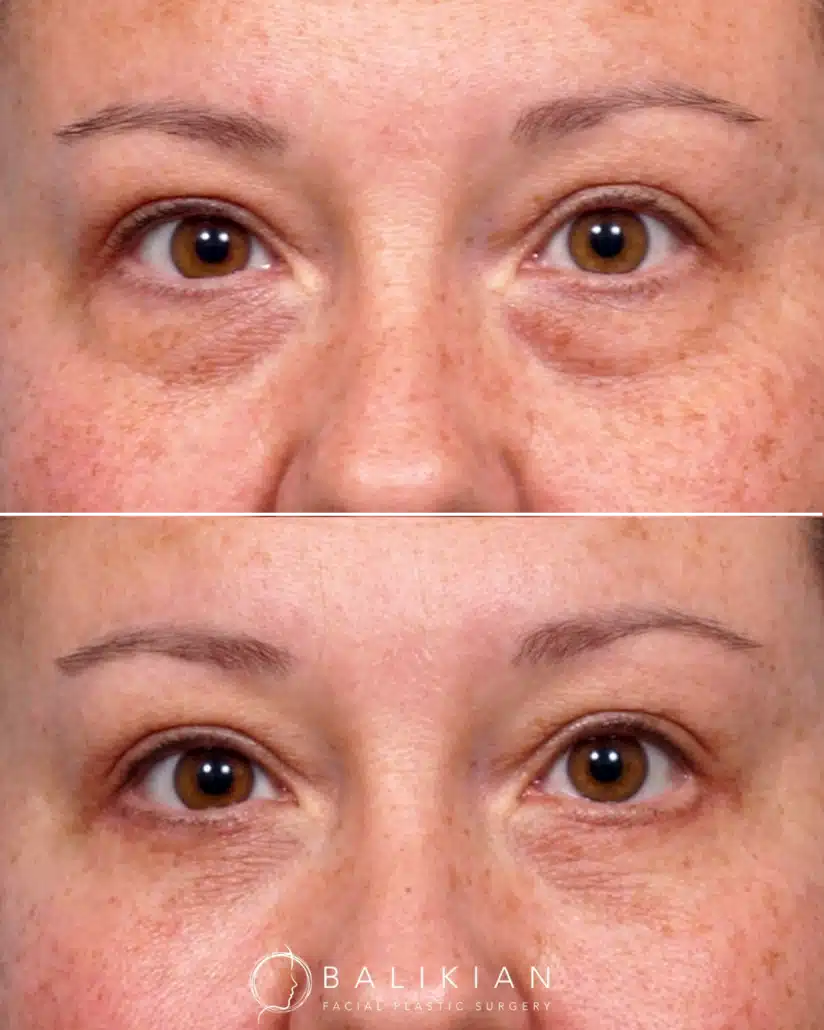
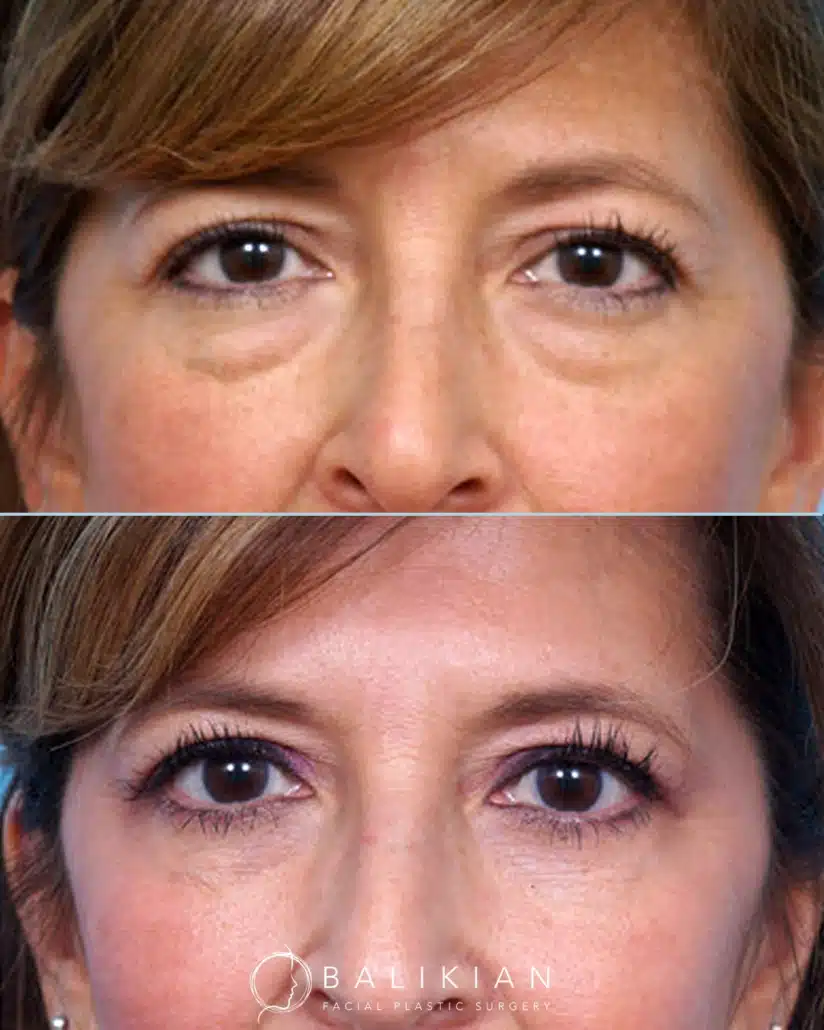
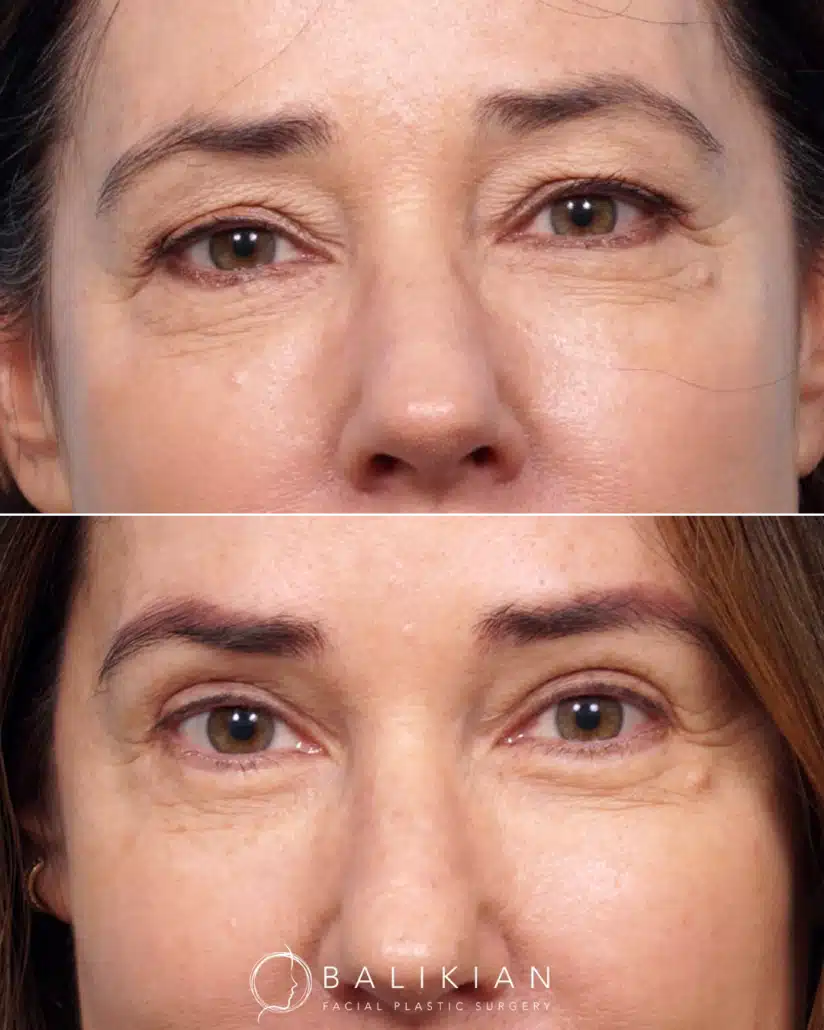


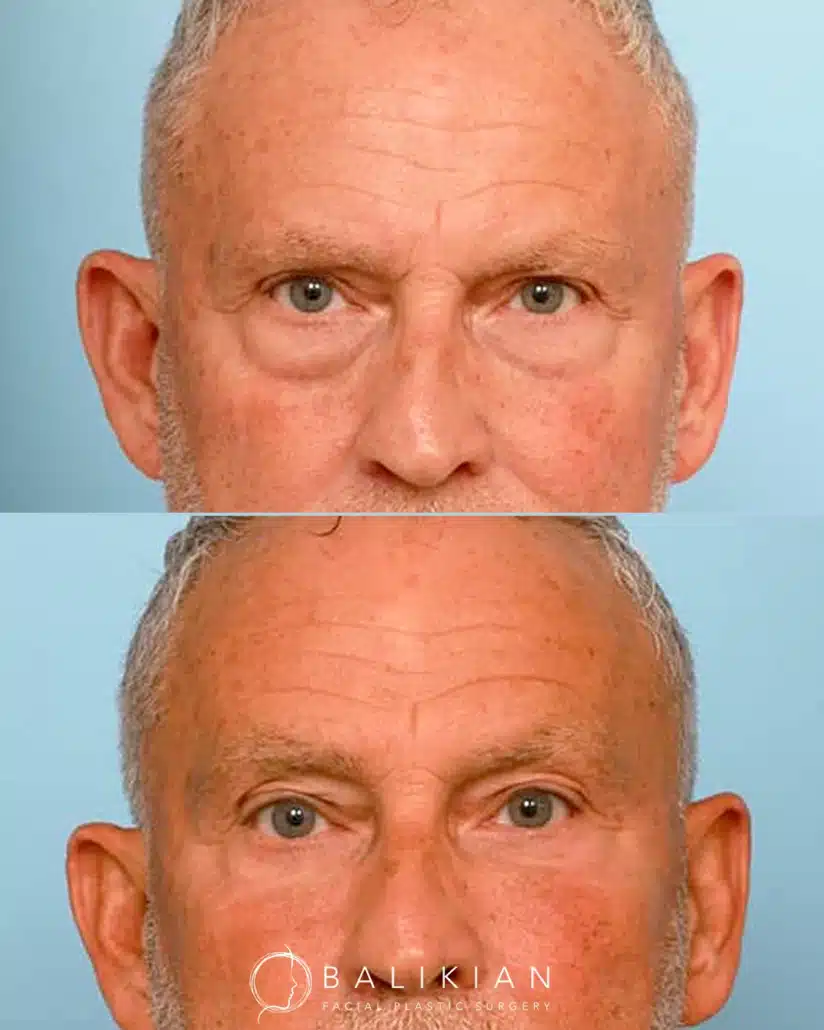
The biggest difference between transcutaneous and transconjunctival lower eyelid blepharoplasty is how the surgeon accesses the deeper fat compartments underneath the eye.
In a traditional transcutaneous lower blepharoplasty, an incision is typically made through the outer skin just beneath the eyelashes. From there, the surgeon often cuts through the orbicularis muscle to reach the deeper fat pockets that create under-eye bags and puffiness.
The concern with this approach is that every time the orbicularis muscle is cut or manipulated, there is potential to weaken the natural support and tone of the lower eyelid.
That weakening can increase the risk of:
Again, that does not mean transcutaneous blepharoplasty is always wrong. Certain patients may still require an external approach depending on their anatomy, skin quality and degree of excess skin. But it does mean surgeons need to be extremely careful about preserving lower eyelid support structures during surgery.
In a transconjunctival lower blepharoplasty, the deeper fat pockets are approached from inside the eyelid through the conjunctiva rather than through the skin and muscle externally.
This approach allows the surgeon to:
For many patients, preserving these support structures plays a major role in maintaining a natural appearing lower eyelid and reducing the risk of looking pulled down or surgically altered after healing.
One of the advantages of a preservation-focused transconjunctival approach is that it allows me to treat the different layers of the lower eyelid independently.
The deeper fat compartments can be addressed internally through the conjunctiva while preserving the orbicularis muscle underneath. Then, if excess skin still needs to be treated, a conservative skin-only excision can be performed externally without unnecessarily disrupting the muscular support layer of the eyelid.
In many patients, separating treatment of the skin and fat layers helps preserve more natural lower eyelid support and eye shape after surgery.
Whenever possible, I try to avoid unnecessarily violating the orbicularis muscle during lower blepharoplasty.
For me, one of the biggest priorities during lower eyelid surgery is preserving the natural support structures of the eyelid whenever possible.
The lower eyelid is incredibly delicate anatomically. Even subtle weakening of the eyelid support system can change how the eye rests against the face after healing. That is why I tend to favor approaches that are more preservation-focused whenever a patient’s anatomy allows for it.
In many patients, a transconjunctival approach allows me to improve under-eye puffiness while maintaining a more natural lower eyelid contour and eye shape afterward.
I also think it creates a more conservative and nuanced approach to lower eyelid rejuvenation overall. The goal is not to aggressively hollow the lower eyelid or over-tighten the eye. The goal is to create a smoother, more rested appearance while still preserving natural anatomy and expression.
In many cases, the best lower blepharoplasty results are the ones where patients simply look less tired without anyone noticing they had surgery.

One of the biggest shifts in modern lower eyelid surgery has been moving away from aggressive tissue removal and toward more preservation-focused techniques. The goal is not simply making the under-eye area tighter or flatter. The goal is maintaining natural eyelid support, natural eye shape, and a rested appearance that still looks like the patient.
Natural lower eyelid surgery is often less about aggressively removing tissue and more about preserving support, respecting anatomy and maintaining balance.
The lower eyelid is not simply extra skin sitting underneath the eye. It is a dynamic support structure that affects blinking, facial expression, eye shape and the overall balance between the eyes and cheeks. Even subtle changes in lower eyelid position can dramatically affect how natural the eyes appear after surgery.
One of the biggest mistakes in lower blepharoplasty is over-resection, whether that means removing too much skin, too much fat, or unnecessarily disrupting the support structures of the eyelid.
When that happens, patients can develop:
That is why I tend to favor more preservation-focused lower eyelid surgery whenever possible. In many patients, the goal is not to completely flatten or hollow the lower eyelid. The goal is creating a smoother transition between the lower eyelid and cheek while preserving natural contour and support.
When lower blepharoplasty is performed thoughtfully and conservatively, patients can achieve a very natural, rested appearance without looking surgically altered afterward.
As I discuss throughout our Eyelid Surgery Education Hub, natural eyelid rejuvenation is often less about aggressively removing tissue and more about understanding anatomy, preserving support structures and maintaining balance between the eyelids, cheeks and brows.
The best lower eyelid surgery results are usually the ones where nobody notices the surgery itself. The patient simply looks refreshed, less tired and naturally rejuvenated.
What is the difference between transconjunctival and transcutaneous lower blepharoplasty?
Transcutaneous blepharoplasty approaches the lower eyelid through an external incision beneath the eyelashes and may involve cutting through the orbicularis muscle. Transconjunctival blepharoplasty approaches the fat compartments internally through the conjunctiva, helping preserve more natural lower eyelid support structures.
What is ectropion after lower eyelid surgery?
Ectropion occurs when the lower eyelid pulls away from the eye after surgery. This can cause eye irritation, tearing, scleral show, dryness, and an unnatural appearance of the lower eyelid.
Does transconjunctival blepharoplasty reduce the risk of lower eyelid pull down?
For many patients, yes. Because the transconjunctival approach avoids external muscle disruption, it may help reduce lower eyelid retraction and ectropion risk while preserving more natural eyelid support.
Is transconjunctival lower blepharoplasty scarless?
The transconjunctival portion of the surgery is performed from inside the eyelid, so there is no visible external incision from the fat removal portion of the procedure.
Can excess skin still be treated with transconjunctival blepharoplasty?
Yes. In many patients, excess skin can still be conservatively treated externally with a skin pinch excision while preserving the orbicularis muscle underneath.
Why is the orbicularis muscle important in lower eyelid surgery?
The orbicularis muscle helps support the lower eyelid and contributes to blinking, eyelid tone, and natural eye shape. Weakening or excessive manipulation of this muscle can increase the risk of lower eyelid pull down or ectropion after surgery.
Is lower eyelid surgery safe?
Lower eyelid surgery is generally very safe when performed with proper anatomical understanding and careful surgical technique. Preserving lower eyelid support structures is one of the keys to achieving natural results with low complication rates.
Can lower blepharoplasty look natural?
Absolutely. Modern lower blepharoplasty is often less about aggressively removing tissue and more about preserving anatomy, maintaining eyelid support, and creating smooth transitions between the lower eyelid and cheek.
The best lower eyelid surgery results are usually the ones where patients simply look more rested and refreshed without appearing surgically altered.
What causes eyes to look rounded after lower blepharoplasty?
Rounded eyes after blepharoplasty are often related to lower eyelid retraction, excessive skin removal, over-resection of fat, or weakening of the lower eyelid support structures during surgery.
Dr. Richard Balikian is a highly respected facial plastic surgeon serving the San Diego area.
With over 20 years of experience and double board certification in Facial Plastic and Reconstructive Surgery as well as Head and Neck Surgery, Dr. Balikian offers a unique combination of technical expertise and artistic vision.
He is part of an elite group of surgeons with extensive training focused exclusively on the face and neck.