What Thousands of Facelift Recoveries Have Taught Me
Recovery Isn’t Measured by Days. It’s Measured by Moments.
If you search for “facelift recovery,” you’ll find countless articles organized into neat timelines.
Day 1
Expect swelling.
Week 2
Bruising begins to fade.
Month 3
You’ll start seeing your results.
Those timelines are useful. They’re also incomplete. After performing thousands of facial rejuvenation procedures and following patients through every stage of recovery, I’ve realized that healing doesn’t happen according to a calendar.
It happens through moments.
The first morning a patient realizes the discomfort wasn’t nearly as bad as they expected.
The first time they look in the mirror and stop wondering whether the swelling is normal.
The first compliment from someone who simply says, “You look rested.”
The first photograph they genuinely like again.
Those are the milestones patients remember.
Although every face heals differently, the emotional journey is remarkably consistent. Different ages. Different anatomy. Different procedures. Yet patients often worry about the same things, celebrate the same victories, and arrive at many of the same realizations.
The stories in this article come from a dozen patients at different stages of recovery. Together, they reveal the lessons that thousands of facelift recoveries have taught me, not just about healing, but about confidence, patience, and what it truly means to recognize yourself again.



Before reading further, spend a few minutes watching these patients describe their own experiences. Their stories reveal something no recovery timeline ever can.
Recovery doesn’t begin the day after surgery. It begins the day a patient decides to have it. Long before anyone enters the operating room, they’re already asking themselves difficult questions.
Will I choose the right surgeon?
How long will I be away from work?
Will recovery be harder than I expect?
Stephanie arrived for her consultation carrying many of those same concerns.
One of the first things Stephanie remembered wasn’t the surgery itself. It was how she felt walking out of her consultation.
“During our consultation, he really listened to my concerns and understood exactly what was bothering me. He explained the procedure that would address those areas, and I just felt really good.”
– Stephanie
Artiste Lift™ Preservation Deep Plane Facelift, Deep Vertical Neck Lift, Temporal Lift, Partial Facial Fat Transfer.
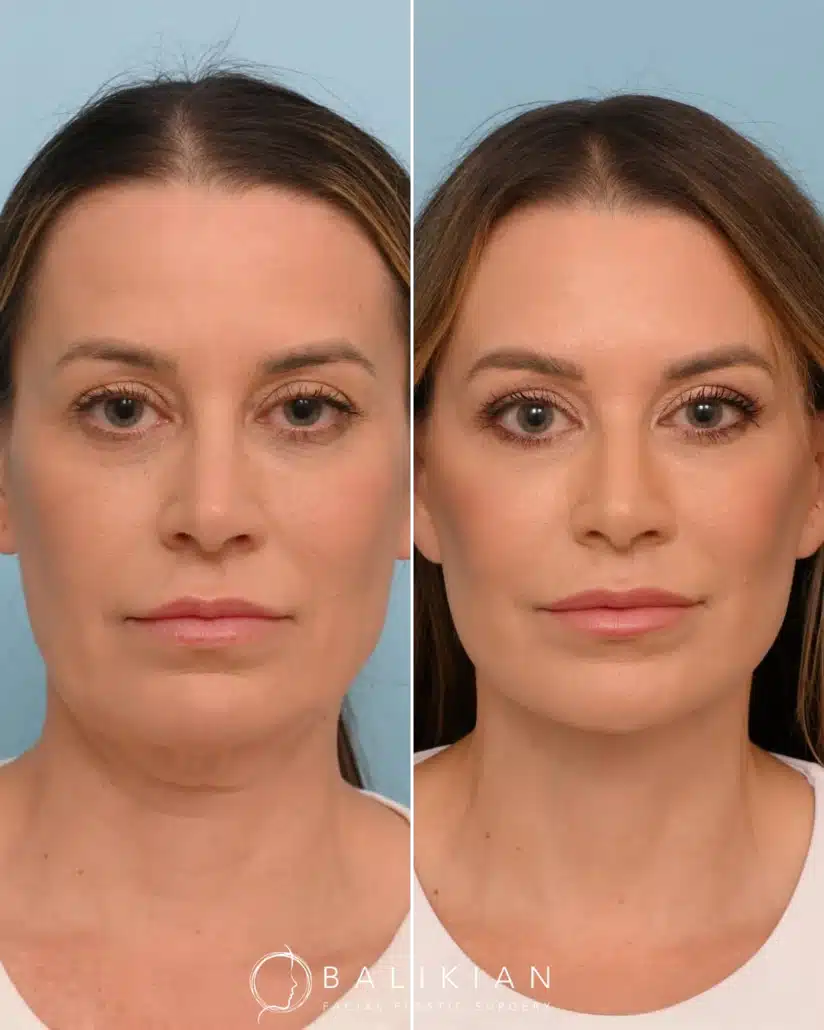
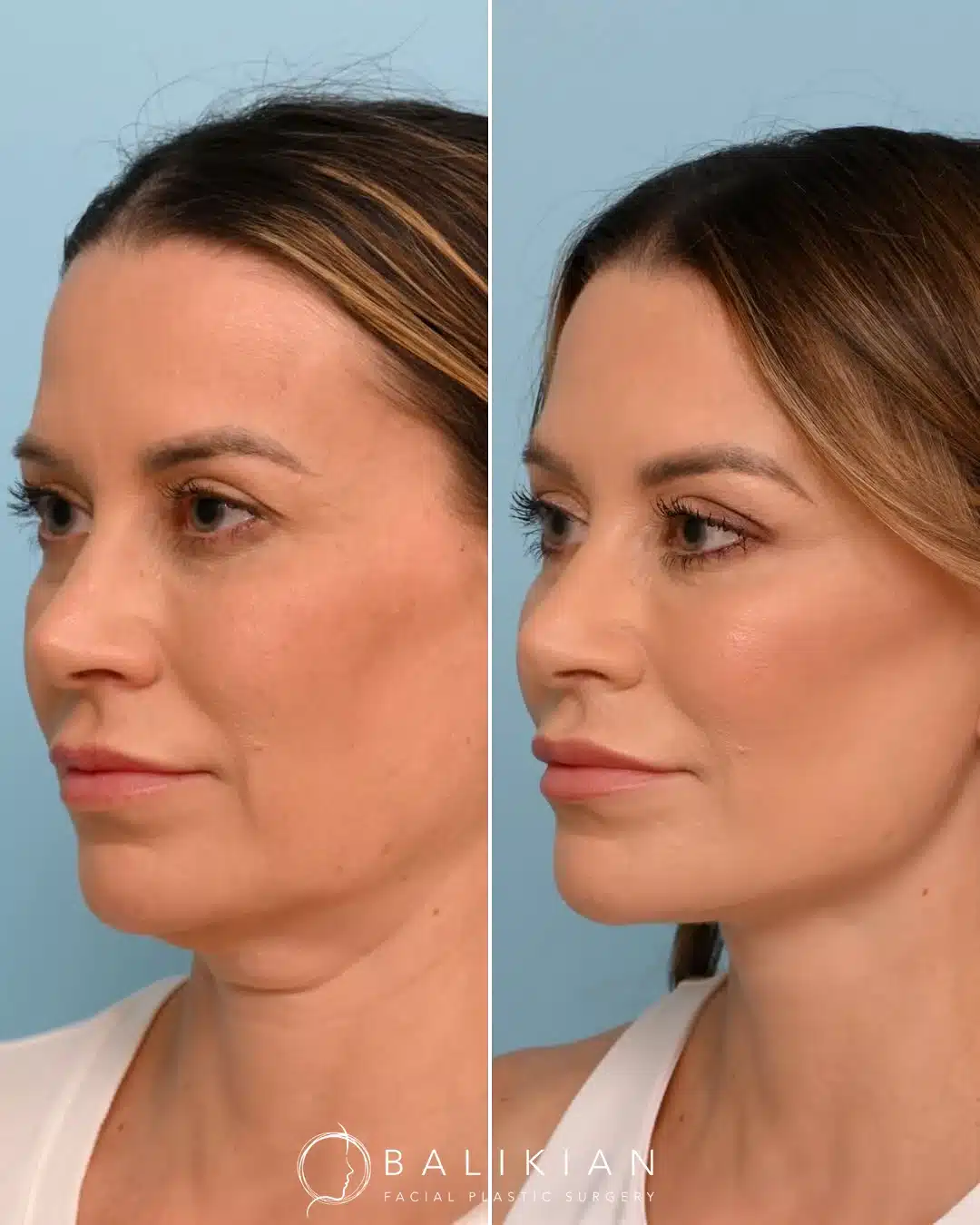
Like many professionals, Stephanie wasn’t only thinking about the result. She was thinking about how recovery would fit into her life.
As a business owner, returning to work quickly was one of her biggest concerns.
“Downtime was something I was very stressed about. I wanted to get back to work as soon as possible.”
– Stephanie
That’s a concern I hear often.
Every patient wants a beautiful result. Just as importantly, they want a recovery they can realistically navigate. Stephanie also appreciated the recovery technologies we use to support healing.
“The blue light before surgery helped ease my anxiety. After surgery, the yellow light really helped with my swelling.”
– Stephanie
By the twelfth day, she was back at work.
“Each day that swelling and bruising was less and less. By day 12 it was hardly there. Within 12 days I was back to work.”
– Stephanie
Every patient’s recovery is different, but confidence rarely happens by accident. It comes from understanding the plan, knowing what to expect, and having a surgical team that prepares you for every step of the journey.
Recovery doesn’t begin with healing.
It begins with confidence.
Before surgery, there is one question I hear more than any other.
“How much is this going to hurt?”
It’s an understandable fear. For decades, facelift recovery has been portrayed as painful, overwhelming, and something to fear.
Less than twenty-four hours after surgery, Angela looked at me and said something I’ll never forget.
“I would do this 10,000 times over. I was expecting to be in real pain, and I haven’t been.”
– Angela
At first glance, those words almost seem impossible.
Artiste Lift™ Preservation Deep Plane Facelift, Deep Vertical Neck Lift, Bilateral Upper Blepharoplasty, CO₂ Laser Resurfacing.


Looking at these photographs, many people assume Angela must have been in significant pain.
She wasn’t.
Like many patients, she described swelling, tightness, pressure, and stiffness, not severe pain. That’s an important distinction.
Modern preservation deep plane facelift surgery is designed to minimize unnecessary tissue trauma while restoring the deeper support structures of the face. Recovery still requires patience, but many patients discover it’s far more comfortable than they expected.
These photographs remind us of something important.
How recovery looks isn’t always how recovery feels.
Perhaps the biggest surprise isn’t the swelling itself. It’s realizing that the fear before surgery was often greater than the recovery that followed.
If there is one stage of recovery that causes more unnecessary anxiety than any other, it’s the first few weeks after surgery. Patients spend months researching facelifts. They understand that swelling is a normal part of healing.
Then they look in the mirror. Suddenly, the questions begin.
“Why is one side more swollen?”
“Why does my smile feel different?”
“Did something go wrong?”
These concerns are almost universal.
Five weeks after surgery, Sandra described her recovery with refreshing honesty.
“Post surgery, you have swelling and discomfort and numbness, but no outright pain. I’m at five weeks now, and the swelling is still going down and the scars are still receding.”
– Sandra
Megan summarized the most difficult part of recovery in a single sentence.
“Swelling was probably the worst part of it.”
– Megan
Notice what neither patient mentioned.
Pain.
They were talking about uncertainty.
Swelling changes the proportions of the face long before it reveals the final result. One cheek may appear fuller than the other. The neck often feels tighter than the face. One side almost always heals faster. This isn’t a complication. It’s biology.
Inflammation is your body’s natural response to surgery. During the first several weeks, fluid shifts constantly while lymphatic drainage improves and the deeper tissues adapt to their new position.
Healing is dynamic.
One of the most important parts of my job isn’t performing the surgery. It’s reminding patients that the mirror is often least reliable during the weeks they’re studying it the most. Even so, many patients begin seeing glimpses of their final result long before the swelling has completely resolved.
Lee had undergone a mini facelift years earlier before returning for a preservation deep plane facelift after additional weight loss. Even on the first day, she noticed something that gave her confidence.
“Even with all the swelling, the difference in my neck was night and day. You could bend your neck down and you didn’t have these huge folds everywhere.”
– Lee
Artiste Lift™ Preservation Deep Plane Facelift, Deep Vertical Neck Lift, Lower Blepharoplasty.


She also shared another perspective I hear from many active patients.
“The healing process honestly was a breeze. I think the hardest thing is knowing that you can’t do your normal activities for at least three to four weeks.”
– Lee
Recovery isn’t simply about waiting for swelling to disappear. It’s about allowing your body the time it needs to heal. The mirror may not tell the whole story during those first few weeks.
Your biology does.
Give it time, and it will reveal the work that’s already been done.
When patients ask me how long facelift recovery takes, they’re usually asking a much deeper question.
“When will I feel like myself again?”
The answer isn’t always measured by when bruising disappears. It’s measured by recognition.
Before surgery, Myrna wasn’t trying to look dramatically younger. She simply wanted her reflection to match the way she felt.
“I didn’t feel refreshed. I felt tired. I looked tired, more importantly. I just wanted a refreshed look.”
– Myrna
Like many patients, the first several weeks required patience. Swelling gradually improved. Her tissues softened. Her confidence quietly returned.
Artiste Lift™ Preservation Deep Plane Facelift, Deep Vertical Neck Lift, Upper Blepharoplasty, CO₂ Laser, Full-Face Fat Transfer.
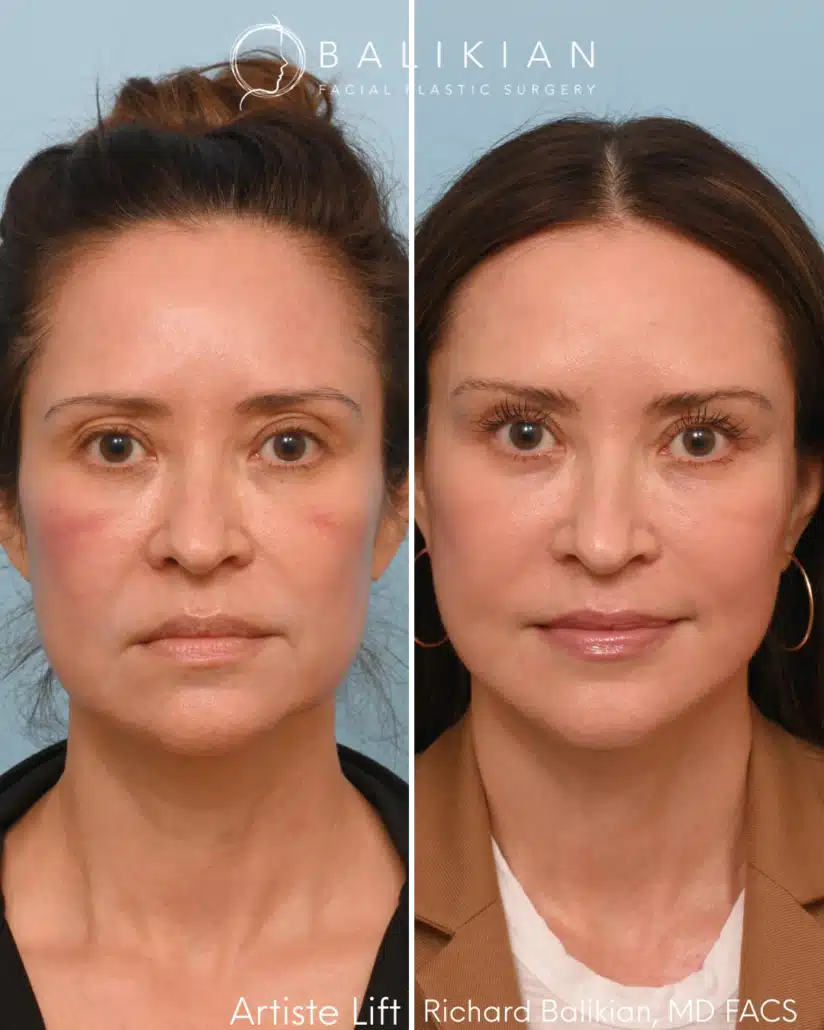
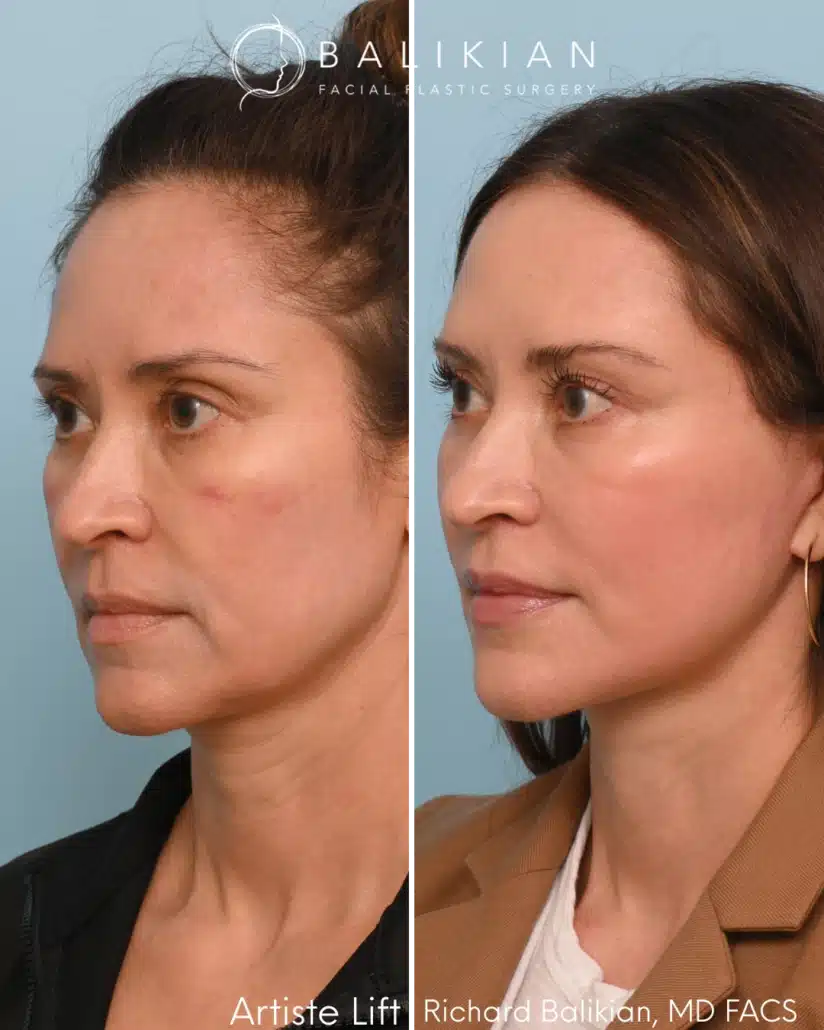
Then, around the three-month mark, something changed.
“I would definitely say that at the three-month mark is when I started feeling and looking like myself.”
– Myrna
I hear some version of that statement over and over again. The goal of facial rejuvenation isn’t transformation. It’s restoration.
Our faces carry our identity. They reflect our personality, our expressions, and the way the people closest to us recognize us. A successful facelift shouldn’t replace those qualities. It should restore them.
When patients tell me, “I still look like me,” I know we’ve achieved exactly what we intended.
Looking younger is only part of the outcome. Looking authentic is far more important. Because the best moment in recovery isn’t when someone tells you that you look younger.
It’s when you look in the mirror…
…and recognize yourself again.
One of the biggest fears patients have before surgery isn’t the recovery. It’s what everyone else will think afterward.
Will people know?
Will coworkers notice?
Will my friends immediately realize I’ve had a facelift?
Ironically, one of the most common surprises is exactly the opposite.
Amanda expected questions when she returned to yoga. Instead, she found herself trying to convince people she’d actually had surgery.
“The nicest thing anybody said to me was, ‘You don’t really look like you had a facelift.’ I was actually pulling my hair back trying to show her my scars, and she still didn’t believe me.”
– Amanda
Artiste Lift™ Preservation Deep Plane Facelift, Deep Vertical Neck Lift, Temporal Brow Lift, Partial Facial Fat Transfer.
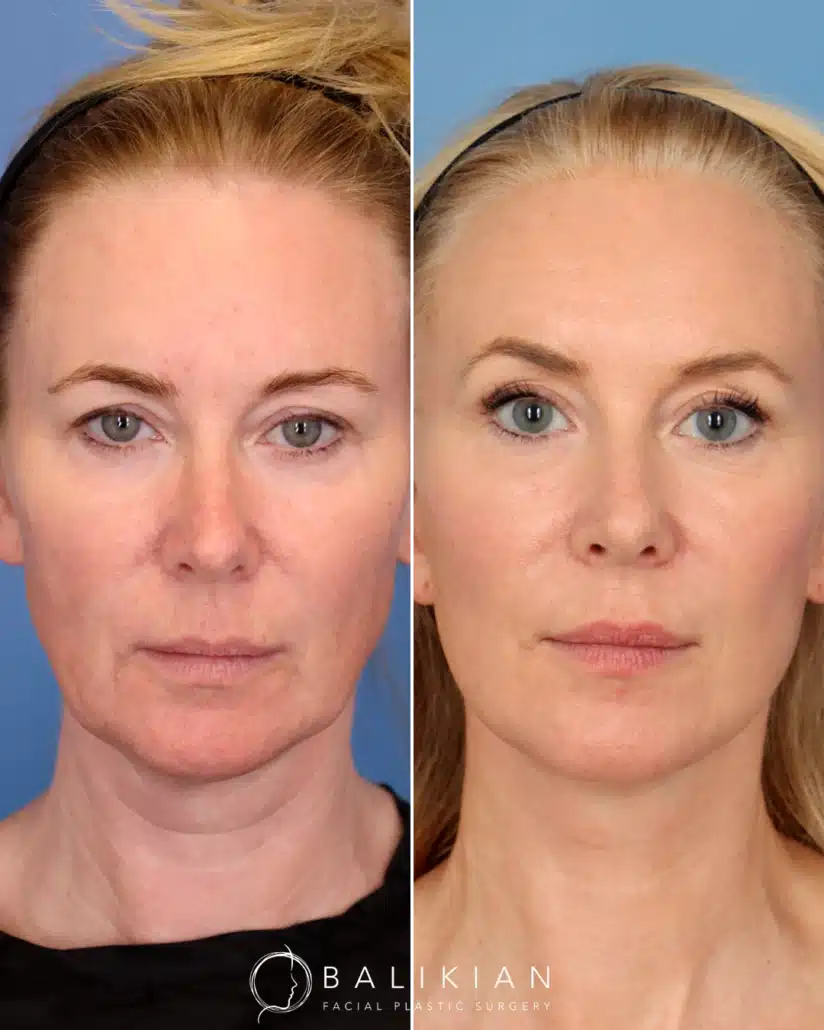
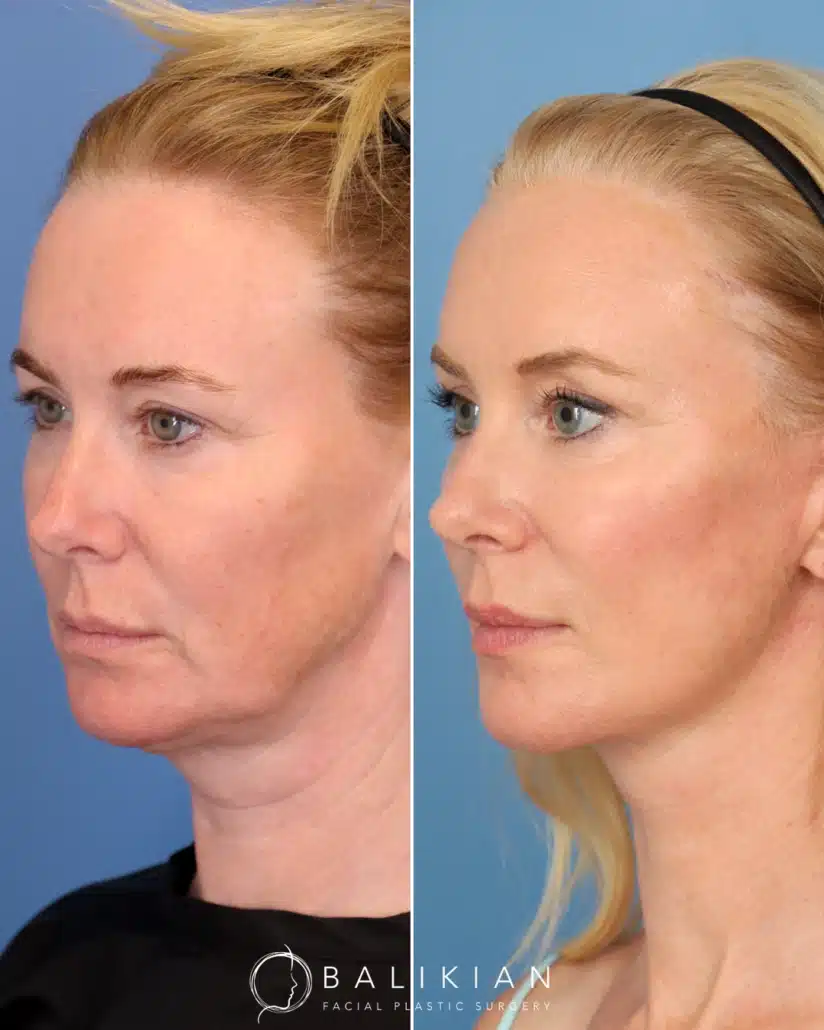
That wasn’t the only moment Amanda realized something had changed. Like many professionals today, she spends much of her day on Zoom, where it’s impossible not to notice your own reflection.
Before surgery, she found herself adjusting the camera, lifting her chin, or searching for a more flattering angle. Today, she doesn’t think about any of that.
“I feel happy when I open that Zoom room. I don’t feel like I have to adjust the camera anymore.”
– Amanda
Those two moments happened in very different places. One was in a yoga studio. The other was alone in front of a computer screen. Yet they reflect the same outcome. Amanda wasn’t thinking about surgery anymore.
She was simply living her life.
I’ve heard similar comments from many patients over the years. Carla told me,
“I don’t look like I had surgery. I just look younger and healthy.”
– Carla
Jeff shared a nearly identical thought.
“You don’t look like you had a facelift. It’s very natural.”
– Jeff
Those are some of the most meaningful compliments my patients receive. Because a successful facelift shouldn’t become the first thing people notice. Instead, friends and family often struggle to explain exactly what has changed. They simply know you look…
More rested.
More refreshed.
More like yourself.
That’s because facial rejuvenation isn’t about creating a different face. It’s about restoring the natural relationships between the cheeks, jawline, neck, and eyes that gradually change with age while preserving the expressions and character that make you recognizable.
The best facelift isn’t the one people notice. It’s the one that allows people to notice you.
And perhaps the greatest compliment of all isn’t hearing someone say you look younger. It’s forgetting to think about your facelift in the first place.
One of the biggest misconceptions about facelift recovery is believing that healing ends once the bruising disappears. In reality, that’s often when some of the most meaningful changes are just beginning.
Carla generously documented her recovery from Day 1 through the first month, offering a rare glimpse into how facial rejuvenation evolves over time rather than overnight.


Five weeks after surgery she described her recovery this way:
“The swelling is still going down and the scars are still receding.”
– Carla
Carla’s photographs illustrate something I wish every facelift patient could see. Healing doesn’t stop when you return to work. It doesn’t stop when the bruising fades. It doesn’t even stop when you begin feeling like yourself again.
The deeper tissues continue settling. Scar tissue remodels. Collagen reorganizes. Swelling quietly resolves. The neck becomes more refined. The jawline gradually sharpens. Patients rarely notice these small changes because they happen so gradually.
Artiste Lift™ Preservation Deep Plane Facelift, Deep Vertical Neck Lift, Temporal Lift, Bilateral Upper Blepharoplasty, Lower Transconjunctival Blepharoplasty, Full-Face Fat Transfer, Partial-Face CO₂ Laser Resurfacing.
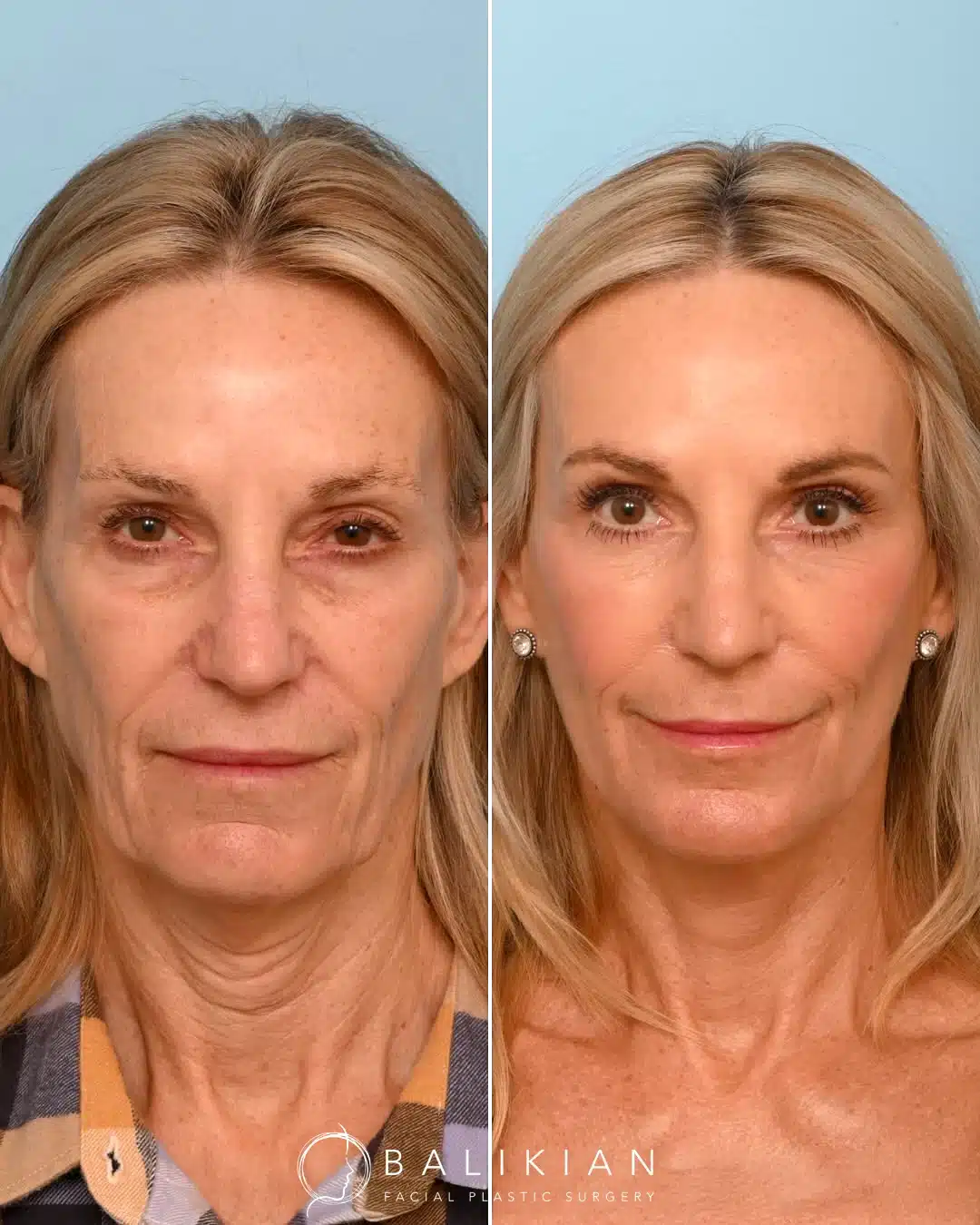
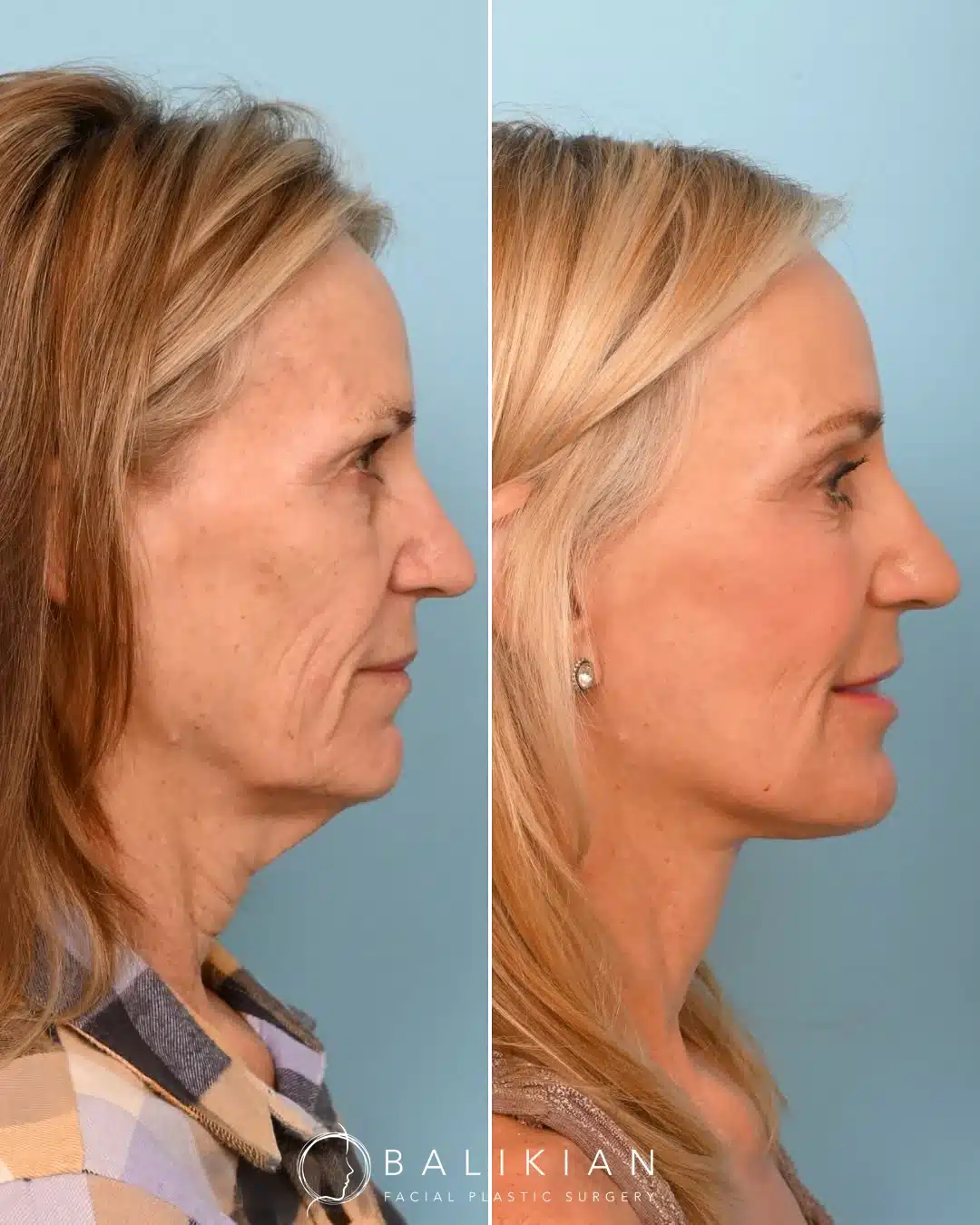
It is often only when patients compare photographs from one month and six months after surgery that they truly appreciate the healing process. That’s when they discover that recovery didn’t end when they felt better.
This is why I encourage patience.
Social recovery and biological healing are two very different things.
Most patients feel comfortable returning to normal activities within a few weeks. Their tissues, however, continue refining for many months.
Nature doesn’t rush. Neither should recovery.
The day you feel recovered isn’t necessarily the day your body has finished healing. Often, the best refinements are still quietly unfolding.
When people hear the words facelift surgery, they often assume the goal is to look younger. After following thousands of patients through recovery, I’ve learned that’s rarely the real motivation.
Most people don’t come into my office asking to become someone else. They simply want their reflection to match the way they already feel.
Heather expressed that feeling in six words I’ve never forgotten.
“What happens here is not vanity. It’s soul work.”
– Heather
Those six words capture something I’ve come to understand after caring for thousands of facelift patients.
Heather wasn’t talking about wrinkles. She wasn’t talking about looking thirty again. She was talking about reconnecting with herself.
Artiste Lift™ Preservation Deep Plane Facelift, Deep Vertical Neck Lift, 4-Point Brow Lift, Upper Blepharoplasty, Lower Blepharoplasty, Full-Face Fat Transfer, Full-Face CO₂ Laser Resurfacing.
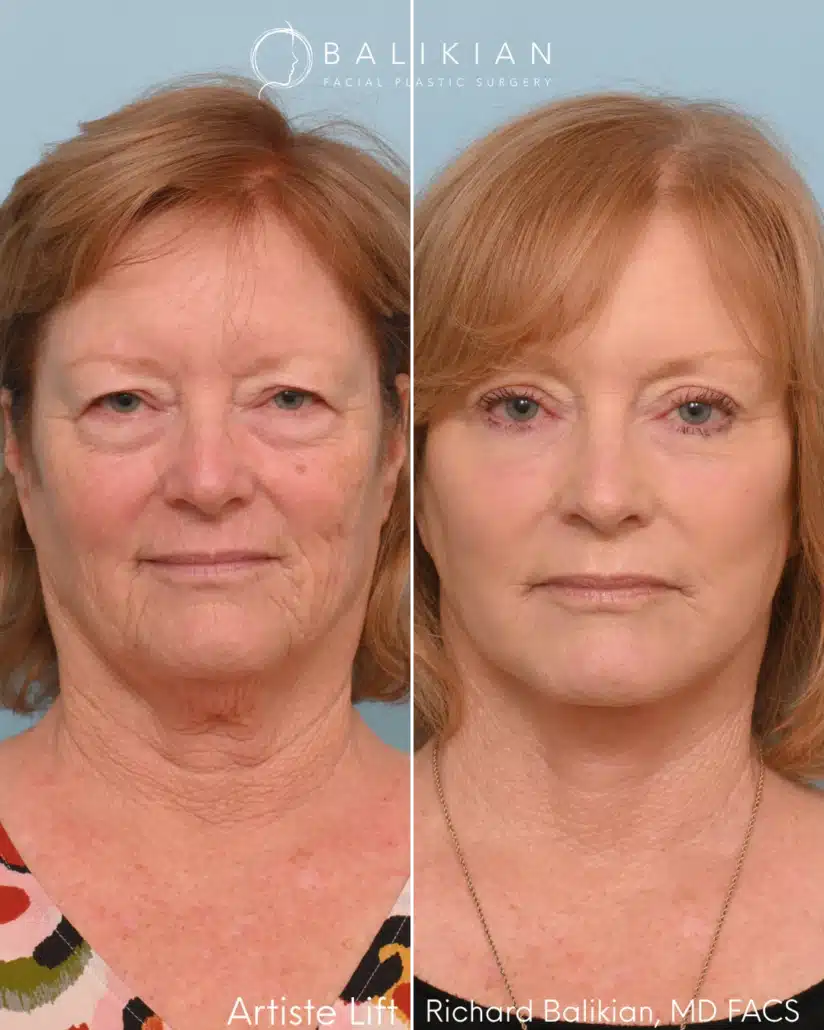
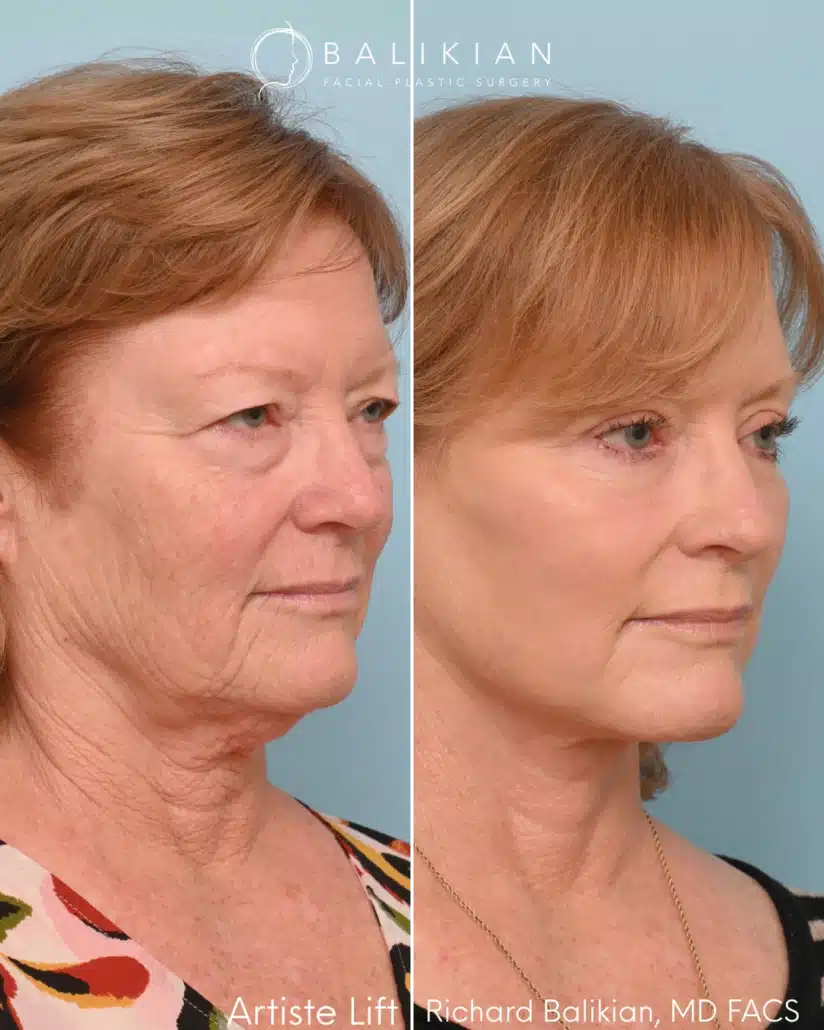
Later, she explained it even more simply.
“I feel like I am me again. Whereas I was hiding for quite a bit of time.”
– Heather
Many patients describe a similar feeling.
As we age, our faces gradually change in ways that don’t always reflect how we experience ourselves. The cheeks descend. The jawline softens. The neck loses definition. Shadows deepen around the eyes and mouth. Over time, those changes can create a quiet disconnect between how we feel inside and what we see in the mirror. That’s the disconnect many patients hope to restore.
Facial rejuvenation isn’t about chasing youth. It’s about restoring harmony.
When patients tell me they recognize themselves again, I know we’ve accomplished something far more meaningful than simply making them look younger. We’ve restored a face that feels authentic. One that reflects their energy, their confidence, and their identity.
That’s why the best facelifts rarely look like surgery. They simply allow the person who has always been there to become visible again.
Because sometimes the most meaningful result isn’t looking younger.
It’s looking familiar again.
One of the hardest parts of recovery isn’t the surgery. It’s patience. Before surgery, patients worry about pain. After surgery, they worry about progress.
“Is this amount of swelling normal?”
“Why does one side look different than the other?”
“When will I finally look like myself?”
Those questions are almost universal. One of the patients you met earlier described her recovery with refreshing honesty.
Five weeks after surgery, Sandra described her recovery with refreshing honesty.
“Post surgery, you have swelling and discomfort and numbness, but no outright pain. I’m at five weeks now, and I’m just still working at it. The swelling is still going down and the scars are still receding.”
– Sandra
Artiste Lift™ Preservation Deep Plane Facelift, Deep Vertical Neck Lift, Upper Blepharoplasty, Lower Blepharoplasty, Facial Fat Transfer.


Sandra’s words capture something every facelift patient eventually discovers.
Recovery isn’t something you finish. It’s something you move through. There isn’t a single morning when all the swelling suddenly disappears or your face instantly feels “done.” Healing happens quietly.
One day your neck feels a little less tight. A week later your smile feels more natural. Months later, you compare photographs and realize how much has changed without noticing it day to day.
That’s why I encourage patients to focus less on the mirror and more on the healing process. The body doesn’t heal according to a calendar. It heals according to biology.
Swelling resolves at different rates throughout the face. Scar tissue gradually softens. The deeper support structures continue settling for months after surgery. Patients often feel like they’re standing still because the changes are so gradual. In reality, healing is happening every single day.
If you judge your result too early, you’re judging a face that’s still healing, not the one you’ll ultimately enjoy.
The hardest part of recovery isn’t wondering whether you’re healing.
It’s trusting that you are.
One of the greatest misconceptions about facial rejuvenation is that looking younger means looking different. It doesn’t. A successful facelift shouldn’t erase the characteristics that make you recognizable. It should preserve them.
Many patients, especially men, worry they’ll look “done.” They imagine an over-tightened jawline, an unnatural smile, or features that no longer feel like their own.
Jeff shared many of those same concerns before surgery.
After recovering, the compliment that meant the most to him wasn’t that he looked younger. It was that he still looked like himself.
“You look years younger. You don’t look like you had a facelift. It’s very natural.”
– Jeff
For me, that’s one of the highest compliments a patient can receive.
Artiste Lift™ Preservation Deep Plane Facelift, Deep Vertical Neck Lift, Submandibular Gland Reduction, Temporal Lift, Bilateral Upper Blepharoplasty, Lower Transconjunctival Blepharoplasty, Full-Face Fat Transfer, Perioral and Periocular CO₂ Laser Resurfacing.
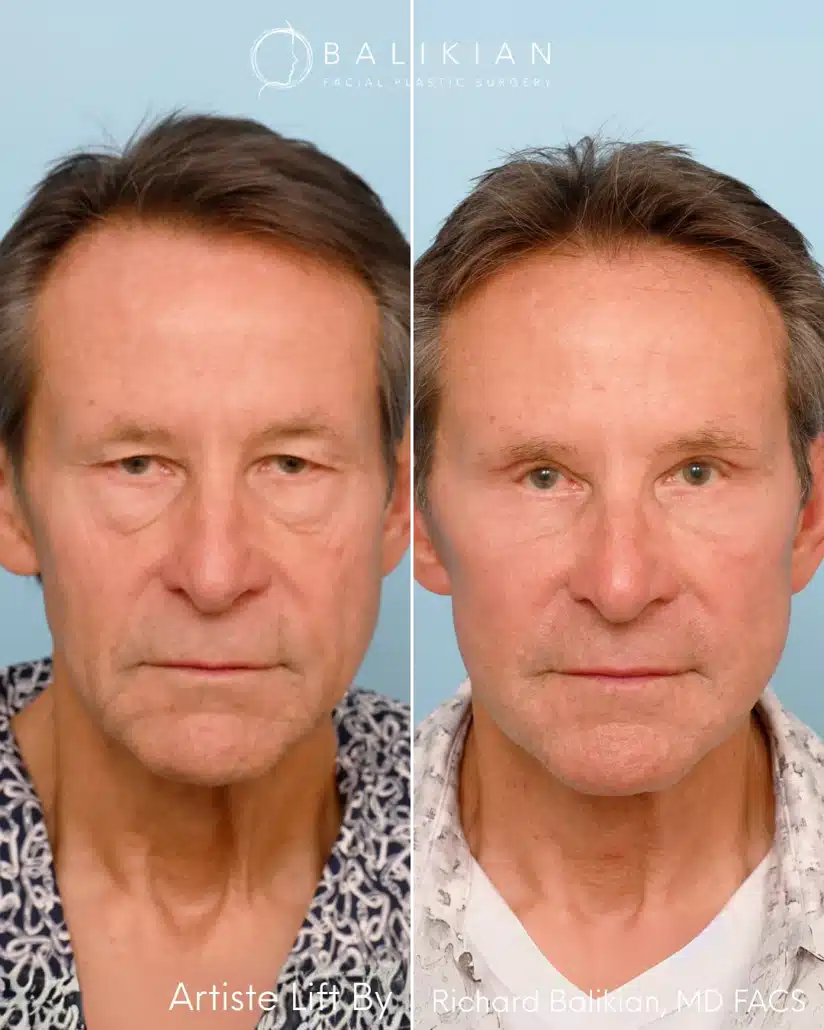
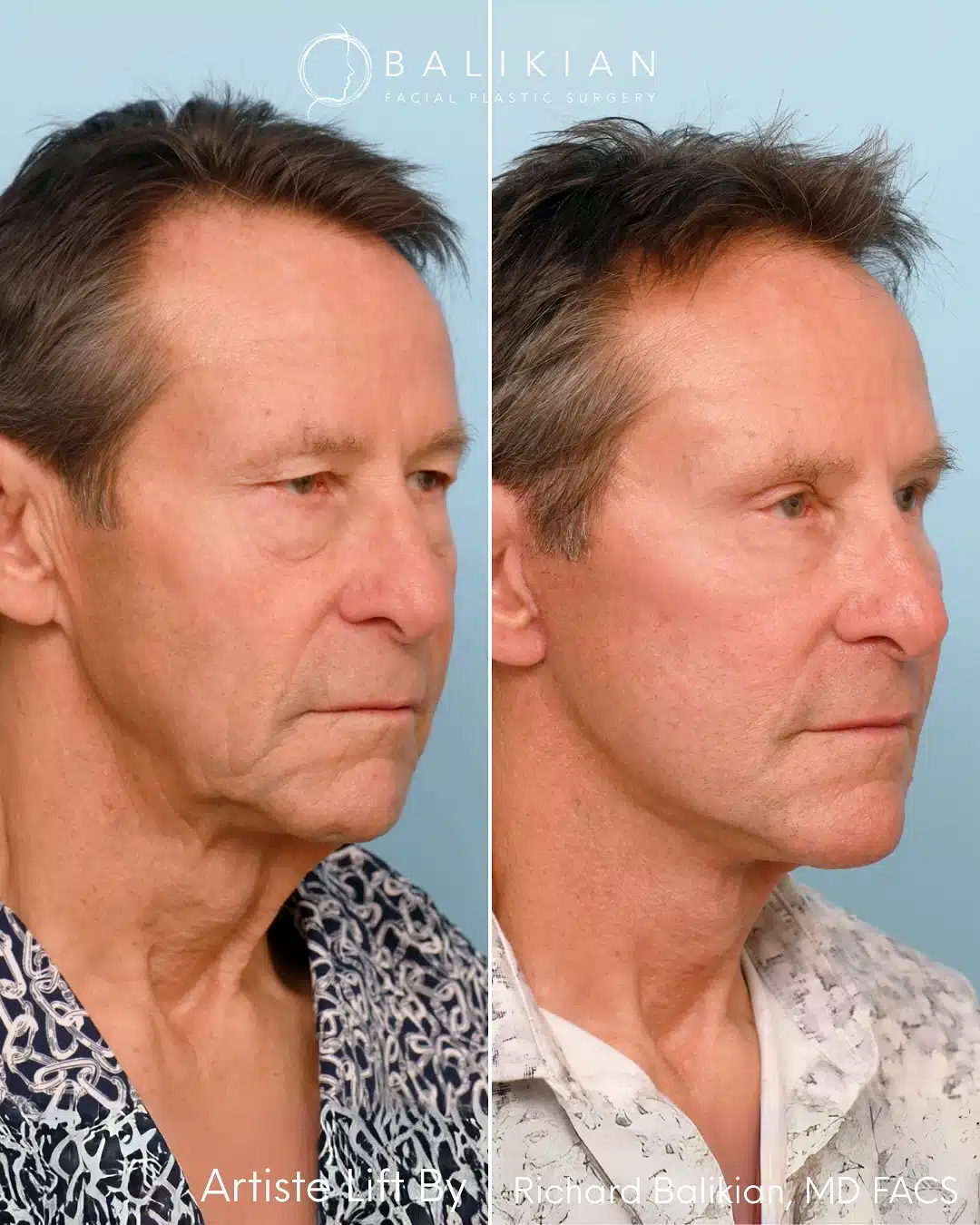
The goal has never been to erase every sign of aging. It has never been to create sharper cheekbones or exaggerated jawlines. The goal is to restore what time gradually changed while preserving the expressions, proportions, and character that make every face unique.
Jeff also reflected on something many patients don’t think about before surgery. The quality of healing.
“He’s really like an artist with how well he did his sutures. I can’t even tell where they were.”
– Jeff
Incisions are an unavoidable part of facelift surgery, but they should never become the focus of the result. Careful planning, meticulous closure, and thoughtful incision placement allow them to mature quietly over time.
What people notice isn’t the surgery.
They notice you.
Because looking refreshed shouldn’t mean looking different. It should mean looking unmistakably like yourself.
After following thousands of patients through recovery, I’ve come to appreciate that a facelift is about far more than healing.
It’s about returning to life.
Every patient begins the journey with different anatomy, different concerns, and different goals. Yet their recoveries often follow remarkably similar emotional milestones. They expect more pain than they experience. They wonder if the swelling is normal. They question what they see in the mirror.
Then, almost without realizing it, something changes. The swelling softens. The face settles. Confidence quietly returns. Friends tell them they look rested. Family members notice they seem happier. One day they catch their reflection and smile instead of searching for flaws.
That’s when recovery is no longer about surgery.
It’s simply about living life again.
The goal of facial rejuvenation has never been to create a different face. It has always been to restore the one that time gradually changed. A natural facelift shouldn’t become your identity. It should allow your identity to shine through again.
Every patient whose story you’ve read here had a different operation, a different recovery, and a different reason for choosing surgery. Yet they all arrived at remarkably similar conclusions.
Recovery requires patience. Healing isn’t linear. Natural results are often the least obvious. Looking like yourself is more important than looking younger.
And perhaps the greatest lesson of all is this: Recovery doesn’t end the day the swelling disappears. It ends the day you stop thinking about your facelift. The day you stop checking your reflection from every angle. The day you stop wondering if you’re still swollen. The day you stop explaining your surgery to friends.
The day you walk past a mirror…
…and simply keep walking.
Because all you see is yourself.
If you’re considering a deep plane facelift, one of the most valuable parts of your consultation isn’t discussing the surgery itself. It’s understanding what recovery is actually like. Every face heals differently, but understanding the healing process and hearing from real patients can replace uncertainty with confidence.
During your consultation, we’ll review your anatomy, your goals, and the procedures that are right for you. We’ll also talk honestly about what recovery is likely to look like, the milestones you can expect, and how our team supports you every step of the way.
The procedure may last a day.
Healing continues for several months.
The confidence that comes from recognizing yourself again lasts for years.
Is a deep plane facelift recovery as painful as most people expect?
For most patients, recovery is more uncomfortable than painful. Tightness, swelling, pressure, and temporary numbness are far more common than severe pain. Modern deep plane facelift techniques are designed to minimize unnecessary tissue trauma while repositioning the deeper facial structures, which may contribute to a more comfortable recovery when performed appropriately.
Why do I look uneven after facelift surgery?
Temporary facial asymmetry is one of the most common parts of recovery. Swelling rarely develops or resolves evenly. One cheek, one side of the neck, or one side of the smile may appear different during the first several weeks. This is a normal part of healing and typically improves as swelling resolves.
How long does swelling last after a deep plane facelift?
Most bruising improves within two to three weeks, but swelling continues to decrease for several months. Patients often feel socially recovered long before the deeper tissues have completely healed. Final refinement commonly continues well beyond the first month.
When will I actually look like myself again?
Many patients begin feeling more like themselves around the three-month mark, although improvement continues beyond that. Recovery is not simply about bruising disappearing. It is the gradual return of natural facial movement, softer tissues, and recognition when you look in the mirror.
When can I return to work after facelift surgery?
Recovery varies depending on the individual and the procedures performed. Many patients feel comfortable returning to desk work within approximately two weeks, while swelling continues improving for several months. Your surgeon will provide personalized recommendations based on your healing.
When is facelift healing actually complete?
Returning to normal activities and completing biological healing are not the same thing. Most patients resume much of their normal routine within a few weeks, but scar remodeling, collagen reorganization, and soft tissue refinement continue for many months.
Why does my face feel tight or numb after surgery?
Temporary numbness and tightness are expected because the small sensory nerves and deeper tissues need time to recover after surgery. Sensation gradually returns as healing progresses, although improvement may continue for several months.
How do I know if my recovery is normal?
Normal recovery includes gradual improvement, with occasional days that seem better than others. Mild swelling, temporary asymmetry, tightness, and numbness are expected. Sudden increases in swelling, severe pain, expanding bruising, fever, or drainage should always prompt immediate communication with your surgeon.
Will people be able to tell I had a facelift?
The goal of modern facial rejuvenation is not to create a different face. A well-performed deep plane facelift restores youthful facial support while preserving your natural expressions and identity. Friends often notice that patients look rested or refreshed without immediately recognizing that surgery was performed.
What is the biggest misconception about facelift recovery?
Many people believe recovery ends when bruising fades. In reality, bruising disappears long before healing is complete. Swelling continues resolving, scars mature, collagen remodels, and facial contours continue refining for several months. Patience is one of the most important parts of achieving a natural result.
Dr. Richard Balikian is a highly respected facial plastic surgeon serving the San Diego area.
With over 20 years of experience and double board certification in Facial Plastic and Reconstructive Surgery as well as Head and Neck Surgery, Dr. Balikian offers a unique combination of technical expertise and artistic vision.
He is part of an elite group of surgeons with extensive training focused exclusively on the face and neck.