Facelift Anesthesia Options | How Your Surgeon Decides What Is Best
Guidance for Understanding How Surgical Philosophy Shapes Anesthesia Choice
Questions about anesthesia are common for patients considering facelift surgery. Some patients hear about facelifts performed under twilight sedation, while others are told general anesthesia is recommended.
Understanding why different approaches exist requires understanding how facelift surgery is actually performed.

This guide lays out the factors that matter most. It is grounded in real surgical decision making, patient safety principles and what the medical literature consistently shows about facelift and eyelid surgery risks and risk reduction.
Modern facelift surgery is no longer focused on tightening skin alone. Techniques such as the preservation deep plane facelift involve releasing and repositioning deeper facial structures that contribute to jowling, facial descent and loss of jawline definition.
This type of surgery requires:
Anesthesia must support these requirements. The goal is not only comfort, but a controlled surgical environment that allows the surgeon to work precisely and predictably.
Surgeons may use different anesthesia techniques depending on the extent of the procedure and the depth of the anatomy being addressed. Each option offers distinct advantages and limitations, which is why anesthesia selection is tailored to the specific surgical plan rather than applied uniformly.
Twilight sedation may be appropriate for limited facial procedures or less extensive lifts. In these situations, the surgical work is typically more superficial and the duration is shorter.
However, twilight sedation has limitations when deeper anatomical work is required. Because patients are not fully unconscious, there may be subtle movement, changes in breathing or fluctuations in blood pressure that can interfere with meticulous deep tissue dissection.
General anesthesia allows the patient to be fully asleep while the surgery is performed. Breathing and vital signs are closely monitored and controlled by the anesthesia team throughout the procedure.
For comprehensive facelift techniques, particularly deep plane facelifts, general anesthesia provides a stable and controlled environment. This allows the surgeon to focus entirely on anatomical release, symmetry and balance without interruption.
An experienced facial plastic surgeon evaluates anesthesia options based on the surgical plan and the individual patient.
Factors that influence this decision include:
For surgeons who routinely perform deep plane facelifts, anesthesia is selected to support surgical accuracy and consistency. In these cases, general anesthesia often allows the procedure to be performed more safely and predictably.
Seeing facelift results can help patients understand the importance of surgical precision and proper technique. Consistent outcomes depend on complete anatomical release and careful repositioning, which are supported by a stable surgical environment.
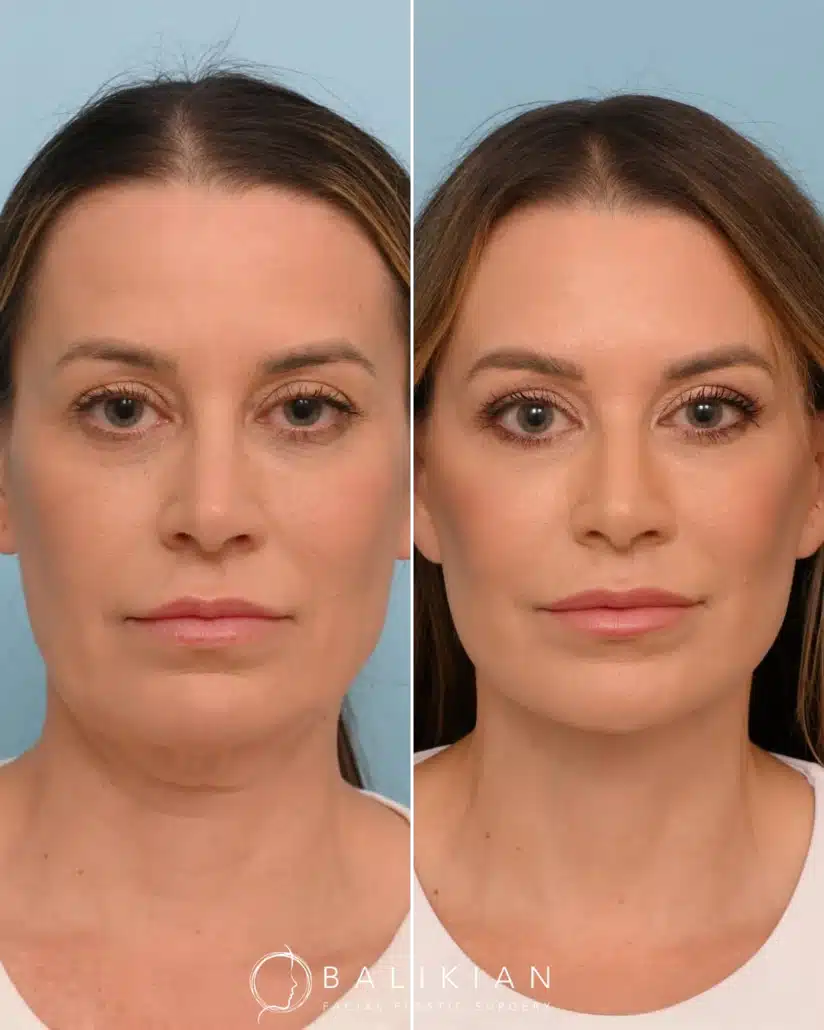


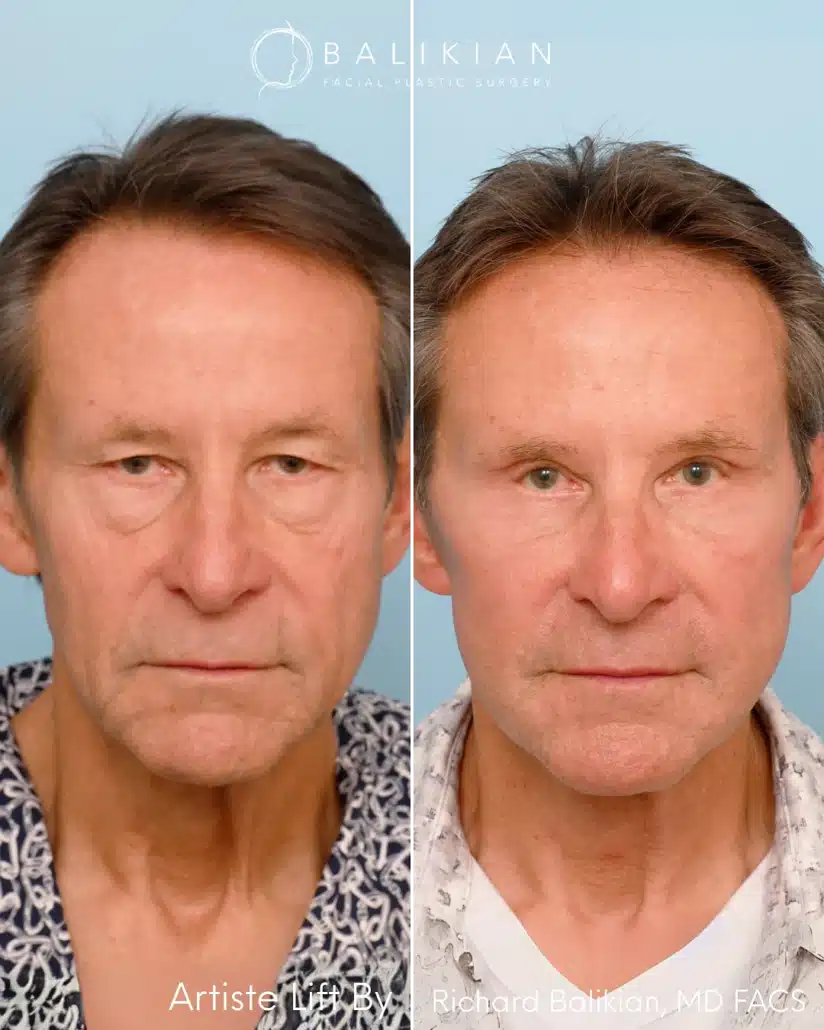
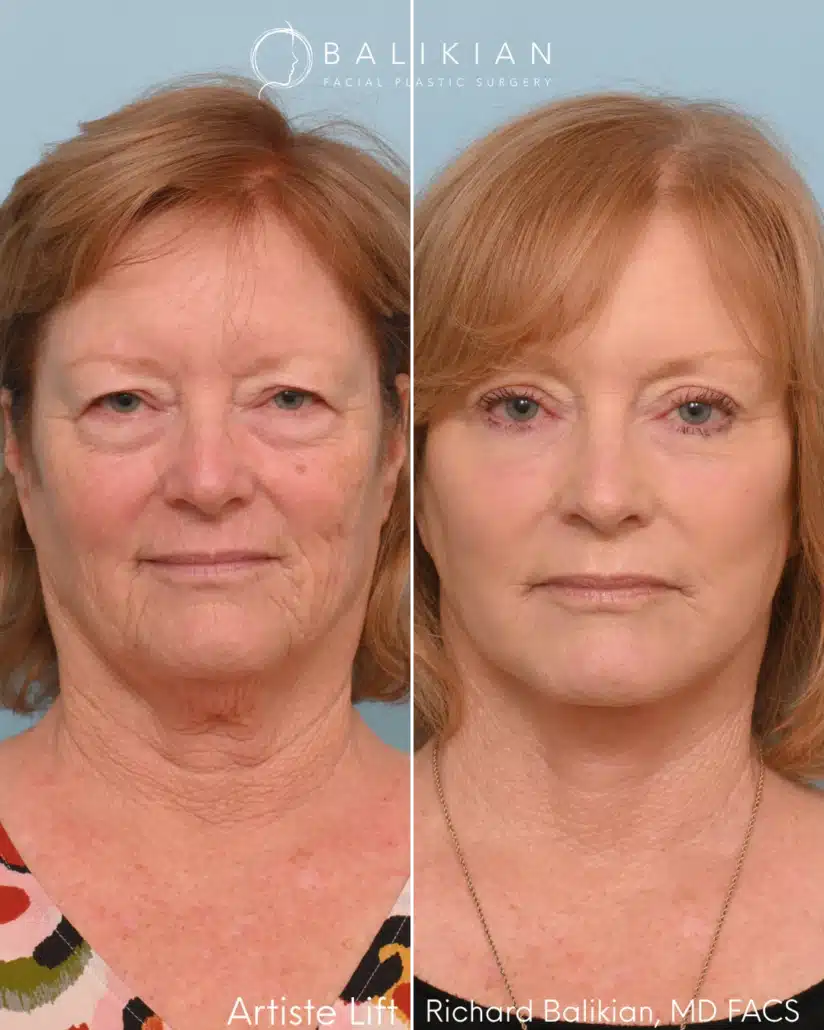
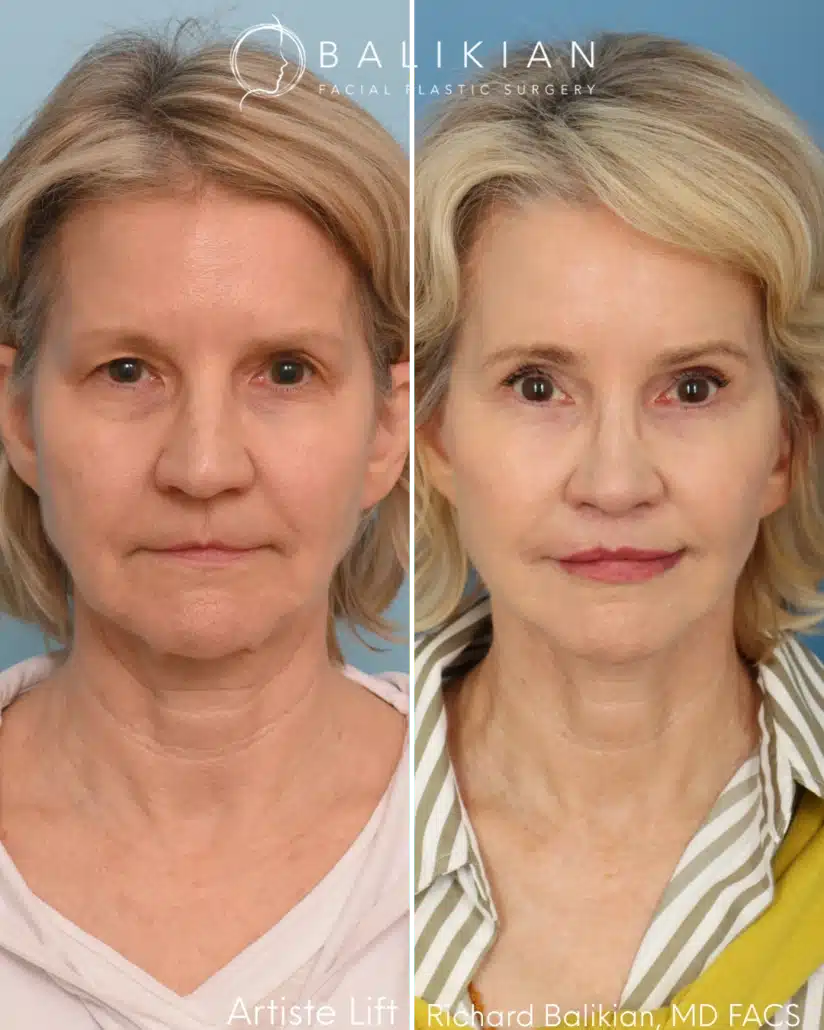
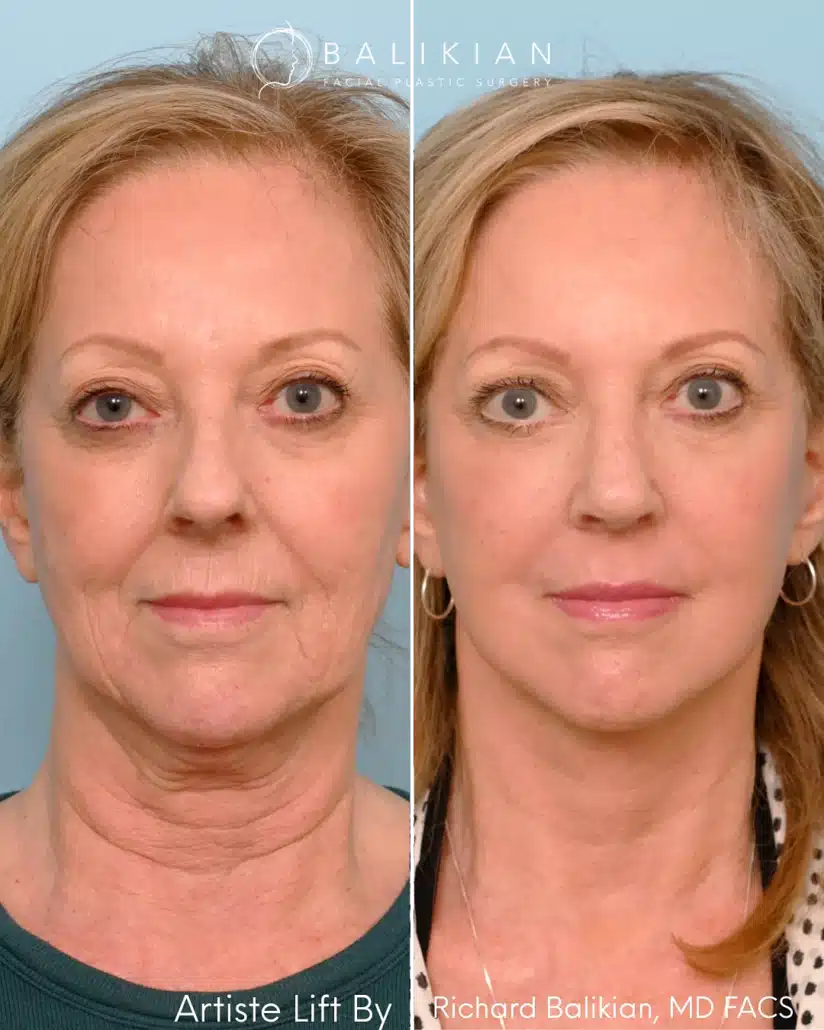
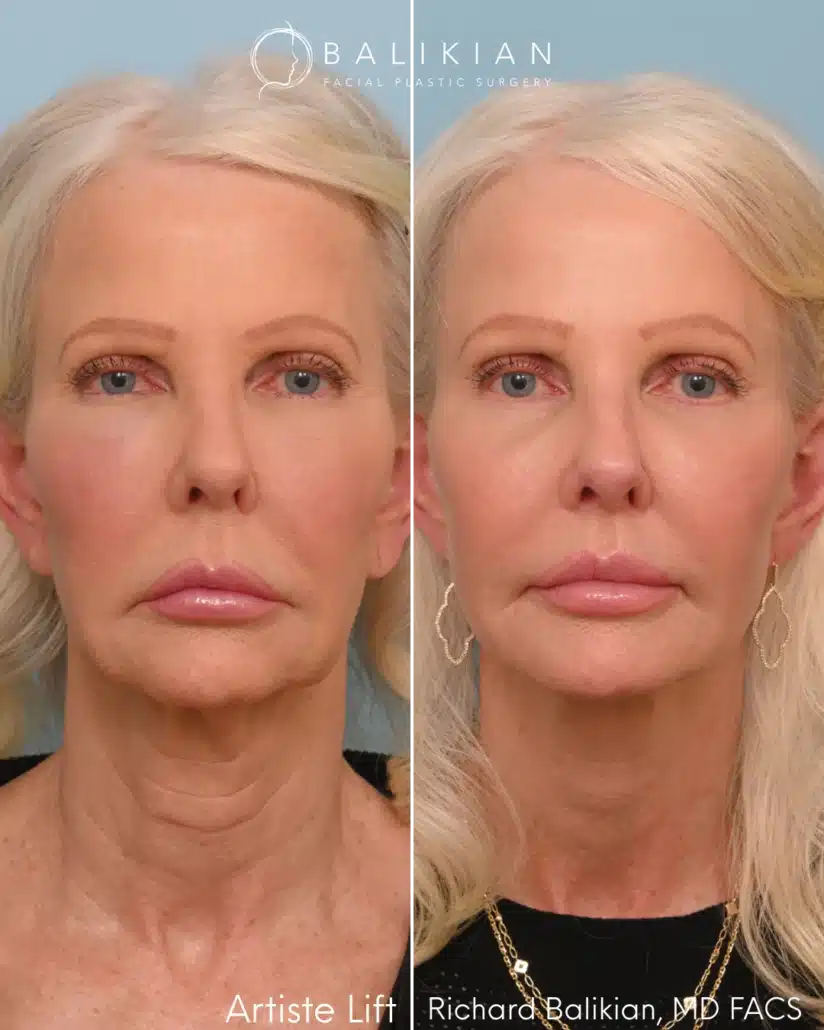
General anesthesia is commonly used in facial plastic surgery and is well understood by anesthesia professionals. For healthy patients undergoing elective facelift surgery, it has a strong safety record when performed in appropriate surgical settings.
Medical literature shows that anesthesia-related complications in facelift surgery are uncommon when:
For longer or more involved facelift procedures, general anesthesia can support safety by allowing consistent control of blood pressure, minimizing movement and maintaining stable surgical conditions throughout the operation.
Under general anesthesia, patients are fully asleep and unaware during surgery. Postoperative discomfort is managed using modern pain control strategies and most patients find recovery more manageable than expected.
Anesthesia choice alone does not determine recovery. Surgical technique, tissue handling and postoperative care have a much greater influence on swelling, bruising and healing.
Facelift surgery requires judgment, planning, and execution. Anesthesia is one of the tools that allows surgeons to perform detailed anatomical work safely and consistently.
Rather than focusing on a single anesthesia type, patients benefit most from understanding how anesthesia supports the specific surgical approach being used.
There is no single anesthesia solution that applies to every facelift. The safest option is the one that best supports the surgical technique, patient anatomy and level of correction required.
For surgeons who perform advanced deep plane facelift surgery, anesthesia is selected to support precision, consistency and control throughout the operation. In Dr. Balikian’s practice, general anesthesia is chosen intentionally because it provides the most stable environment for complete anatomical release and careful repositioning of deeper facial structures.
When anesthesia is integrated into the surgical plan rather than treated as a preference, facelift surgery can be performed with a high level of safety, comfort and precision, leading to natural, balanced and long-lasting results.
Is general anesthesia considered safe for facelift surgery?
Modern anesthesia is administered with continuous monitoring, and when delivered by trained anesthesia professionals in accredited surgical facilities, it has an excellent safety profile for elective cosmetic surgeries like facelifts. Complication rates specific to anesthesia are low when proper screening and monitoring are present.
Why might a surgeon prefer general anesthesia for a deep plane facelift?
For extensive procedures such as deep plane facelifts that involve deeper tissue release, general anesthesia creates a motionless, controlled surgical environment. This allows surgeons to focus fully on anatomy and precision throughout longer operative times, which supports consistent outcomes.
Does general anesthesia help maintain stability during surgery?
Yes. General anesthesia enables control over airway, respiration and hemodynamics (blood pressure, circulation), which supports both patient safety and surgical precision during delicate procedures.
Are anesthesia-related complications common in facelift patients?
No. In studies looking at anesthetic management protocols for facelift patients, anesthesia-related issues such as significant respiratory events or major adverse reactions were rare when proper protocols and monitoring were used.
Can general anesthesia impact recovery time for facelift patients?
General anesthesia may lead to slightly longer immediate post-operative recovery compared with lighter sedation because patients are recovering from full unconsciousness. However, extended discomfort or delayed overall recovery is not typical when appropriate medications and supportive care are used.
How does anesthesia support surgeon focus and safety?
Continuous monitoring and airway control under general anesthesia allow the surgeon and anesthesia team to focus on precise surgical steps without interruption from patient movement or discomfort, which supports safety and accuracy.
Are older patients safe under general anesthesia for facelifts?
Age alone is not a contraindication. Many older patients safely undergo facelift surgery with general anesthesia when they have appropriate preoperative assessment and medical clearance. The overall health status and individualized risk assessment are more important than age alone.
Does general anesthesia help with blood pressure and bleeding control?
Yes. General anesthesia allows the anesthesia team to manage blood pressure and circulation more predictably, which can reduce bleeding and support clearer surgical fields, both important for controlled dissection in facelifts.
Can patients safely undergo facelift surgery under alternatives like sedation?
Yes — for limited or superficial procedures, deep sedation or conscious sedation with local anesthetic may be appropriate. However, for techniques that involve deeper anatomy and longer operative time, general anesthesia offers additional stability and airway protection that supports surgeon precision and patient safety.
How do patients recover from general anesthesia after facelift surgery?
Most patients wake calmly and are monitored in a recovery area until they are alert and stable. Modern anesthetic techniques and medications are designed to minimize nausea, grogginess and discomfort, and these symptoms usually resolve quickly with appropriate postoperative care.
Dr. Richard Balikian is a highly respected facial plastic surgeon serving the San Diego area.
With over 20 years of experience and double board certification in Facial Plastic and Reconstructive Surgery as well as Head and Neck Surgery, Dr. Balikian offers a unique combination of technical expertise and artistic vision.
He is part of an elite group of surgeons with extensive training focused exclusively on the face and neck.