Platysma Muscle Anatomy | Why Neck Bands Develop
Understand What Causes Neck Bands, From Visible Skin Changes to the Underlying Platysma Muscle and Deeper Structural Support
Most patients are not thinking about anatomy when they first notice changes in their neck. They see it in the mirror. The jawline begins to soften, the neck looks heavier and vertical lines start to appear, especially when talking or straining.
These changes are often described as neck bands, turkey neck or loose neck skin.

At first, these lines may only appear with movement. Over time, they can become visible even at rest. What patients are seeing is not just loose skin. It is a change in the underlying structure of the neck.
These are the types of changes often evaluated during a consultation for facial and neck rejuvenation, including approaches like the Artiste Lift™, which focus on restoring structure rather than tightening skin.
What patients are seeing is not just loose skin. It reflects a change in the underlying structure of the neck, where deeper support begins to shift and the platysma muscle becomes more visible. These changes are part of the broader aging process addressed with facelift surgery focused on restoring natural structure
The platysma is a thin, sheet-like muscle that extends from the lower face down into the neck. It plays a role in facial expression and helps define the transition between the jawline and the neck.
In youth, the platysma is smooth and connected across the midline, creating a continuous contour without visible separation.
This contributes to:
As long as this structure remains intact, the neck appears more supported and balanced. Over time, however, this underlying support begins to change.
Aging of the neck is not just about the skin losing elasticity. The platysma muscle itself begins to change along with the deeper structures it is connected to.
Over time:
As this support shifts, the smooth contour of the neck becomes disrupted. Instead of a unified surface, the neck begins to show separation, definition and heaviness.
These changes are often subtle at first but become more noticeable as the structural support continues to evolve.
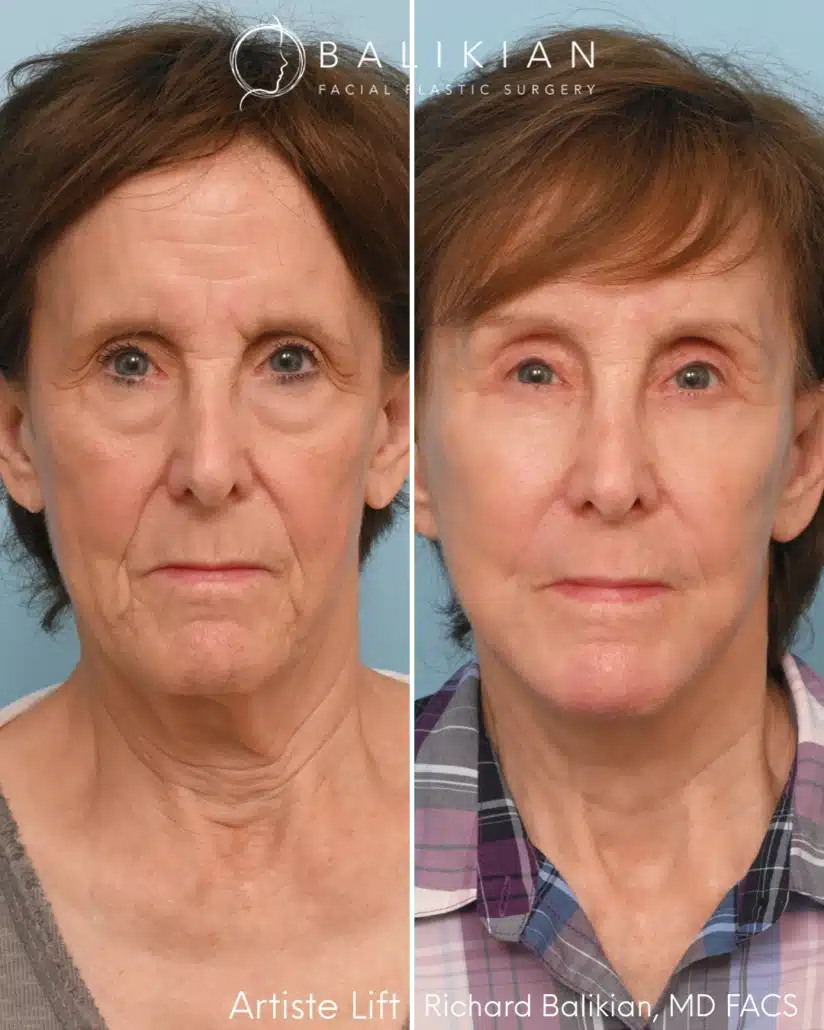
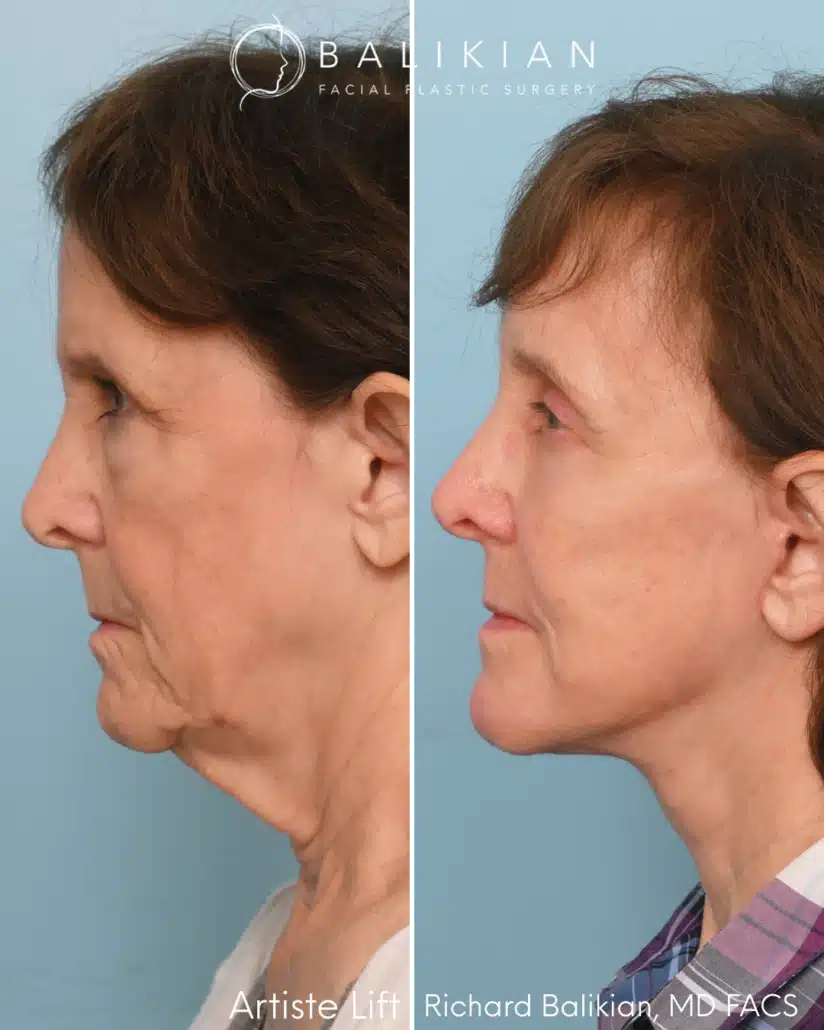


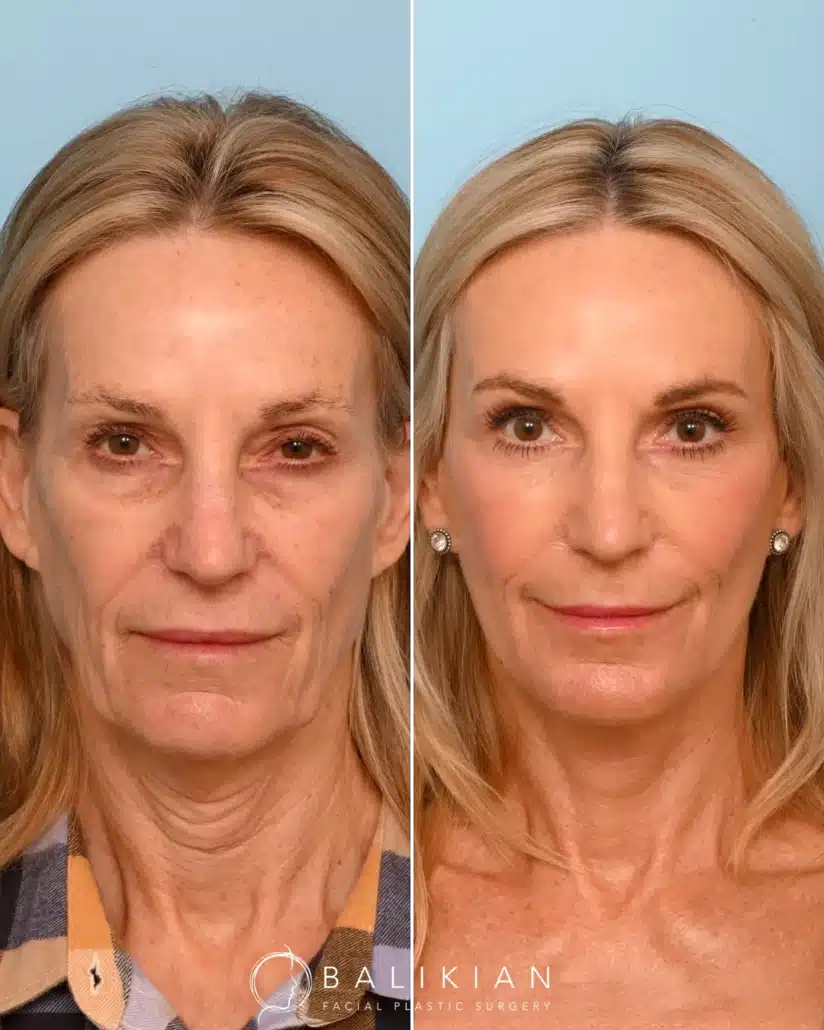
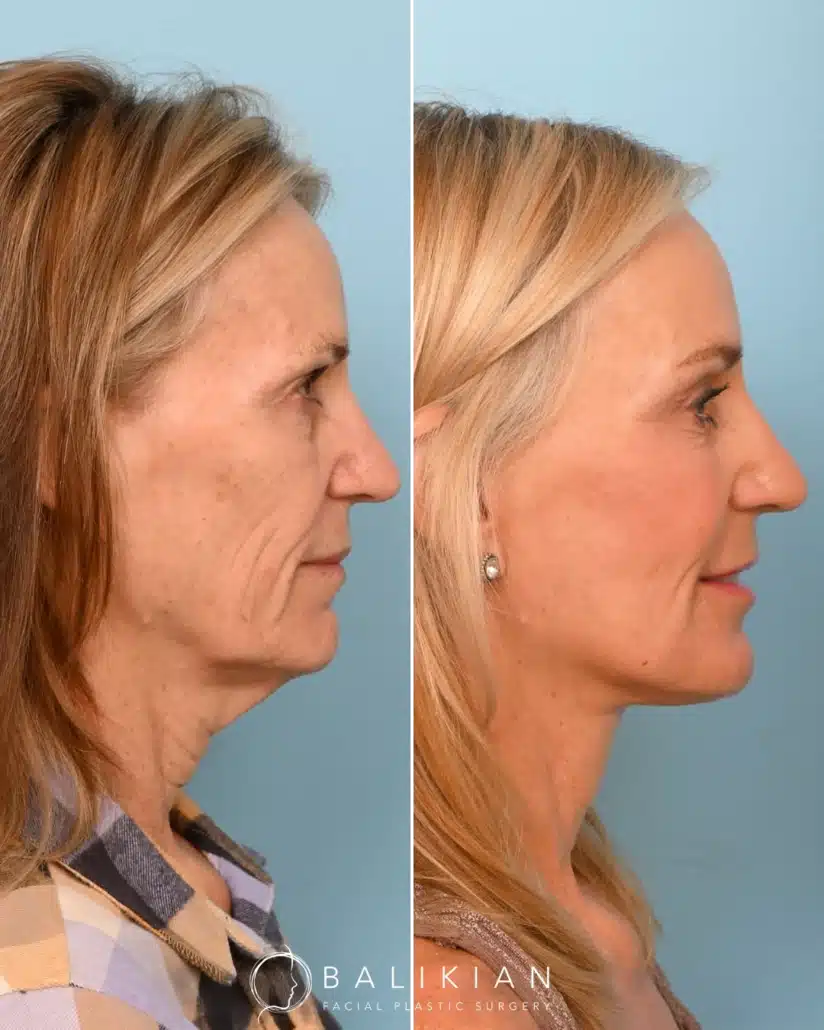
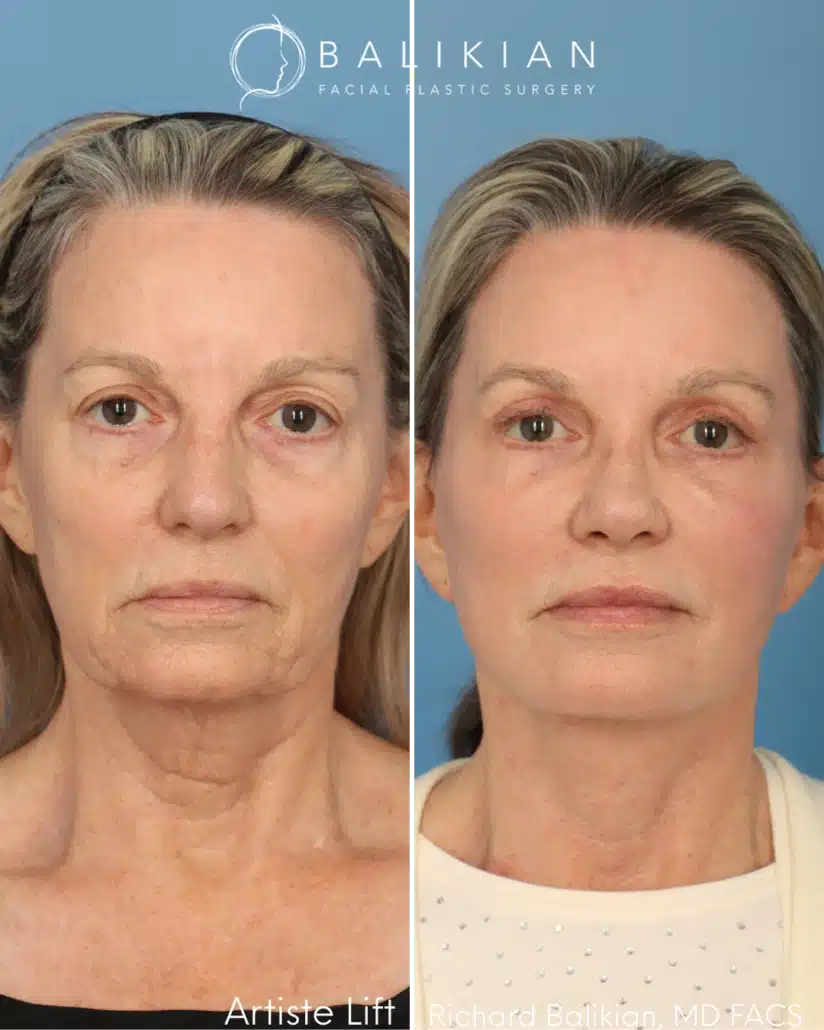
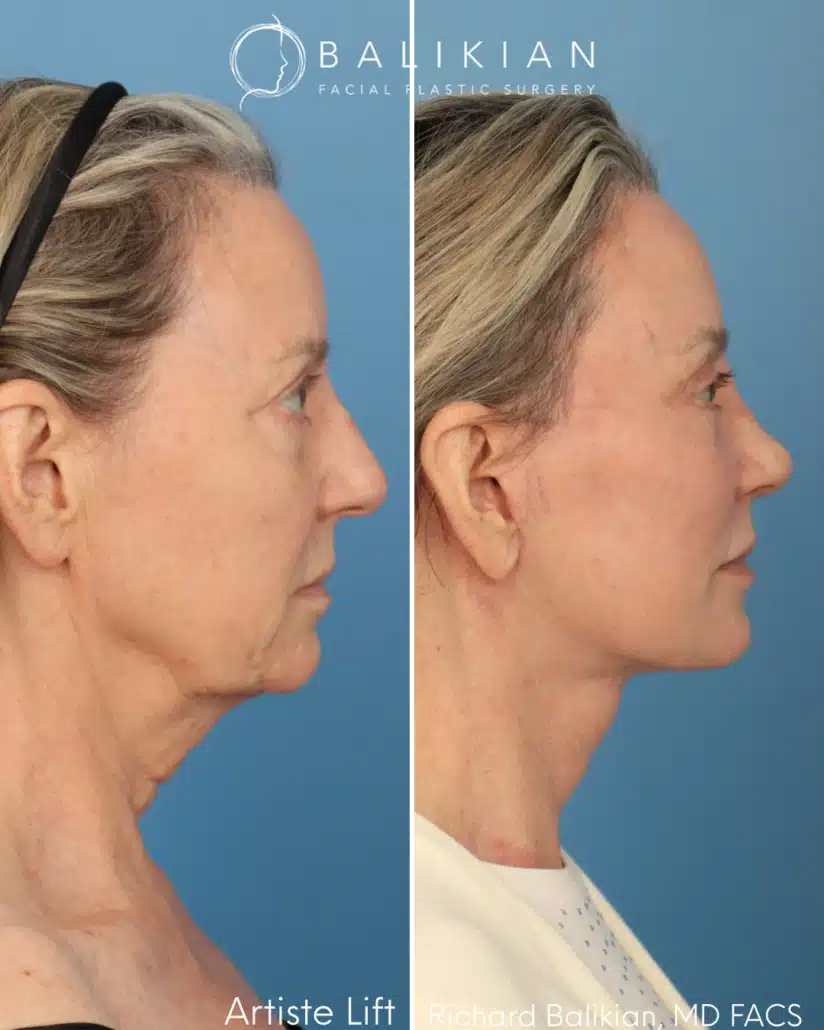
Neck bands form when the platysma muscle separates and becomes more defined beneath the skin. This is not simply a surface-level issue. It is the result of structural changes that affect how the neck is supported and how the skin drapes over it.
As the muscle separates and underlying support shifts, the edges of the platysma become more visible, creating the vertical lines patients recognize as neck bands.
The platysma is normally joined at the center of the neck, forming a smooth and continuous layer. With age, this connection can weaken, allowing the muscle to separate into two distinct edges.
As this separation occurs:
This separation is what creates the visible vertical bands that interrupt an otherwise smooth neck contour.
The platysma is an active muscle that engages during everyday movements such as speaking, smiling and straining the neck.
When the muscle contracts:
This is why many patients first notice neck bands during movement before they appear at rest.
As the underlying structure changes, the skin no longer drapes evenly over the neck. Instead, it begins to follow the contours of the separated muscle and descended tissues.
This can lead to:
The skin itself is not the primary cause, but it reflects the structural changes happening beneath it.
Understanding how these deeper layers influence what you see on the surface is an important part of evaluating neck aging.
In the videos above, Dr. Balikian walks through how the neck changes over time and how these structural shifts influence overall contour.
Neck bands tend to develop gradually rather than all at once. Early on, they may only be visible with movement or certain expressions.
As the structural changes continue:
At the same time, the transition between the jawline and neck softens, contributing to an overall change in contour.
This progression reflects ongoing changes in the underlying anatomy rather than a sudden change in the skin alone.
It is common to think of neck aging as loose or sagging skin. While skin quality does play a role, it is only one part of the overall picture.
The platysma muscle and deeper support structures have a significant influence on how the neck looks over time.
As these structures change, they affect:
Understanding this helps explain why neck aging often involves more than what is visible on the surface.
Understanding the platysma muscle is one part of a larger picture.
Many patients find it helpful to also learn:
To explore how neck bands and jawline changes are corrected, read: Addressing Platysma Bands And Jowls With A Deep Plane Facelift
What causes neck bands to form?
Neck bands form when the platysma muscle becomes more visible over time. Research describes platysma prominence as an aging change marked by vertical banding and blunting of the jawline. Anatomical studies also show that with age, the medial platysma fibers can separate, which helps explain why the neck loses its smooth central contour.
Why do neck bands look worse when I talk or strain my neck?
The platysma is an active muscle, so movement can make its edges more visible. That is why many patients notice bands first when speaking, smiling, or tensing the neck. The literature also notes that platysmal banding can be influenced by muscle activity and visibility, not just loose skin alone.
Are neck bands just a skin problem?
No. Skin quality matters, but neck bands are not simply a surface issue. Current anatomy research shows the platysma is connected to both the skin and deeper fascia, which helps explain why visible neck aging reflects deeper structural change, not just excess or lax skin.
Why does the jawline often soften when neck bands appear?
The platysma is part of the broader face and neck support system. Research shows the platysma blends with the SMAS-platysma complex, so changes in this layer can affect both neck contour and jawline definition. That is why neck aging and lower face aging often show up together rather than as separate problems.
Can skin tightening or fillers fix platysma bands?
They may improve skin quality in selected patients, but they do not directly correct platysma separation or deeper structural descent. Recent review literature identifies onabotulinumtoxinA as a nonsurgical option for platysma prominence in appropriate candidates, while also making clear that treatment choice depends on anatomy, severity, and patient selection. Minimally invasive approaches may help contour in selected cases, but they do not replace structural correction when laxity, fat, or deeper descent are more significant.
Why do platysma bands tend to get worse over time?
They usually progress because the underlying anatomy continues to change. Age-related separation of the platysma, weakening of support, and ongoing laxity can make the bands more visible at rest over time. Reviews on platysmaplasty also note that achieving durable neck definition can be challenging, which is why a true structural understanding matters when planning treatment.
How does the platysma relate to facelift and neck lift surgery?
The platysma is central to modern face and neck rejuvenation because it is not an isolated neck muscle. Anatomical and surgical literature describes it as part of a composite SMAS-platysma system, which is one reason deeper structural techniques are used to address jawline and neck aging together rather than treating the skin alone.
Why can platysma bands come back after treatment?
Recurrence can happen because the platysma is a dynamic structure with attachments to the skin and deep fascia. Recent anatomical work specifically discusses recurrent platysmal bands and recurrent anterior neck laxity, showing why long-term neck correction depends on respecting how the muscle is actually connected and how it functions.
Is there a good age to treat neck bands?
There is no single age that fits everyone. What matters more is the anatomy being treated. StatPearls notes that platysmal bands commonly begin appearing by around the mid-50s and worsen over time, but treatment decisions should be based on how much of the issue is skin, fat, muscle, and deeper structural descent.
Dr. Richard Balikian is a highly respected facial plastic surgeon serving the San Diego area.
With over 20 years of experience and double board certification in Facial Plastic and Reconstructive Surgery as well as Head and Neck Surgery, Dr. Balikian offers a unique combination of technical expertise and artistic vision.
He is part of an elite group of surgeons with extensive training focused exclusively on the face and neck.