Deep Neck Sculpting in Neck Lift Surgery
What Is Deep Neck Sculpting and How Does It Improve Jawline Definition
Deep neck sculpting is a surgical technique used during neck lift procedures to improve jawline definition by addressing structures beneath the surface of the neck.
Rather than tightening the skin alone, this approach focuses on the deeper layers that actually shape the neckline, including muscle, fat and glandular tissue.



The neck does not age at a single layer.
Changes occur across multiple structures, including:
As these changes occur, the jawline becomes less defined and fullness beneath the chin becomes more noticeable. These issues are often attributed to loose skin, but in many cases, the cause is deeper.
Fullness beneath the jawline can come from several different sources.
These include:
Each of these affects the contour differently. Understanding which structure is responsible is what determines the treatment approach.
Deep neck sculpting is performed through a direct approach, typically using an incision beneath the chin. This allows access to the deeper layers of the neck, where structural changes occur.
From this level, the surgeon can:
This is not a surface procedure. It is a structural correction.
The platysma is the primary muscle that defines the contour of the neck. Over time, it can separate and descend, creating visible banding and reducing jawline definition.

The platysma muscle, a thin layer of muscle that supports the neck and influences contour along the jawline.
When this muscle is restored, it recreates support for the overlying structures and helps reestablish a clean neckline.
However, muscle correction alone may not be enough.
Beneath the platysma lies a layer of deeper fat that can contribute to fullness under the chin. This fat is different from superficial fat.

Subplatysmal fat located beneath the platysma muscle, which can contribute to deeper fullness under the chin.
It cannot be effectively treated from the surface and must be addressed directly when present. Selective reduction of this fat helps refine the contour without creating an overcorrected or hollow appearance.
Deeper in the neck, the anterior digastric muscles can also influence the contour beneath the chin. In some patients, these muscles are more prominent or positioned in a way that contributes to fullness in the central neck.

Anterior digastric muscles, which can contribute to central fullness beneath the chin when prominent.
This is not related to skin or fat. It is a structural component. When present, the digastric muscles can be selectively refined to improve the contour and create a smoother transition between the jawline and neck.
As with other deeper structures, this is addressed only when it contributes to the overall appearance.
In some patients, the submandibular glands play a significant role in jawline definition. When these glands become more visible, they can create persistent fullness beneath the jawline.

Submandibular glands beneath the jawline, which can contribute to fullness when deeper structural support changes.
In these cases, careful reduction may be performed as part of a structural neck lift. This is not a routine step. It is based entirely on individual anatomy.
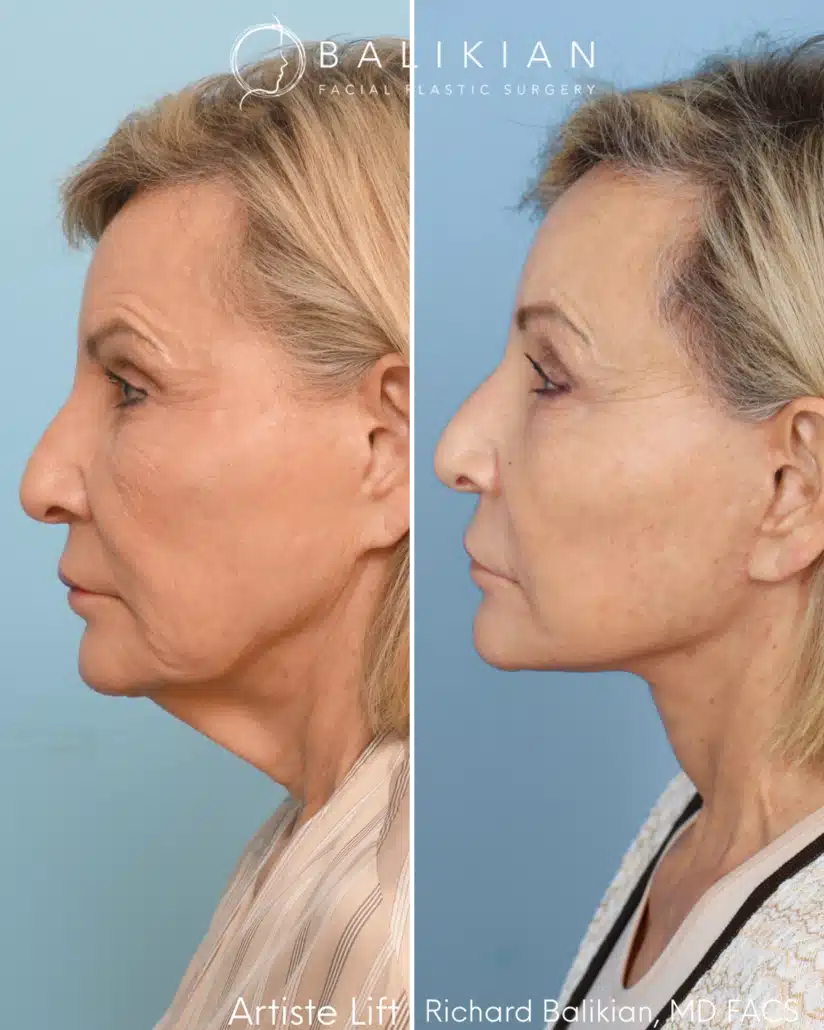

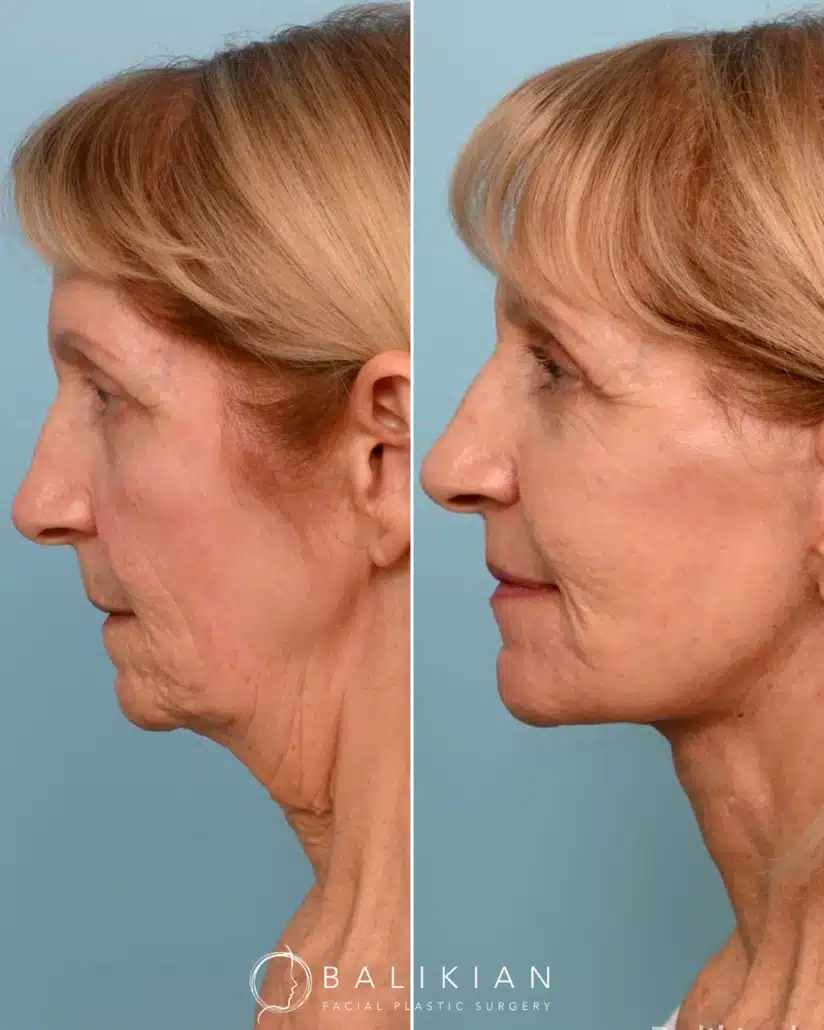
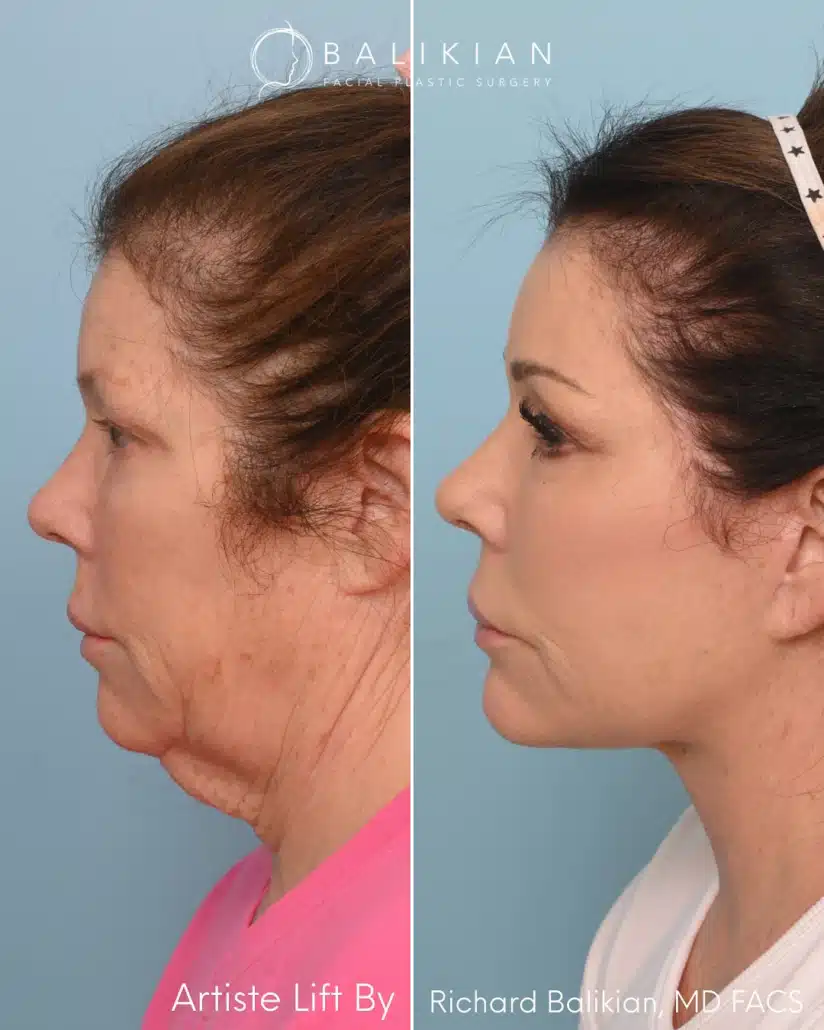
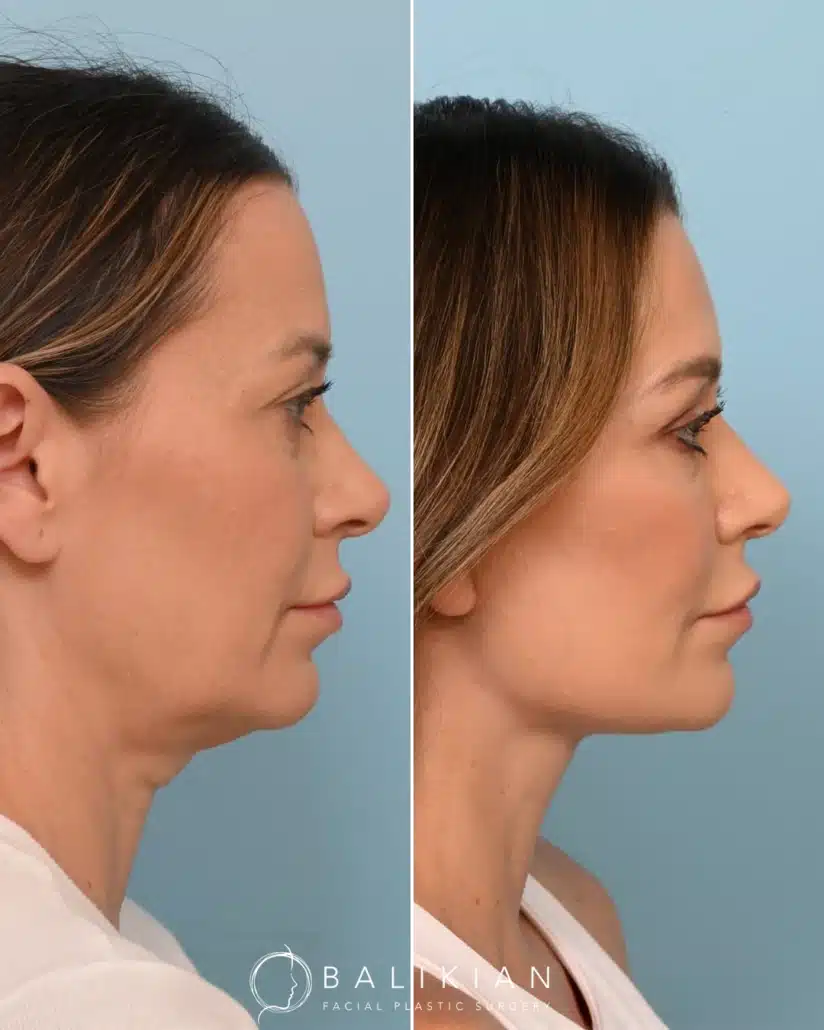
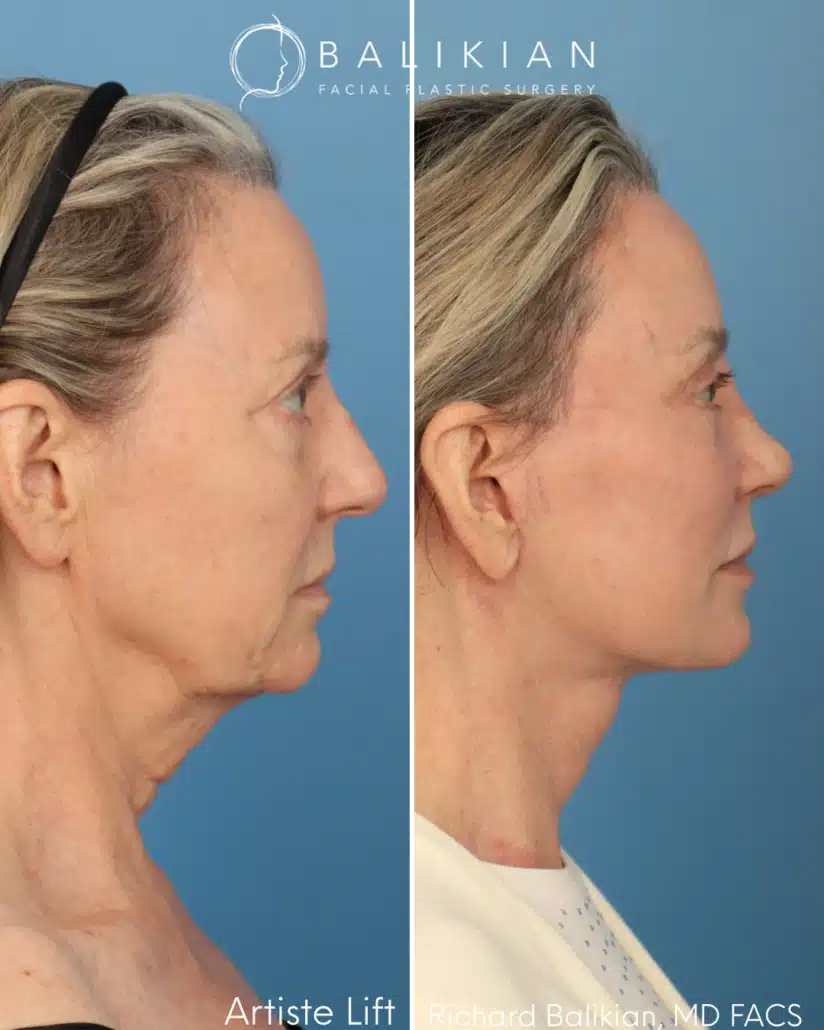
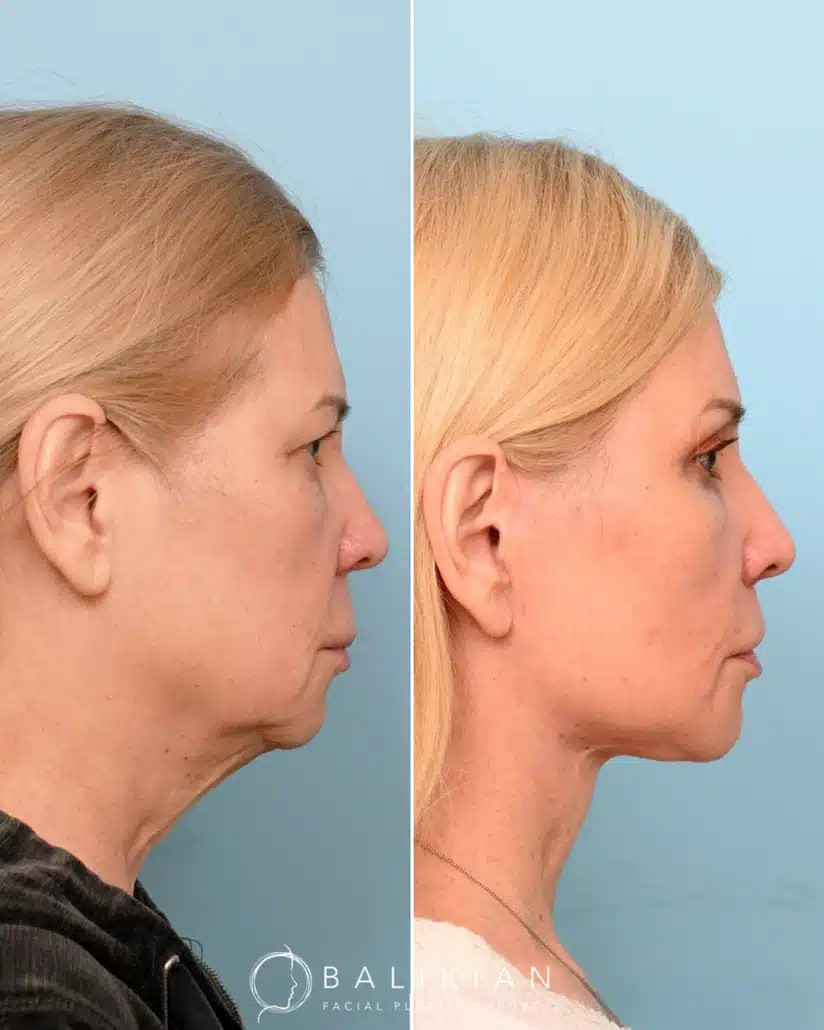
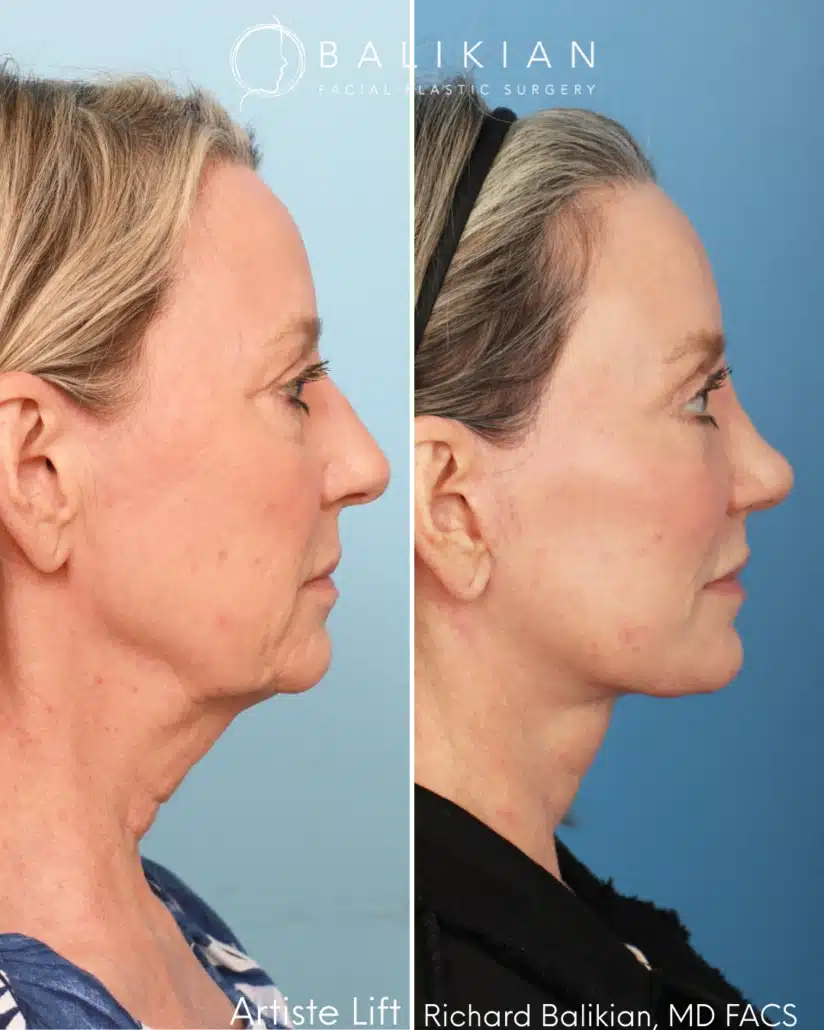
When the appropriate structures are addressed, the changes become clearly visible. The jawline appears sharper, the transition into the neck becomes smoother and fullness beneath the chin is reduced.
Visible changes include:
This improvement is not created by pulling the skin. It is created by refining the structures underneath.
When results depend on skin tension, the outcome can appear tight or artificial. When results are created at depth, the skin simply follows the underlying structure.
This allows the neck to look:
The goal is not to change the face. It is to restore the underlying anatomy.
Deep neck sculpting is one component of a comprehensive neck lift.
It is often combined with:
Each layer contributes to the final result. The approach is based on what is needed, not a fixed set of steps.
Not every patient requires deep neck sculpting. The need for this approach depends on what is actually contributing to fullness or loss of definition beneath the jawline.
Patients who may benefit include those with:
Not every patient requires deep neck sculpting. The decision depends on anatomy and the source of the contour change.
The neck is highly sensitive to small changes. Minor adjustments at depth can create significant improvements in contour. At the same time, overcorrection can lead to unnatural results.
That is why deep neck sculpting is based on balance. Each structure is treated only as needed, based on how it contributes to the overall contour.
By addressing muscle, fat and glandular components directly, a neck lift can achieve a result that looks more natural and remains stable over time.
What is deep neck sculpting in a neck lift?
Deep neck sculpting improves jawline definition by treating deeper structures such as muscle, fat, and glands rather than tightening skin alone. The neck is composed of multiple anatomical layers that contribute to contour changes over time.
What causes fullness under the chin?
Fullness under the chin can be caused by platysma separation, deep fat, submandibular glands, or digastric muscles, not just superficial fat. Multiple structures beneath the platysma influence neck contour.
Is deep neck fat different from regular fat?
Yes. Deep neck fat lies beneath the platysma and cannot be treated with surface-based methods. It requires direct access to be addressed effectively.
What does the platysma muscle do in the neck?
The platysma helps define the contour of the neck. As it weakens or separates, it contributes to banding and loss of jawline definition.
Do submandibular glands affect jawline definition?
Yes. Submandibular glands sit beneath the jawline and can create fullness when prominent, affecting neck contour.
What are the anterior digastric muscles?
The anterior digastric muscles are located beneath the chin and can contribute to central neck fullness in some patients.
Is deep neck sculpting necessary for every patient?
No. It is only performed when deeper structures contribute to fullness or loss of definition. The approach depends on individual anatomy.
Can non-surgical treatments treat deep neck fullness?
No. Non-surgical treatments improve skin and superficial fat but do not address deeper structures beneath the platysma.
Why does a structural approach look more natural?
A structural approach restores support at depth, allowing the skin to follow naturally rather than relying on tension.
How long do results from deep neck sculpting last?
Results are typically longer-lasting because they are based on structural correction rather than surface tightening alone.
Dr. Richard Balikian is a highly respected facial plastic surgeon serving the San Diego area.
With over 20 years of experience and double board certification in Facial Plastic and Reconstructive Surgery as well as Head and Neck Surgery, Dr. Balikian offers a unique combination of technical expertise and artistic vision.
He is part of an elite group of surgeons with extensive training focused exclusively on the face and neck.