The Mastoid Crevasse Technique in Neck Lift Surgery
Understanding Structural Support in Neck Lift Surgery
When patients think about improving the neckline, the focus is usually on skin. Tightening it. Smoothing it. Removing fullness.
But long-lasting, natural definition does not come from the surface.
The neck is a layered structure made up of muscle, fascia, fat and deeper support points that determine how the jawline transitions into the neck. Over time, those relationships change. The platysma can separate. Fat can shift. Glandular structures can become more visible. The support that once held the jawline in place begins to weaken.



If those deeper changes are not addressed, tightening the surface can create tension without true structure. The result may look improved initially, but it does not hold.
Modern neck lift techniques focus on restoring support. Not just tightening what is visible, but rebuilding the underlying framework that defines the contour.
The mastoid crevasse technique is a structural method used during neck lift surgery to support and stabilize deeper tissues of the neck.
It uses a natural anatomical space behind the ear, near the mastoid region, as a stable point of fixation. From this point, deeper layers of the neck can be repositioned and secured in a way that restores contour without relying on surface tension.
It is not a pulling maneuver. It is an anchoring point.
The mastoid crevasse refers to a natural space along the mastoid region, located just behind the ear. This area provides access to a stable fascial plane that can be used to secure repositioned tissue.
In neck lift surgery, deeper structures such as the platysma and associated soft tissue layers are elevated and repositioned. The mastoid crevasse allows those tissues to be anchored to a stable, non-mobile structure.
This creates support at depth rather than tension at the surface. Because the fixation point is stable, the result does not rely on the skin to maintain contour.
One of the most common issues in neck aging is loss of definition along the jawline.
This often presents as:
These changes are frequently attributed to loose skin, but in many cases, the cause is deeper.
When the platysma separates or descends, and when deeper support weakens, the jawline loses its structural definition. Tightening the surface alone does not correct this. It simply places tension over an unsupported foundation.
Without structural support, results depend on tension. And tension does not hold.
In more traditional approaches, definition is often created by pulling tissue backward and tightening the skin.
This can improve contour initially, but it relies heavily on tension. Over time, that tension relaxes, and the underlying issue remains unchanged.
If there is no stable point of fixation at depth, the result is dependent on the skin to maintain shape.
That is where the difference lies.
If you do not have a stable place to anchor the tissue, you end up relying on tension. And tension is what creates that pulled look.
By using the mastoid crevasse as a fixation point, deeper tissues can be repositioned with precision and supported in a stable way.
This allows for:
Because the correction happens at depth, the surface does not need to carry the load. The result is not tighter. It is more structurally supported.
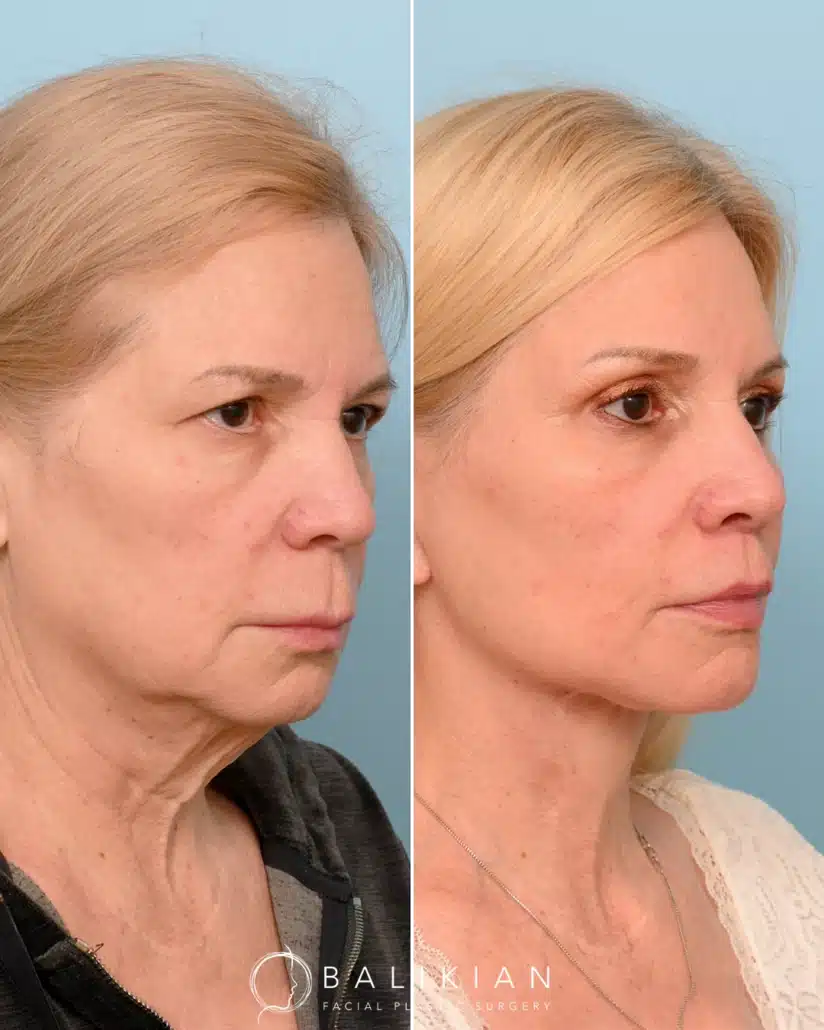
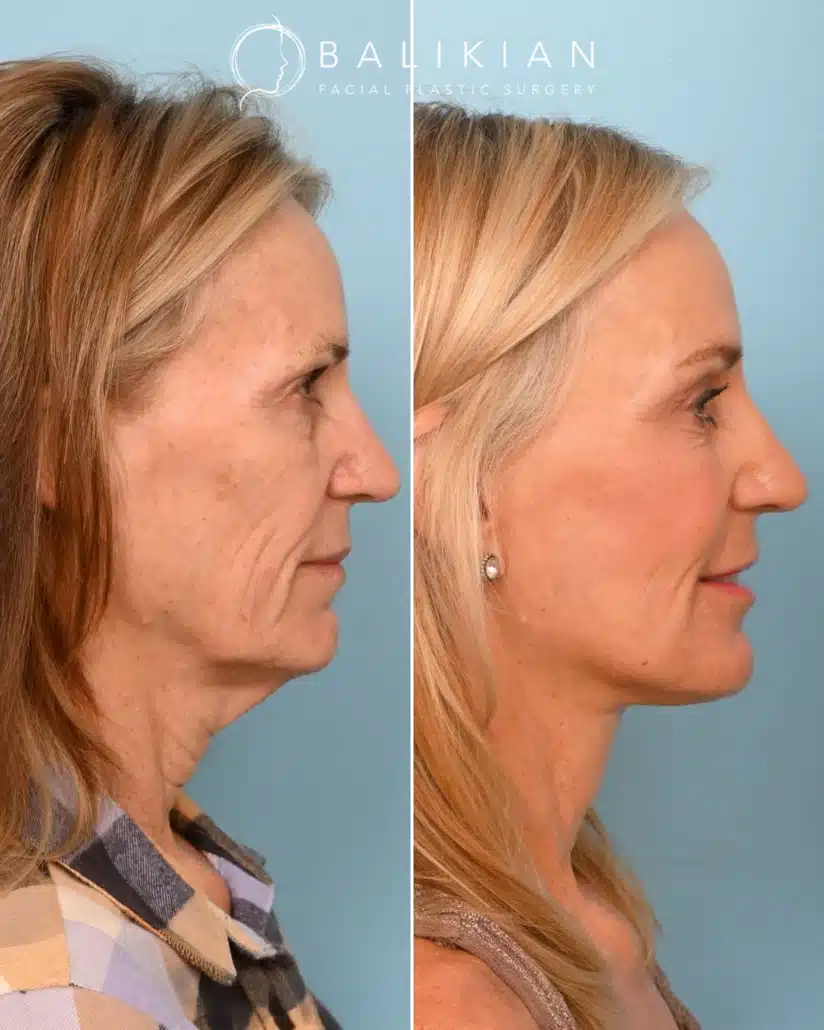
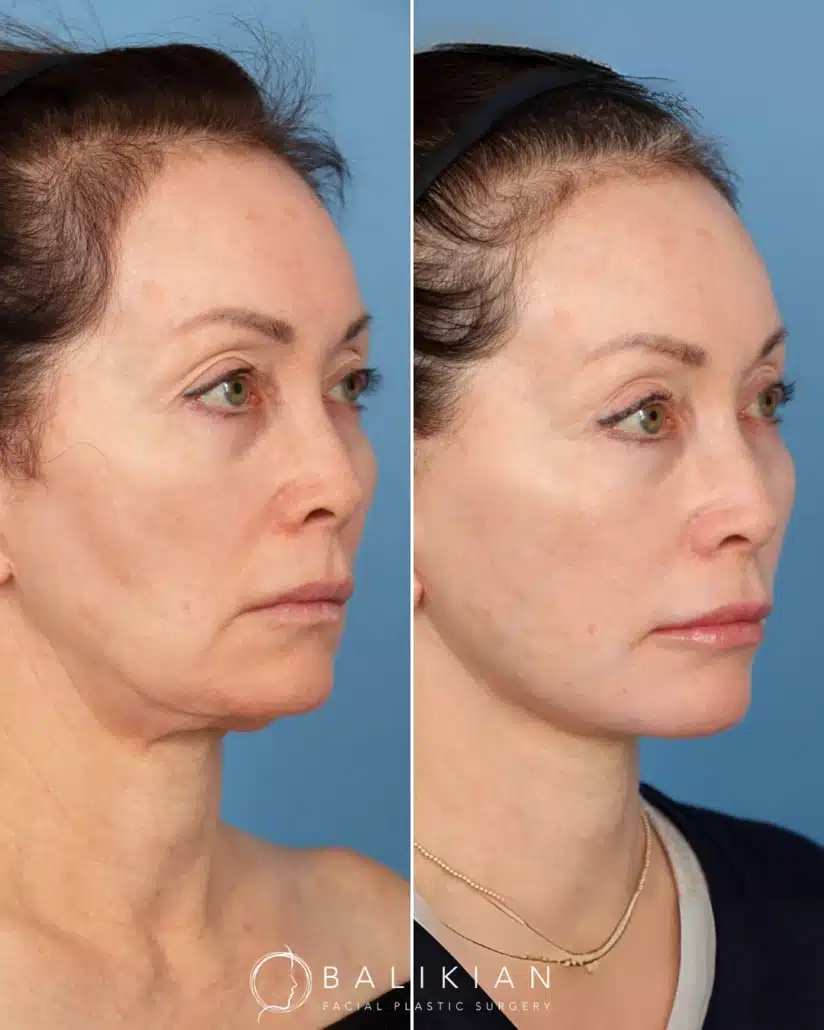
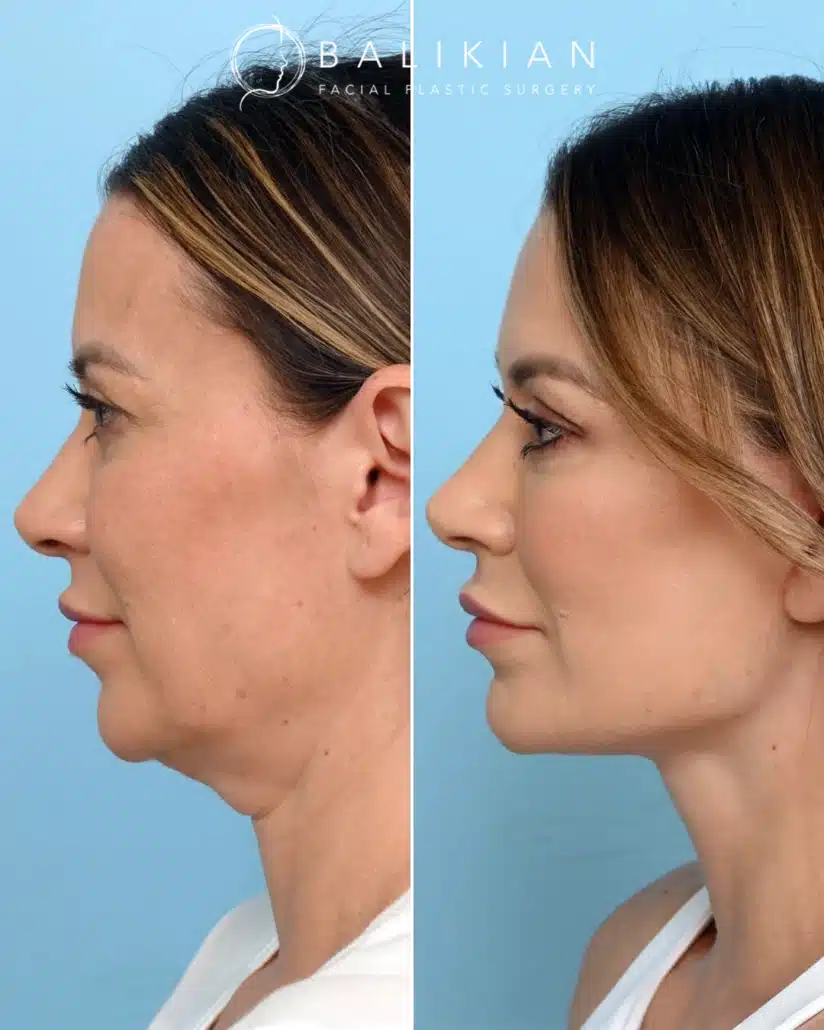
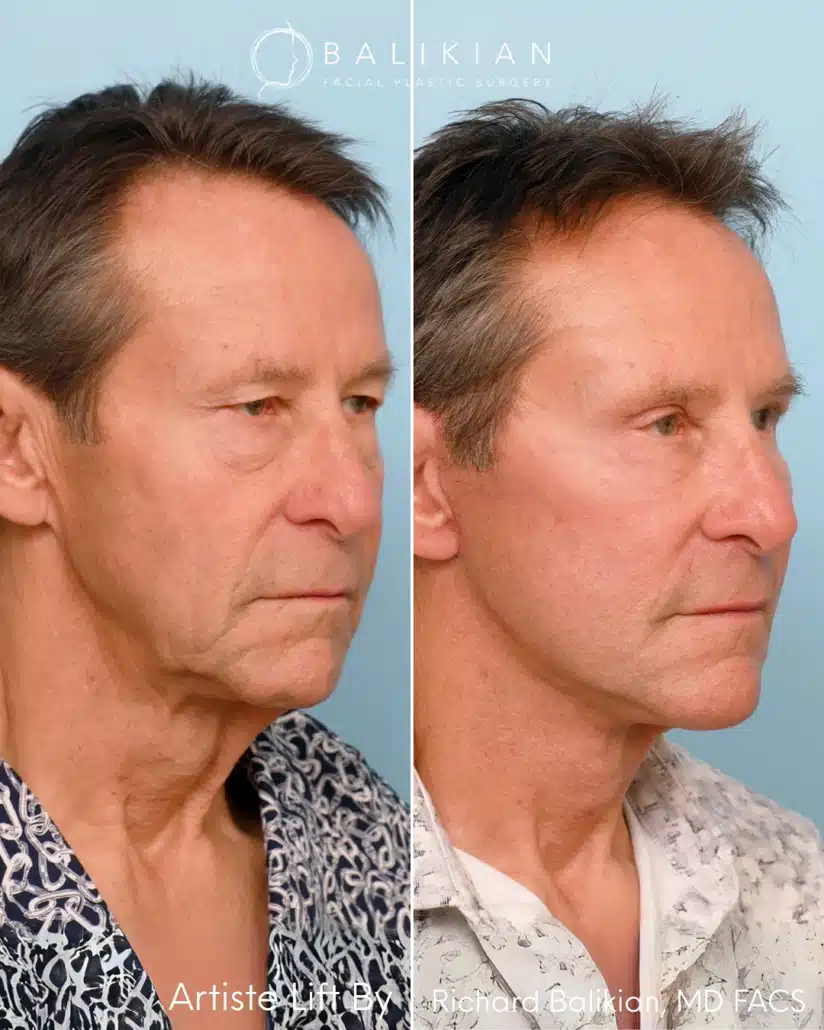
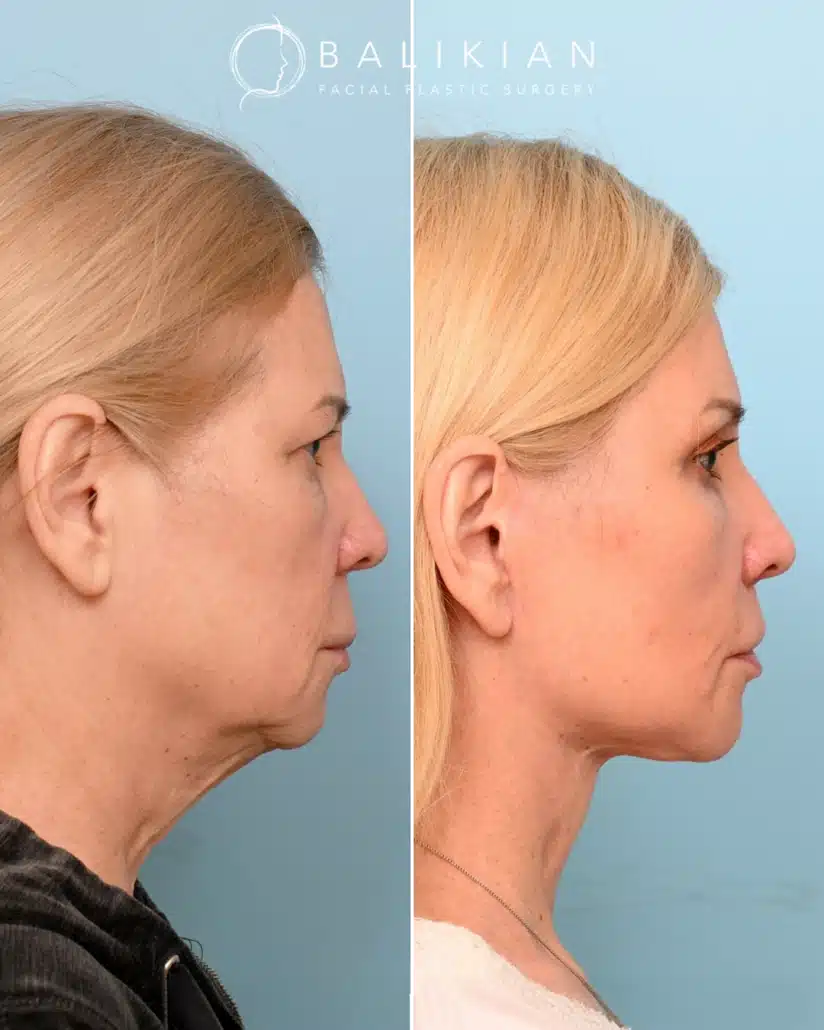

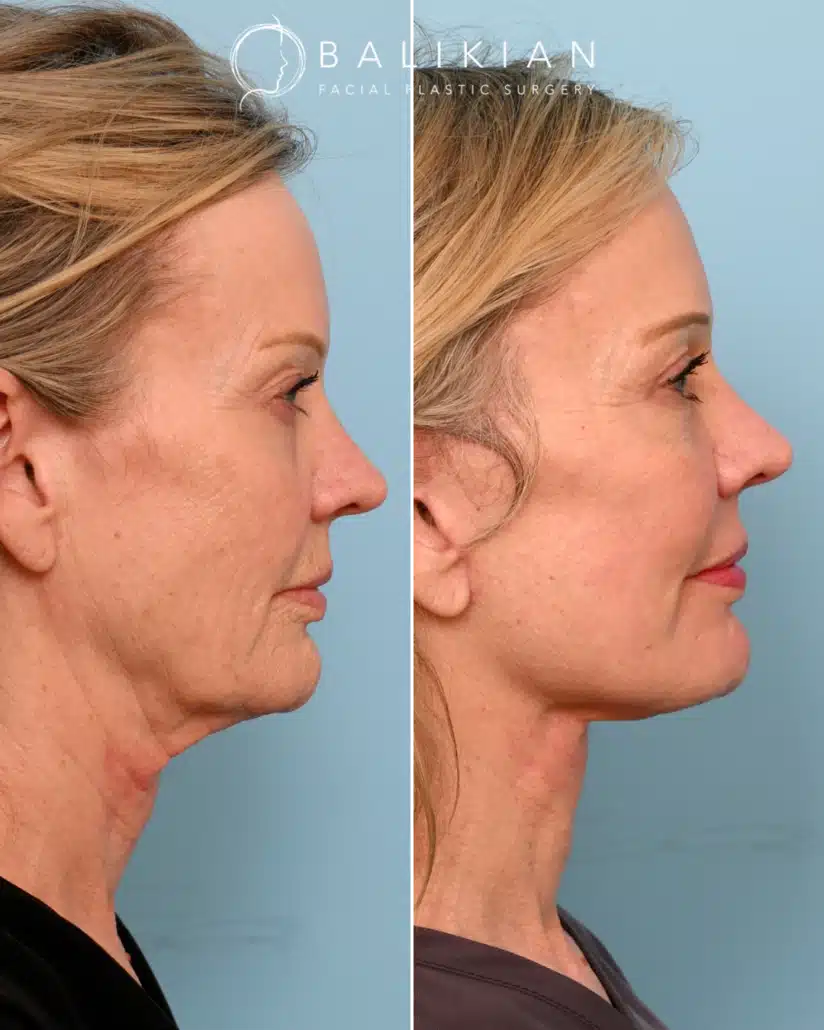
Facial and neck rejuvenation has evolved. The focus is no longer on tightening what is visible, but on understanding how different layers contribute to aging.
Aging occurs across multiple levels:
Treating only one layer does not restore balance.
Techniques like the mastoid crevasse approach reflect a broader shift toward anatomy-based surgery, where each layer is evaluated and addressed in relation to the others.
The goal is not to override anatomy. It is to restore it.
The mastoid crevasse technique is not a standalone solution. It is one component of a broader structural approach to neck rejuvenation, where multiple layers are addressed together based on individual anatomy.
In some cases, this may include:
The technique is used when deeper support is needed to create definition along the jawline and neck. What matters is not the name of the technique, but how it is applied.
Non-surgical treatments can improve the appearance of the skin, but they do not address deeper structural changes.
Most non-surgical approaches focus on:
These can improve skin quality, but they do not restore the support that defines the neck. For patients with deeper anatomical changes, structural techniques are often required to achieve meaningful, lasting improvement.
A neck lift is not defined by a single maneuver or technique. It is defined by how different layers are evaluated and addressed in relation to one another.
Techniques such as the mastoid crevasse approach are used to support deeper structures when loss of support contributes to softening along the jawline and neck. In other cases, different structures may be the primary focus.
What matters is not the name of the technique, but:
Because anatomy varies from one patient to the next, the approach must be individualized. Understanding how these techniques are applied helps clarify why some results appear natural and stable, while others rely on surface tension and do not hold over time.
What is the mastoid crevasse technique in neck lift surgery?
The mastoid crevasse technique is a deeper support maneuver used in advanced face and neck lifting. It uses a fixation point near the mastoid region behind the ear to help support the deeper neck tissues, rather than relying on skin tension alone. Recent PubMed-indexed literature describes it as part of modern deep plane neck lifting and as a way to improve posterior-medial neck lift support.
Why is the mastoid crevasse important in a neck lift?
The neck does not age at the surface only. As deeper support weakens, the jawline can soften and the angle between the face and neck can become less distinct. The mastoid crevasse matters because it gives the surgeon a stable point of fixation for deeper tissues, which can help create a sharper jawline and a smoother transition from the face into the neck without depending on excessive pull on the skin.
Does the mastoid crevasse technique tighten the skin?
Not directly. The concept behind the technique is structural support, not surface tightening. In the recent literature, mastoid-based fixation is described as part of a deeper lift strategy that repositions and supports deeper layers so the skin can redrape more naturally. That is one reason these techniques are associated with a more anatomy-based approach to neck rejuvenation.
How is the mastoid crevasse different from a traditional neck lift approach?
Traditional approaches often depend more heavily on skin tightening or simpler suspension methods. More recent deep plane literature describes the mastoid crevasse as part of a three-dimensional lifting strategy, where the vector of lift and the point of fixation are used to support deeper tissues more effectively. In other words, the emphasis shifts from tightening what is visible to restoring what is structurally unsupported.
Can the mastoid crevasse technique improve jawline definition?
Yes, that is one of the main reasons it is discussed in current neck lift literature. Recent PubMed-indexed articles describe mastoid crevasse fixation as helping improve posterior-medial neck lift support and contributing to a more sculpted, defined jawline.
Is the mastoid crevasse used by itself or as part of a larger neck lift?
It is typically described as part of a broader structural neck lift rather than a standalone procedure. Recent literature places it alongside other deeper maneuvers in face and neck rejuvenation, including platysma management, deep plane lifting, and vector-based repositioning of the lower face and neck.
Is this technique related to platysma support?
Yes. Recent PubMed literature on isolated neck lift surgery also discusses mastoid-based fixation of platysma-related tissues. That supports the broader concept that long-lasting neck contour depends on deeper support and not just skin excision.
Does the mastoid crevasse technique create a more natural-looking result?
That is the intended goal. The modern literature describes mastoid crevasse fixation as part of a more structural and vector-conscious approach to rejuvenation, designed to support deeper tissues so the neck contour looks defined without appearing pulled.
Is the mastoid crevasse technique used in all neck lift patients?
Not necessarily. The recent literature presents it as a technique within advanced deep plane and structural neck rejuvenation, not as a universal step for every patient. Technique choice depends on anatomy, the depth of aging changes, and which layers are contributing to the loss of contour.
Dr. Richard Balikian is a highly respected facial plastic surgeon serving the San Diego area.
With over 20 years of experience and double board certification in Facial Plastic and Reconstructive Surgery as well as Head and Neck Surgery, Dr. Balikian offers a unique combination of technical expertise and artistic vision.
He is part of an elite group of surgeons with extensive training focused exclusively on the face and neck.