What Is Hyoid Release | Advanced Neck Lift for a Sharper Jawline
A Deeper Look at Structural Neck Rejuvenation
The neck is one of the most defining features of facial balance. When the contour beneath the jawline is clean and well supported, the entire face appears more structured. When it is not, even subtle fullness can soften the profile and blur the transition between the face and neck.
Many people assume this change is related to skin or fat alone. In reality, the neck is shaped by deeper structures that sit beneath the surface. One of the most important of these is the hyoid complex.



Understanding how this area contributes to neck contour is essential to understanding why some necks appear sharp and defined, while others feel heavier or less structured.
A well-defined neck is not created by tightening the skin. It is created by structure.
From a surgical perspective, the neck is influenced by:
The goal is not to pull. The goal is to reposition and restore.
The hyoid is a small, horseshoe-shaped bone located beneath the jaw.

The hyoid bone positioned beneath the jaw, anchoring muscles that influence neck structure and function.
It sits within a complex network of muscles that influence how the neck and jawline are supported.
Its position affects:
In some patients, the position or tension within this system contributes to a softer or more obtuse neck angle.
This is where the concept of hyoid release becomes relevant.
Hyoid release is an advanced surgical concept focused on reducing tension within the deeper structures of the neck to allow for a more natural and refined contour.
It is not a standalone procedure. It is part of a broader structural approach to neck rejuvenation.
The goal is not to move the hyoid bone itself, but to:
This becomes particularly important in patients where traditional techniques alone would not fully address the underlying anatomy.
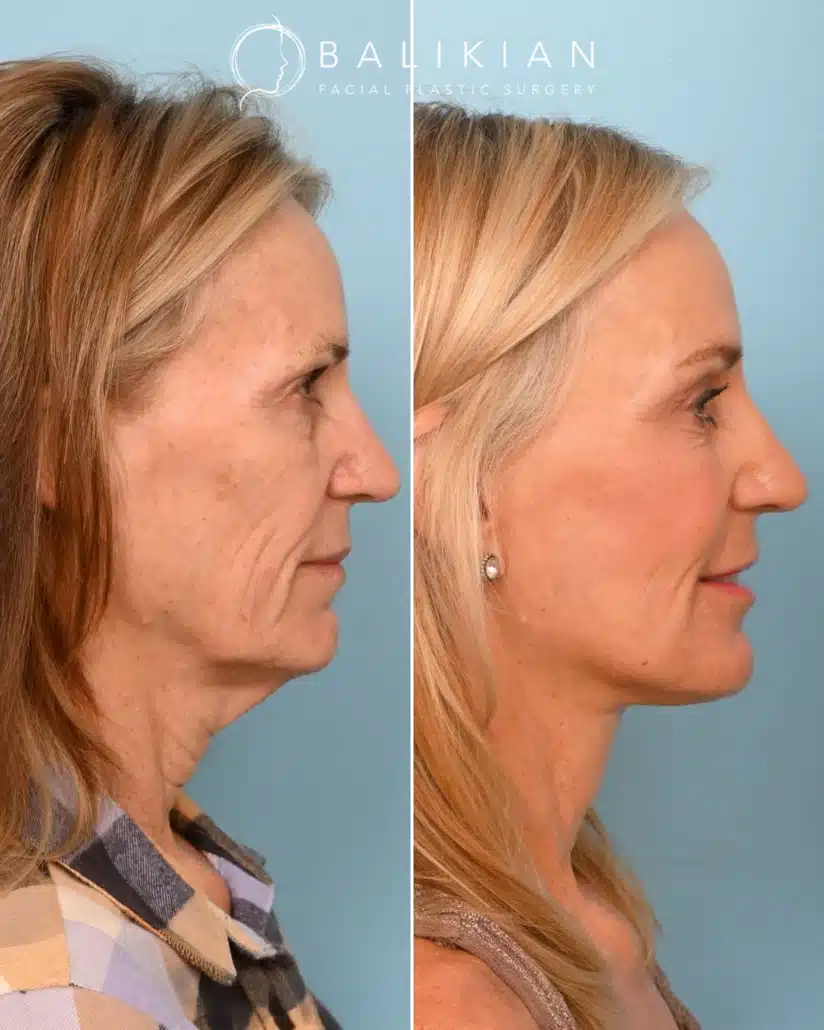
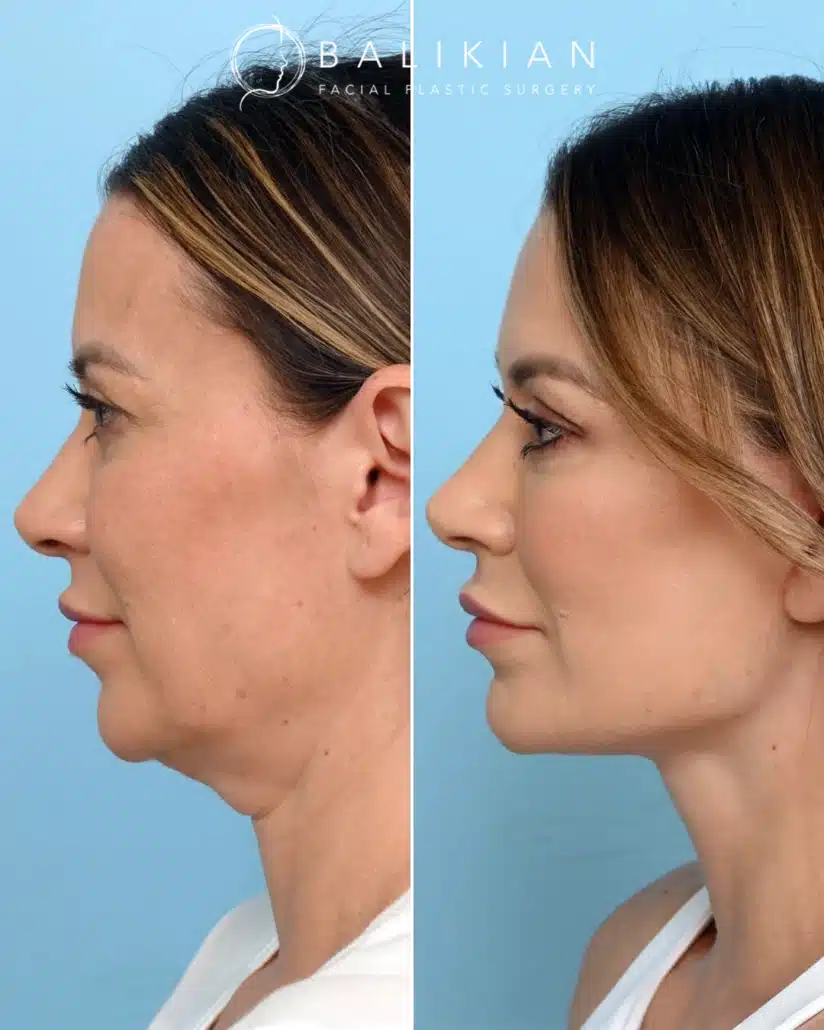
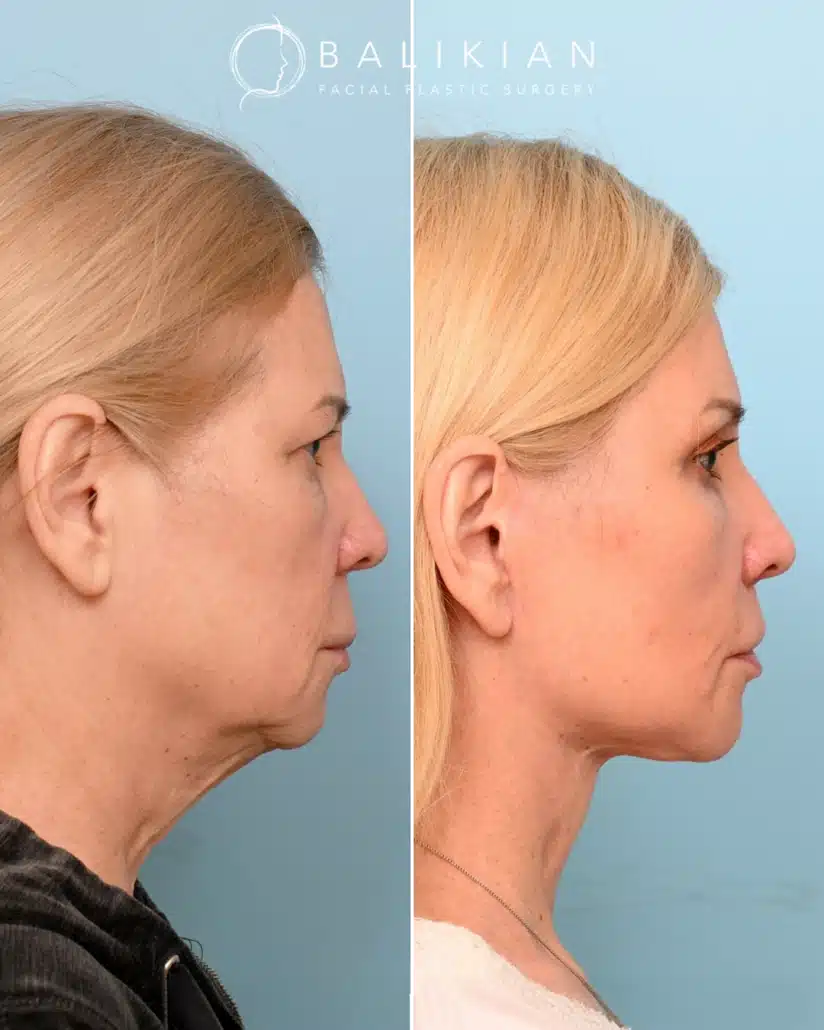

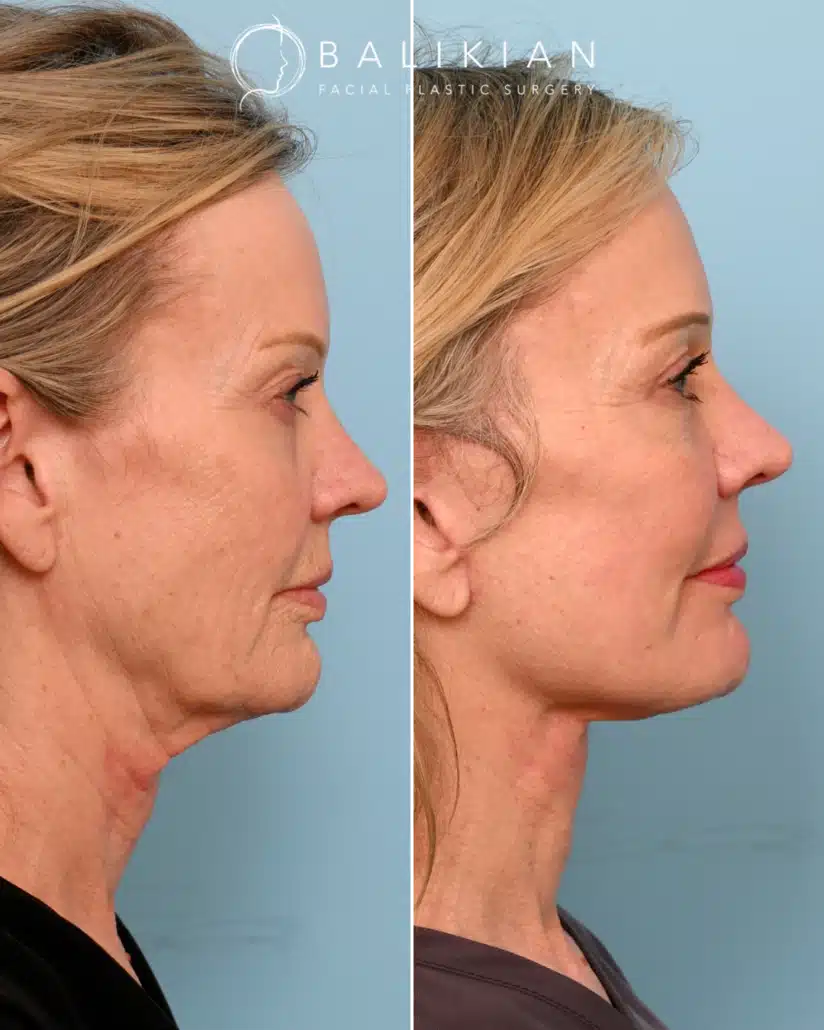
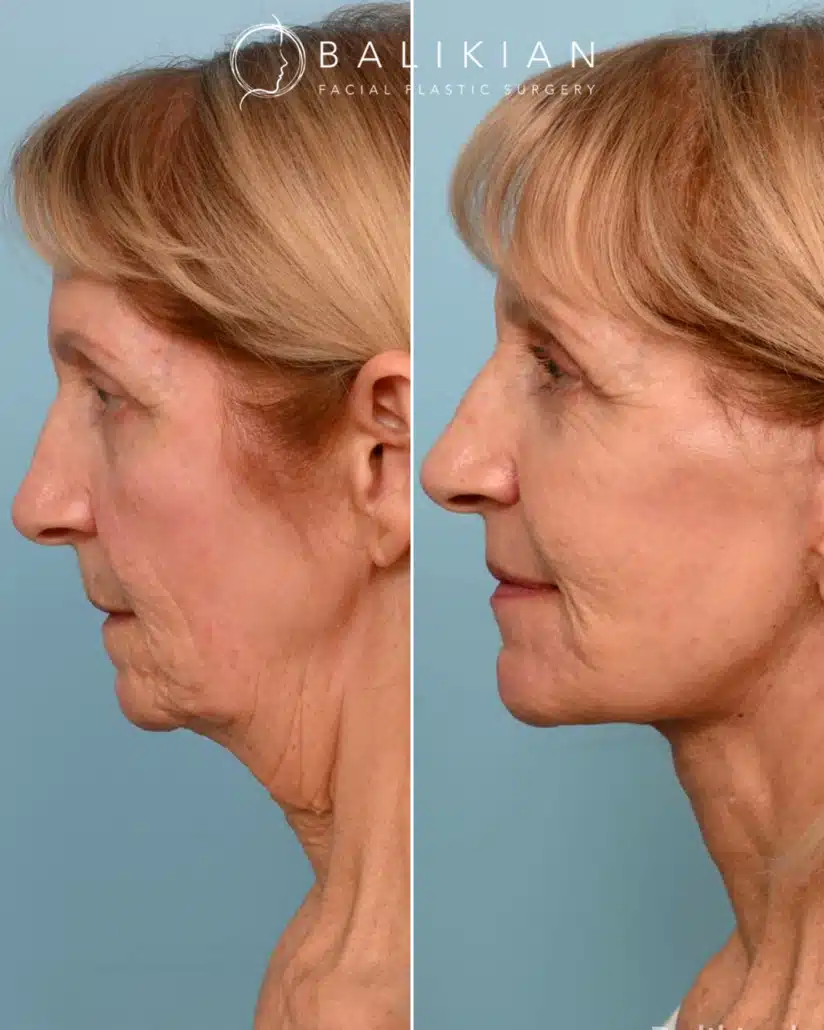
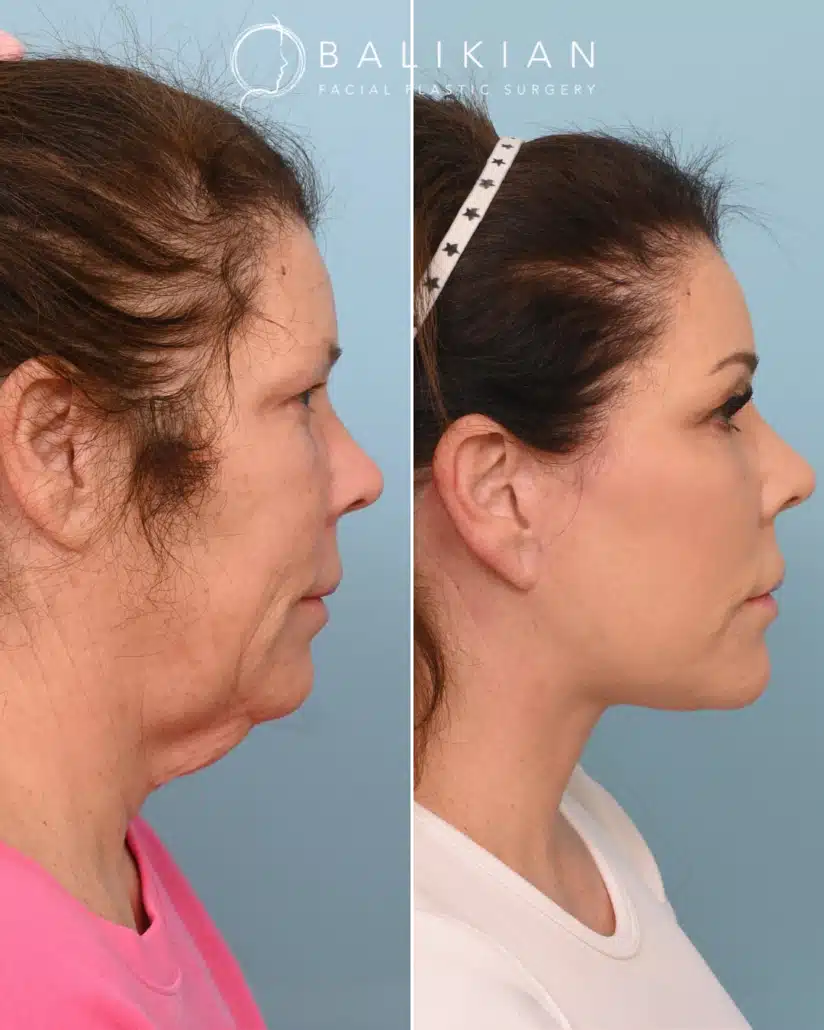
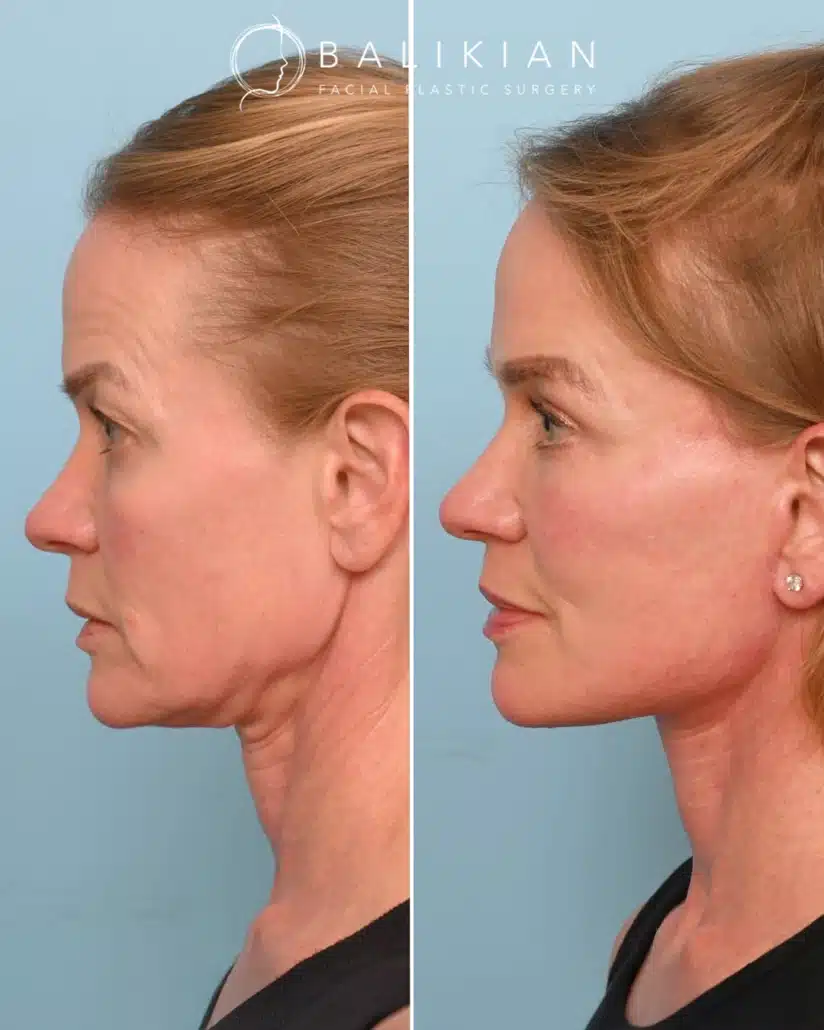
Surface treatments can improve the appearance of the neck, but they do not always address the underlying cause of fullness or loss of definition. In many cases, the issue lies deeper within the structural support of the neck rather than at the level of the skin.
Many approaches to neck rejuvenation focus on:
These can be effective in selected cases.
But when deeper structural tension is present, these treatments alone may:
This is why modern neck lift techniques have evolved.
The focus has shifted toward:
This shift allows the neck to be refined at its foundation rather than treated at the surface.
In the same way that a deep plane facelift restores the position of facial structures rather than tightening the skin, advanced neck contouring focuses on the foundation of the neckline.
This includes:
Hyoid release fits into this framework as a targeted refinement, not a routine step. It is used selectively, based on anatomy.
One of the most important principles in facial plastic surgery is restraint.
Not every patient benefits from deeper intervention. In many cases, excellent results can be achieved without addressing this level of anatomy.
The decision depends on:
This is where individualized planning becomes essential.
There is no single technique that defines a neck lift. There is only the right approach for the anatomy in front of you.
The neck does not exist in isolation.
The face and neck must be treated in harmony. A well-defined neck enhances the jawline, but the jawline itself is influenced by the midface and deeper facial structures.
This is why:
The goal is always the same: To create a result that feels balanced, natural, and consistent with the rest of the face
The idea of deeper structural work can sound aggressive, but in practice, it is the opposite.
When done correctly, it allows:
This reflects a shift in philosophy.
From:
To:
This is what allows results to look natural, balanced and true to the individual.
A sharper neckline is not the result of one technique.
It is the result of understanding:
Hyoid release is one piece of that puzzle.
Used appropriately, it can help refine the foundation of the neck and support a more defined, natural contour. But like all advanced techniques, its value comes from how selectively and thoughtfully it is applied.
What is hyoid release in neck lift surgery?
Hyoid release is a deeper structural maneuver used as part of a deep neck lift. It is not a standalone procedure, but one component of a layered approach that addresses the underlying anatomy beneath the jawline.
Why does the hyoid matter in neck contouring?
The hyoid sits within the structural framework of the upper neck and influences the angle beneath the chin. When deeper anatomy contributes to fullness, it can limit definition if not addressed appropriately.
Is hyoid release the same as a deep neck lift?
No. A deep neck lift is the overall procedure. Hyoid release may be included when needed, along with other structural steps such as subplatysmal contouring and platysma management.
Does every patient need hyoid release?
No. Most patients do not. It is used selectively based on anatomy and only when deeper structural tension is contributing to the neck contour.
What does hyoid release improve?
It helps refine the foundation of the neckline by reducing deeper structural tension, allowing for a more defined cervicomental angle in the right patient.
How is this different from liposuction or skin tightening?
Liposuction and skin tightening address surface-level concerns. Hyoid-related work addresses the deep structural layer, which is often necessary for more complete and natural contouring.
Is there scientific support for hyoid-related techniques?
Yes. Published studies describe hyoid suspension and related deep neck techniques as part of efforts to improve neck contour and jawline definition, though they are used selectively.
Dr. Richard Balikian is a highly respected facial plastic surgeon serving the San Diego area.
With over 20 years of experience and double board certification in Facial Plastic and Reconstructive Surgery as well as Head and Neck Surgery, Dr. Balikian offers a unique combination of technical expertise and artistic vision.
He is part of an elite group of surgeons with extensive training focused exclusively on the face and neck.