The 4 Layers of the Neck Explained in Neck Lift Surgery
Why the Neck Cannot Be Treated at the Surface
When patients look at the neck, the focus is usually on what is visible. Loose skin. Fullness. A loss of definition along the jawline.
Those are the changes people notice first. But what they are seeing is often just the surface expression of something happening deeper.
The neck is not a single structure.
It is made up of multiple layers that work together to create contour, support and movement. Skin, muscle, fat and deeper structures all interact to define the shape of the neck. As these layers change over time, the relationship between them changes as well. That shift is what alters the appearance of the neck.



In many cases, what looks like loose skin is actually a combination of muscle separation, deeper fullness and loss of structural support.
If only the surface is treated, the deeper problem remains. The skin may look tighter for a period of time, but the underlying changes continue to influence the contour. That is why a more structural approach is often needed to create a result that looks natural and holds over time.
To understand how neck lift surgery works, it helps to break the neck down into its core layers.
Each layer contributes differently to aging and contour. Some layers affect what is seen at the surface, while others determine the underlying shape and support of the neck.
These layers do not function independently. A change in one layer influences the others. That interaction is what leads to fullness, banding, and loss of jawline definition.
Looking at the neck in terms of layers allows for a more precise understanding of what is actually causing the change and why treating a single layer often does not fully correct the problem.
The most visible layer is the skin. Over time, the skin loses elasticity and begins to loosen. This can create wrinkling, creasing, and a softer appearance along the neckline.

The skin layer of the neck, which reflects changes occurring in the underlying structures.
But the skin does not create contour on its own. It reflects what is happening underneath. When deeper layers lose support or develop fullness, the skin follows those changes.
This is why tightening the skin alone may improve appearance temporarily, but does not address the underlying cause of the problem.
Beneath the skin is a layer of fat that contributes to the shape and softness of the neck.

Superficial fat beneath the skin, often contributing to fullness under the chin and along the neck contour.
For some patients, fullness under the chin is caused by superficial fat. This is the layer most people think of when they talk about a “double chin” or extra fullness beneath the jawline.
When this layer is the main issue, fat reduction can improve the contour. But fat is only one part of the neck. If deeper structures are also contributing to fullness, treating this layer alone will not create a fully defined neckline.
Beneath the fat lies the platysma muscle.

The platysma muscle, a thin sheet of muscle that supports the neck and influences jawline definition.
The platysma is a thin sheet of muscle that helps support the neck and define the transition from the jawline into the neck. Over time, this muscle can separate, loosen, and descend.
When the platysma changes, patients may notice vertical neck bands, loss of jawline definition, and a softer contour beneath the chin.
Restoring this layer is a key part of structural neck rejuvenation because the skin and fat above it follow the support beneath them.
At the deepest level are the structures that ultimately determine the contour of the neck.

Deep neck structures, including the submandibular glands and anterior digastric muscles, which can contribute to fullness beneath the jawline.
These include:
In some patients, these structures are a major contributor to fullness beneath the jawline.
This is why certain necks do not improve with skin tightening or fat removal alone.
The submandibular glands can create visible fullness beneath the jaw. The anterior digastric muscles can contribute to central fullness under the chin. These are not surface issues. They are structural.
When these deeper components are contributing to the contour, they must be evaluated carefully. In select cases, they may be addressed as part of a comprehensive deep vertical neck lift.
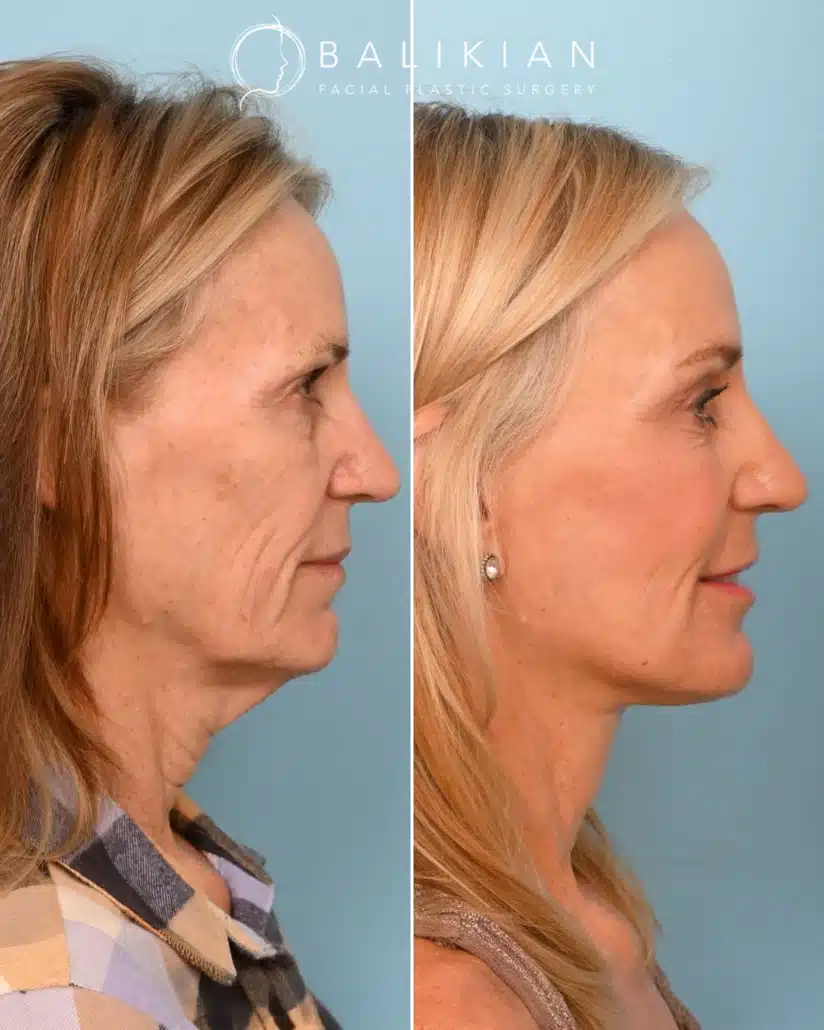
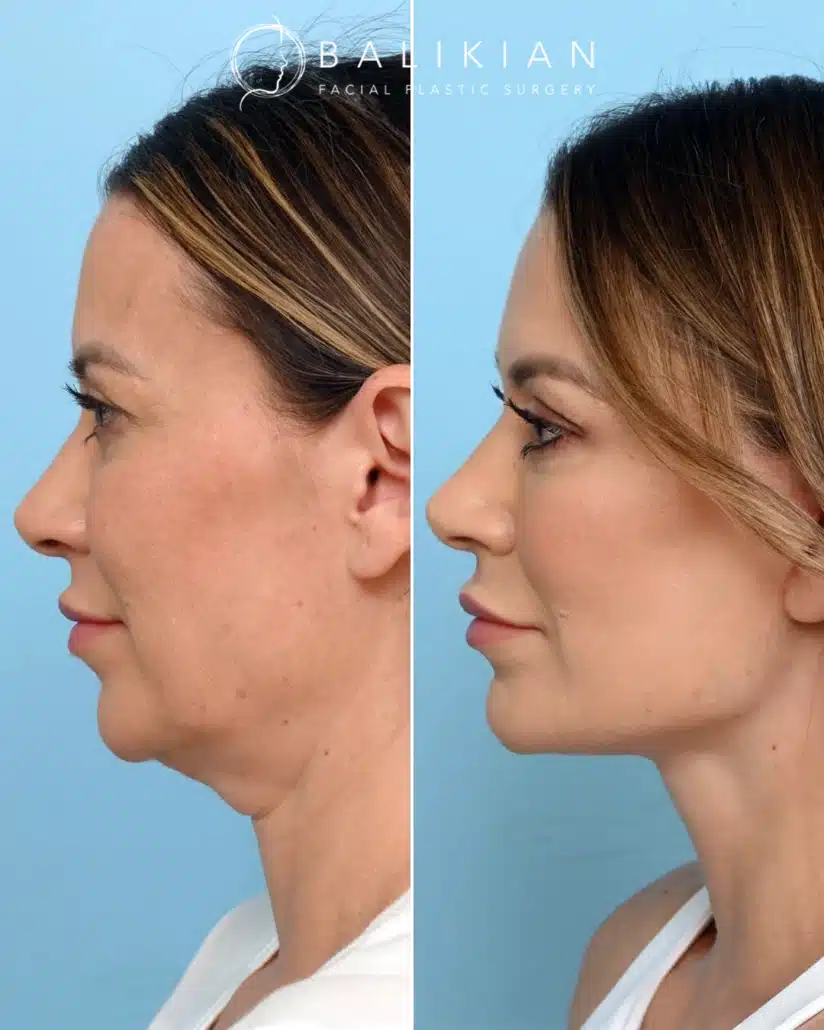
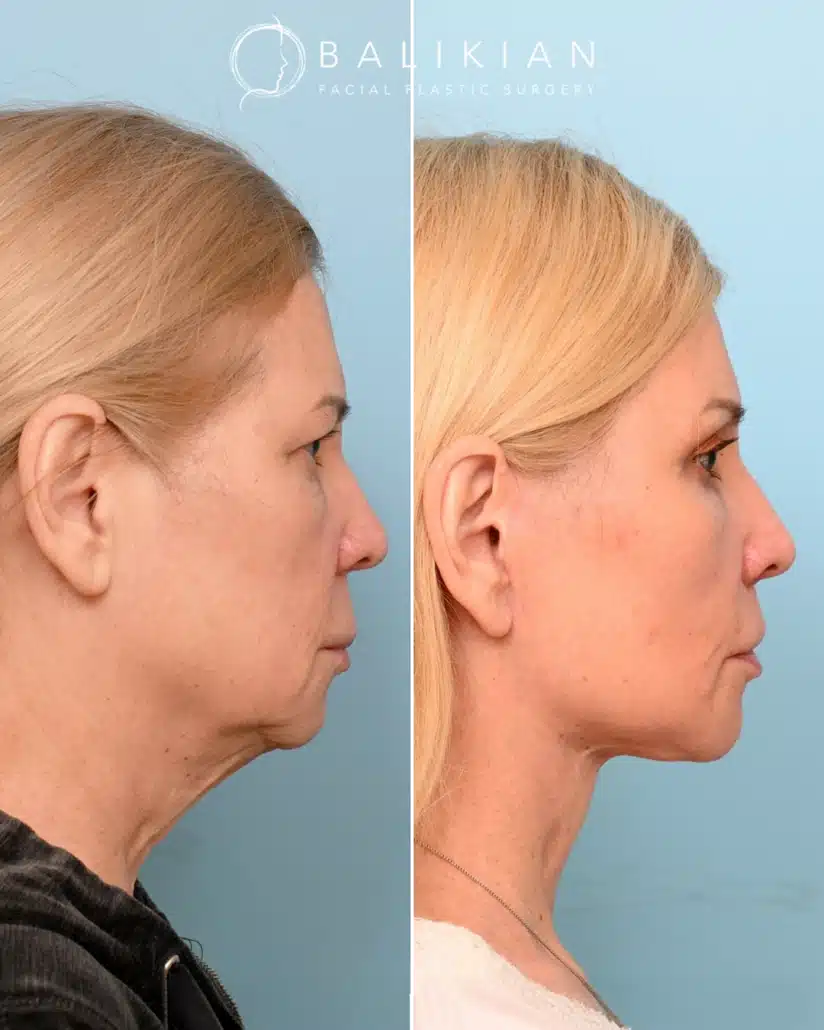

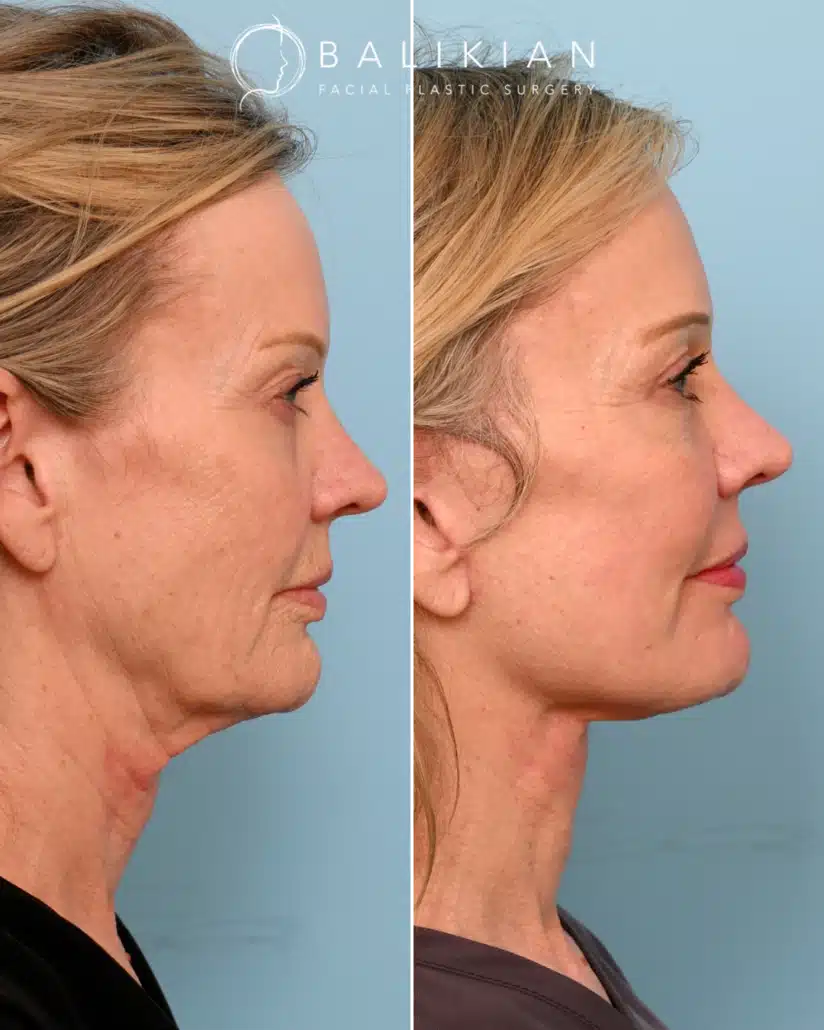
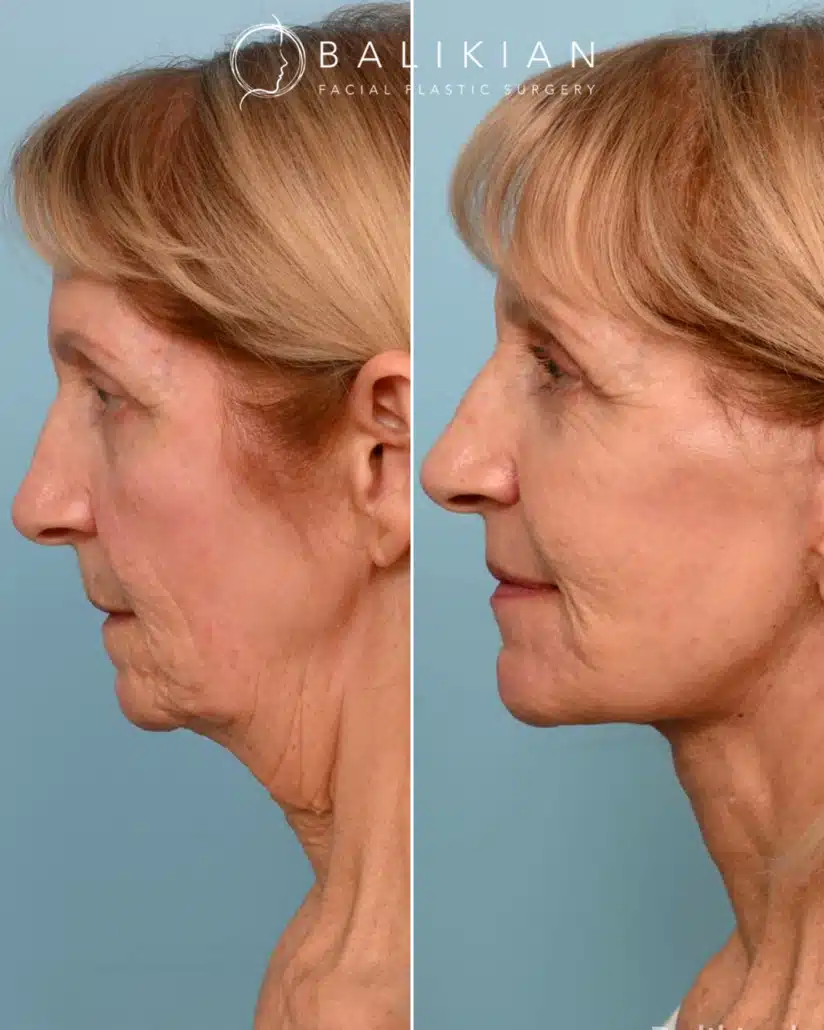
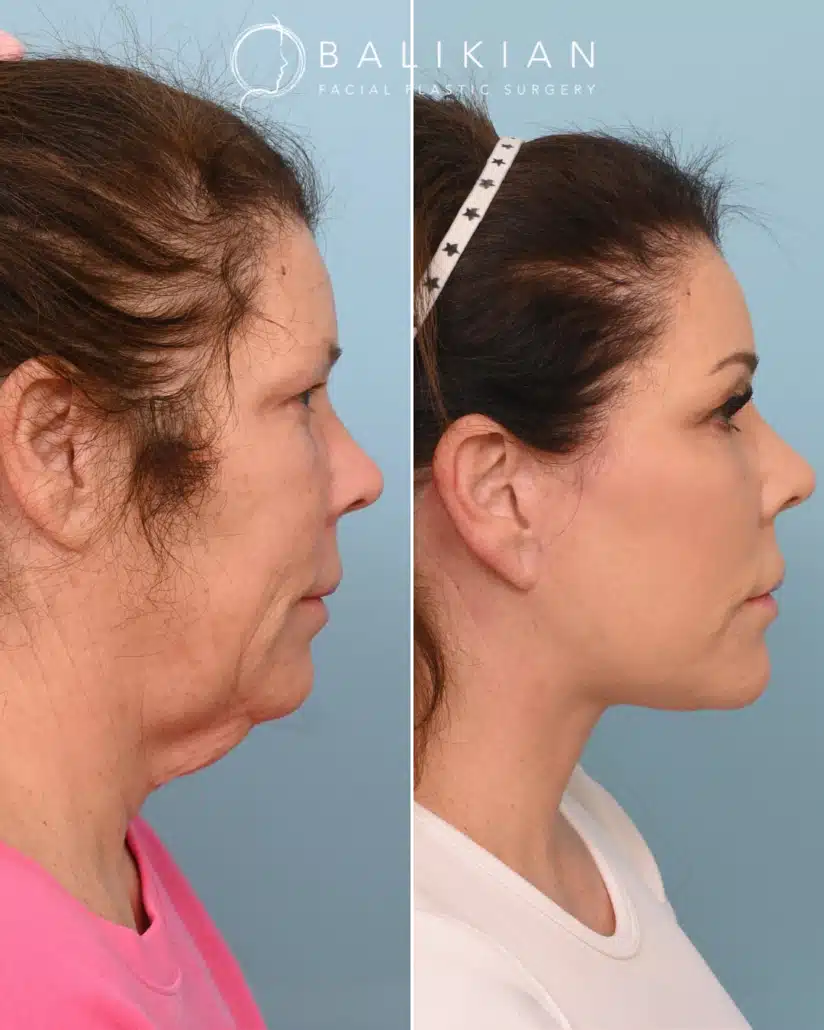
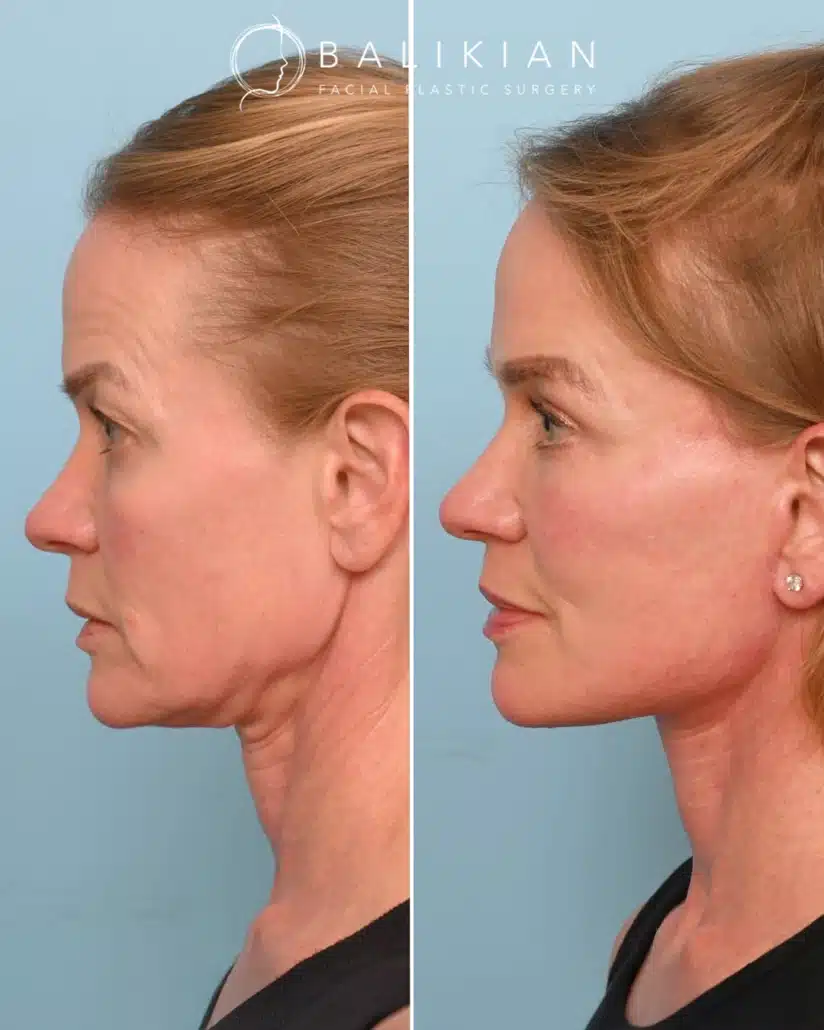
Not every patient has the same combination of changes. Some patients primarily have skin laxity. Others have muscle separation. Some have deeper structural fullness.
Treating all patients the same way leads to inconsistent results. That is why neck lift surgery is not defined by a single technique. It is defined by how each layer is evaluated and addressed.
In more traditional approaches, the focus was often on tightening the skin.
While this can improve appearance temporarily, it does not correct the underlying structural changes.
When deeper layers are not addressed:
Tension does not hold. Structure does.
A structural neck lift evaluates each layer and treats it based on what is contributing to the contour.
This may include:
These steps are not applied universally. They are selected based on the patient’s anatomy.
A defined jawline is not created at the surface. It is created by how these layers interact.
When support is restored at depth:
The skin then follows the underlying structure.
Facial and neck rejuvenation has evolved. The focus is no longer on tightening what is visible, but on understanding how the anatomy functions as a system.
Each layer plays a role.
Each layer must be considered.
When the neck is treated as a layered structure rather than a surface problem, the result is more natural, more balanced and more stable over time.
What are the main layers involved in neck lift surgery?
The main layers include the skin, superficial fat, platysma muscle, and deeper subplatysmal structures. StatPearls describes the platysma as dividing the neck and face fat into superficial and deep layers, with the subplatysmal plane containing deeper fat, the submandibular gland, and other important structures.
Why is loose neck skin not always the real problem?
Loose skin is often only the visible surface change. Neck aging commonly involves platysmal bands, submental fat, and loss of the cervicomental angle, so treating skin alone may not address the deeper cause of the contour change.
What is the platysma muscle?
The platysma is a broad, thin muscle in the anterior and lateral neck. It is continuous with the SMAS above the jawline and plays an important role in neck contour and facial rejuvenation surgery.
What causes vertical neck bands?
Vertical neck bands are commonly related to visible medial borders of the platysma muscle. Neck rejuvenation literature identifies platysmal bands as one of the common aging concerns in the neck, along with submental fat and blunting of the cervicomental angle.
What is the difference between superficial fat and deep neck fat?
Superficial fat sits above the platysma, while deep or subplatysmal fat lies beneath it. A cadaver study found supraplatysmal fat between the skin and platysma, while clinical neck lift references describe deeper fat in the subplatysmal plane.
Why can fullness under the chin persist after weight loss?
Fullness under the chin may come from structures that are not simply superficial fat. A PubMed-indexed article on submandibular gland management notes that common causes of neck concerns include hypertrophy of subplatysmal fat, the anterior belly of the digastric muscle, and the submandibular glands.
What are subplatysmal structures?
Subplatysmal structures are located beneath the platysma muscle. In neck lift anatomy, this area can include deep fat, submandibular glands, anterior digastric muscles, and important nerves and vessels.
Why does a neck lift need to be individualized?
Different patients have different anatomical contributors to neck aging. A PubMed article on neck lift planning states that removing subcutaneous fat and tightening skin over deeper problems does not correct them, so the presence or absence of each anatomical issue must be evaluated.
How does a structural neck lift improve jawline definition?
A structural neck lift improves jawline definition by addressing the anatomical layers that shape the neck, including the platysma and deeper structures when needed. Current review literature describes neck management in three key areas: the anterior platysma, subplatysmal structures, and lateral neck support.
Dr. Richard Balikian is a highly respected facial plastic surgeon serving the San Diego area.
With over 20 years of experience and double board certification in Facial Plastic and Reconstructive Surgery as well as Head and Neck Surgery, Dr. Balikian offers a unique combination of technical expertise and artistic vision.
He is part of an elite group of surgeons with extensive training focused exclusively on the face and neck.