Addressing Platysma Bands and Jowls with Deep Plane Facelift
Learn How the Skin, SMAS Support Layer, and Deeper Facial Structures Influence Modern Facelift Surgery
Changes along the jawline and neck are among the most common concerns patients notice as the face ages. Many people develop jowls along the lower face and visible platysma bands in the neck, which can make the jawline appear less defined and the neck look less smooth.
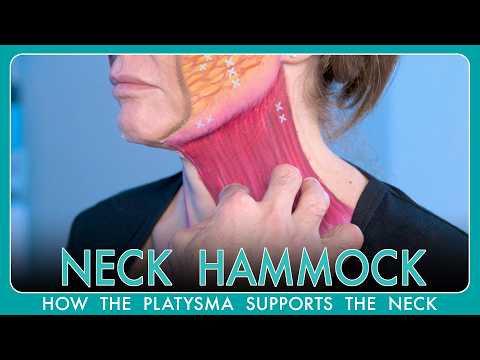
These changes are not caused by loose skin alone. They are primarily related to changes in the deeper structural support layers of the face and neck. One of the most important structures involved in this process is the platysma muscle, a thin sheet of muscle that extends from the lower face into the neck.
Modern facial rejuvenation procedures such as the preservation deep plane facelift and deep vertical neck lift address these deeper structures directly. By repositioning the muscular support layers of the face and neck, surgeons can improve the appearance of platysma bands and restore definition to the jawline.
The platysma muscle is a broad, thin muscle that spans the front of the neck and connects upward into the lower face. It forms part of the continuous facial support system known as the superficial muscular aponeurotic system (SMAS).
The SMAS begins in the temples and cheeks and continues downward into the neck through the platysma. Together, these structures form a connected layer that supports the soft tissues of the face and neck.
Dr. Richard Balikian often explains this support layer as functioning like a muscular hammock. When this hammock is strong and elevated, it supports the cheeks, jawline and neck. Over time, gravity and natural tissue relaxation cause the support layer to descend.
As the support structure lowers, the tissues resting on top of it move downward as well. This contributes to the development of jowls along the jawline and visible platysma bands in the neck.
Platysma bands develop when the platysma muscle begins to separate along the midline of the neck. In youth, the platysma functions as a smooth sheet of muscle that supports the soft tissues of the neck.
With aging, the two sides of the muscle can begin to pull apart. As this occurs, the inner edges of the muscle become visible beneath the skin. These edges appear as vertical cords or lines in the neck, commonly called platysma neck bands.
Several factors contribute to the formation of platysma bands:
Because these changes occur within the deeper support structures of the face and neck, they cannot be corrected by tightening skin alone.
The development of jowls is closely connected to changes in the platysma and SMAS layers. As the facial support structure descends with age, the tissues of the cheeks and jawline shift downward.
This movement causes tissue to accumulate along the lower border of the jaw, creating the appearance of jowls.
At the same time, the platysma muscle in the neck begins to loosen and separate. This combination of structural changes affects both the jawline and the neck contour, which is why modern facelift procedures typically address the face and neck together.
Understanding the relationship between platysma bands and jowls helps explain why deeper structural techniques are used in modern facial rejuvenation surgery.
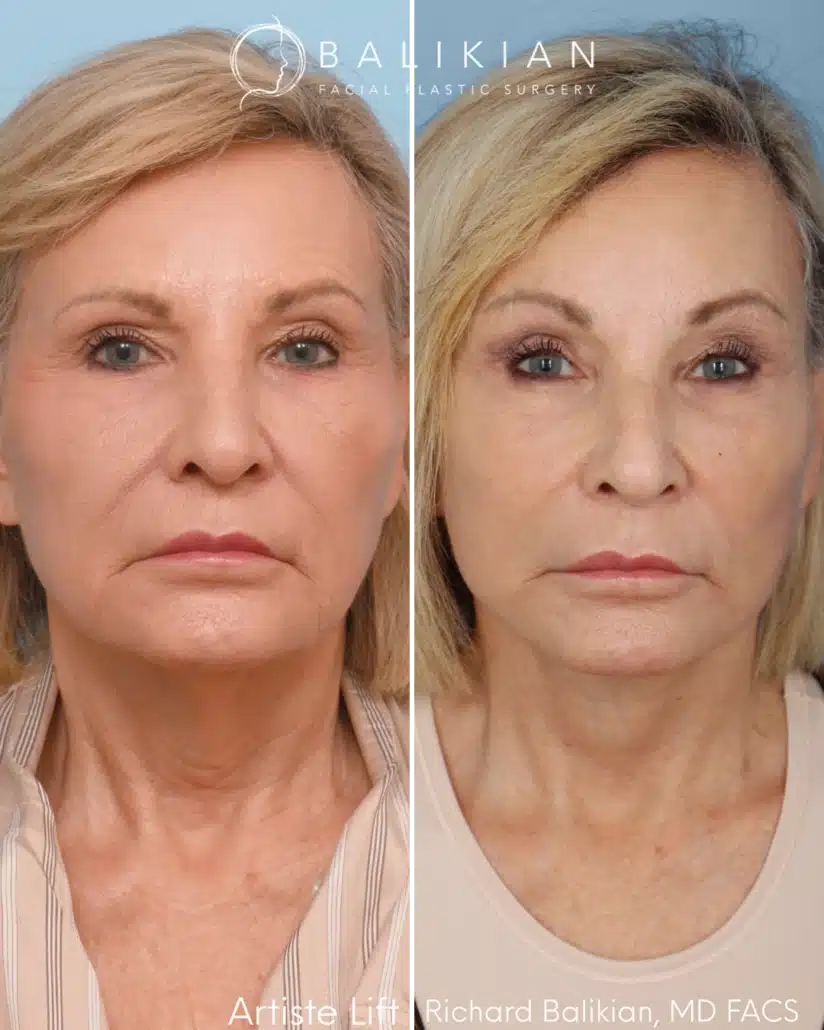
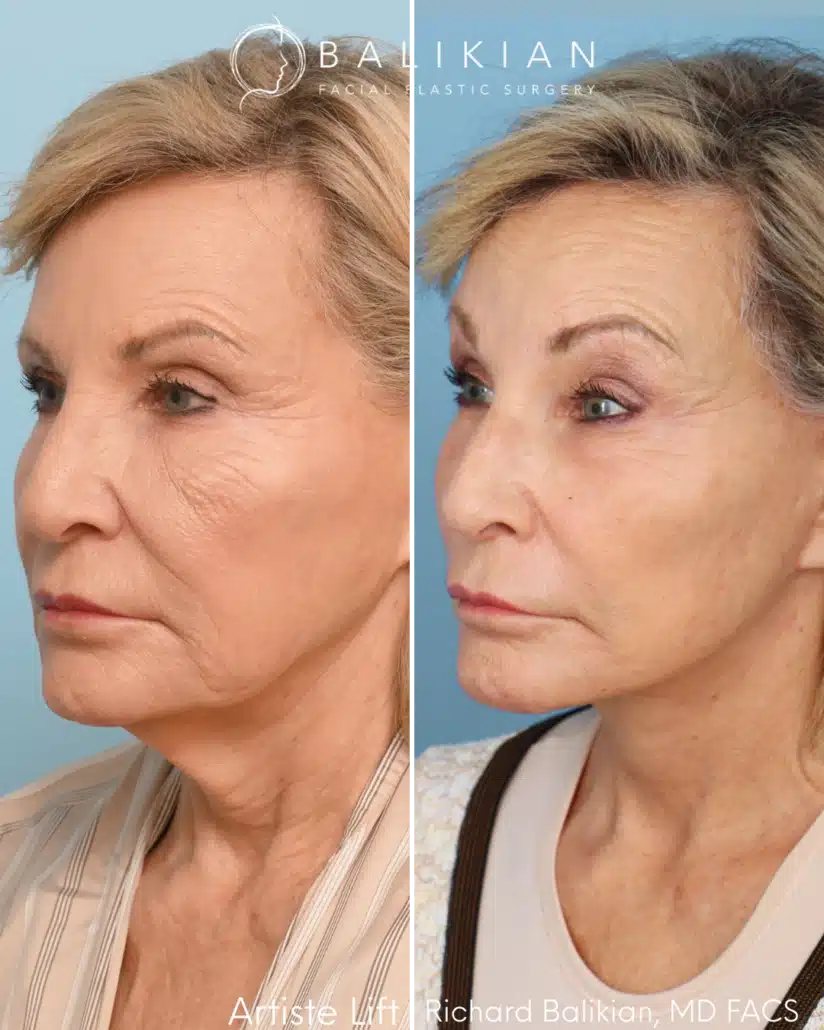
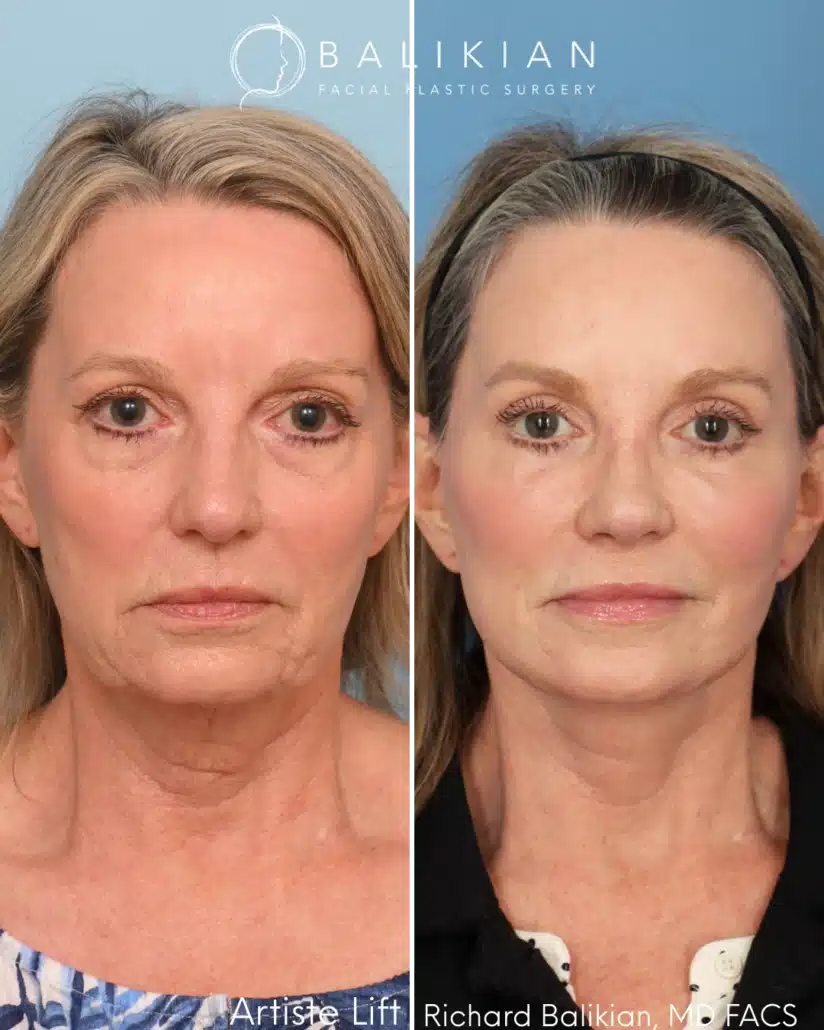
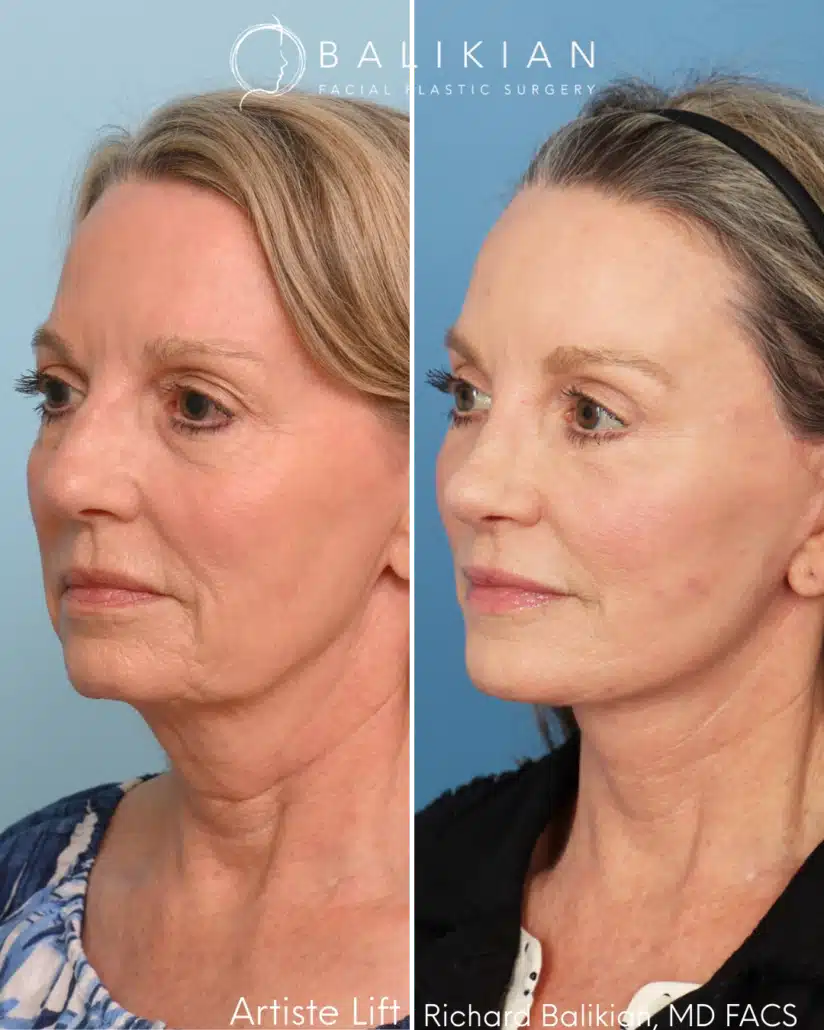
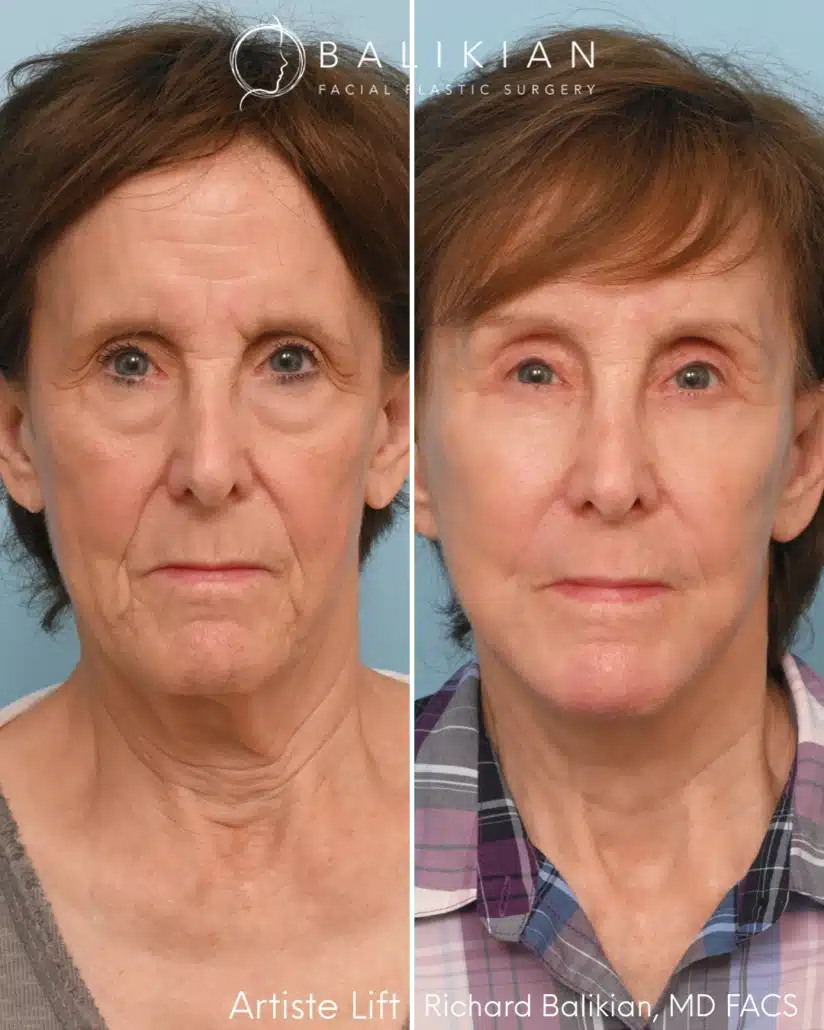
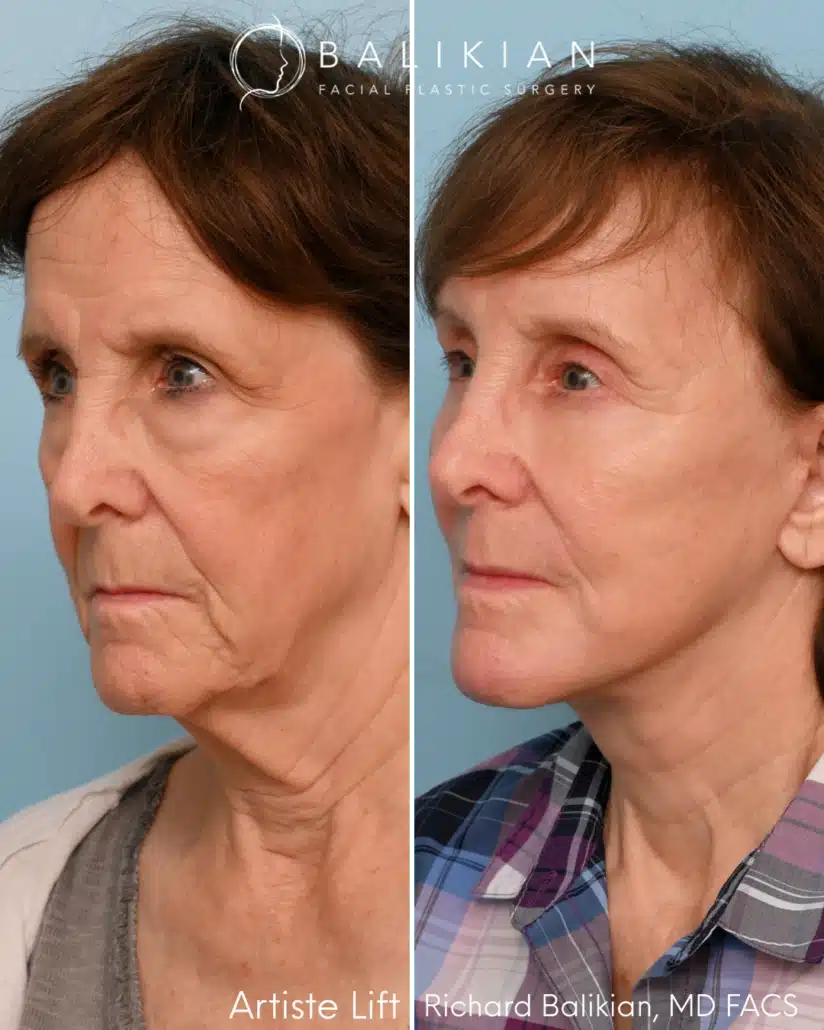
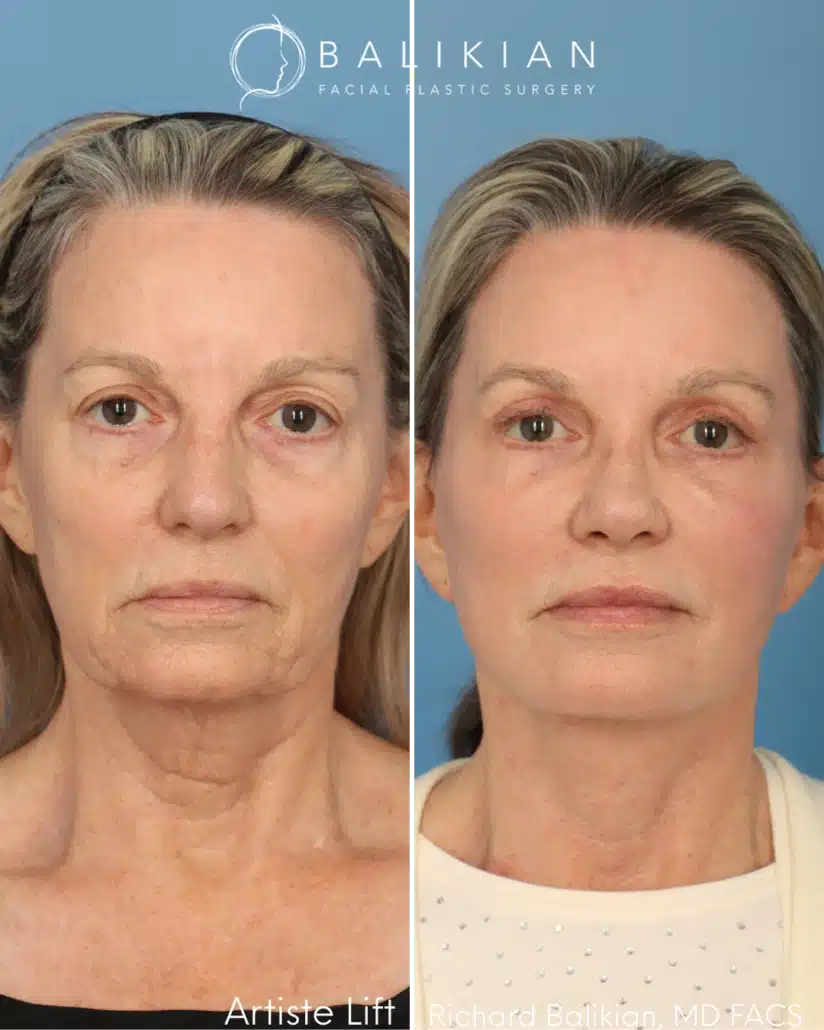
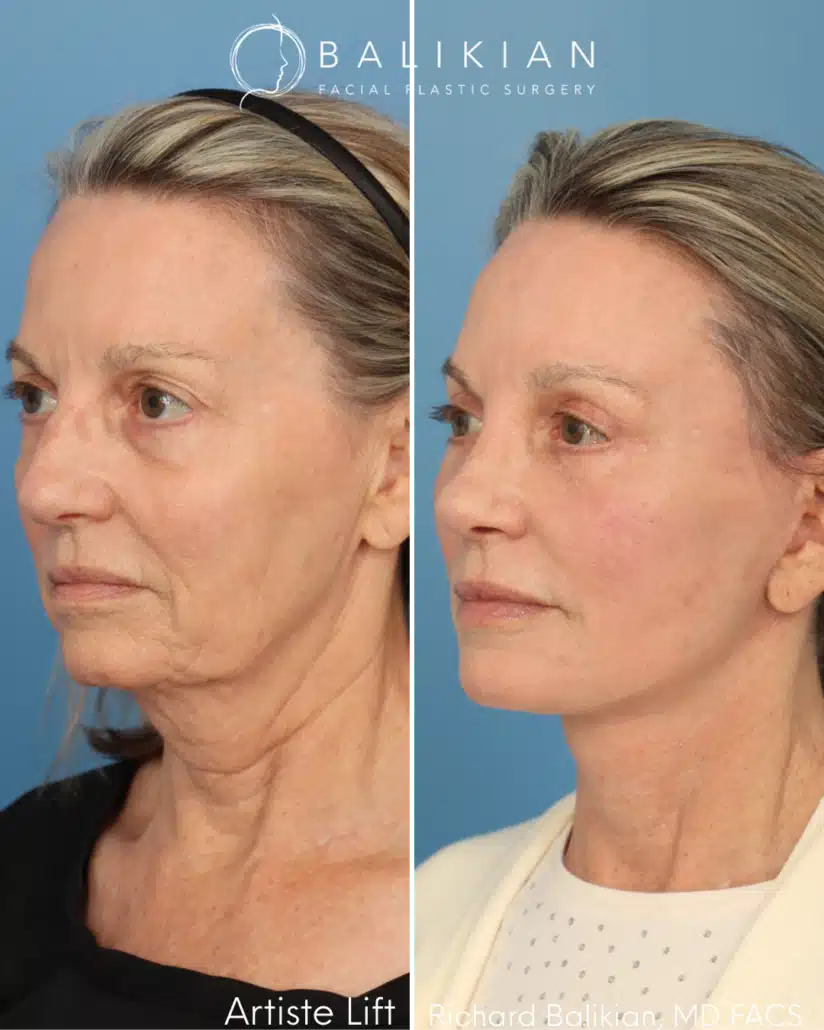
A deep plane facelift focuses on repositioning the deeper support layers of the face rather than simply tightening the skin.
During this procedure, the surgeon works beneath the SMAS layer. By operating in this deeper anatomical plane, the surgeon can lift and reposition the structural support layer that includes the platysma muscle.
Because the facial tissues move together as a unit in the deep plane, lifting this support layer allows the cheeks, jawline and neck to reposition naturally. This can improve the appearance of jowls while restoring smoother facial contours.
Deep plane techniques are designed to restore facial structure while preserving natural movement and expression.
In many patients, a neck lift is performed at the same time as a facelift to address the platysma muscle directly.
When the platysma has separated in the center of the neck, surgeons may perform a procedure known as platysmaplasty. During this step, the edges of the platysma muscle are brought back together along the midline of the neck.
This repair restores the muscular support layer of the neck and can reduce the appearance of platysma bands.
By combining a deep plane facelift with neck lift techniques, surgeons can address both jowls along the jawline and platysma bands in the neck in a coordinated way.
Modern facial rejuvenation procedures focus on restoring the underlying structural support of the face and neck rather than simply tightening skin.
When the deeper support layers of the face are repositioned, the skin naturally redrapes over the restored structure. This approach helps create results that appear smoother and more natural because the face is supported from beneath.
Addressing the platysma muscle and deeper SMAS layer allows surgeons to correct the structural causes of aging while maintaining natural facial movement.
Learning about the platysma muscle helps explain why the lower face and neck change over time. As the muscular support layers of the face descend, the jawline and neck gradually lose definition.
The development of platysma bands and jowls is part of this natural aging process.
Procedures such as the deep plane facelift and neck lift are designed to reposition these deeper support structures. By restoring the underlying muscular support layer, surgeons can recreate smoother contours along the jawline and neck while preserving natural facial expression.
Understanding this anatomy helps patients better appreciate how modern facelift techniques address the deeper structural causes of facial aging.
What are platysma bands?
Platysma bands are vertical cords that appear in the neck when the platysma muscle becomes more visible with aging. The muscle can separate along the midline of the neck, making its edges visible beneath the skin.
How are platysma bands related to jowls?
Platysma bands and jowls develop as facial support structures weaken with age. As tissues descend along the jawline, jowls form while the platysma muscle becomes more prominent in the neck.
What causes jowls to form?
Jowls form when skin and soft tissue descend along the lower border of the mandible. Research shows jowls primarily consist of redundant skin and subcutaneous tissue above the platysma muscle.
How does a deep plane facelift address jowls?
A deep plane facelift works beneath the SMAS layer to reposition deeper facial structures. This allows surgeons to mobilize and reposition tissues that contribute to jowl formation.
Does a deep plane facelift also treat the neck?
Facelift surgery is often combined with neck lift techniques to improve neck contour. Procedures such as platysmaplasty can tighten or reposition the platysma muscle.
Can platysma bands be treated without surgery?
Mild platysma bands may improve with neuromodulator injections that relax the platysma muscle. More significant banding often requires surgical correction.
Is platysmaplasty the same as a facelift?
Platysmaplasty specifically addresses the platysma muscle in the neck. A facelift primarily repositions facial support structures and soft tissues of the midface and jawline.
Dr. Richard Balikian is a highly respected facial plastic surgeon serving the San Diego area.
With over 20 years of experience and double board certification in Facial Plastic and Reconstructive Surgery as well as Head and Neck Surgery, Dr. Balikian offers a unique combination of technical expertise and artistic vision.
He is part of an elite group of surgeons with extensive training focused exclusively on the face and neck.