What Is a Preservation Deep Plane Facelift?
The Facial Rejuvenation Procedure That Works Beneath the Surface
If you’ve been thinking about a facelift but worry about looking pulled, tight, or “done,” you’re not alone. One of the most common requests facial plastic surgeons hear is for natural-looking results, the kind that make people say, “You look amazing,” without knowing exactly why.
That’s where the deep plane facelift and preservation deep plane facelift come in. Unlike older techniques that focus on tightening the skin, these advanced procedures reposition the deeper facial structures that create youthful contours.

The preservation approach goes a step further by protecting facial ligaments and blood flow, which supports faster healing and more natural movement. The result? A soft, balanced, rejuvenated appearance that still looks completely like you, just younger and more vibrant.
Traditional facelifts primarily pull the skin or the superficial muscular layer known as the SMAS (Superficial Musculoaponeurotic System). While this can provide some improvement, it often creates tension on the skin, leading to an unnatural or windswept look.
The deep plane facelift goes further. Instead of separating the skin and SMAS, it lifts them together as a single unit, releasing key facial ligaments in the process. This allows the surgeon to reposition the midface, jowls, and jawline more naturally and effectively, with less trauma to the tissue.
Benefits of the deep plane approach include:
These benefits make the deep plane facelift one of the most trusted and transformative techniques for patients seeking natural rejuvenation without signs of surgery.
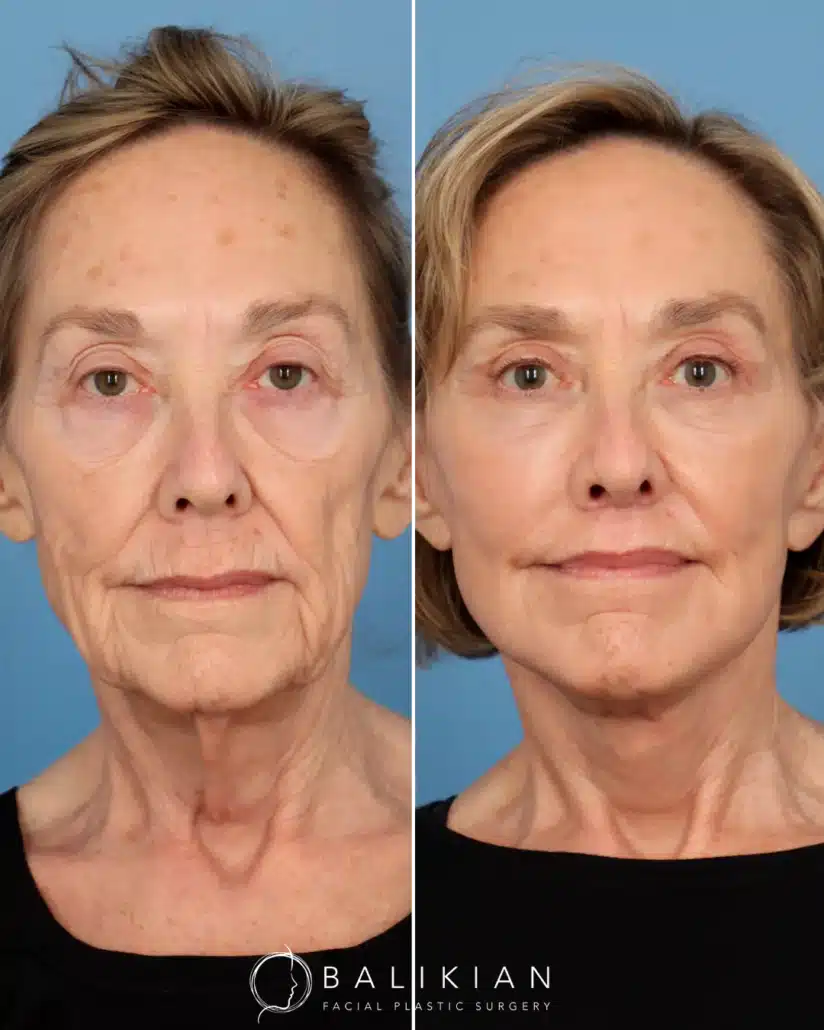
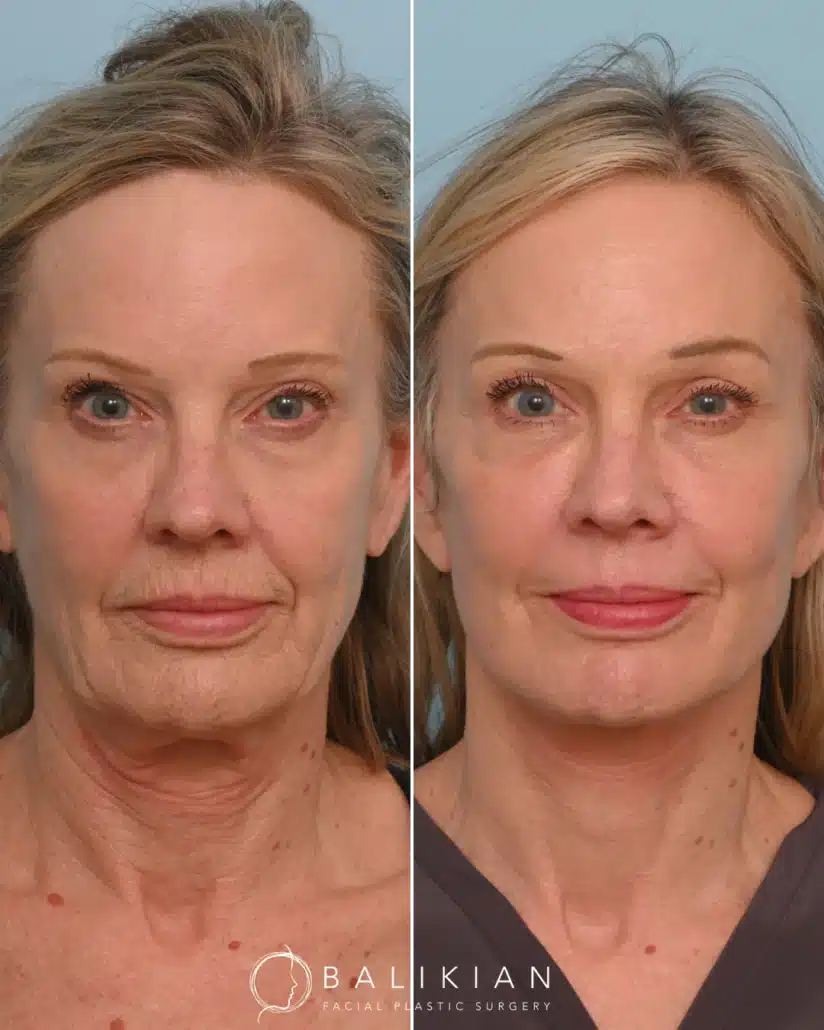
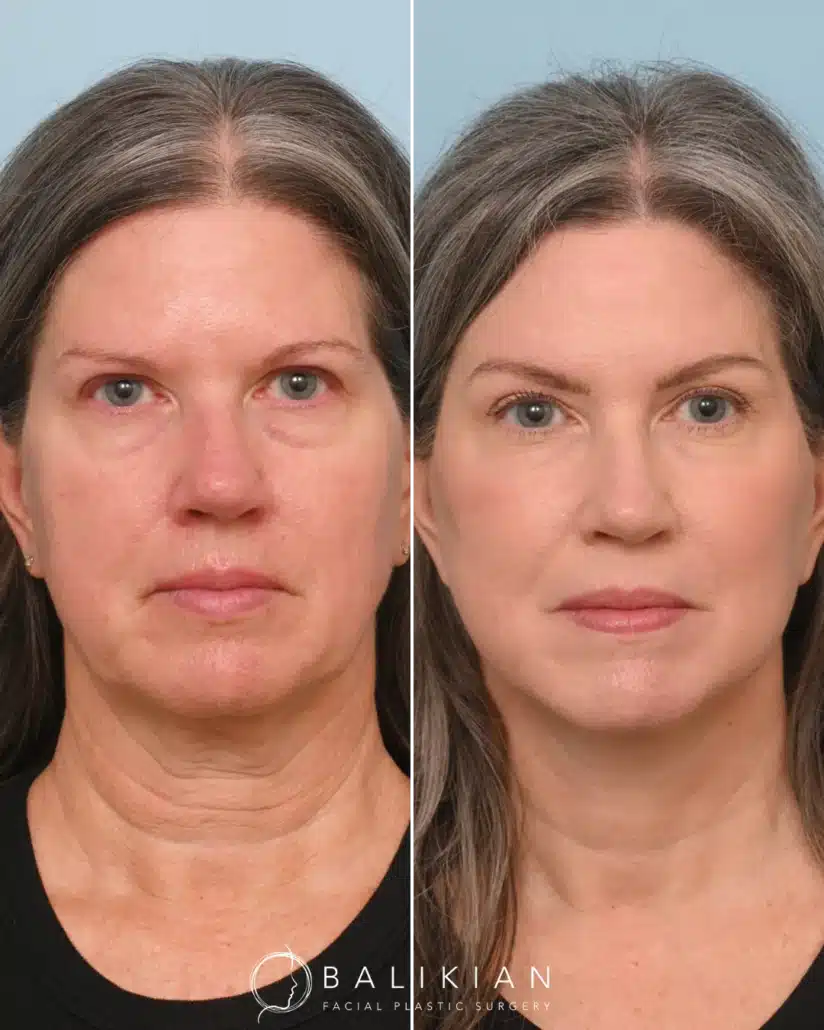
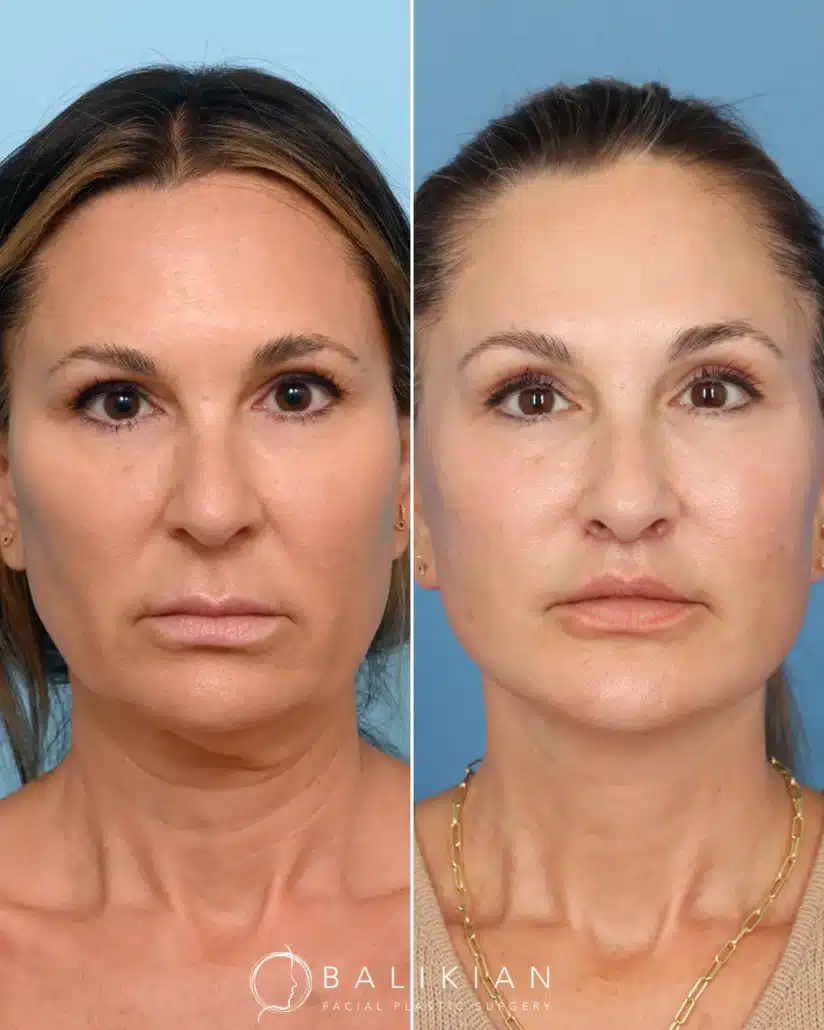
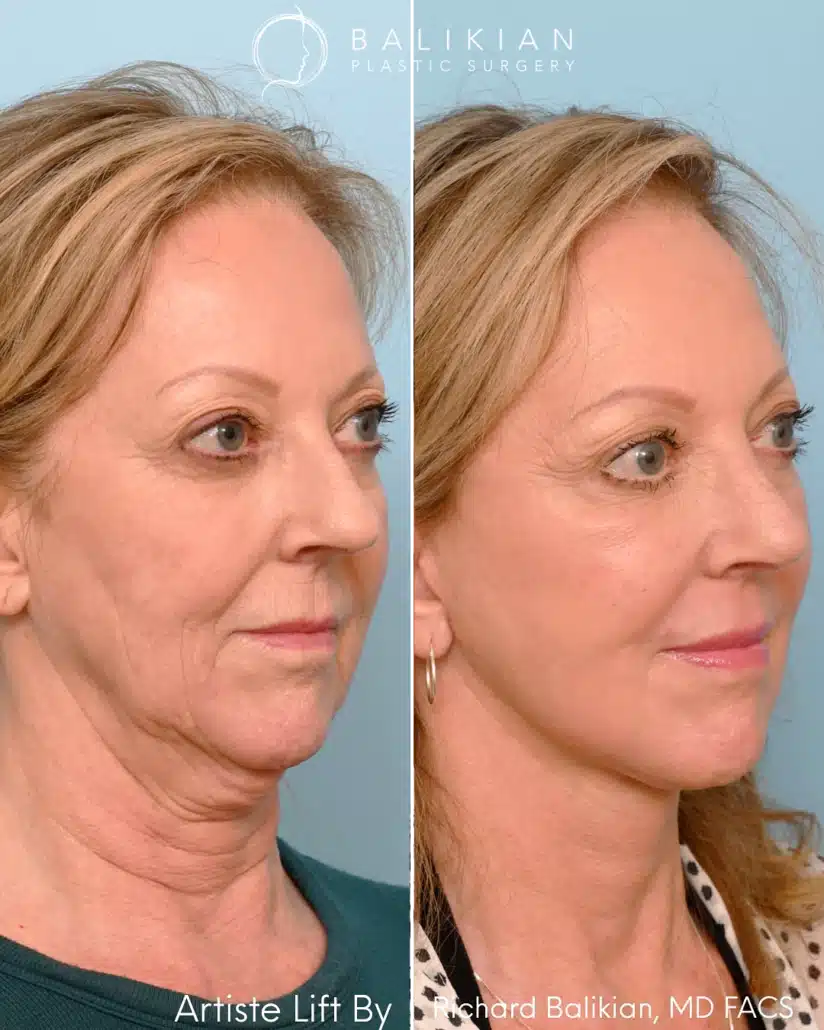
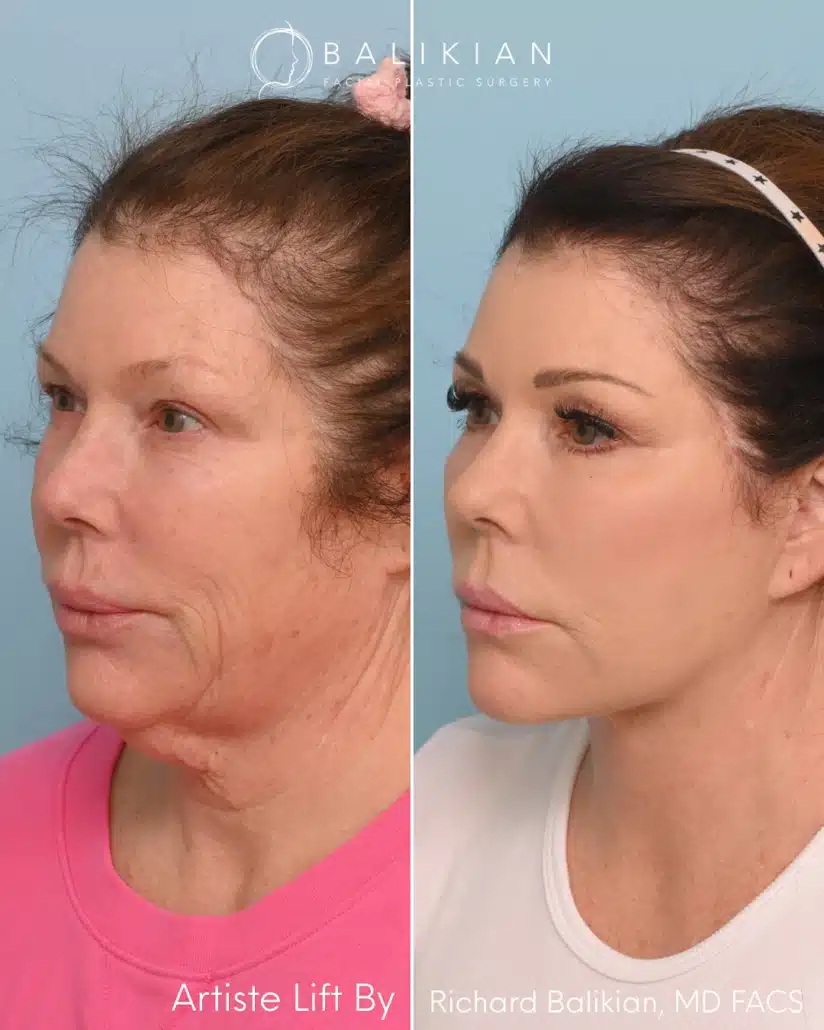
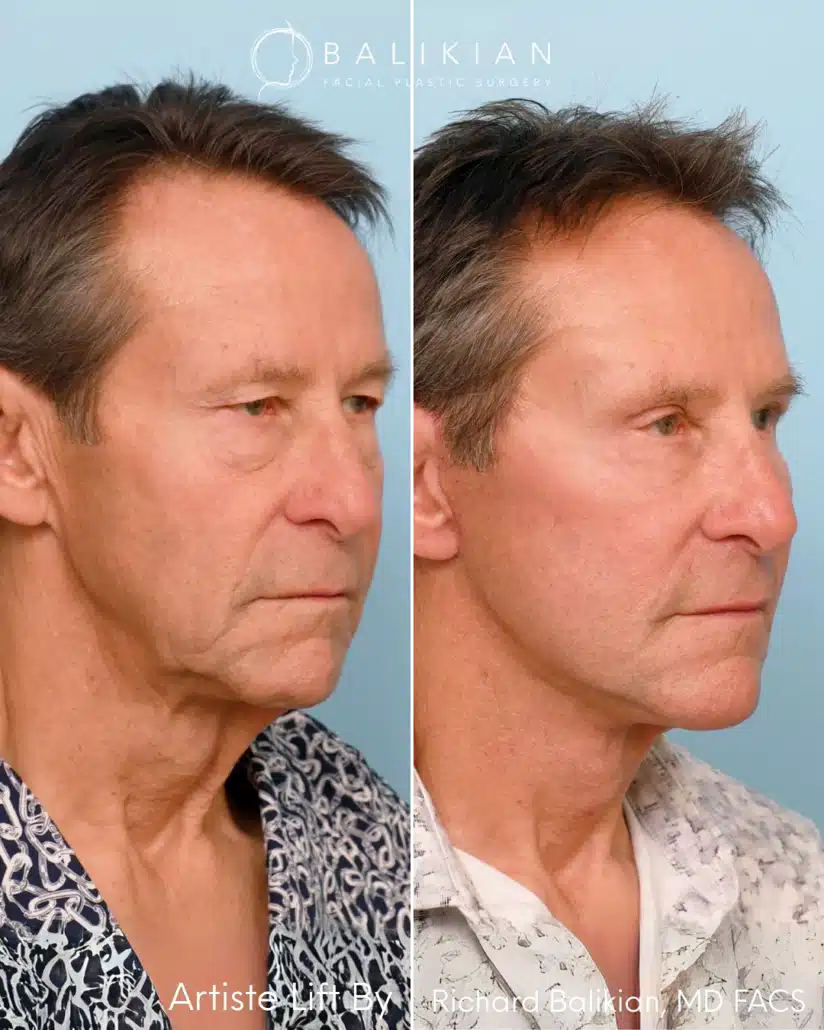
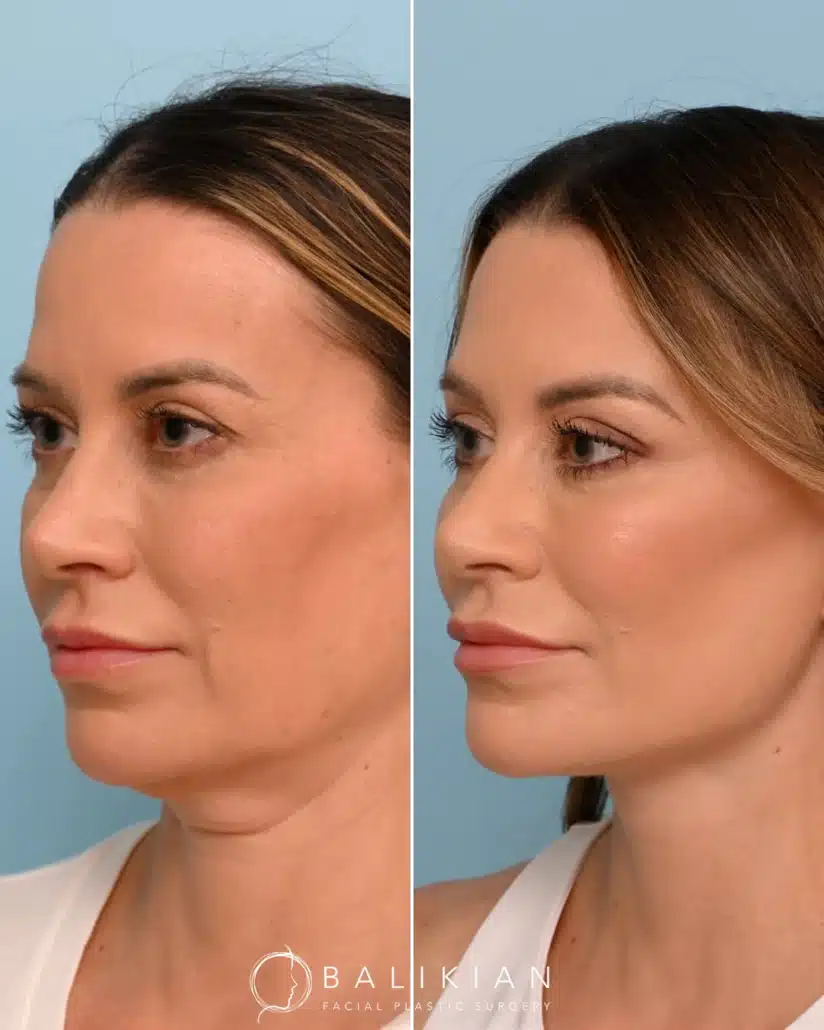
The preservation deep plane facelift is an advanced evolution of the traditional deep plane technique. While a standard deep plane lift releases the deeper facial layers (beneath the SMAS and retaining ligaments) to reposition descended tissue, the preservation approach goes a step further, it releases selectively and strategically to maintain vital ligaments, nerves, and blood supply wherever possible.
This technique allows for:
By minimizing disruption and preserving key anatomical structures, this method not only enhances safety but also produces exceptionally natural, lifted results, especially in experienced hands.
Dr. Richard Balikian is a recognized leader in the preservation deep plane technique, refining it into his signature Artiste Lift™, which combines deep structural support with an artistic approach to facial balance and contouring.
The ideal candidate for a deep plane or preservation deep plane facelift is typically in their 40s to 70s, showing moderate to advanced facial aging and seeking natural rejuvenation without looking overdone.
You may be a good candidate if you have:
Patients often combine facelift procedures with other enhancements like:
A consultation can help determine whether a traditional deep plane or a preservation deep plane approach is best for your goals and anatomy.
Recovery is generally easier than many patients expect, especially with the preservation deep plane facelift, which uses a drainless technique and minimizes tissue disruption. Whether you opt for a traditional or preservation approach, most patients experience:
Preservation techniques avoid excessive skin lifting, reduce trauma, and often eliminate the need for post-op drains. This results in greater comfort, faster healing, and a lower risk of visible scarring or a pulled appearance.
To further accelerate recovery, many patients at Balikian Facial Plastic Surgery also benefit from targeted light therapy treatments before and after surgery.
This noninvasive approach enhances tissue repair and helps reduce swelling and bruising, allowing patients to return to normal activities with more confidence and comfort.

Together, these advanced recovery protocols support a smoother, more predictable healing experience with beautiful, natural results.
A well-executed deep plane facelift, whether traditional or preservation, can last 10 to 15 years or more. Because this technique repositions the deeper facial structures rather than just tightening the skin, it offers more durable and natural-looking results.
While no surgery stops the aging process, it resets the clock by a decade or more, restoring youthful contours and harmony to the face and neck.
Both deep plane and preservation deep plane facelifts are among the most technically demanding procedures in facial plastic surgery. Results depend heavily on the skill and experience of the surgeon.
Look for:
Choosing the right surgeon is the most important decision you’ll make in your facial rejuvenation journey.
A skilled, specialized facial plastic surgeon can ensure your deep plane or preservation deep plane facelift delivers safe, natural-looking, and long-lasting results, while making your experience as smooth and supported as possible.
Today’s facelift patients aren’t looking to drastically change their appearance, they want to look like themselves, just more refreshed and confident. That’s why the deep plane facelift has become the preferred approach for those seeking natural, long-lasting rejuvenation.
Unlike older facelift techniques that pull the skin tight, the deep plane facelift lifts the deeper structural layers of the face, the SMAS and fat pads, allowing for more significant and longer-lasting improvements in the cheeks, jawline, and neck. The result is a softer, more natural appearance without any tightness or visible signs of surgery.
The preservation deep plane facelift takes this one step further. By carefully releasing and repositioning tissues while preserving key ligaments and blood flow, this technique reduces trauma, enhances healing, and minimizes swelling and bruising. Patients often enjoy a smoother recovery and more stable, harmonious results.
Whether you’re just beginning to notice facial aging or you’ve been thinking about a lift for years, these advanced techniques offer a way to turn back the clock, without changing who you are.
What is a preservation deep plane facelift and how is it different from a standard deep plane lift?
A preservation deep plane facelift releases only what is needed while maintaining key retaining ligaments and blood supply where possible. Skin undermining is limited so tissues can be lifted as a unit with the SMAS and fat pads for a natural result and smoother recovery. This reflects Dr. Balikian’s technique and patient education.
Is a deep plane facelift proven to be better than a SMAS lift for everyone?
Both deep approaches and SMAS based techniques have comparable safety and high satisfaction in the literature. Some reviews note potential advantages of deep approaches for midface rejuvenation in selected patients, but the best method should be tailored to your anatomy and surgeon expertise.
Does the deep plane technique help soften nasolabial folds and lift the midface more naturally?
Yes in appropriately selected patients. By mobilizing the deep layers and releasing retaining ligaments, the lift redistributes volume in the cheek and midface without pulling the skin. Dr. Balikian’s pages describe this structural lift and its natural movement.
Will limited skin undermining reduce bruising or the need for drains?
Preservation deep plane lifting keeps more skin attached to its support which can lower tissue trauma. Dr. Balikian’s education notes limited undermining and routine avoidance of drains in many cases, aided by precise tissue handling and adherence techniques.
What are the most important risks in modern facelifts and how are they prevented?
Hematoma remains the most common early complication. Temporary nerve weakness and unfavorable scarring are less common and permanent nerve injury is rare. Protocols that control blood pressure, optimize hemostasis and use thoughtful closure or quilting help reduce risk.
How do surgeons lower hematoma risk during and after surgery?
Evidence supports strict control of systolic blood pressure around and after surgery. Treating pressures above about 120 mmHg postoperatively has been associated with fewer hematomas in facial aesthetic surgery cohorts.
I smoke or recently quit. Does that change my candidacy or technique choice?
Nicotine and smoking are linked to higher risks of skin necrosis and wound issues in flap based procedures. Strict nicotine cessation before and after surgery is important. Conservative undermining and deep plane strategies can help protect blood supply, but quitting remains essential.
Can a deep plane facelift be combined with deep neck work and when is that helpful?
Yes. Patients with heavy necks due to subplatysmal fat or gland prominence may benefit from a deep neck plan along with the facial lift for sharper jawline definition. Dr. Balikian’s Artiste Lift™ and vertical neck strategy address face and neck together when indicated.
Will photobiomodulation or LED therapy help my recovery?
Dr. Balikian’s protocols include early light therapy to support comfort and swelling control. Recent clinical studies in surgical and orthopedic settings report reduced postoperative pain and swelling with photobiomodulation, though results can vary by wavelength and dose.
Dr. Richard Balikian is a highly respected facial plastic surgeon serving the San Diego area.
With over 20 years of experience and double board certification in Facial Plastic and Reconstructive Surgery as well as Head and Neck Surgery, Dr. Balikian offers a unique combination of technical expertise and artistic vision.
He is part of an elite group of surgeons with extensive training focused exclusively on the face and neck.

Richard V. Balikian, MD, FACS
Double Board-Certified Facial Plastic Surgeon
Balikian Facial Plastic Surgery: Richard V. Balikian, MD, FACS