Why Eyes Look Tired Even When You Feel Fine
How Brow Position and Eyelids Work Together to Shape the Eyes
Your eyes can look tired even when you feel well rested. This is one of the most common concerns patients describe. They feel energized and healthy, but when they look in the mirror, their eyes tell a different story.
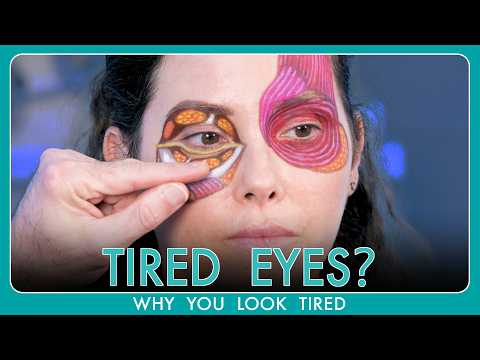
For many people, the eye area is the first place where subtle changes begin to appear. These changes are often gradual, making them difficult to pinpoint. Over time, the eyes may appear heavier, less defined, or shadowed in a way that creates a persistent look of fatigue.
This is not simply about sleep. In most cases, a tired appearance is the result of structural changes occurring beneath the surface.
The appearance of the eyes is shaped by several anatomical layers working together. When these layers are in balance, the eyes appear open, smooth, and well-supported. When that balance changes, even slightly, the eyes can begin to look tired.
Key contributing factors include the position of the eyebrows, the quality and elasticity of the upper eyelid skin, the position of fat in the lower eyelids, muscle tone, and the volume of the cheeks and midface.
Each of these elements influences how light interacts with the face. When structure is lost or shifts over time, it creates shadows, heaviness, and contrast that the brain interprets as fatigue.
One of the most overlooked causes of tired eyes is brow position. As the brow gradually descends, it can create the appearance of excess skin on the upper eyelid. Many patients initially focus on the eyelid itself, but part of that heaviness is often coming from above.
Even small changes in brow position can influence how open or closed the eyes appear, which is why evaluating the brow and eyelid together is essential.
Patients will often describe:
These patterns often point to the brow playing a more significant role in eyelid heaviness than patients initially expect.
Changes in the upper eyelid skin are often the most visible sign of aging in the eye area. As the skin loses elasticity, it can begin to fold or drape, creating what is commonly referred to as hooding.
This can contribute to a heavier appearance and, in some cases, affect how open the eyes feel. However, it is important to recognize that skin is only one layer, and treating it in isolation may not fully address the concern.
Patients commonly notice:
While these changes are often attributed to skin alone, they are best understood in the context of the surrounding structures.
Under-eye bags are often described as excess fat, but in many cases, they reflect a change in position rather than simply an increase in volume.
As the supporting structures weaken over time, fat can shift forward, creating fullness beneath the eyes. When this occurs alongside volume loss in the cheeks, it creates contrast that the eye interprets as shadowing.
Patients may notice:
These changes are typically structural in nature and tend to persist regardless of rest or lifestyle factors.
Volume loss through the midface plays a significant role in how the lower eyelid is perceived. As support diminishes, the transition between the eyelid and cheek becomes more defined. This can create a hollow, often referred to as the tear trough, which deepens the appearance of shadowing.
Rather than being a single issue, this is part of a broader shift in facial structure.
Patients will often describe:
Rather than a single issue, this reflects a broader shift in support and contour across the midface.

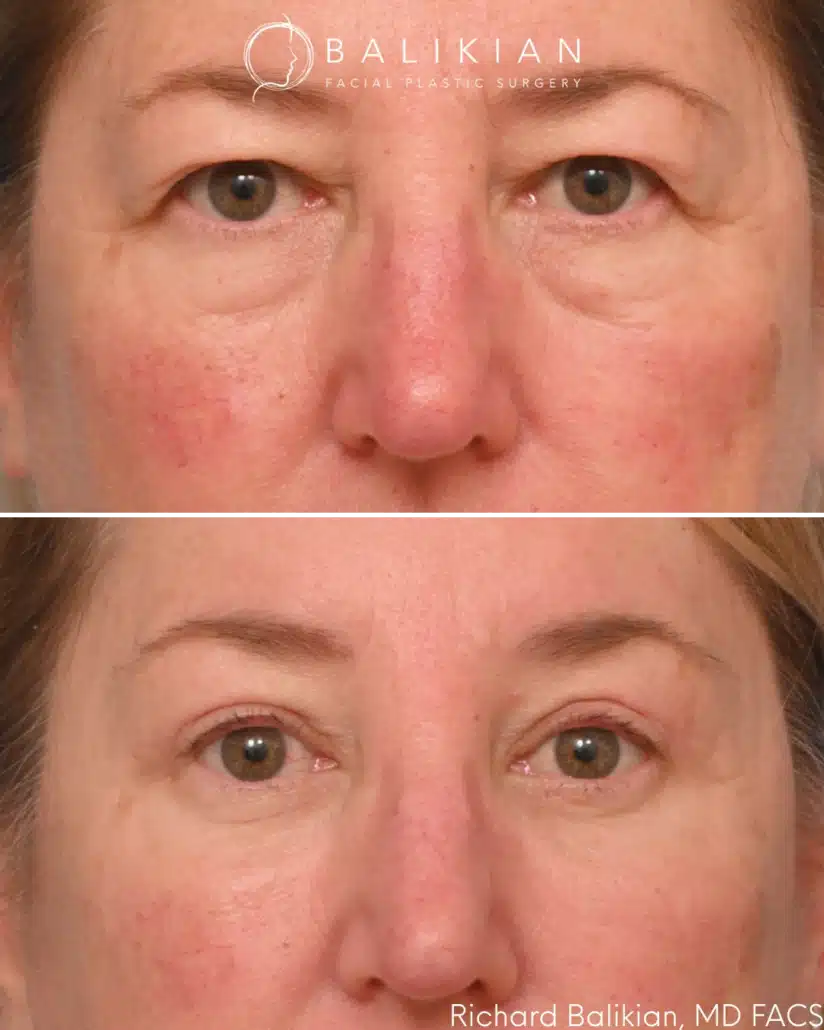
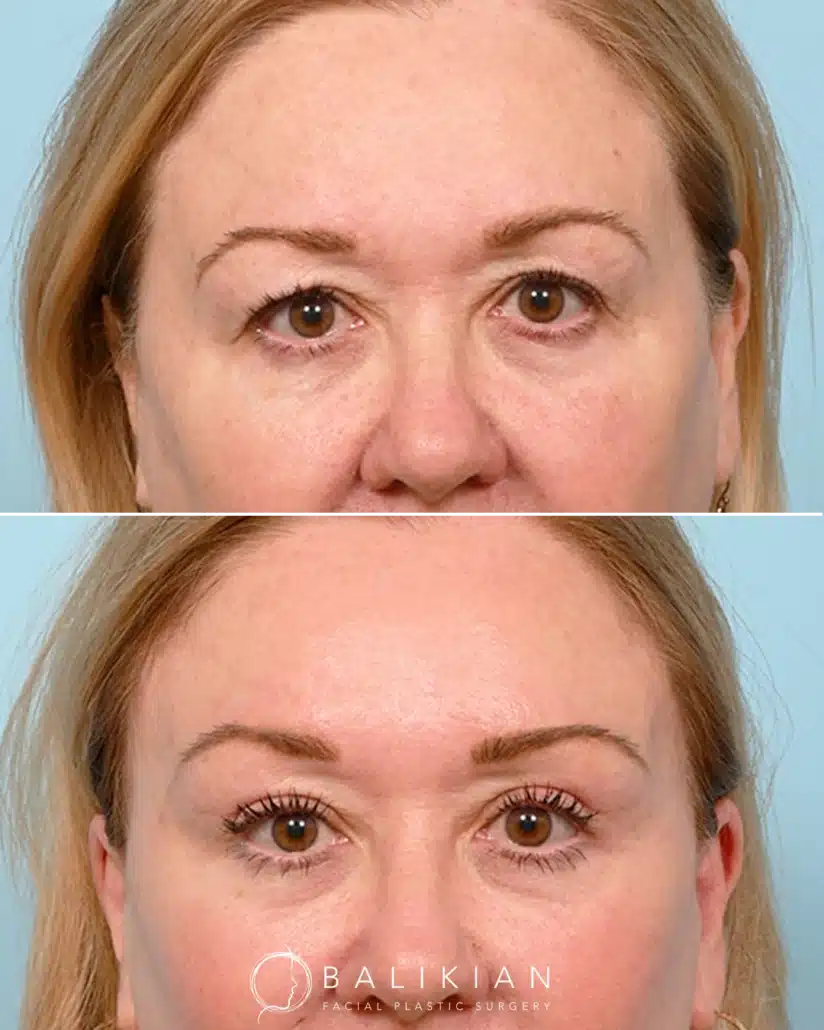
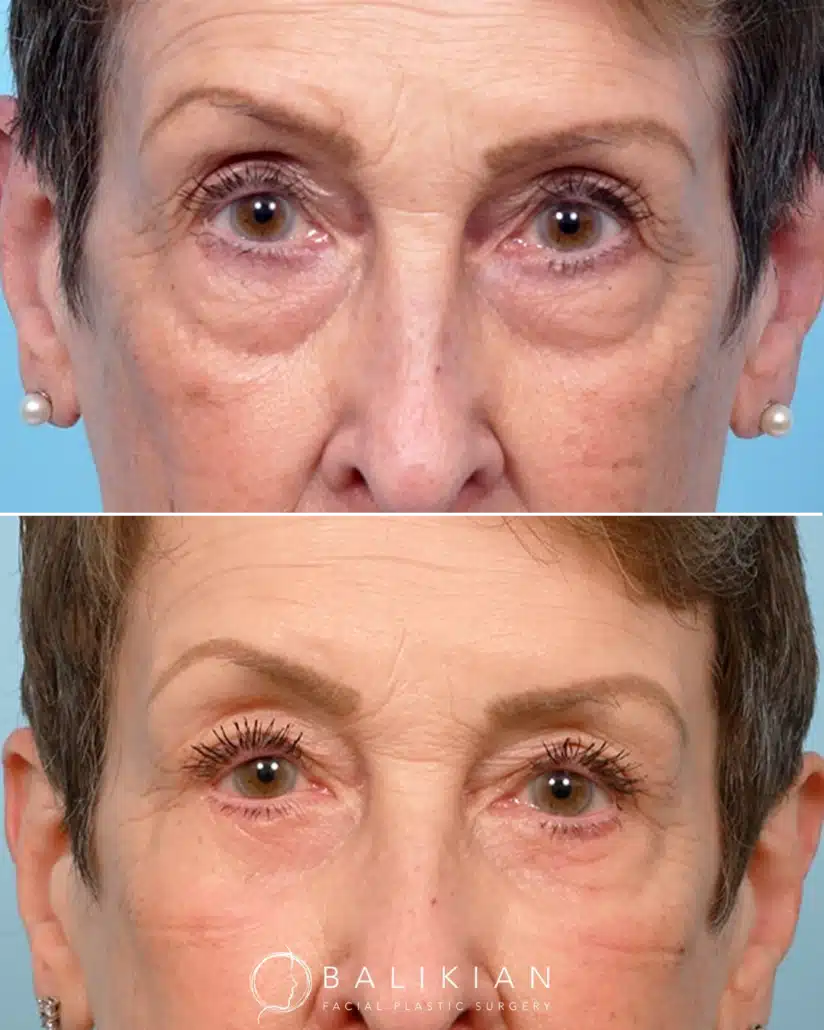
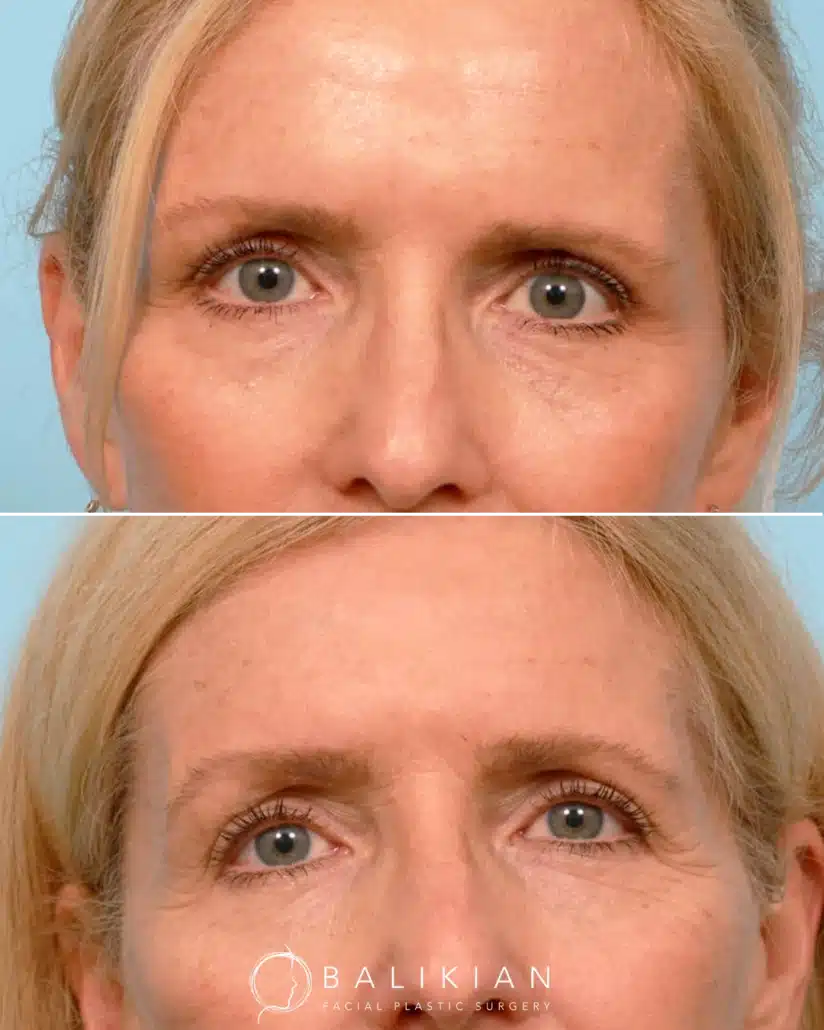
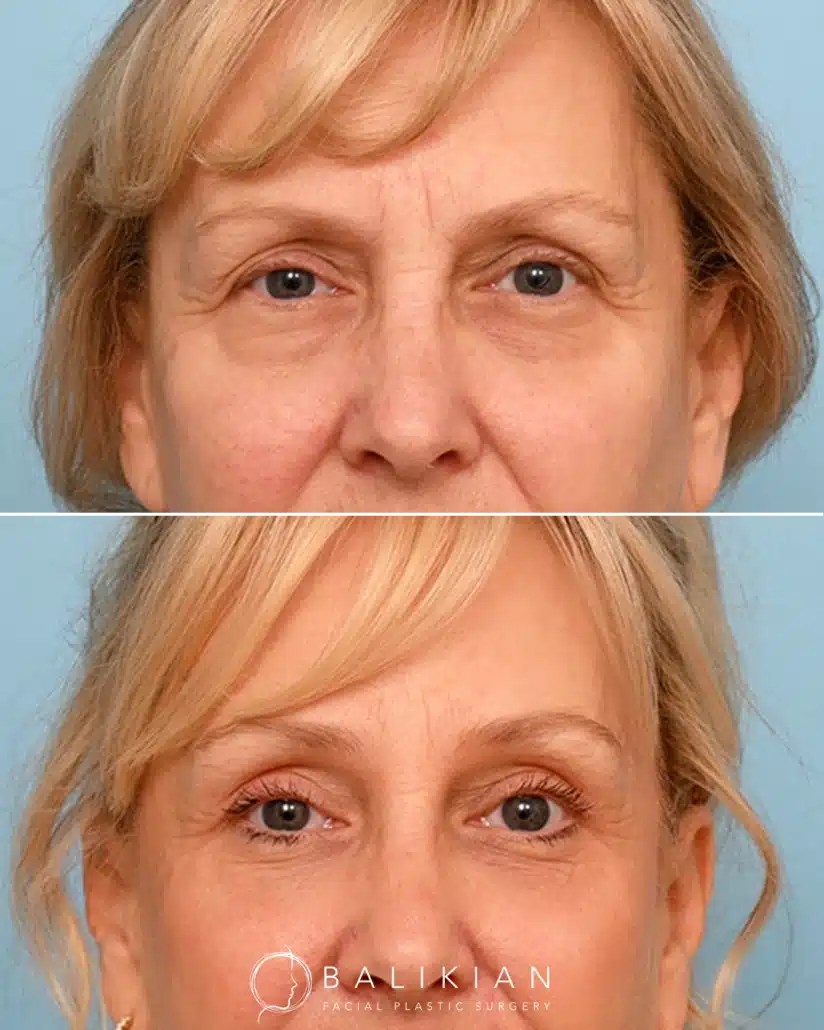
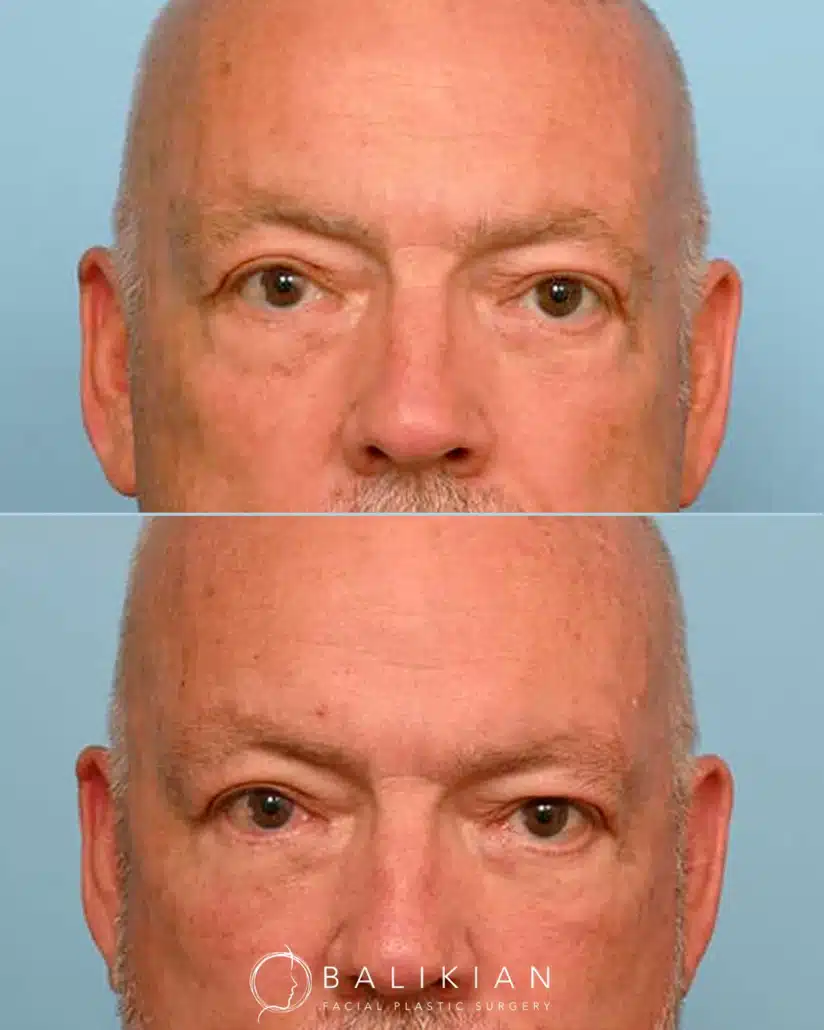

A common mistake is focusing on a single concern, such as excess skin or under-eye bags, without evaluating the full picture. The eye area is complex. Skin, fat, muscle, and bone all contribute to the final appearance. Treating only one layer can leave other contributing factors unaddressed, resulting in outcomes that feel incomplete or less natural.
A more refined approach considers how each layer contributes to the overall appearance and addresses the underlying cause rather than just the visible symptom.
Modern approaches to eyelid rejuvenation focus on restoring structure rather than removing or tightening aggressively. This may involve carefully addressing upper eyelid skin, repositioning or preserving fat in the lower eyelids, and evaluating brow position to ensure the eyes are properly supported.
The goal is subtle refinement. When done correctly, the eyes appear more open and refreshed without looking different.
The most successful outcomes are not obvious. They do not draw attention to the procedure itself. Instead, they allow the face to appear more balanced and aligned with how a person feels. Patients often describe this as looking more rested, more awake, or simply more like themselves.
This is achieved through careful planning, attention to detail, and an understanding of nuance.

If you are noticing heaviness in the upper eyelids, under-eye bags, shadowing beneath the eyes, or a persistent tired appearance, a detailed evaluation can help determine what is contributing to these changes.
Because the eye area is influenced by multiple structures, the best approach is one that considers all of these elements together.
This page is part of a larger educational series designed to help patients better understand eyelid anatomy, facial aging, and the principles behind natural results.
By breaking down these concepts, the goal is to provide clarity so that decisions can be made with confidence and a clear understanding of what is possible.
Why do my eyes look tired even when I feel rested?
Tired eyes are often caused by more than lack of sleep. Brow position, upper eyelid skin, lower eyelid fat, muscle tone, and cheek volume can all affect how rested or tired the eyes appear.
How can I tell if my tired eyes are caused by my eyelids or my brows?
It can be either, or both. A lower brow can create heaviness over the upper eyelid, while excess eyelid skin can also fold over the crease. This is why the brow and eyelid should be evaluated together.
Can upper blepharoplasty correct hooded eyelids?
Upper blepharoplasty can improve hooding caused by excess eyelid skin. If the brow is also contributing to the heaviness, eyelid surgery alone may not fully address the concern.
What causes under-eye bags to develop over time?
Under-eye bags are often caused by lower eyelid fat becoming more prominent as support weakens over time. Shadows can look worse when this fullness sits above hollowing in the tear trough or cheek area.
Why do tear troughs make the eyes appear more tired?
The tear trough creates a shadow between the lower eyelid and cheek. When cheek volume decreases or lower eyelid fat becomes more visible, that shadow can make the eyes look tired even when you feel well.
Does blepharoplasty change the natural shape of the eyes?
The goal is to refresh the eyes without changing their natural shape. A conservative, anatomy-based approach helps preserve eyelid support, contour, and expression.
Why is a detailed evaluation important before eyelid surgery?
The eye area is layered and complex. Skin, fat, muscle, brow position, and cheek support all influence the result, so the right approach depends on what is actually creating the tired appearance.
What is the overall goal of eyelid rejuvenation?
The goal is not to make someone look different. It is to help the eyes look brighter, more rested, and more balanced while preserving natural expression.
Dr. Richard Balikian is a highly respected facial plastic surgeon serving the San Diego area.
With over 20 years of experience and double board certification in Facial Plastic and Reconstructive Surgery as well as Head and Neck Surgery, Dr. Balikian offers a unique combination of technical expertise and artistic vision.
He is part of an elite group of surgeons with extensive training focused exclusively on the face and neck.