How to Choose a Facial Plastic Surgeon. What Truly Matters for Natural Results.
Guidance for Choosing a Facial Plastic Surgeon with Confidence
Choosing a facial plastic surgeon is one of the most important decisions you will ever make. Not because facial surgery is always dramatic. Because it is permanent, personal and highly technical.
The goal is not a different face. The goal is a rested, balanced version of you.
Many patients search for the “best facial plastic surgeon.” I understand why. But a better question is this.
How do you recognize the right surgeon for your face, your anatomy and your goals.

This guide lays out the factors that matter most. It is grounded in real surgical decision making, patient safety principles, and what the medical literature consistently shows about facelift and eyelid surgery risks and risk reduction.
When choosing a facial plastic surgeon, credentials are where the evaluation should begin. They are not where it should end.
Board certification matters because it signals formal training, standards and accountability.
It is not the finish line. It is the starting point.
Your next step is to verify that the surgeon’s training and practice focus match what you are considering.
A surgeon who focuses primarily on facial surgery develops deeper pattern recognition in facial aging, facial balance and the subtle tradeoffs that separate “tight” from “natural.”
This is especially important for higher complexity procedures and revision surgery, where anatomy has already been altered.
Two surgeons can use the same technique name and produce very different results.
“Pulling tighter does not create natural results. Preserving anatomy and restoring support is what allows the face to age naturally after surgery.”
– Dr. Balikian
In my world, the best results come from a preservation mindset. That means treating deeper structures intentionally and avoiding tension patterns that distort the face. The goal is not to pull harder. The goal is to restore shape and support so the skin can drape naturally.
This matters because the most common reasons patients worry about looking “done” are related to vectors of lift, tension management and over correction.
Before and after galleries are one of the most honest indicators of a surgeon’s work, if you know what to look for.
Look for:
If a gallery feels overly curated, filtered or limited to one type of patient, that is information
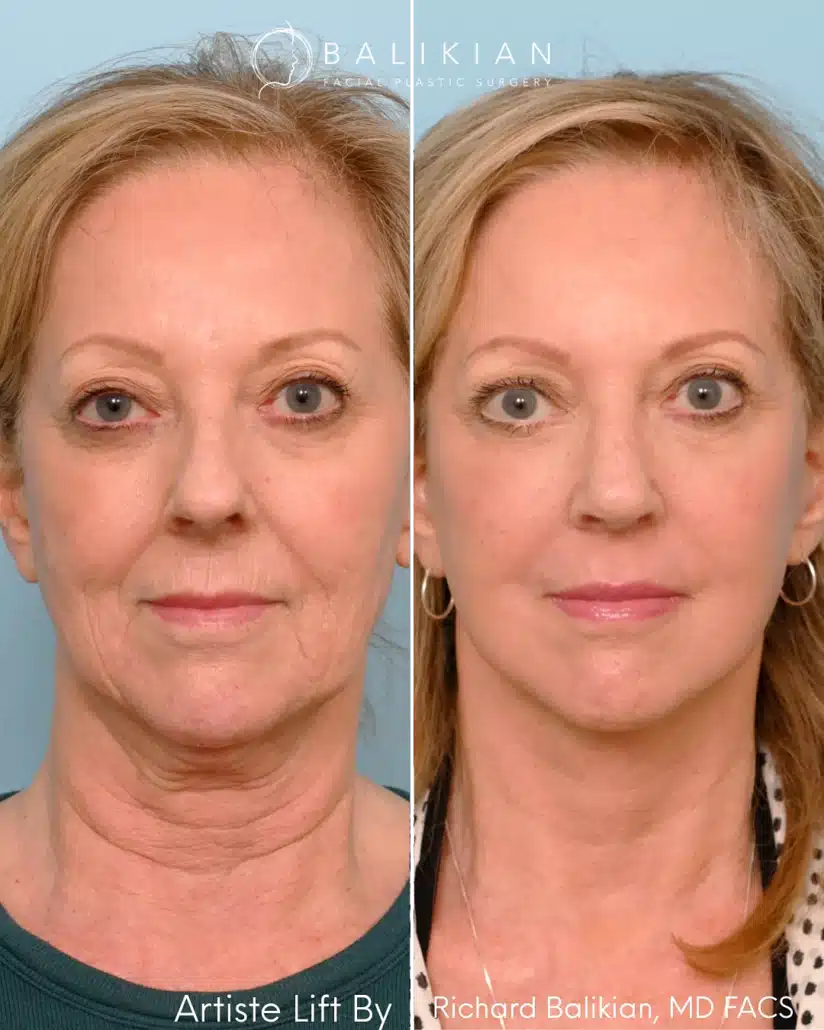
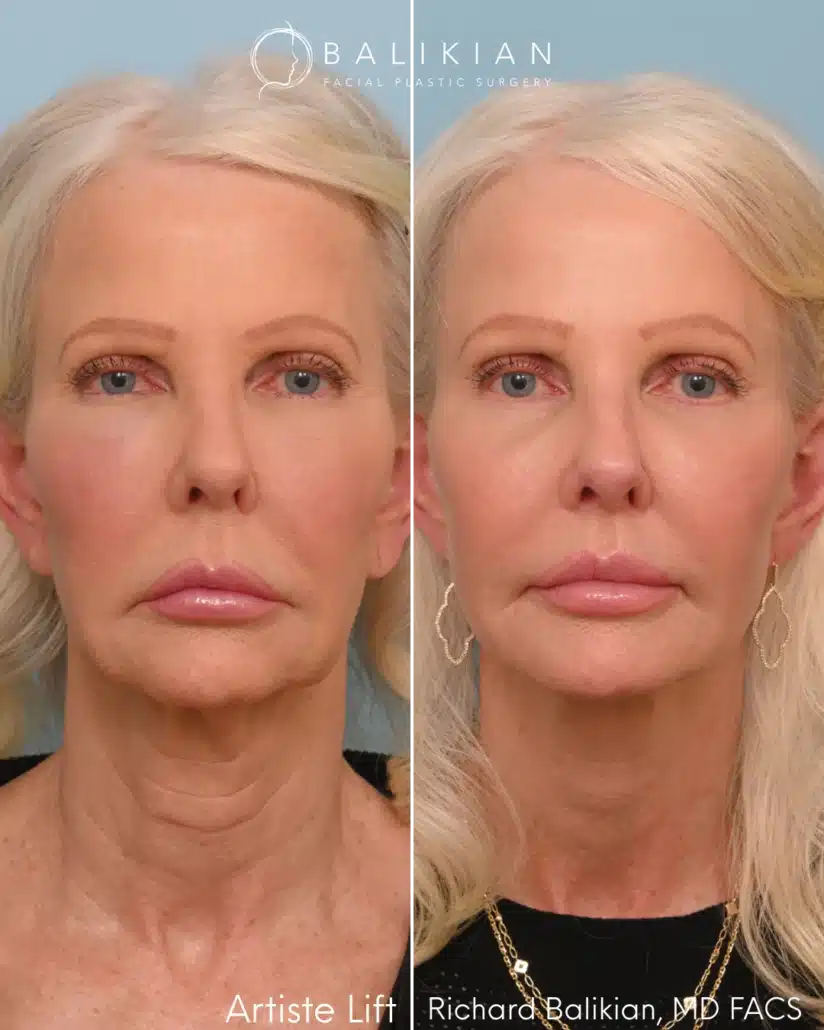
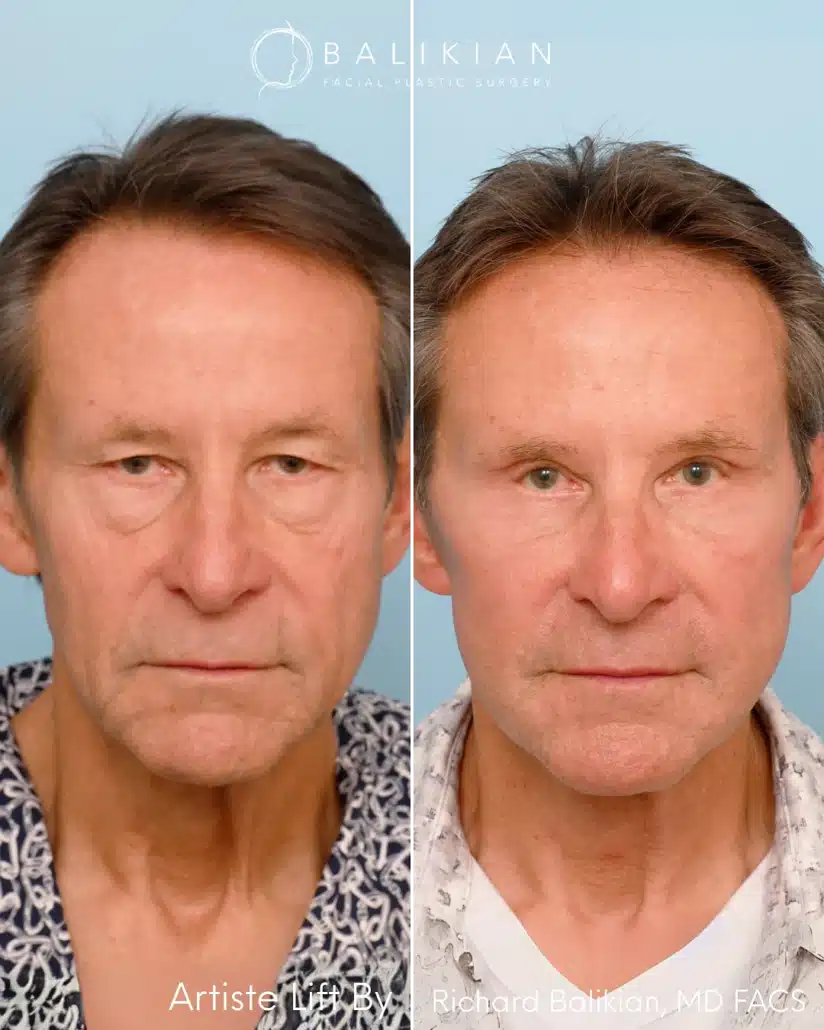

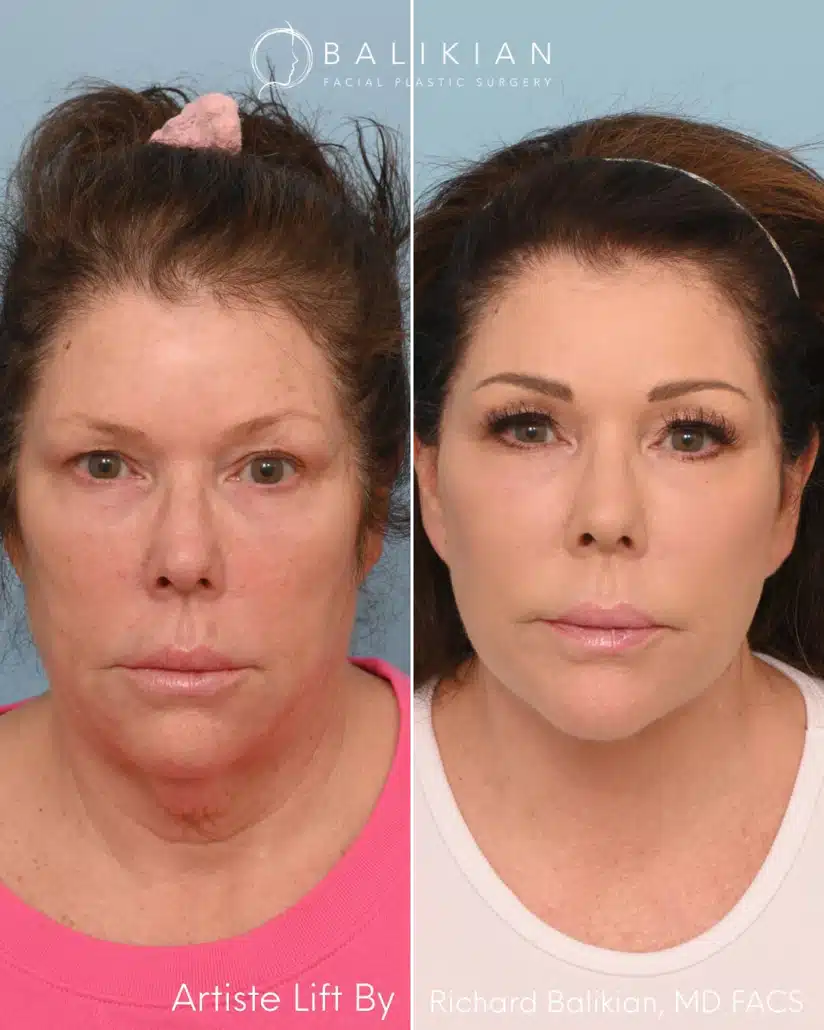
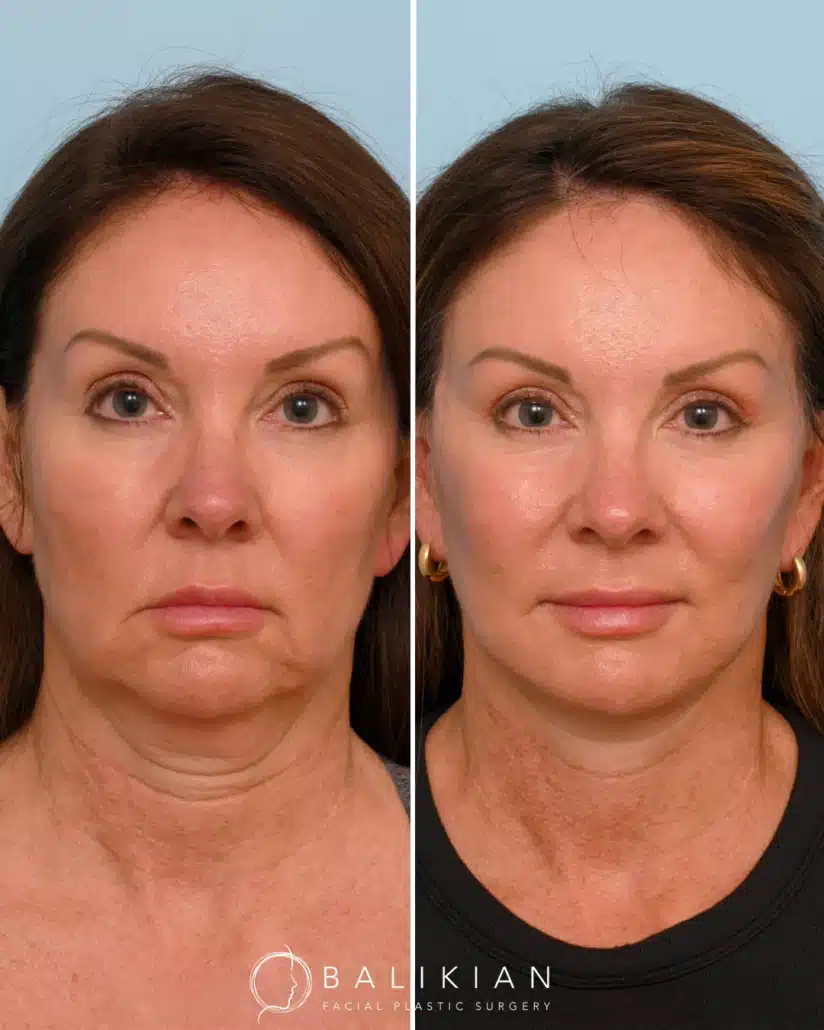
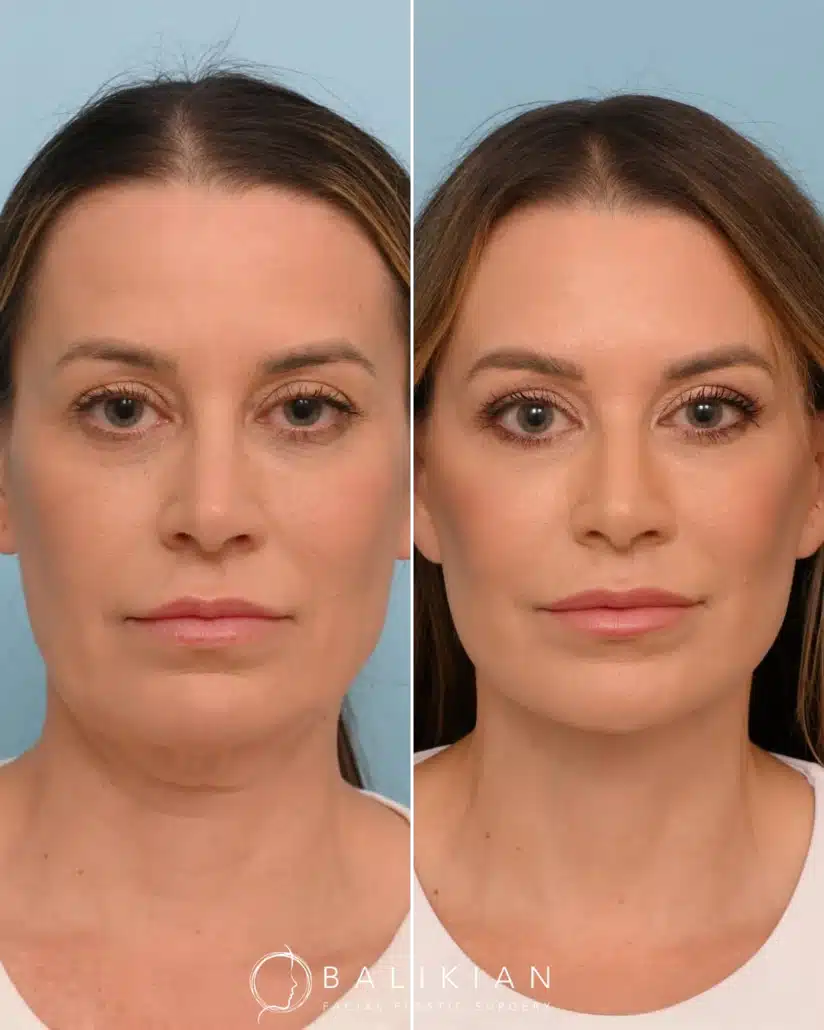
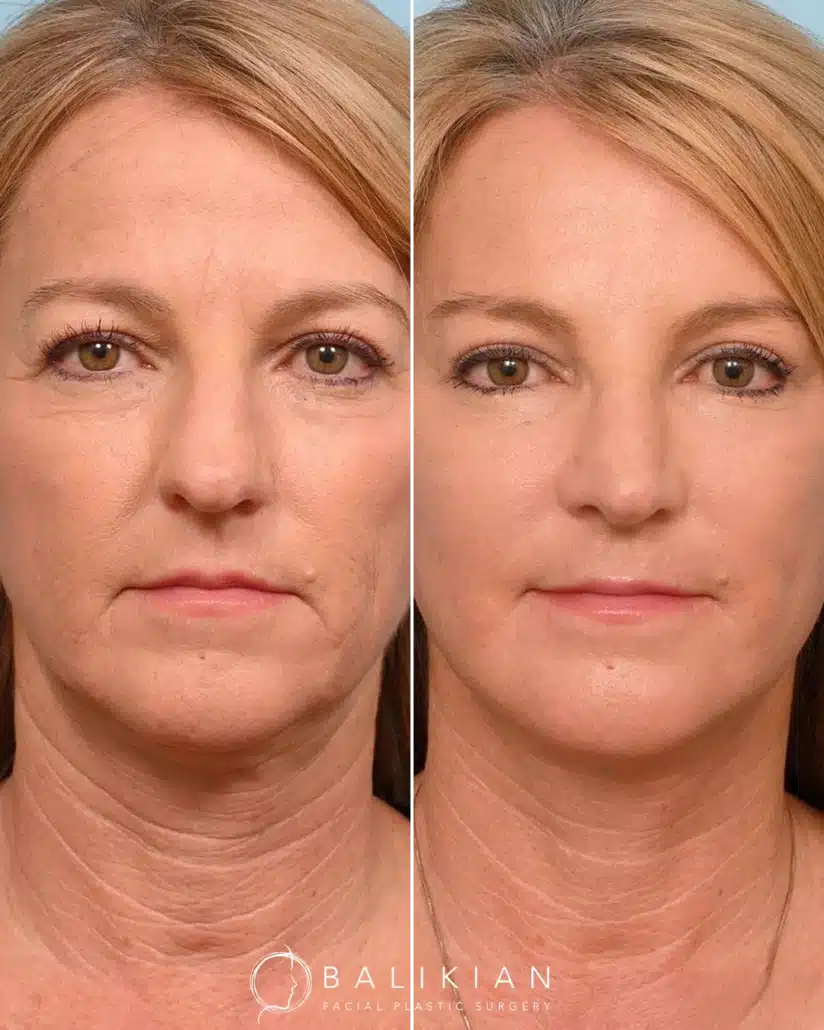
Facelift surgery is generally safe when performed in appropriate candidates with proper planning, technique and safety protocols. Large outcomes analyses identify measurable complication rates and consistent risk factors.
Risk tends to increase with factors like smoking, obesity, longer operative time, combined procedures and certain anesthesia and setting choices.
A good surgeon should be able to explain:
Safety is not just “where you do surgery.” It is how you do surgery.
Safety is not just where surgery is performed. It is how it is planned.
Different facial procedures can be performed safely using different anesthesia approaches depending on the patient and the complexity of the case.
What matters most is that your surgeon can clearly explain:
Clear reasoning builds trust and supports safer outcomes.
Eyelid surgery can create subtle, beautiful rejuvenation when performed thoughtfully. It also requires exceptional attention to detail, because the eyelids are among the most delicate and functionally important structures of the face.
Eyelid anatomy is delicate. Millimeters matter.
While most eyelid procedures heal well, complications can occur and must be anticipated. A thoughtful surgeon evaluates risk factors carefully, including eye health, skin quality, muscle tone and medical history.
Careful surgical planning and postoperative management are essential to achieving safe, natural looking results.
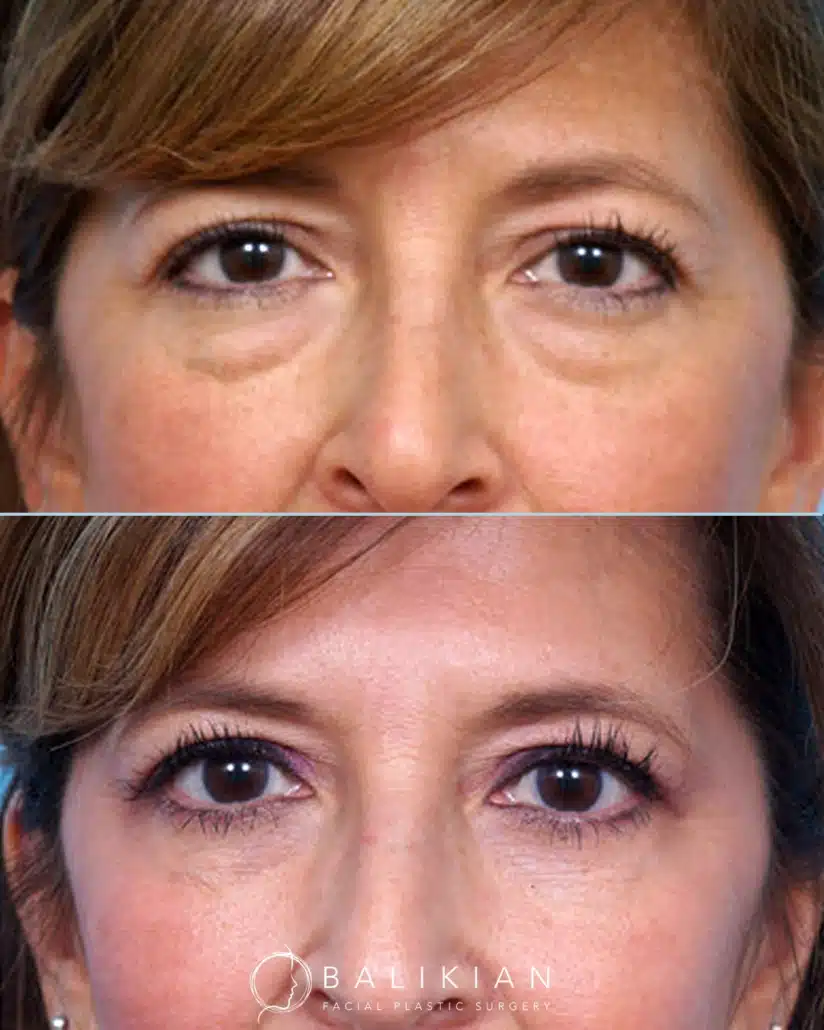
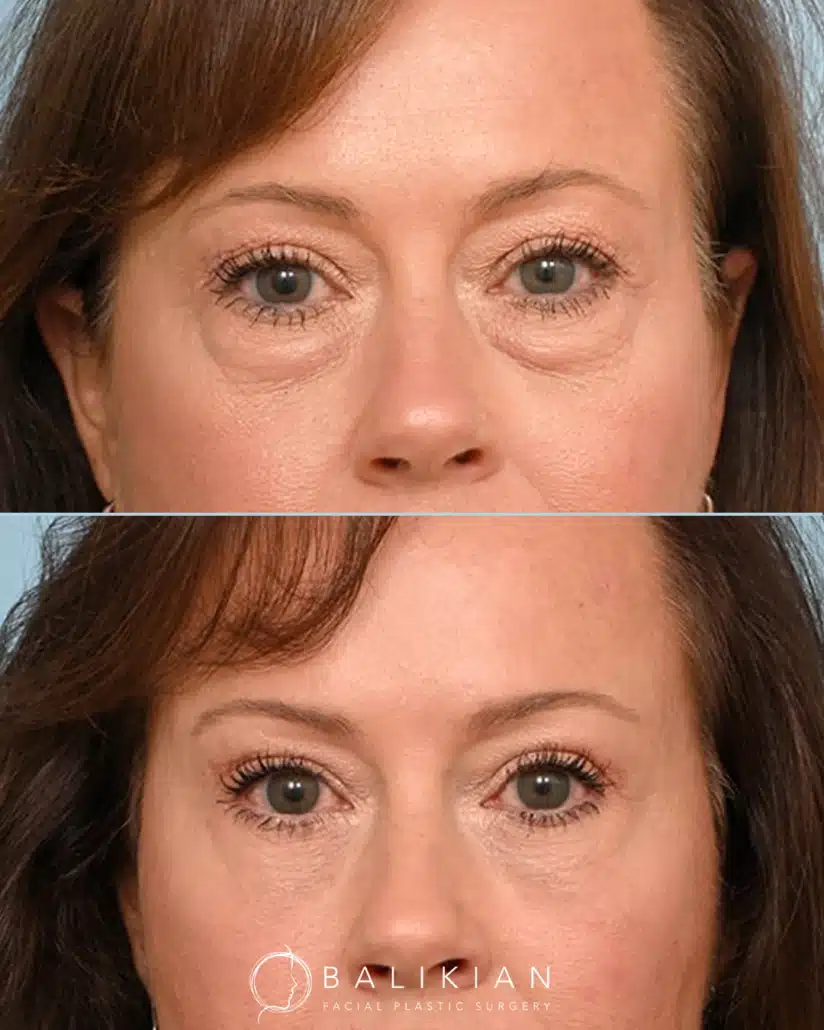
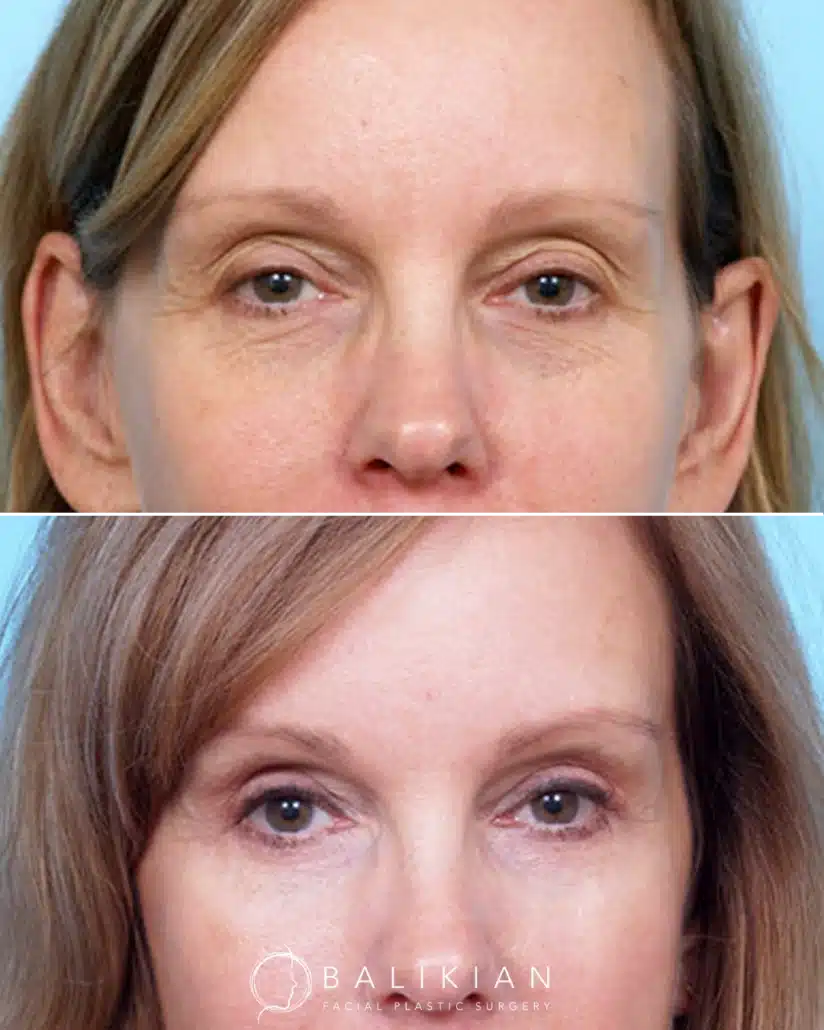
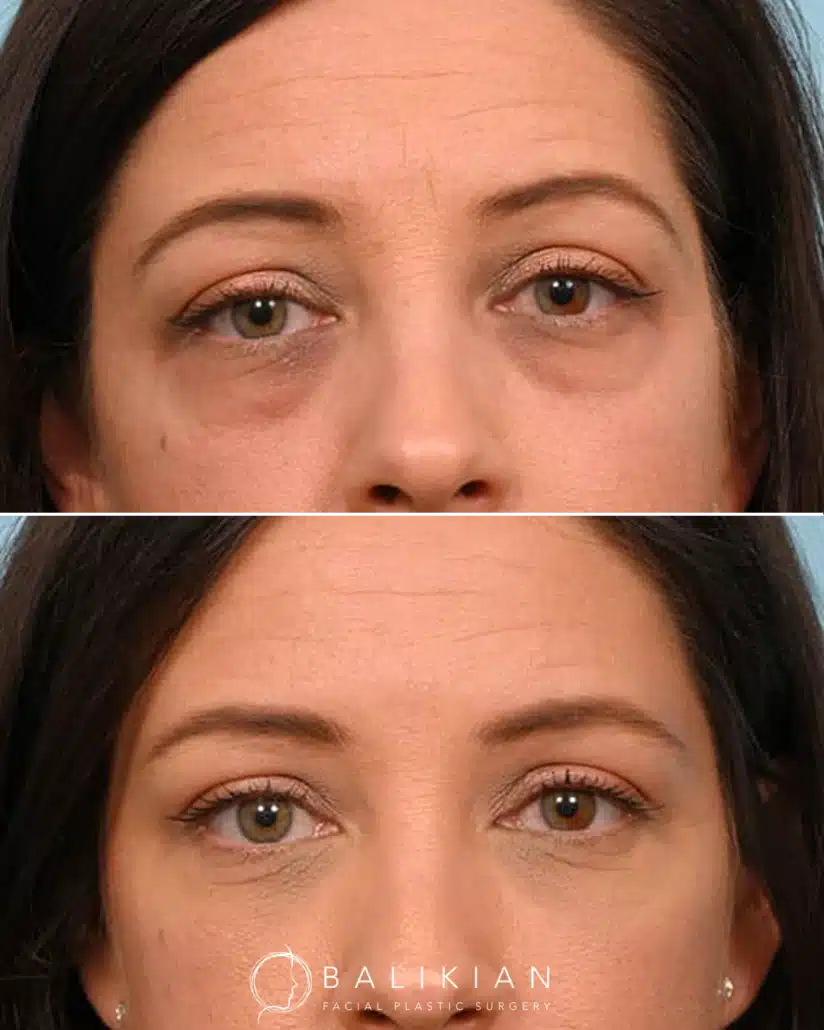
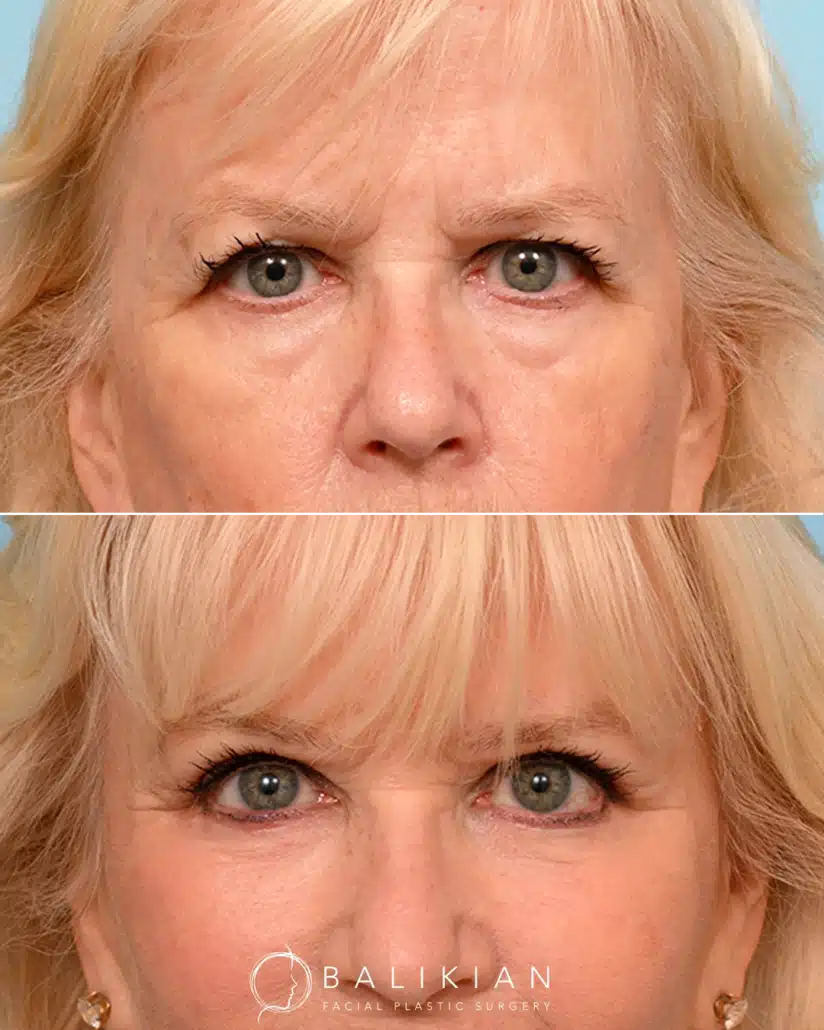
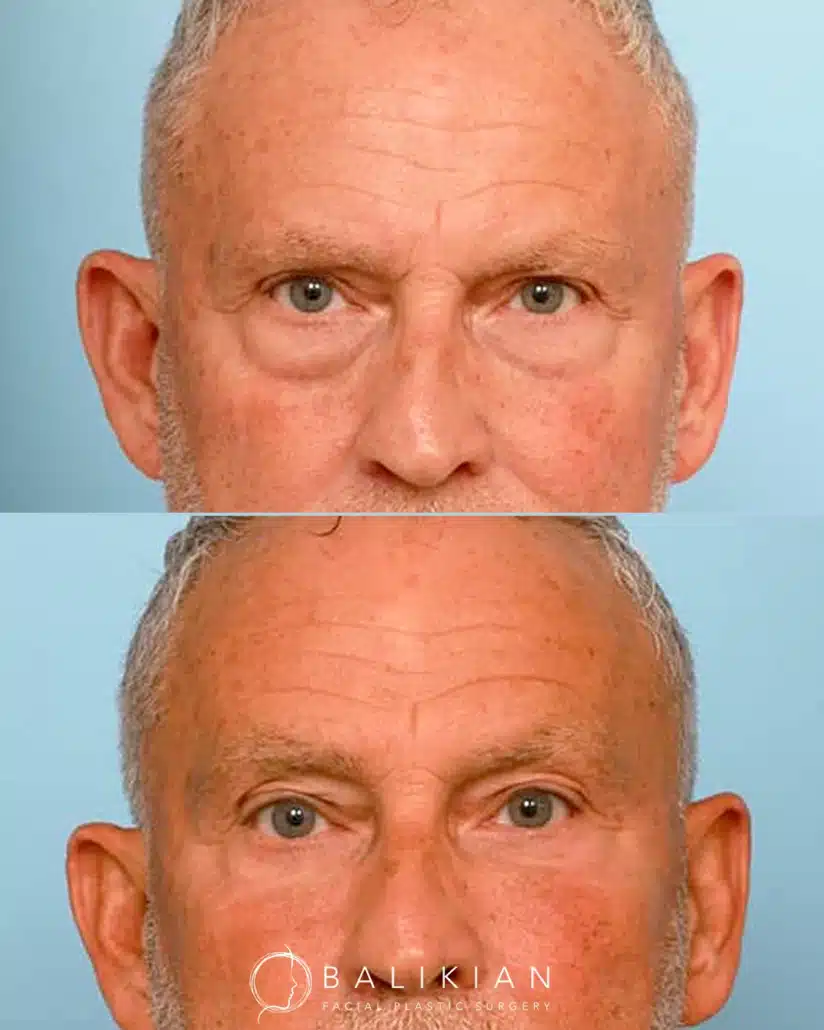
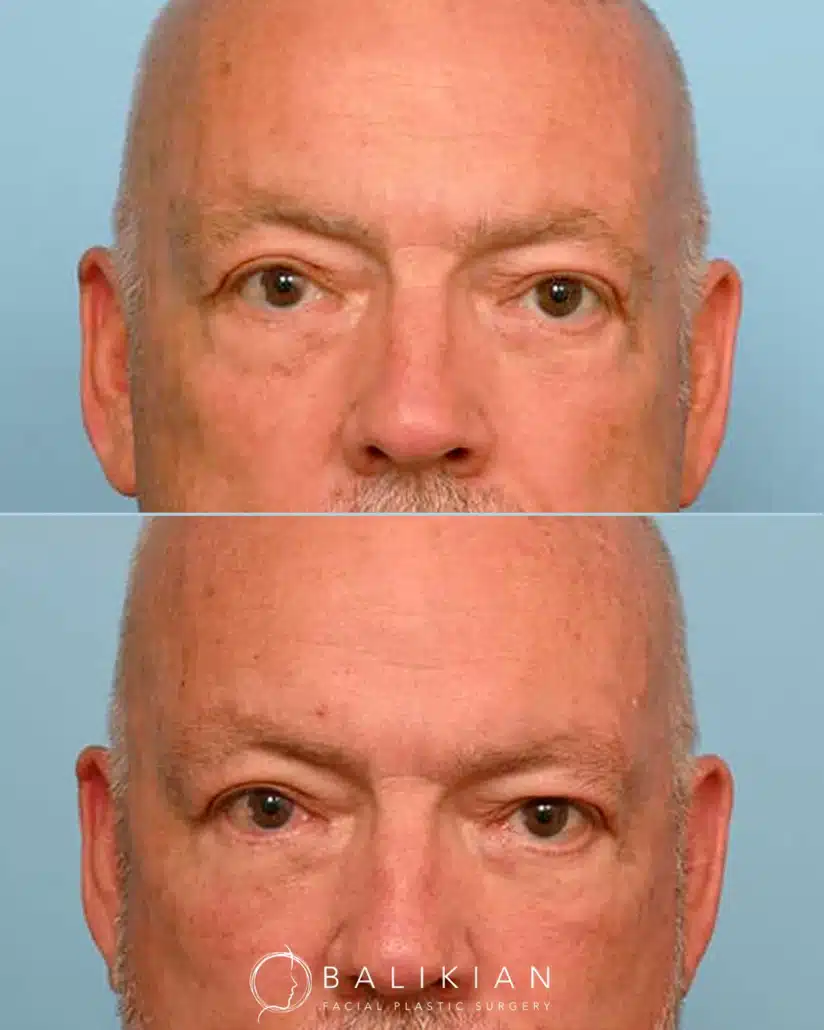
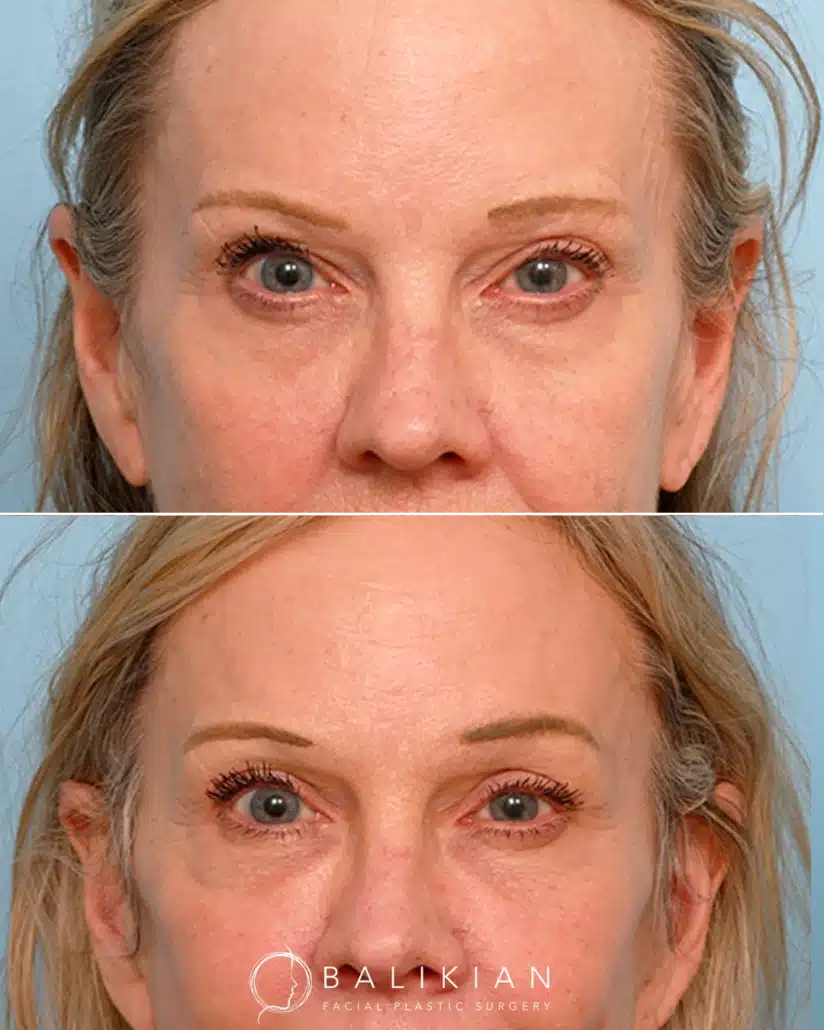
Revision surgery is different from primary surgery because the anatomy has already been changed. Normal tissue planes may no longer exist, scar tissue can restrict movement, and blood supply and elasticity are often reduced.
These factors make revision cases more complex and less predictable. Surgical judgment becomes more important than any single technique.
Scar tissue, altered anatomy, and reduced tissue elasticity make revision cases more complex. Surgical judgment becomes more important than any single technique.
Surgeons who routinely perform revision surgery often have a deeper understanding of:
If you are considering revision surgery, ask directly about experience and limitations.
The consultation should feel educational, not sales driven.
“Facial surgery works best when patients understand their anatomy and their options. My role is to explain what is happening structurally and what different approaches can realistically achieve.”
– Dr. Balikian
A high quality consultation is a thoughtful discussion centered on anatomy, options, and long term outcomes. It is not a presentation or a script. The goal is to help you understand what is happening structurally and how different approaches may or may not address your concerns.
You should feel comfortable asking questions and given clear, honest answers that support an informed decision.
A strong consultation is calm, specific and anatomy based.
You should leave understanding:
If every patient seems to receive the same plan, or if you feel rushed toward a decision, that is important information.
There is no universal best surgeon.
Facial plastic surgery is highly individualized and the right choice depends on your anatomy, goals and the complexity of the procedure being considered.
“The best results are the ones where patients still look like themselves, just more rested and balanced.”
– Dr. Balikian
What matters most is alignment, not labels or rankings.
The best outcomes occur when:
Taking the time to evaluate these factors allows you to make a confident, informed decision about facial plastic surgery.
What should I look for first when choosing a facial plastic surgeon?
Start with board certification and training, then evaluate focus. A surgeon with a facial focused practice is more likely to have deeper expertise in facial anatomy, aging patterns, and nuanced technique selection.
Is facelift surgery safe?
Facelift surgery is generally safe when performed by qualified surgeons with proper patient selection and safety protocols. Large outcomes studies report measurable complication rates and identify modifiable risk factors like smoking, obesity, and combined procedures.
What are the most common facelift risks?
Hematoma and infection are among the more frequent surgical complications reported in large facelift outcomes analyses.
Does combining procedures increase facelift risk?
Risk can increase with longer operative time and combined procedures in outcomes analyses. The right plan depends on your anatomy, risk factors, and recovery goals.
Does anesthesia choice matter for facelift safety?
It can. Survey data suggests very low VTE incidence in facelift series performed under specific local anesthesia protocols, and factors like operative time and case scope are associated considerations.
What questions should I ask about anesthesia?
Ask why a particular approach is recommended for you, what monitoring is used, how nausea and blood pressure are managed, and how the plan supports safe recovery.
How do I evaluate a surgeon’s before and after photos?
Look for consistency, natural expression, and results that preserve identity. Pay attention to the neck and jawline, not just cheeks. Look for results across many ages and facial types.
What are common eyelid surgery risks?
Blepharoplasty literature describes minor complications like hematoma and dry eye symptoms and also emphasizes that serious complications, while rare, are reported and require careful risk screening and management.
Can blood pressure affect eyelid surgery complications?
Yes. A study on blepharoplasty hematoma prevention found that tighter post operative blood pressure control was associated with reduced hematoma risk, especially in higher risk patients.
Why does revision experience matter?
Revision surgery involves altered anatomy and scar tissue. Surgeon judgment and experience become even more important because technique alone cannot overcome structural limitations.
Is it a red flag if a surgeon promises “no downtime” or guarantees results?
It can be. Recovery timelines vary, and honest surgeons set realistic expectations. Promises that ignore biology are usually marketing, not medicine.
What is the best way to compare surgeons?
Compare consultations. A strong surgeon explains your anatomy, your options, limitations, and recovery clearly. You should feel educated, not sold.
Dr. Richard Balikian is a highly respected facial plastic surgeon serving the San Diego area.
With over 20 years of experience and double board certification in Facial Plastic and Reconstructive Surgery as well as Head and Neck Surgery, Dr. Balikian offers a unique combination of technical expertise and artistic vision.
He is part of an elite group of surgeons with extensive training focused exclusively on the face and neck.
Richard V. Balikian, MD, FACS
Double Board-Certified Facial Plastic Surgeon
Balikian Facial Plastic Surgery: Richard V. Balikian, MD, FACS

