When Do You Start to Look Like Yourself After a Facelift?
Most patients do not ask, “When will I be healed?” They ask, “When will I look like myself again?”
That question comes up in nearly every facelift consultation and recovery visit. It usually appears once swelling begins to change and patients start paying closer attention to their reflection. Wanting to look refreshed without looking different is a natural concern, and it is one of the most important parts of the recovery process to understand.
Patients want improvement, but they also want reassurance that the person they recognize in the mirror will still be there.
The answer is not tied to a single day on the calendar. Looking like yourself again happens gradually. For most patients, it begins earlier than they expect, but it settles in stages rather than all at once.
Because facelift surgery is customized to each patient, recovery experiences can differ. For a broader overview of facelift techniques and planning, visit our Facelift Surgery Education hub.
The most reassuring way to understand that process is to hear it directly from patients who are actively recovering.
Looking like yourself again does not mean healing is complete or that final results are visible.
It usually means:
For most patients, this moment arrives quietly. There is no dramatic overnight change. Instead, one day the face simply feels like you again, just refreshed.
Early facelift recovery can feel emotionally challenging, even when physical discomfort is improving. This is normal.
During early healing, patients often notice:
This happens because facelift surgery repositions deeper facial structures, not just skin. Swelling does not resolve evenly, and healing progresses in layers.
Feeling uncertain during this phase does not mean something is wrong. It usually means healing is still underway.
Every recovery is different, but most patients experience recognizable phases.
Days 1–7
Weeks 2–3
Weeks 4–8
Months 3–4 and beyond
For most patients, familiarity returns before final results are fully settled.
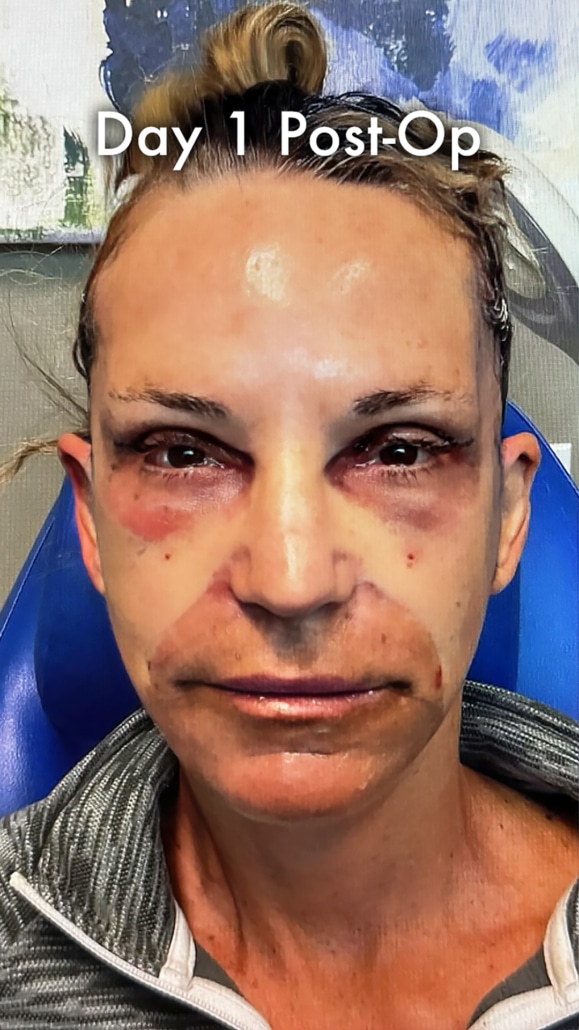
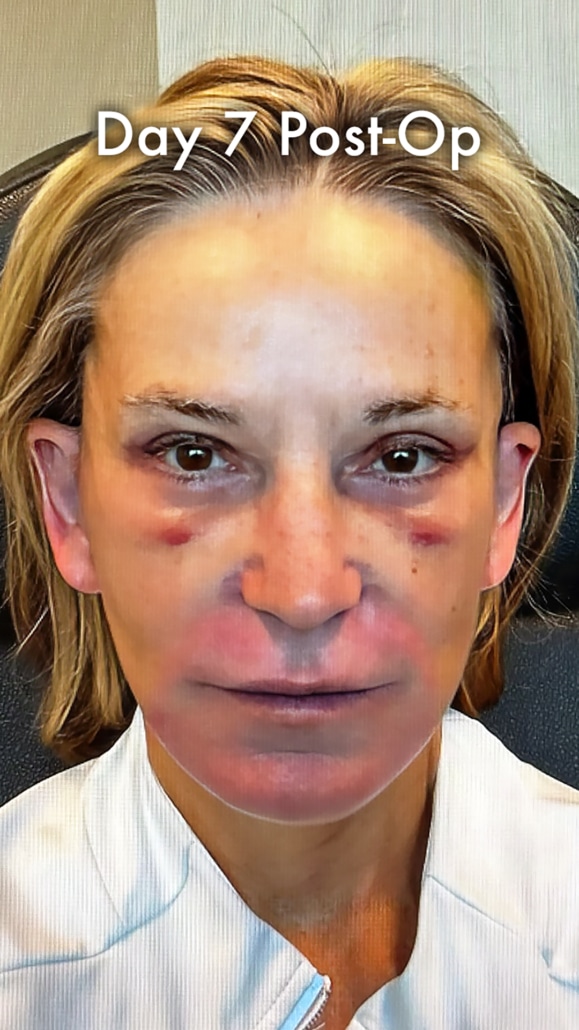
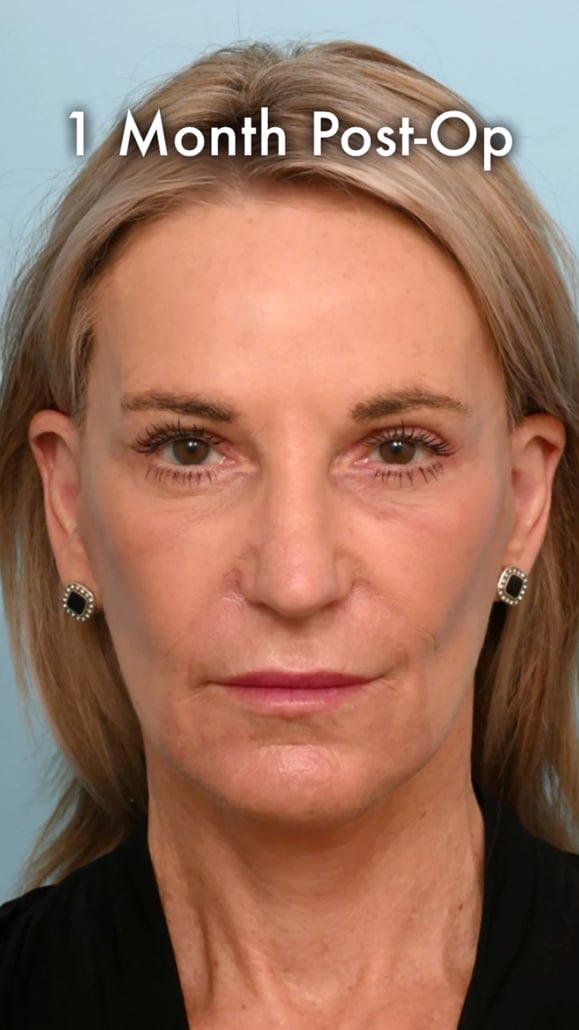
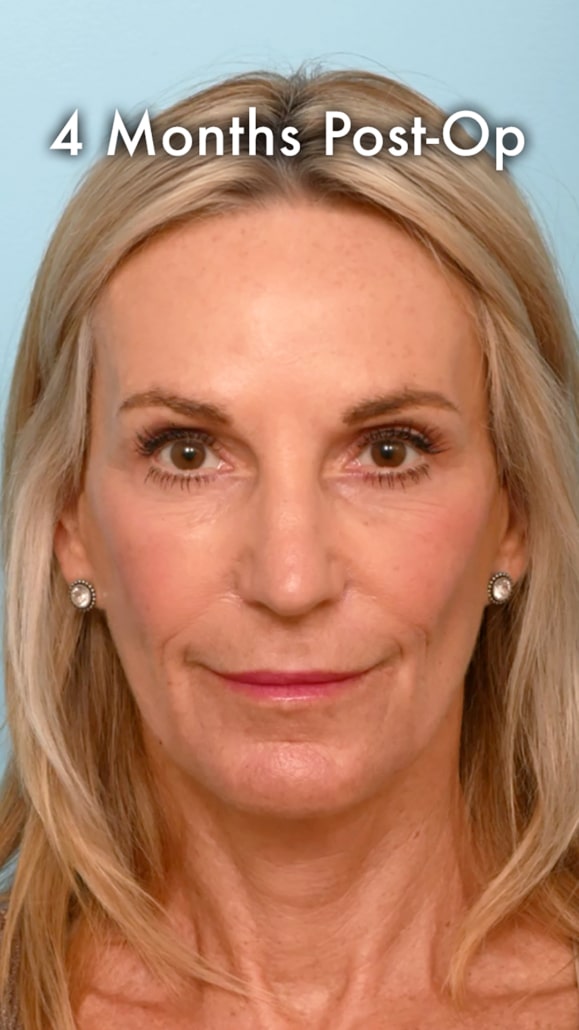
Social comfort and final results are not the same thing.
Most patients feel comfortable returning to daily activities and social settings once:
Final results, however, continue to refine quietly for several months. This does not mean patients look unfinished early on. It simply means healing is still happening beneath the surface.
Facelift surgery works on deeper facial layers.
As healing progresses:
This is why results often look better months after surgery than they do early on. The goal is not to look tight quickly. The goal is to look natural for years.
This long-term approach reflects how Dr. Richard Balikian, a double board-certified facial plastic surgeon, approaches facial rejuvenation, focusing on preservation and balance rather than short-term tension.
Before and after photos can be helpful, but timing matters. Early photos may still show swelling or firmness. Later photos show how results soften and settle as healing progresses.
When viewing facelift before and after images, it is important to understand when the photo was taken during recovery. A well-performed facelift should look more natural with time, not more obvious.
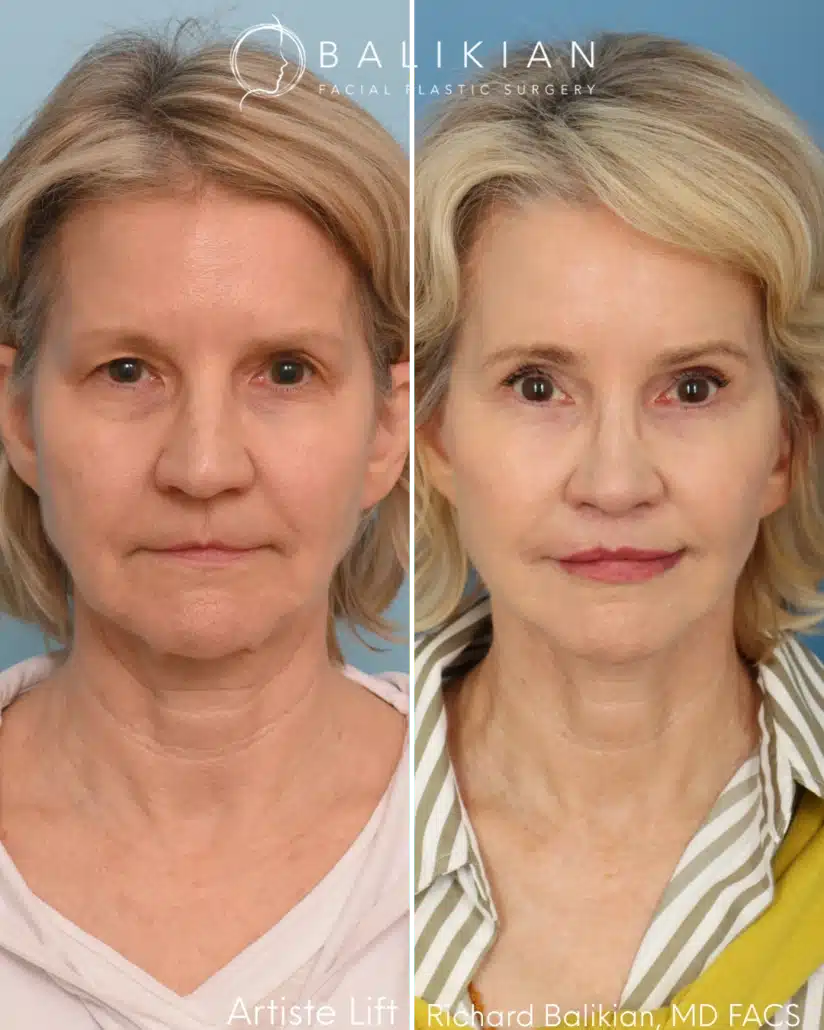
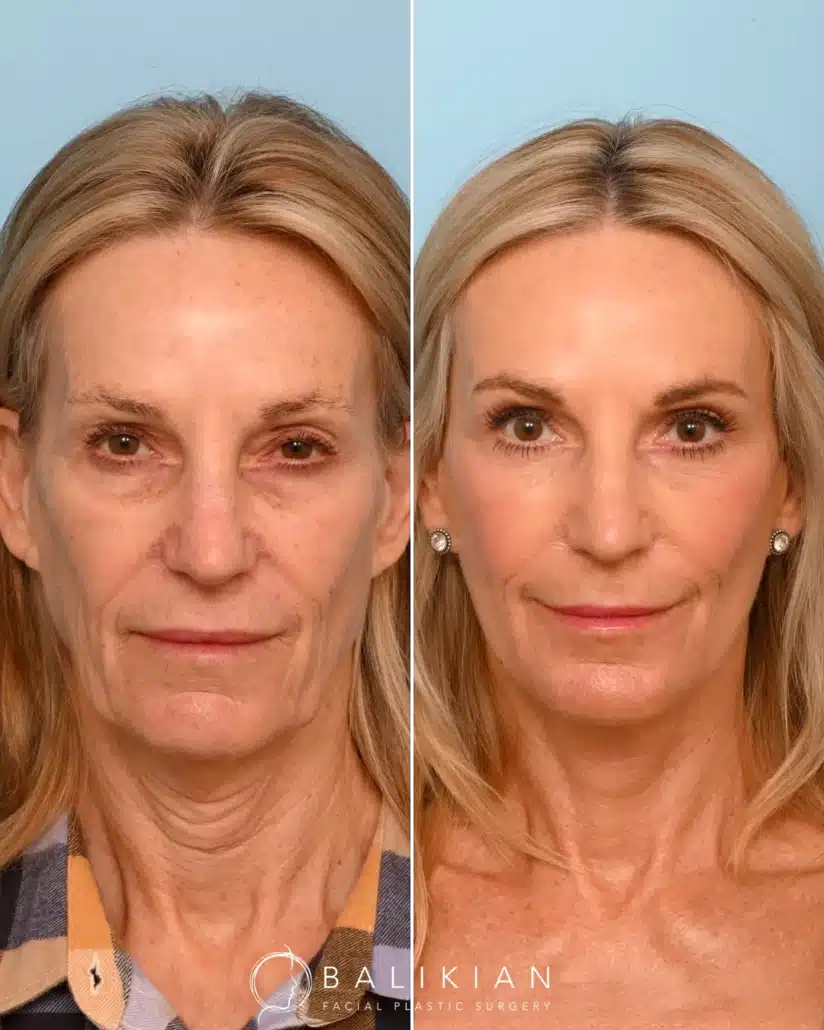
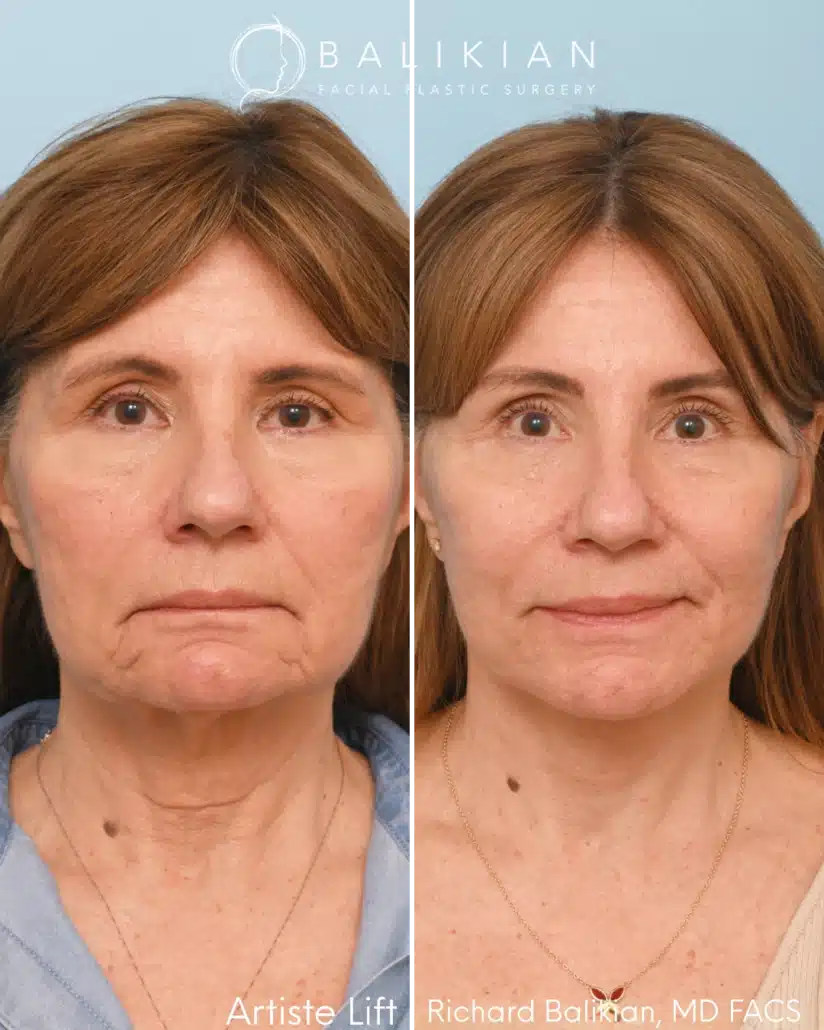
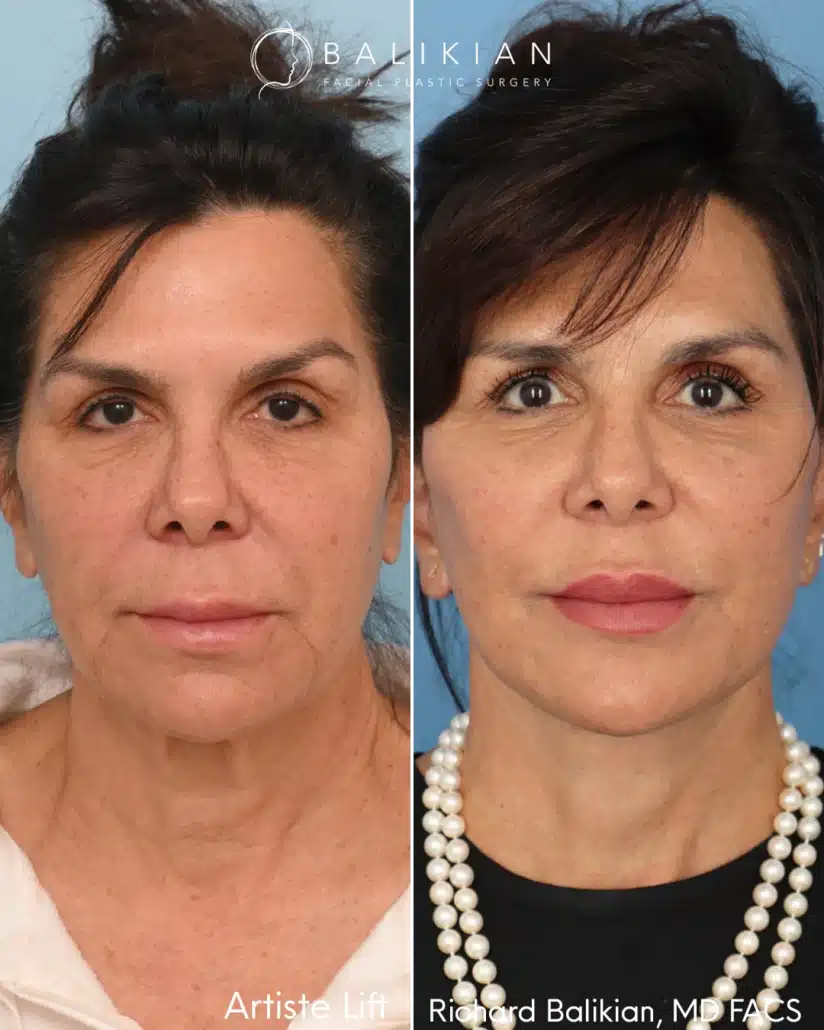
Emotional ups and downs are common during recovery.
Patients often experience:
Confidence often returns before all physical healing is complete. Understanding this helps patients move through recovery with less anxiety.
If you are early in recovery and wondering when you will feel like yourself again, uncertainty is normal.
Healing is rarely linear.
For most patients, the moment they are waiting for arrives quietly. One day the mirror feels familiar again. Not finished. Not perfect. Just familiar.
That moment usually means healing is moving in the right direction.
When do most patients start to look like themselves again after a facelift?
Most patients begin to feel more “like themselves” once early swelling and bruising have improved and facial movement feels natural again. Research shows postoperative edema can be measured and follows a predictable pattern, but it resolves gradually rather than all at once.
Why does swelling feel uneven during facelift recovery?
Swelling after facelift is partly related to postoperative fluid shifts and temporary disruption of lymphatic drainage. Recent research has specifically looked at quantifying postoperative edema after facelift, supporting the idea that swelling is expected and follows a pattern rather than disappearing evenly.
How long does swelling last after a deep plane facelift?
Swelling typically improves substantially in the first weeks, then continues to settle more subtly over the following months. A 2025 study introduced an objective way to measure and track postoperative edema after facelift, reinforcing that swelling resolution is gradual and measurable over time.
What is the most common serious complication after a facelift?
Across recent literature, hematoma remains the most commonly reported facelift complication. A 2025 systematic review of rhytidectomy complications found hematoma was the most frequently reported complication in more recent years, followed by scarring issues and neurapraxia.
What increases the risk of hematoma after facelift surgery?
Evidence reviews identify multiple factors associated with higher hematoma risk, including patient and perioperative factors. A 2024 evidence review summarizes known risk factors and prevention strategies used in facelift surgery.
Are there proven methods that help reduce hematoma risk?
Recent research has evaluated adjuncts used during facelift surgery to reduce hematoma risk, including approaches such as tranexamic acid and other intraoperative techniques, with the goal of improving evidence based prevention.
Is nerve injury common after facelift?
High quality reviews suggest nerve injury is uncommon overall. A 2025 systematic review and meta analysis reported pooled rates of nerve injury under 1 percent and permanent nerve injury under 0.1 percent for motor and sensory lesions.
If facial nerve weakness happens after facelift, does it usually resolve?
Most facelift related facial nerve issues are temporary and improve with time, depending on severity. A 2025 systematic review on facial nerve injury after rhytidectomy reports that most cases recover favorably, with many recovering within months.
Does smoking affect facelift healing?
Yes. Smoking is associated with higher risk of wound healing problems across common aesthetic procedures, including increased risk of infection, delayed wound healing, and skin necrosis.
What are other common facelift complications patients should know about?
Recent complication reviews continue to report hematoma most often, with scarring concerns, temporary nerve symptoms like neurapraxia, and seroma also appearing in published data.
How safe is facelift surgery overall?
Large studies and reviews describe rhytidectomy as generally safe when performed by experienced surgeons, while emphasizing that complication risks vary with patient factors and whether additional procedures are combined.
Dr. Richard Balikian is a highly respected facial plastic surgeon serving the San Diego area.
With over 20 years of experience and double board certification in Facial Plastic and Reconstructive Surgery as well as Head and Neck Surgery, Dr. Balikian offers a unique combination of technical expertise and artistic vision.
He is part of an elite group of surgeons with extensive training focused exclusively on the face and neck.

Richard V. Balikian, MD, FACS
Double Board-Certified Facial Plastic Surgeon
Balikian Facial Plastic Surgery: Richard V. Balikian, MD, FACS

