How Facelift Incisions Are Designed for Healing and Natural Results
How Preservation, Release and Zero Tension Shape Healing and Scars
Modern facelift surgery is not defined by how tight the skin looks. It is defined by how intelligently deeper structures are repositioned and how quietly the skin is allowed to heal.

In a Preservation Deep Plane Facelift, including Dr. Balikian’s Artiste Lift™, incisions are not used to lift the face. They are carefully designed access points that allow deeper anatomical correction to occur without placing stress on the skin.
This distinction is critical to both healing and long-term results.
Incision design is inseparable from how the deeper layers of the face are released and repositioned, including the direction of lift and aging patterns addressed during surgery.
Facelift incisions exist to provide safe access to the deeper layers of the face where aging occurs. They are not intended to tighten skin or hold the lift in place. For a deeper understanding of why structural release matters more than surface tightening, see our SMAS Facelift Techniques page.
In effective facelift surgery:
Using incisions as lifting tools increases stress on the skin and compromises healing.
Facelift incisions are positioned around the ear in locations that naturally conceal scars as healing progresses. These incision pathways are designed to provide access for lifting along the anatomically correct direction, rather than pulling tissue sideways under tension.
They typically include:
These placements allow access to deeper facial structures while minimizing visible scarring.
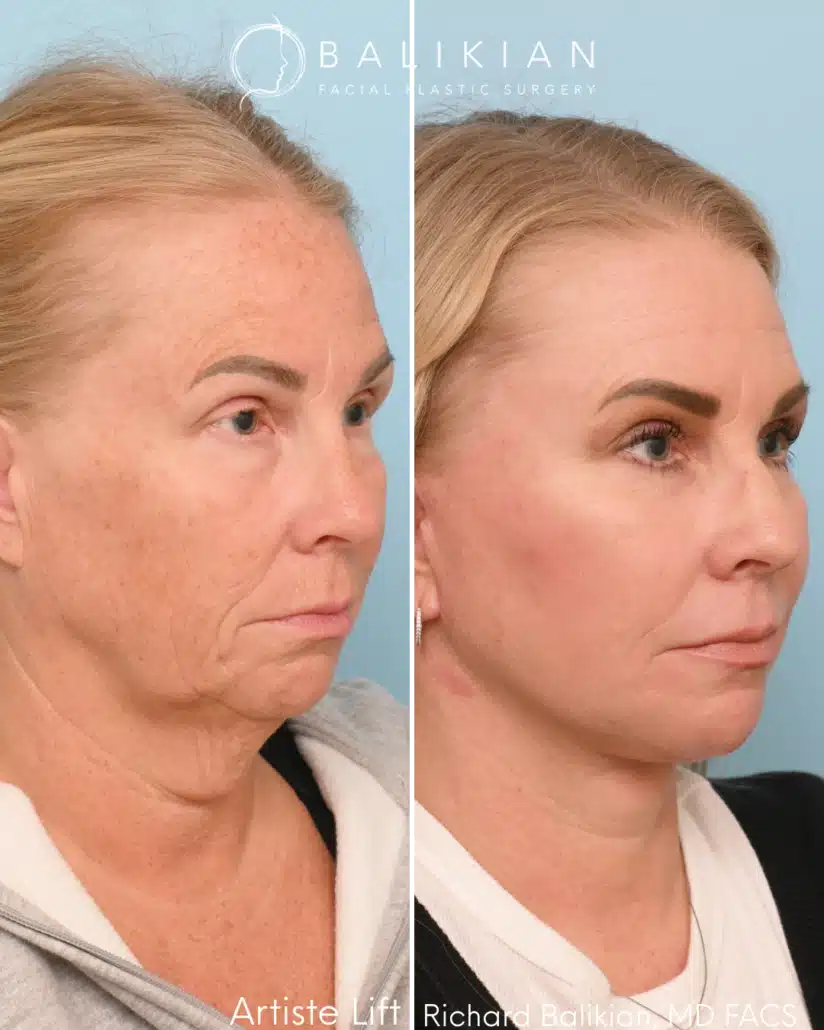
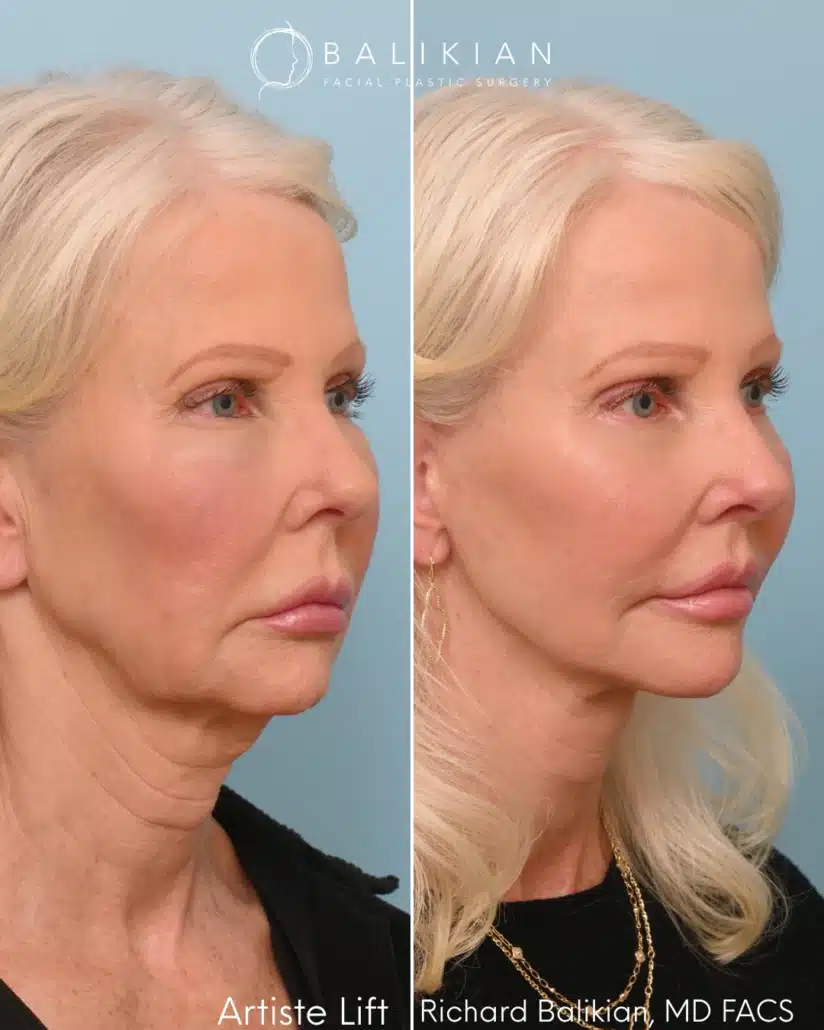
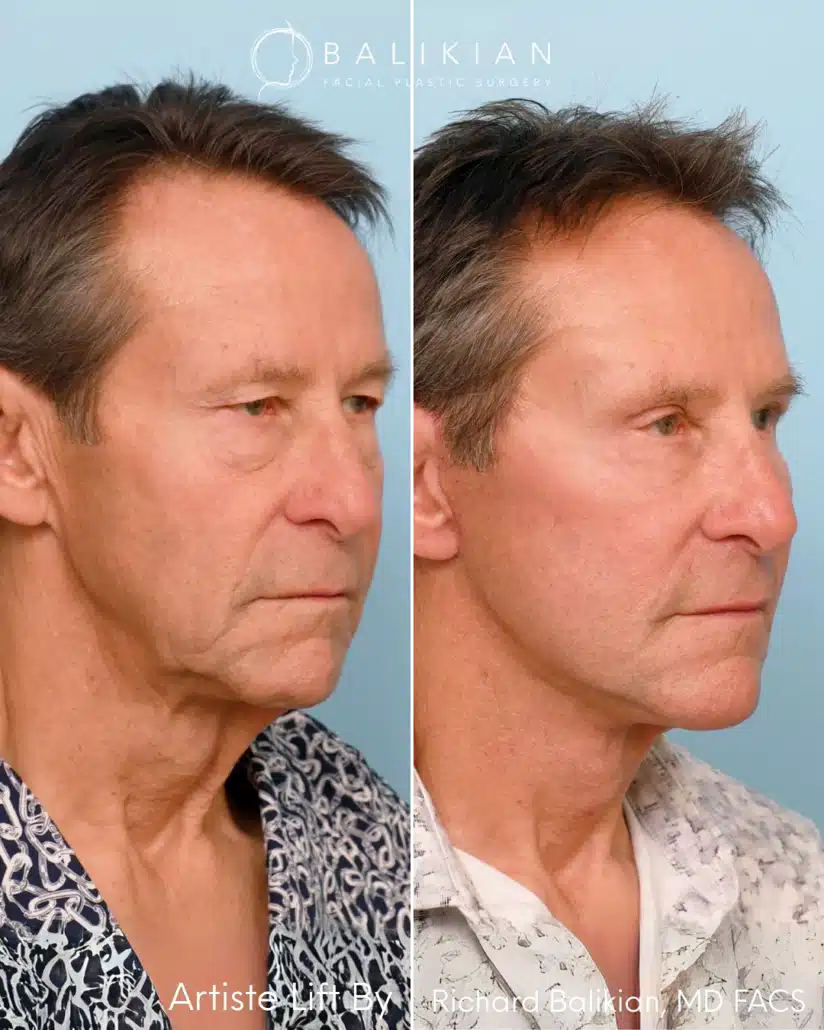
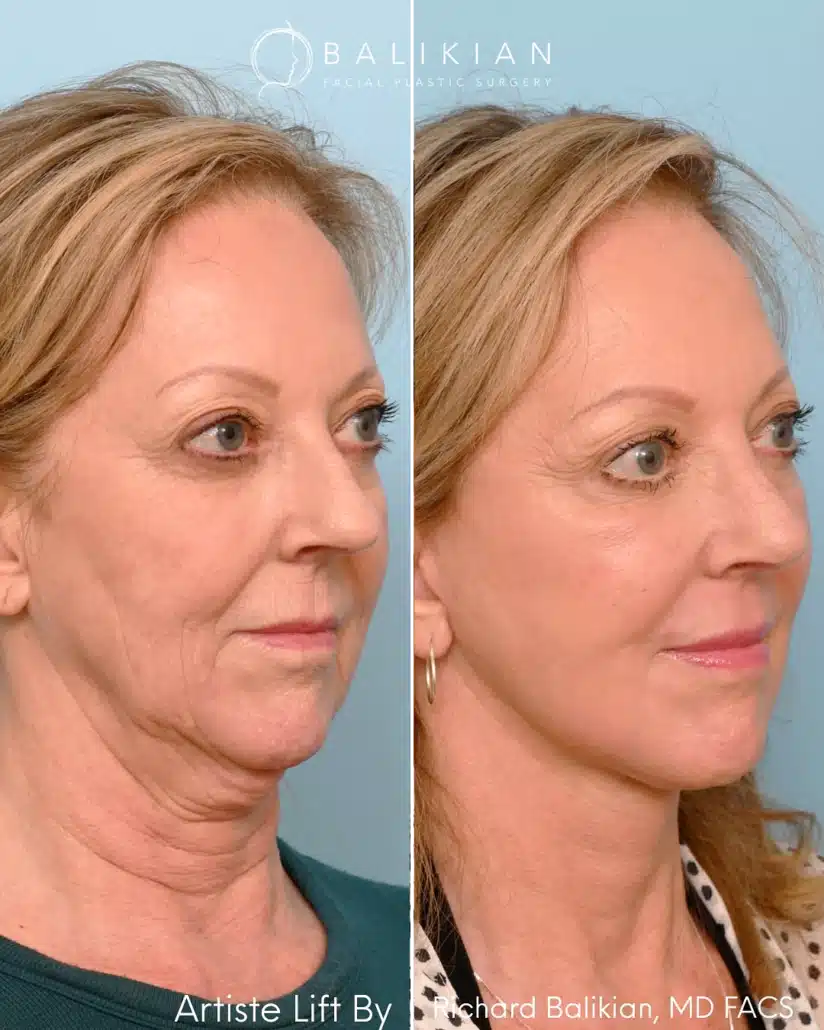
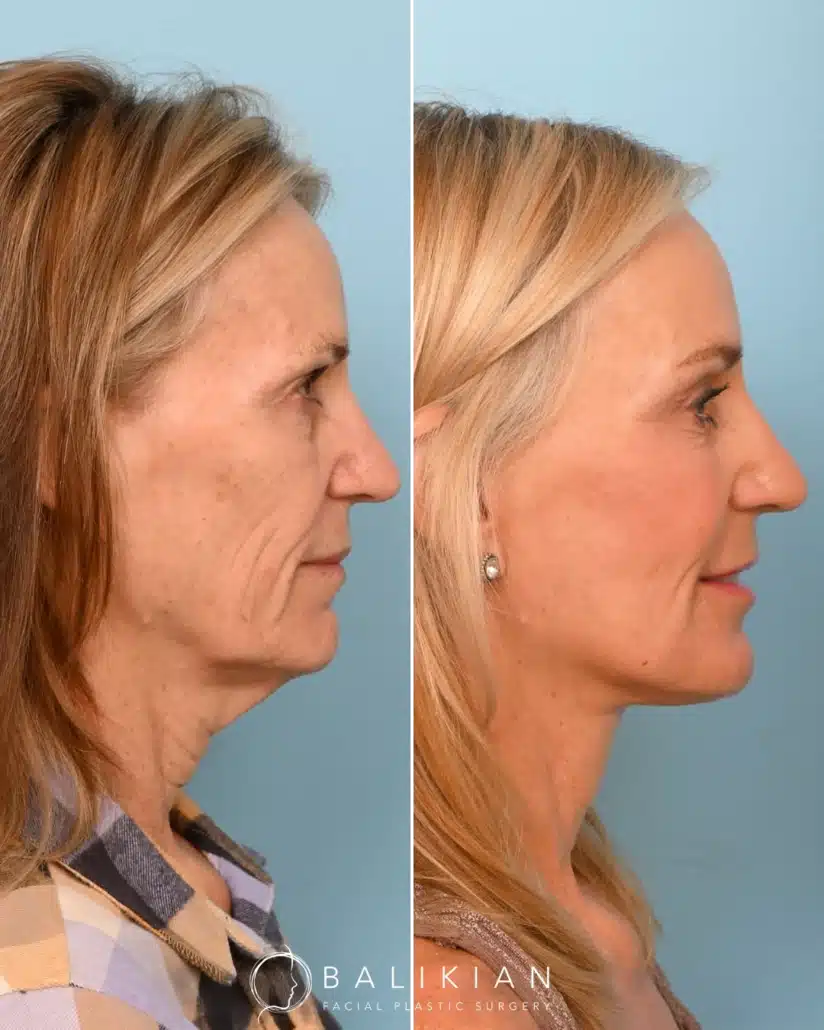

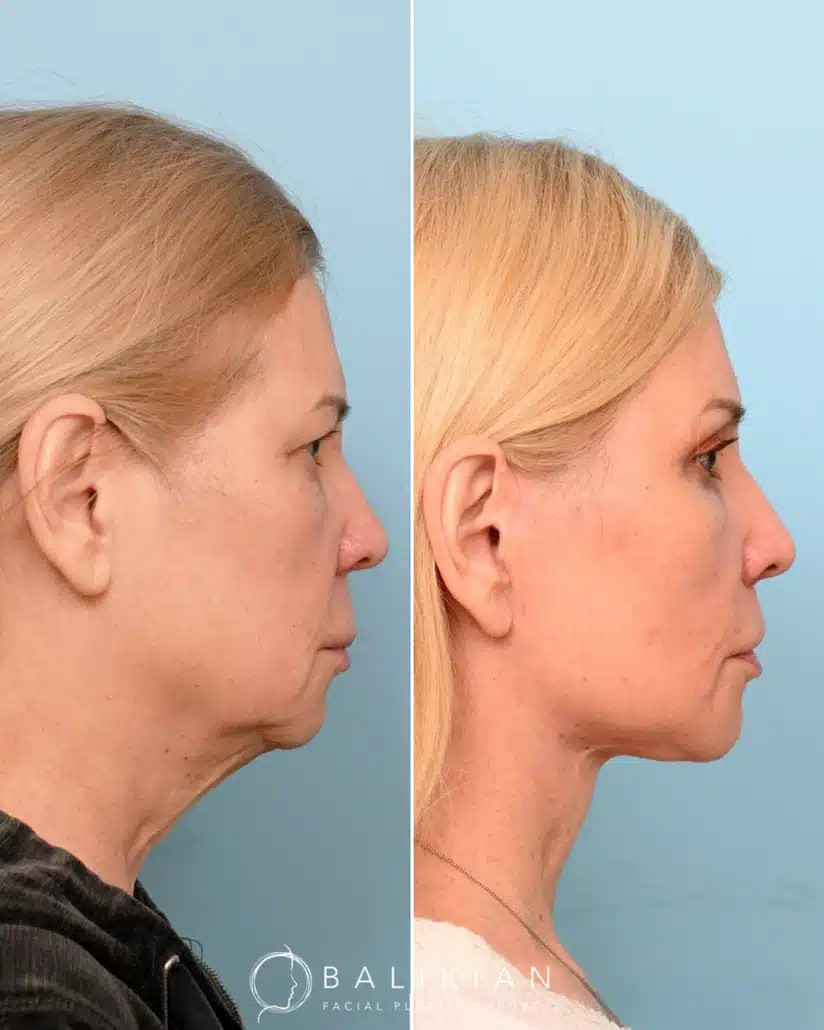
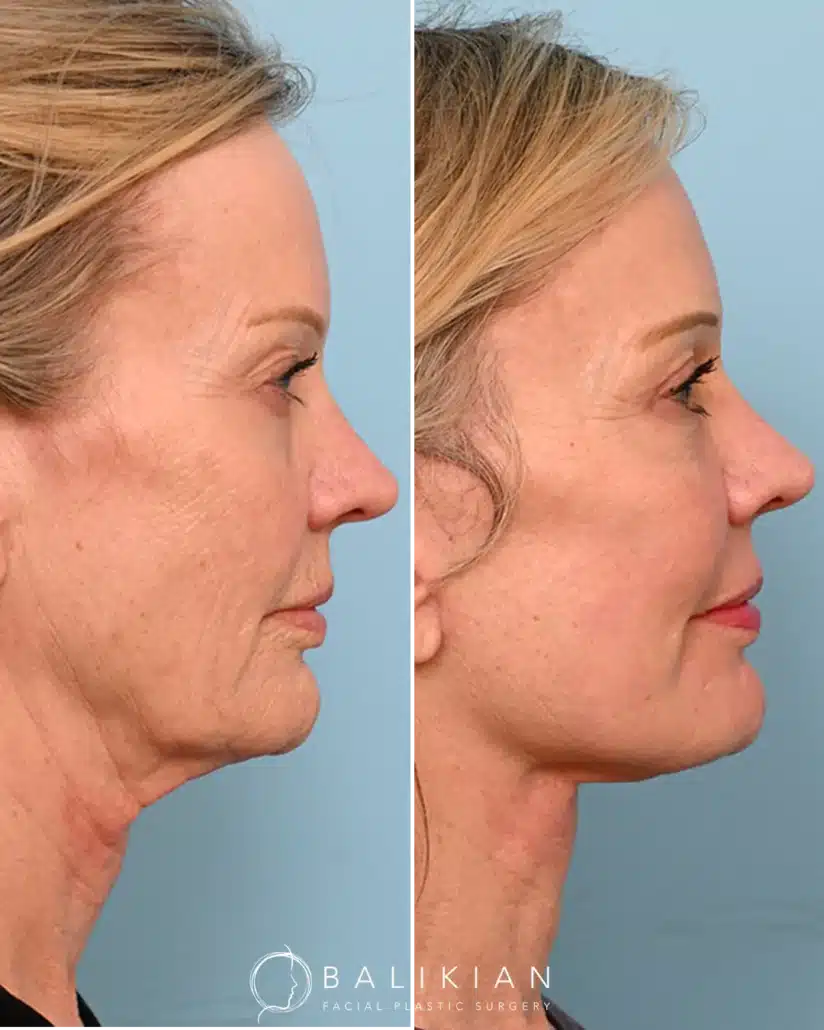
Modern facelift techniques emphasize preservation of the skin by limiting how much it is elevated. Structural correction occurs beneath the muscle rather than through broad skin dissection.
This approach allows:
By performing the lift in the deep plane, the skin functions as a covering rather than a load-bearing structure.
Traditional facelift techniques often rely on extensive skin elevation across the cheek and neck. While this exposes anatomy, it also increases tissue disruption.
Wide skin undermining is associated with:
Excessive skin elevation is not required to achieve effective facial lifting and often introduces avoidable healing challenges.
Incisions that carry tension are more likely to heal poorly. When the skin is pulled tight to maintain lift, stress concentrates at the incision edges.
Tension at incisions increases the risk of:
When deeper layers are fully released and repositioned, the skin can re-drape without force. Incisions can then be closed gently, allowing more predictable scar maturation.
Fibrin glue is used to stabilize deeper tissues after release and repositioning. Its purpose is not to lift the face, but to support healing beneath the skin.
It helps:
By stabilizing deeper layers internally, fibrin glue reduces reliance on drains and heavy compression, further protecting incision healing.
Incision design is not an isolated technical detail. It reflects the underlying philosophy of how a facelift is performed and how facial tissue is meant to heal.
Incision management reflects broader facelift principles:
When these principles are followed, incisions become a finishing step rather than a source of tension. This leads to more natural contours, quieter healing and longer-lasting results.
Facelift incisions do not determine results on their own. How forces are managed beneath the skin determines how the face heals and how scars mature.
When lifting occurs in the correct anatomical plane and tension is removed from the skin, incisions heal more predictably and results appear natural rather than tight.
A successful facelift is judged not by early tightness, but by long-term structure, balance and scar quality
Will facelift incisions be visible?
Incisions are typically placed in natural creases around the ear and within the hairline so that scars are well hidden as they heal. In most cases, the scars become faint and blend into surrounding skin and hair over time. Incision placement is a key factor in minimizing visible scarring after facelift surgery.
Why does incision design matter in facelift outcomes?
Incision design influences not only where scars heal but also how the tissues are accessed and repositioned. Well-planned incision placement reduces stress on the skin and makes it possible to lift deeper structures without forcing the skin to carry tension, which can otherwise lead to wider or more noticeable scars.
Can facelift scars be minimized with the right surgical technique?
Yes. Advanced surgical techniques that limit wide skin undermining and focus on deeper layer repositioning tend to result in less swelling and trauma, which supports smoother incision healing. Conservative elevation and tension-free closure help scars mature more discreetly.
Does the type of facelift technique affect scarring?
The specific facelift approach, whether SMAS-based, deep plane, or preservation, influences how much skin tension is placed on the incision. Techniques that focus on deeper structural release rather than skin tightening are associated with fewer visible contour irregularities and scars.
What role does deeper anatomy play in incision planning?
Understanding the layered anatomy of facial structures such as the superficial musculoaponeurotic system (SMAS) and underlying muscles is critical for effective facelift planning. Anatomical studies show complex layering and attachments in these structures, which surgeons use to guide incision and dissection to achieve natural results with minimal scarring.
Can the visibility of scars change over time?
Yes. Scars typically evolve through several stages of maturation over 12 to 18 months. Initial redness and thickness fade over time, especially when incisions are placed strategically and healing proceeds without tension or excessive trauma.
Are there surgical techniques that aim to reduce incision length?
Some procedures, like short scar or minimal incision facelift methods, use smaller, strategically placed cuts to achieve rejuvenation with potentially less visible scarring. These techniques may be suitable for select patients, especially those with more localized laxity.
Is the surgeon’s experience important for scar outcomes?
Absolutely. Surgeon skill in planning incisions, managing tissue tension, and closing wounds carefully has a direct impact on scar quality. Techniques that reduce undue stress on the incision line lead to better scar maturation and concealment.
How do facelift incisions relate to lifting deeper tissues?
Facelift incisions provide access to deeper layers like the SMAS and underlying muscles, which carry the structural support for a natural lift. By working beneath the skin, surgeons preserve skin integrity and reduce tension on the incision, which helps minimize visible scarring.
Do certain facelift approaches change where incisions are placed?
While most facelift incisions follow similar general paths around the ear and hairline, the precise location and extent of these cuts can vary based on the approach. For example, minimally invasive or preservation-focused techniques might use limited incisions tailored to the patient’s anatomy.
Dr. Richard Balikian is a highly respected facial plastic surgeon serving the San Diego area.
With over 20 years of experience and double board certification in Facial Plastic and Reconstructive Surgery as well as Head and Neck Surgery, Dr. Balikian offers a unique combination of technical expertise and artistic vision.
He is part of an elite group of surgeons with extensive training focused exclusively on the face and neck.